
It has been crowned Leicestershire’s prettiest village by Love Exploring, ranking 35th in England. From the heritage steam railway at Quorn and Woodhouse station to the 12th-century St. Bartholomew’s Church, discover what makes this charming village stand out from Hallaton and Horninghold.

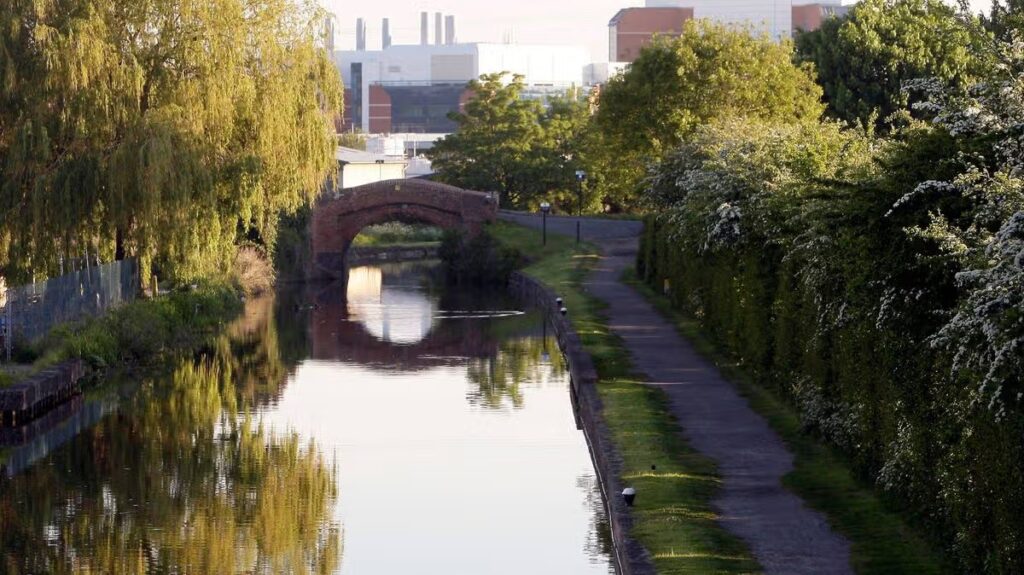
Water plays a central role in the village’s character(Image: Discover Charnwood.)
Leicestershire is blessed with a wealth of charming villages, each with its own distinct character and appeal.
Newtown Linford is well regarded for its historic stone-and-thatch cottages, nestled on the doorstep of the vast 850-acre Bradgate Park, a deer park steeped in medieval history.
Hallaton is another much-loved gem, tucked away in the Welland Valley and celebrated for its sweeping hills, ancient ridgeways, and the beloved annual Hallaton Bottle Kicking event.
Leicestershire is also home to Horninghold, frequently described as the most picturesque and “poshest” village in the county, boasting 12th-century architecture alongside a “Garden Village” layout dating back to the early 1900s.
Yet none of these has claimed the title of Leicestershire’s prettiest village. That coveted accolade belongs to Quorn.
Travel guide Love Exploring, which places Quorn 35th in its ranking of England’s prettiest villages, paints a vivid picture of the village’s past and present: “The village Quorn used to kennel hounds for the famous Quorn Hunt, where horse-backed aristocracy would use the village’s dogs to catch foxes. Now it has a more laid-back appeal, illustrated by its bounty of heritage buildings, including the skilfully crafted 12th-century St. Bartholomew’s Church and the 18th-century Quorn House, a Georgian architectural gem.”
“And if you’ve had enough of spotting birds by the burbling River Soar, why not spot vintage trains frequently stopping in the well-preserved Quorn and Woodhouse Train Station?”
Quorn – or Quorndon, to give it its proper name, though few bother – may not rival well-known tourist destinations such as Shere or Tealby, yet it boasts an appealing collection of attractions that make it well worth a visit.
Water plays a central role in the village’s character. The River Soar and the Grand Union Canal are among its most defining natural features, with the Blackbrook stream also flowing through the village centre. A delightful riverside footpath provides the ideal setting for a leisurely stroll or an outdoor meal.
Another standout attraction is Quorn and Woodhouse station. This impeccably maintained heritage steam railway station forms part of the Great Central Railway, which operates steam services between Loughborough and Leicester. Far from being a static exhibition, it is a fully operational heritage railway where visitors can experience authentic vintage steam journeys through the surrounding countryside.
The village also benefits from its proximity to Charnwood Forest, a distinctive landscape of ancient geological formations, wooded areas and elevated terrain that is quite remarkable for the East Midlands region. Excellent walking opportunities abound nearby, particularly around Beacon Hill and Bradgate Park – the latter renowned for its population of wild deer and the historic remains of Bradgate House.
History runs deep in Quorn. The village lent its name to the renowned Quorn Hunt, one of England’s most celebrated fox hunts, which was established in the 18th century. After foxhunting was banned in the early 2000s, the hunt transitioned to trail hunting, with riders heading out four days a week throughout autumn and winter. That tradition has continued in recent years, notwithstanding the subsequent trail hunting ban.
Quorn Hall, a Georgian country house, adds further architectural distinction to a village that already presents a fine blend of Georgian and Victorian structures. Independent shops, cafes and pubs line the main street, creating an authentic “market town feel” despite the village not officially holding market town status.
Positioned conveniently between Loughborough and Leicester, Quorn serves as an ideal base for visitors exploring nearby attractions such as Bradgate Park, Leicester’s National Space Centre, or Loughborough town centre.
Architecturally, the village presents a blend of Georgian and Victorian structures, with independent shops, cafes and pubs lining the main street, creating an authentic “market town feel” despite not officially holding market town status.