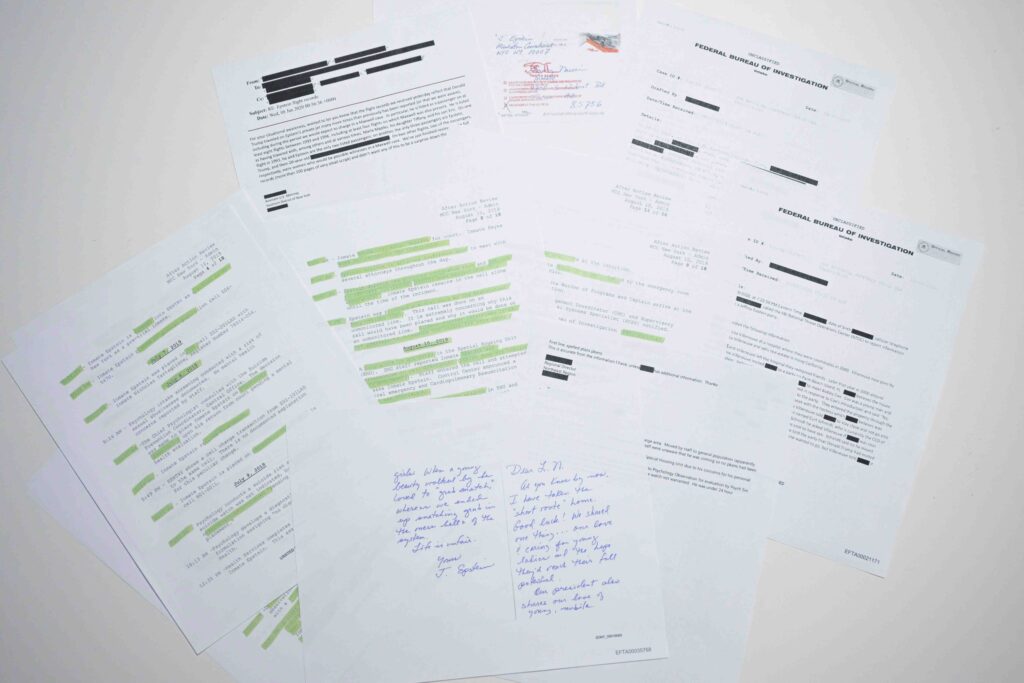

The January 2026 Department of Justice release of more than three million Epstein-related pages revived searches for the Epstein files PDF 2026 across platforms and archives. Users want searchable, downloadable copies after the official site struggled with volume, pagination, and technical limits. The scale of the dump and the political names inside it turned a routine records release into a months-long search trend.
Transparency law sets the timeline
The Epstein Files Transparency Act passed in November 2025 and required the DOJ to publish investigative records tied to Jeffrey Epstein and Ghislaine Maxwell. The law followed earlier criticism that prior batches had been heavily redacted or incomplete. It forced a single large release rather than piecemeal drops.
January 30 marked the biggest delivery: 3 million additional pages plus videos and images stored at justice.gov/epstein. Officials described it as the final major batch. The total collection now exceeds 3.5 million pages drawn from FBI files, Florida and New York cases, and probes into Epstein’s death.
Trump signed the act weeks after taking office. Mentions of his name appear thousands of times, mostly news clippings or uncorroborated tips. The presence of high-profile names across administrations kept the story in headlines and drove users to hunt for unfiltered PDFs.
Site problems push users to PDFs
The official library organizes files into twelve numbered data sets, yet many pages remain non-searchable because of handwriting or poor scans. ZIP downloads frequently stall, and pagination breaks on larger sets. Frustrated researchers turned to mirrors and archives for workable copies.
Internet Archive hosts bulk collections and individual PDFs pulled directly from the DOJ site. GitHub repositories list checksums and mirrors so users can verify what they download. These community tools appeared in X threads the same week the January dump went live.
Some files vanished or were re-redacted days after posting. Photos involving Trump noted in December coverage were among the items users reported missing. That churn increased demand for stable, downloadable Epstein files PDF 2026 versions stored outside government servers.
Political names fuel the conversation
Bill Clinton, Elon Musk, and other prominent figures surface in the documents, often in emails, flight logs, or unverified allegations. July 2025 DOJ guidance had already stated no “client list” existed, yet the new release reignited claims that one had been withheld. Fact-check threads on X reference specific data sets to separate rumor from record.
Trump receives the highest volume of mentions, though the majority trace to press clippings rather than investigative findings. Critics argue the administration timed the release to blunt political damage. Supporters point to the sheer scale as proof of compliance with the transparency law.
These debates keep the Epstein files PDF 2026 in trending searches. Users scroll social feeds, see a highlighted name, then look for the original page rather than rely on summaries. Primary-source demand sustains the phrase months after the initial dump.
Community archives fill gaps
Volunteers on Internet Archive created searchable indexes for Data Set 9, one of the largest and most discussed batches. GitHub contributors built scripts that split massive PDFs into smaller, readable sections. Both projects gained traffic the week the DOJ announced server issues.
Some users prefer offline copies for closer review of redactions and marginal notes. Others want to cross-reference names across multiple data sets without waiting for the official site to reload. The Epstein files PDF 2026 became shorthand for any complete, downloadable version of the full release.
Checksum lists circulated on X to confirm that mirrored files matched the originals. When discrepancies appeared, archivists flagged them within hours. That rapid verification loop turned casual interest into sustained traffic for the keyphrase.
Redactions spark ongoing scrutiny
Victim privacy redactions remain a flashpoint. Advocates argue some blocks shield powerful associates rather than protect survivors. The Federal Register notice published in August 2026 listed withheld categories but offered limited detail on individual pages.
Lawsuits filed by news outlets and transparency groups seek clearer explanations for the missing material. Hearings are scheduled for later this year. Each new filing restarts social media cycles that reference the Epstein files PDF 2026 as the record people still cannot fully access.
Researchers compare the January release against earlier batches to track what changed. Differences in page counts and redactions appear in spreadsheets shared on X. The exercise keeps the files in circulation long after the initial headlines faded.
Search behavior follows the news
Google Trends data show spikes on January 30 and again in late February when X users highlighted specific documents. Queries cluster around “Epstein files PDF 2026” because people want the full set rather than filtered summaries. The phrase now functions as a shorthand for the complete, unredacted archive.
News coverage of the release mentioned the justice.gov/epstein URL, but many readers reported broken links or slow loads. Alternative sites that offered direct PDF downloads captured the overflow. Those sites appear in current search suggestions tied to the keyphrase.
Podcast episodes and YouTube explainers released in March continue to cite the January dump. Each new segment drives another wave of searches from listeners who want to examine the cited pages themselves.
Technical hurdles shape access
Large file sizes exceed typical email limits, so users trade torrent links and cloud folders instead. Some mirrors split the collection into 500-page segments to ease downloads. These workarounds appear in X threads that also contain the Epstein files PDF 2026 search term.
Handwritten notes and low-resolution scans remain difficult to process with standard OCR tools. Volunteer projects experiment with newer models to improve searchability. Progress updates posted online draw fresh visitors looking for the latest readable versions.
Browser extensions that highlight names across PDFs gained traction in niche forums. Developers promote them as time-savers for anyone reviewing the full release. The tools keep the files relevant in tech-adjacent corners of social media.
Media coverage keeps the story alive
AP and CBS reports on the January 30 release emphasized the page count and political names. NPR followed with pieces on missing documents and internal audits. Each new article links back to the justice.gov repository and restarts search interest.
Opinion columns debate whether the Transparency Act delivered meaningful disclosure or simply dumped volume without context. Those arguments reference specific data sets and redactions, sending readers to primary PDFs. The Epstein files PDF 2026 remains the quickest route to the material under discussion.
Documentary producers have already requested footage from the released videos. Licensing negotiations will stretch into next year. Any public preview clips will likely trigger another search surge for the full collection.
Next steps for researchers
The DOJ has not announced further large releases, but smaller supplemental files continue to appear on the official site. Archivists monitor the page for additions and update mirrors accordingly. Users tracking those updates still search the Epstein files PDF 2026 to locate the newest material quickly.
Congressional oversight hearings scheduled for fall may produce additional records or revised redactions. Any new disclosures will likely follow the same pattern: headlines, site strain, and renewed demand for downloadable PDFs. The phrase has become the default shorthand for anyone seeking the complete, current archive.
Access patterns ahead
Stable mirrors and improved search tools will determine how long the Epstein files PDF 2026 remains a trending query. If the official site resolves its technical issues, traffic may shift back to justice.gov. Persistent gaps or new redactions will keep users hunting for community-hosted copies instead.