

Science fiction anime can change dramatically between seasons. A tightly focused first chapter might expand into an enormous war or leave behind the mystery that originally made the series compelling. Ambition is one of the genre’s greatest strengths, but it also gives long-running sci-fi anime plenty of opportunities to stumble. The rare series avoid that problem completely. Their later seasons do not merely recreate whatever worked the first time.
They expand their worlds, push familiar characters into new situations, and find fresh ideas within the same central premise. In some cases, the best material does not even arrive until well after the first season. These sci-fi anime never have a season viewers need to endure on the way to something better. Their stories may evolve considerably along the way, but the quality remains remarkably consistent from beginning to end.
Dr. Stone Keeps Finding New Ways to Make Science Feel Like a Superpower
-
 Image via TMS Entertainment
 -
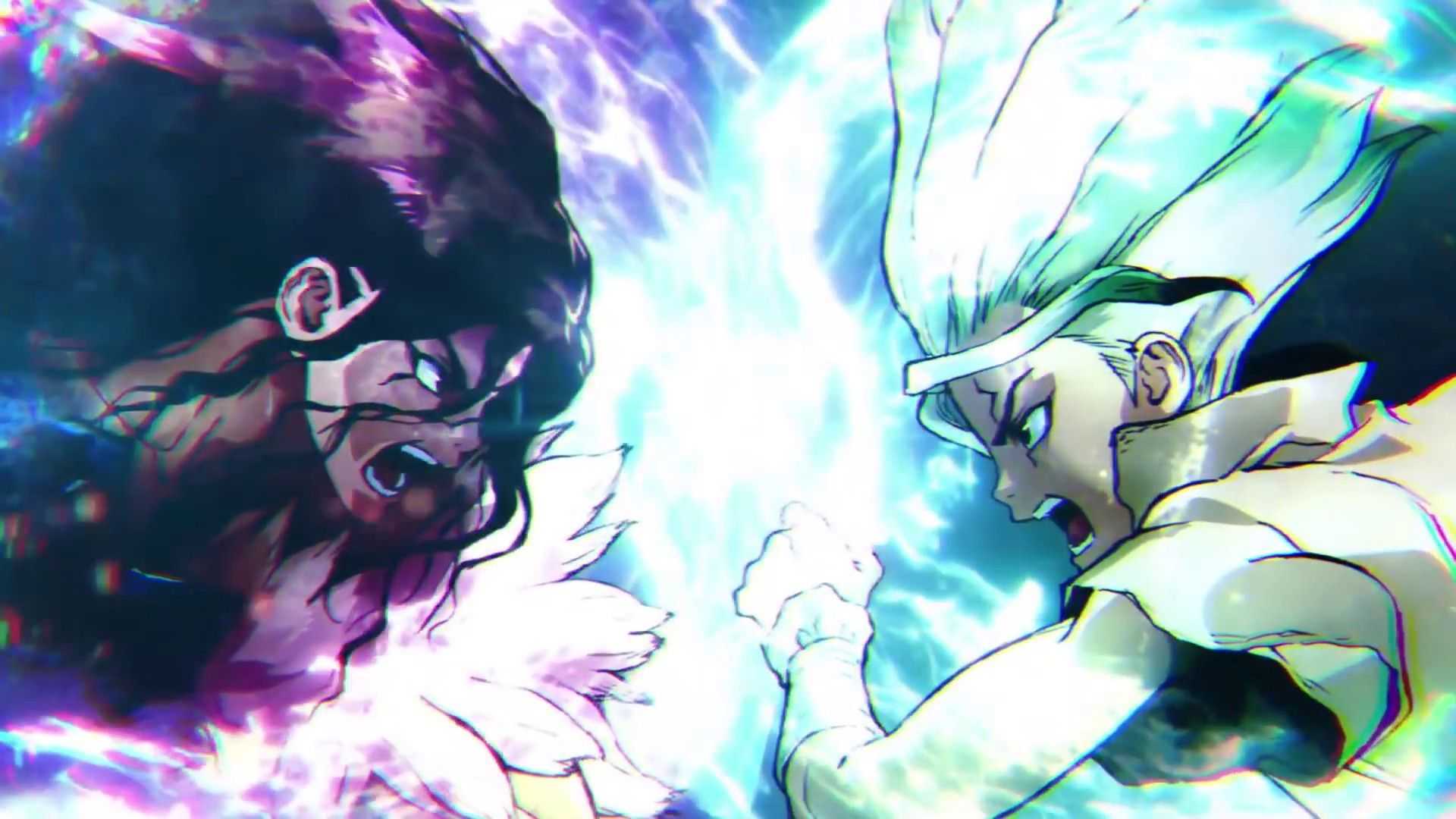 Image via TMS Entertainment
 -
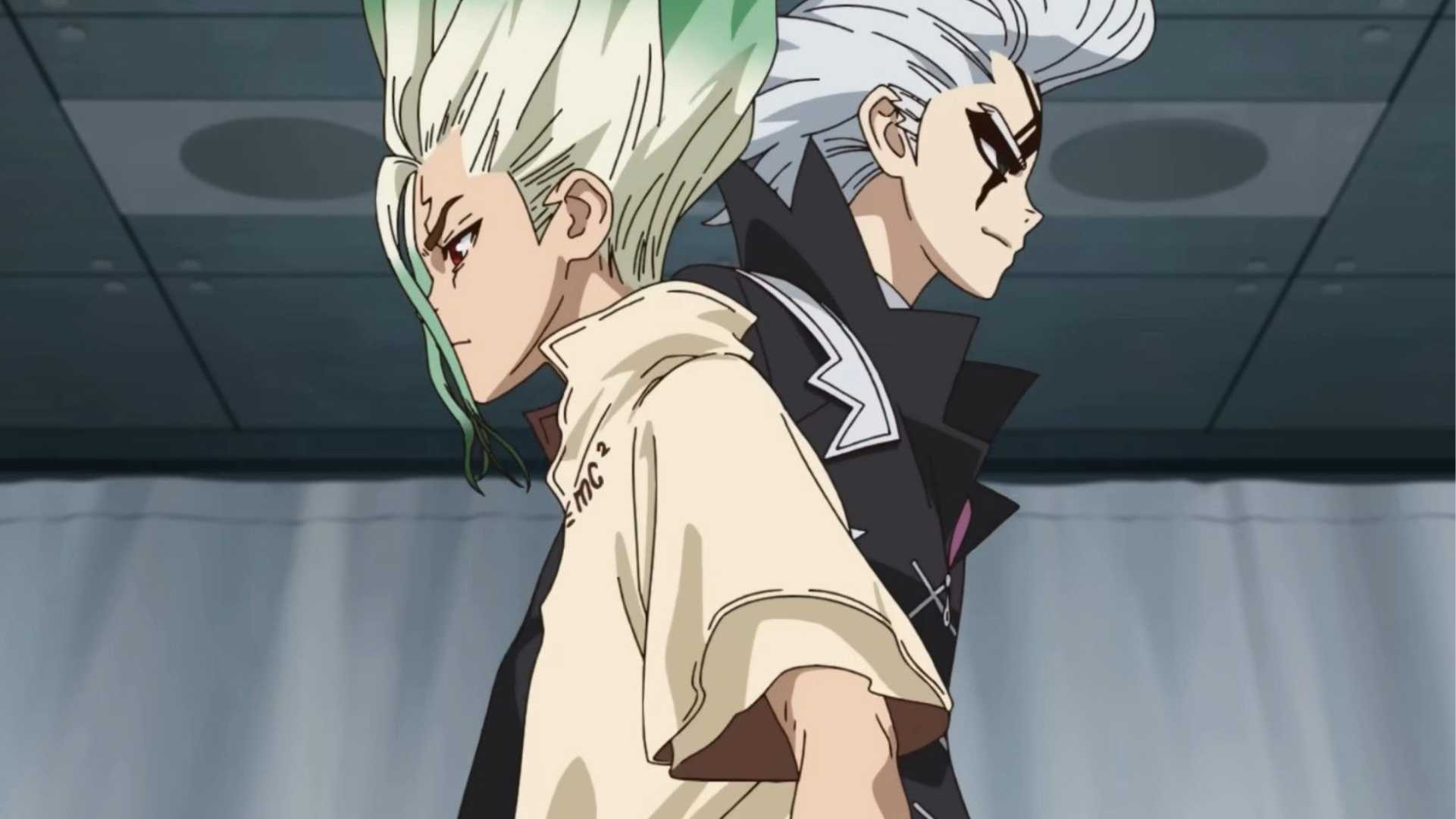 Image via TMS Entertainment
Dr. Stone begins with one of modern anime’s best science-fiction premises. A mysterious phenomenon petrifies every human on Earth. Thousands of years later, Senku Ishigami awakens to discover that civilization has disappeared and nature has reclaimed the planet. His solution is to rebuild everything. The first season makes that objective enormously entertaining by treating ordinary pieces of modern technology like endgame rewards. Every invention requires raw materials, experimentation and labor to help Senku manufacture what modern society once took for granted.
Later seasons understand that the formula has to grow. As Senku’s Kingdom of Science becomes more capable, the objectives become larger and the world begins opening beyond Ishigami Village. Exploration becomes increasingly important, and encounters with other survivors demonstrate that rebuilding humanity will involve social and political problems alongside scientific ones. The anime continually finds pleasure in the process. Senku is absurdly knowledgeable, but incapable of accomplishing everything alone. That dependence on other people prevents Dr. Stone from becoming a pure power fantasy.
Psycho-Pass Never Runs Out of Reasons to Question the Sibyl System

The world of Psycho-Pass has supposedly found a solution to crime. The Sibyl System continuously evaluates people’s psychological states and determines their likelihood of committing crimes. Law enforcement can therefore identify dangerous individuals before those individuals do anything wrong. That sounds efficient, but it is also horrifying. Akane Tsunemori enters the Public Safety Bureau believing strongly enough in society to work within its rules. Her experiences gradually force her to understand what those rules actually demand from the people living under them.
The first season brilliantly establishes conflict through Shogo Makishima. Makishima exposes weaknesses in Sibyl that the system would rather pretend do not exist. This forces Akane to confront the distinction between legal authorization and moral correctness. Later seasons expand that question instead of simply finding another Makishima. The technology behind Psycho-Pass is interesting, but the series is really about surrendering moral judgment to a system because that system promises safety. Every season finds another way to complicate that bargain.
Mobile Suit Gundam: The Witch From Mercury Delivers Two Excellent Halves of the Same Tragedy

In Mobile Suit Gundam: The Witch From Mercury, Suletta Mercury arrives at the Asticassia School of Technology as an awkward teenager not interested in political conflict. Then she wins a duel and accidentally becomes Miorine Rembran’s fiancé. For a while, school rivalries and mobile suit duels dominate the story. However, the darkness is already underneath them. Asticassia is controlled by corporations whose students inherit the ambitions and prejudices of their parents.
Gundam technology carries a dangerous history, Suletta’s Aerial is surrounded by unanswered questions and Prospera Mercury clearly has objectives extending far beyond her daughter’s education. The second season pulls those tensions into the open. Corporate rivalries become considerably more dangerous once their consequences extend beyond school duels. That shift works because the first season did the character work necessary to support it. The quieter school episodes establish relationships worth caring about before the larger conflict threatens to destroy them.
Made in Abyss Keeps Proving That Going Deeper Is Never a Good Idea

The Abyss is one of anime’s most irresistible places. It may also be one of the worst places anyone could possibly choose to visit. Riko has spent her childhood fascinated by the enormous pit beside her hometown. Cave Raiders descend into its layers searching for relics and knowledge, and Riko dreams of following her legendary mother Lyza into its depths. Meeting the mysterious robotic boy Reg finally gives her the opportunity.
The first season of Made in Abyss establishes an adventure that becomes increasingly disturbing the farther Riko and Reg descend. More importantly, ascending from the Abyss inflicts the Curse, with the consequences becoming increasingly severe at greater depths. There is therefore a horrible permanence to the journey. Made in Abyss uses that structure brilliantly across its seasons. The contrast between beauty and horror never becomes a gimmick. Every season makes it harder to imagine what could possibly be waiting further down.
Steins;Gate and Steins;Gate 0 Tell Two Sides of One Extraordinary Time-Travel Story
-
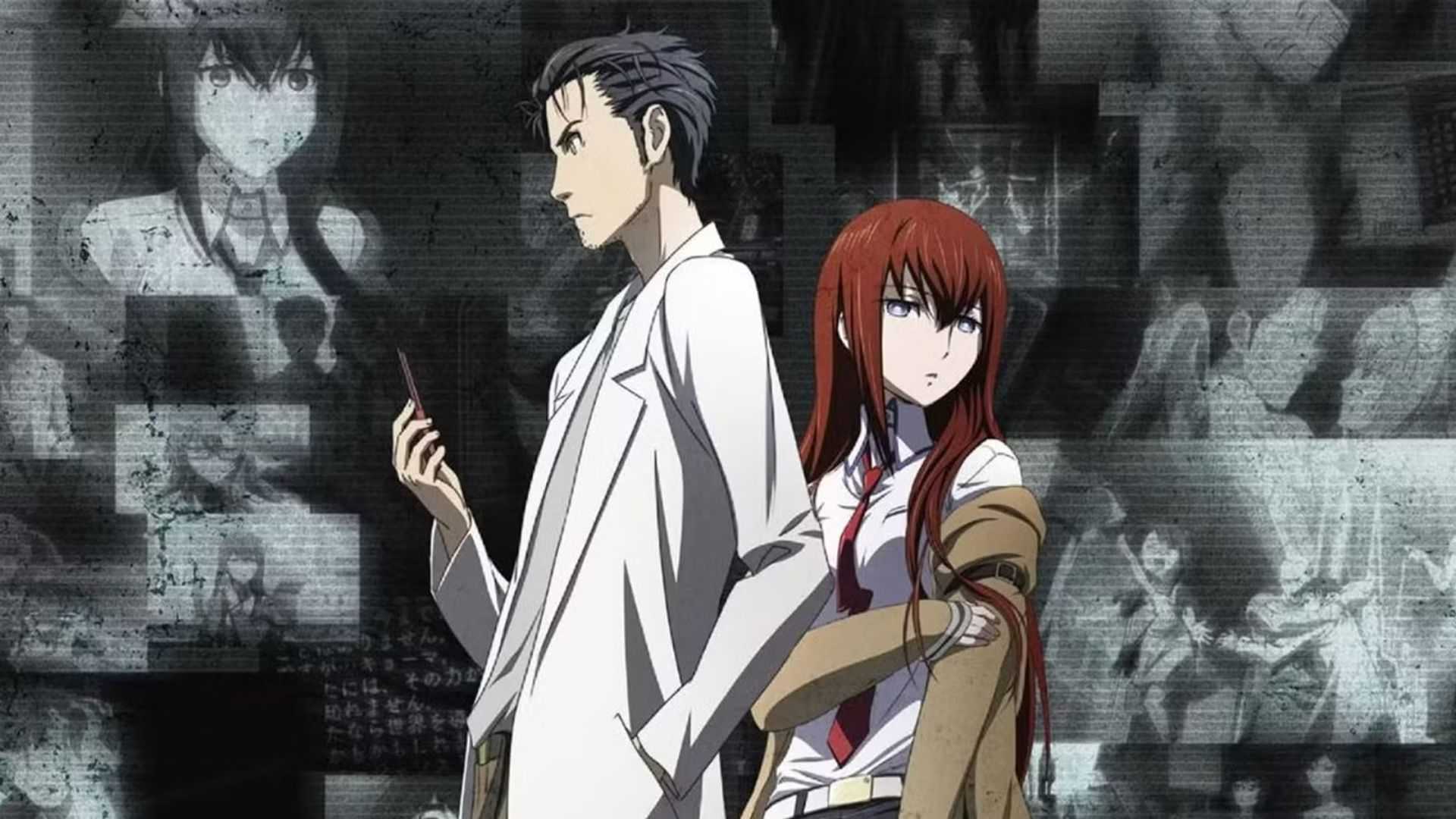 Image via Studio White Fox
 -
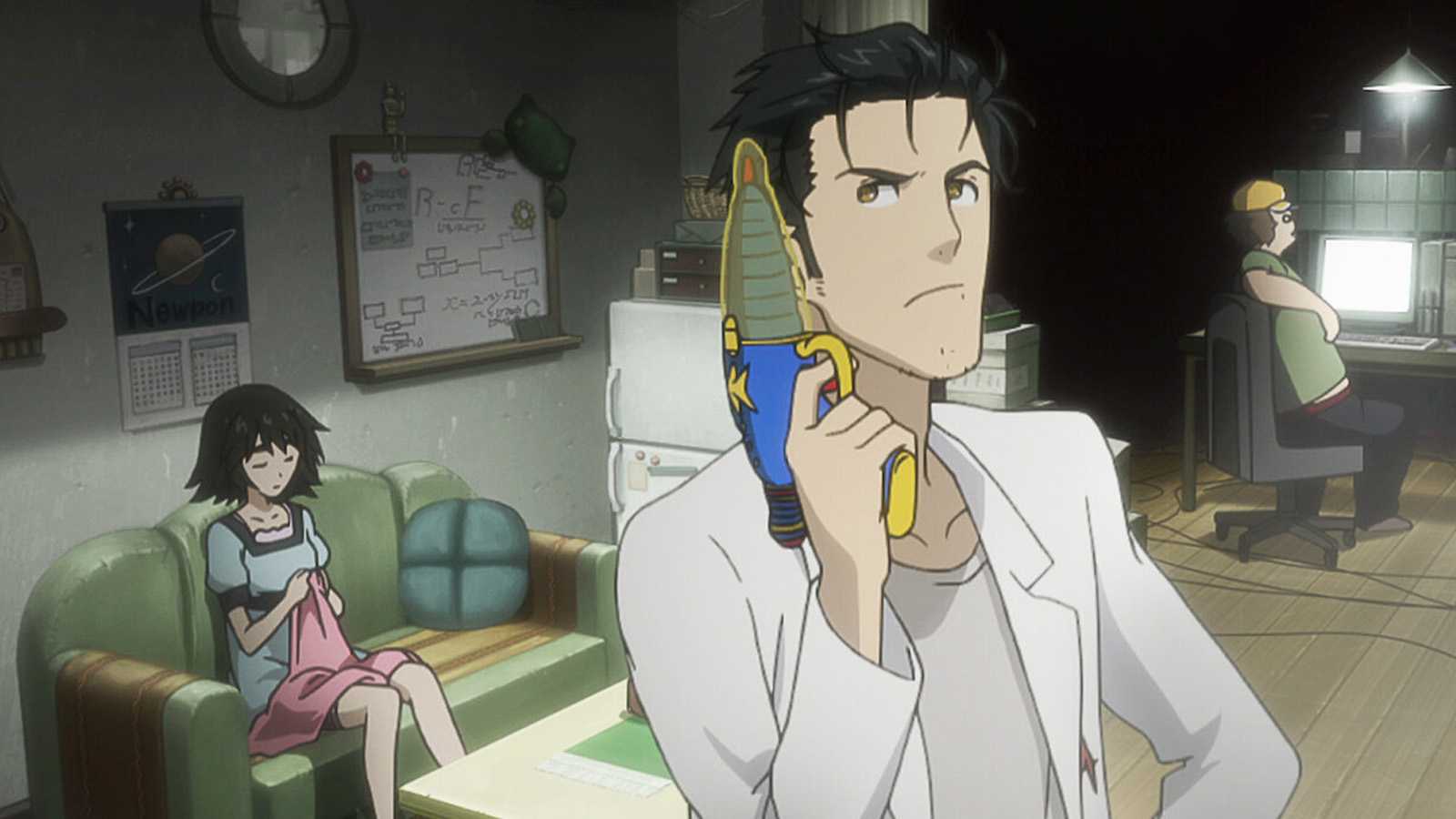 Image via Studio White Fox
 -
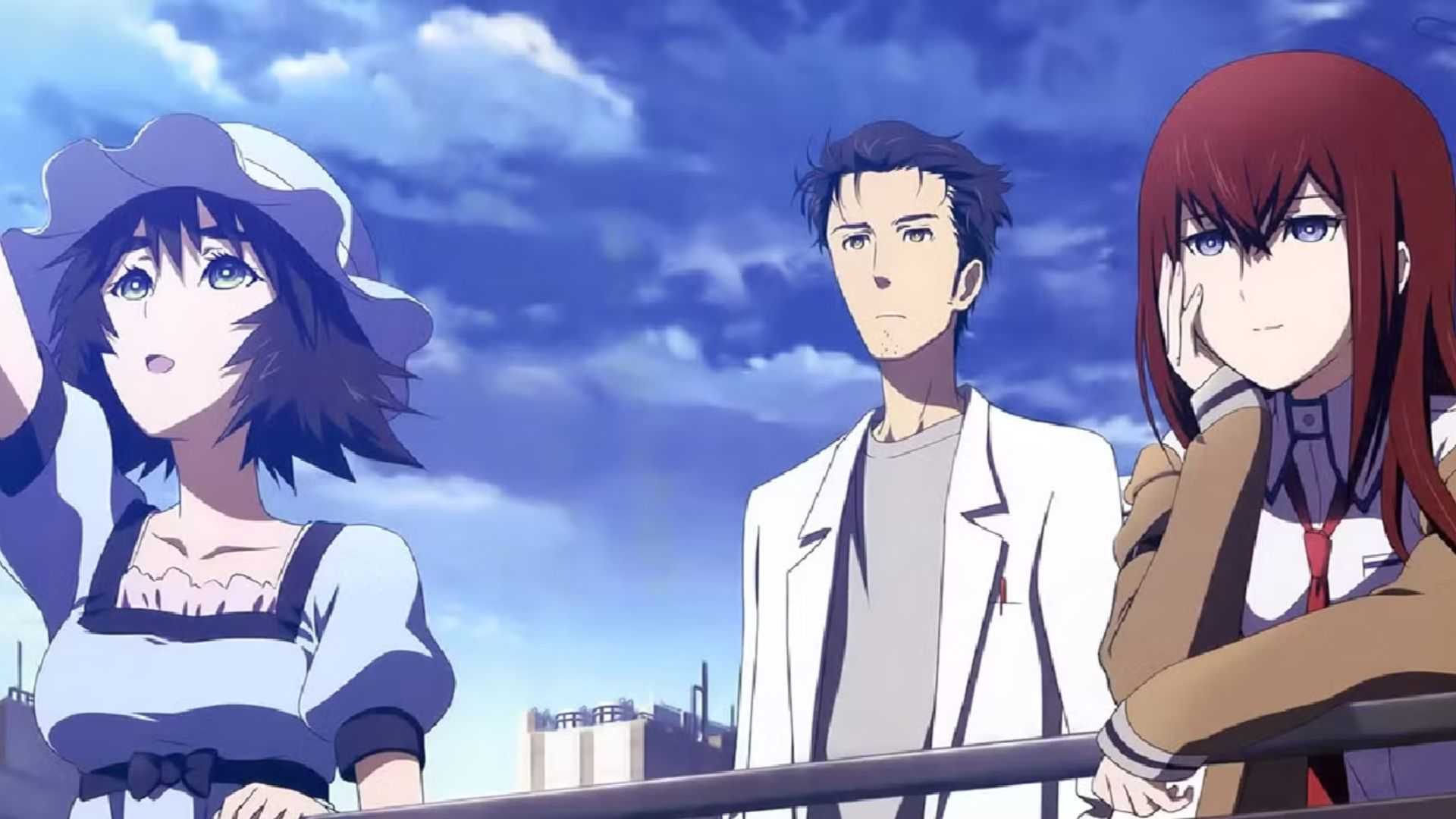 Image via Studio White Fox
In Steins;Gate, Rintaro Okabe spends his days experimenting alongside the other members of the Future Gadget Laboratory. Then they discover that one of their inventions can send messages into the past. At first, changing history feels playful. Small alterations produce different timelines, and Okabe’s Reading Steiner ability allows him to remember realities everyone else has forgotten. Eventually, the consequences become impossible to ignore. The second half of Steins;Gate transforms the series into a fight for survival against causality.
Over and over again, Okabe tries to fix problems brought about by manipulating time, gaining memories of occurrences no one else remembers. That makes Steins;Gate 0 such a fascinating companion. Rather than simply manufacturing another time-travel crisis after the original story reached its conclusion, it explores a version of Okabe who has been psychologically crushed by failure. Steins;Gate shows why reaching the correct timeline matters. Steins;Gate 0 demonstrates what had to happen for that possibility to exist.