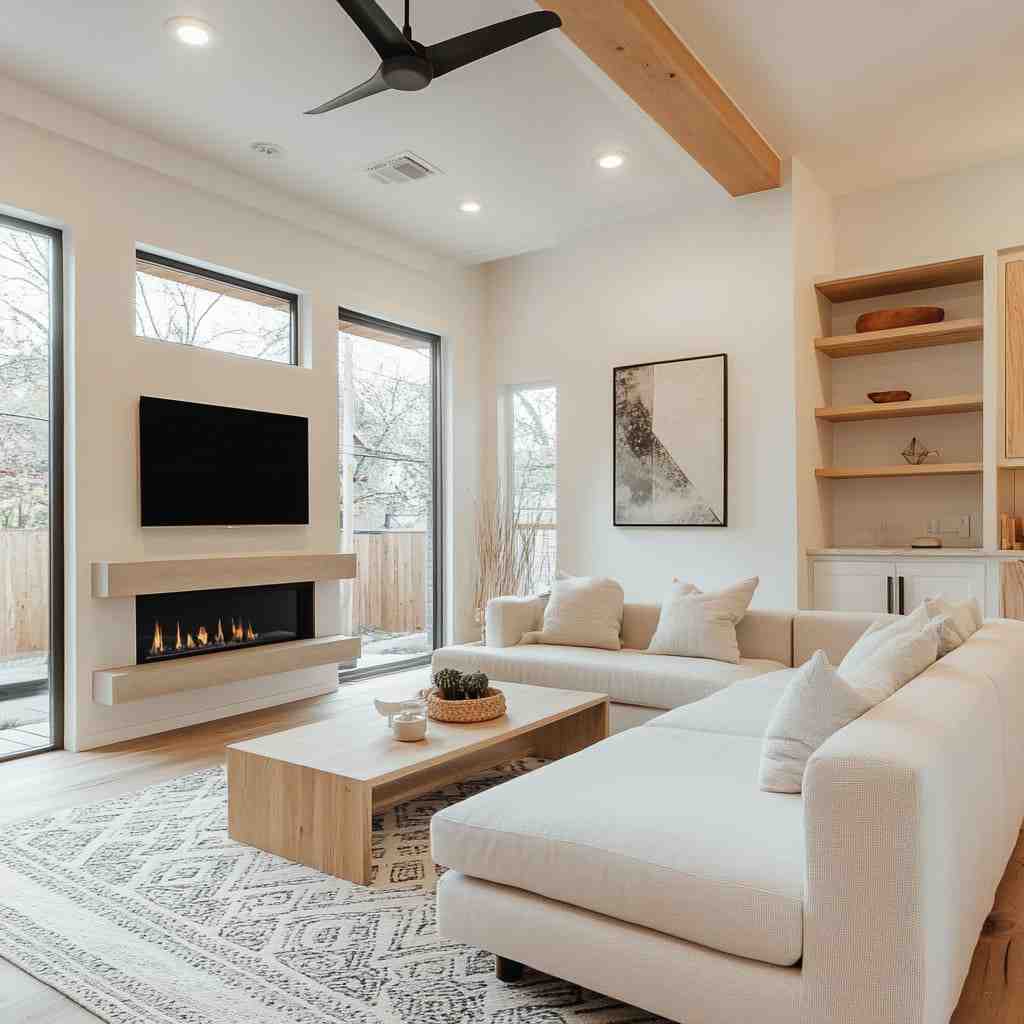

Minimalist furniture can work beautifully in a warm-climate home, as long as you consider material, spacing, and comfort for each choice. Strong sunlight, high humidity, sand, and indoor-outdoor living place practical demands on furnishings. Clean lines alone cannot create a comfortable room.
Breathable upholstery, shaded finishes, open circulation, and useful storage help maintain a calm interior. The result feels fresh and orderly without becoming stark, fragile, or difficult to maintain.
Begin by considering how each piece will respond to heat, moisture, sunlight, and regular use. A local showroom can simplify comparisons by bringing living, dining, bedroom, and outdoor options together.
The premium modern furniture Coral Gables showroom offers a useful reference for examining clean silhouettes, practical finishes, and furnishings suited to contemporary homes. Thoughtful choices help minimalist rooms remain inviting and functional. Here’s a breakdown on how minimalist furniture is the perfect fit for a warm and cozy home.
Choose Materials That Stay Comfortable
Natural wood, stone, metal, glass, and performance fabrics are all best suited for warm interiors. Each material reacts differently to sunlight and humidity, so placement plays a crucial role here. Wood brings visual warmth and generally feels comfortable against the skin. Stone handles heat well, although dark surfaces may become hot beside uncovered windows.
Metal frames create an airy appearance and leave space for ventilation beneath seating. Exposed metal, however, can become uncomfortable after prolonged sun exposure. Upholstery should resist fading, mildew, and moisture. Removable covers make cleaning easier after beach visits, open-window days, and outdoor gatherings.
Prioritize Airflow and Visual Lightness
A minimalist room should feel open rather than empty. Raised sofas, slender table legs, and chairs with space beneath them encourage air movement. They also make floors easier to clean after sand, dust, or wet footprints enter the home.
Large, solid furnishings can interrupt movement and add visual heaviness. Open shelving, glass tabletops, and streamlined consoles keep the room lighter. Clear routes between windows, doors, and seating also improve comfort during hot afternoons.
Control Sun Exposure
Intense sunlight can fade upholstery, dry wood, and weaken certain finishes. Keeping furniture away from direct rays protects surfaces and supports a cooler interior. Solar shades, lined curtains, and other window coverings offer control without overwhelming a simple room.
Pale upholstery reflects more heat than very dark fabric. Soft beige, muted gray, pale blue, and warm white can give a room a cooler character. Stronger colors still work well in cushions, artwork, and smaller pieces that you can change easily.
Use Texture Instead of Excess Decoration
Minimalism does not call for a completely bare interior. Texture brings comfort and depth while keeping visual clutter under control. Woven baskets, linen cushions, natural rugs, and matte ceramics can make a restrained room feel more welcoming.
Rugs need careful consideration in humid settings. Low-pile styles dry faster and hold less debris than thick designs. Synthetic fibers may simplify maintenance, while natural fibers can lend a softer appearance. The right option depends on ventilation, foot traffic, and cleaning habits.
Plan for Indoor-Outdoor Living
In warm regions, patios, balconies, gardens, and pool areas often function as extensions of the home. Furniture can strengthen that connection through related colors and straightforward forms. A dining table near open doors may support meals, work, homework, and casual entertaining.
Outdoor pieces require weather-resistant frames, quick-drying cushions, and finishes suited to intense sun. Indoor furnishings should remain protected from sudden rain and excessive moisture. Related shapes across both areas create continuity without making every piece identical.
Add Storage Without Losing Simplicity
Clutter can quickly undermine a minimalist interior. Storage belongs in the furnishing plan from the outset. Closed cabinets can conceal electronics, beach items, shoes, linens, and cleaning supplies while preserving a calm appearance.
Entry benches with compartments provide useful storage near exterior doors. Slim dressers add capacity without overwhelming a bedroom. Floating consoles keep flooring visible, which can make compact rooms appear more spacious.
Make Comfort the Final Test
A room may look polished yet feel unpleasant if seating lacks support or surfaces sit at awkward heights. Each major piece should have a clear purpose. Sofas need breathable cushions, dining chairs should support relaxed posture, and bedside tables require enough space for everyday items.
Furniture scale also influences comfort. Oversized pieces can restrict airflow, while undersized selections may leave a room feeling incomplete. Measuring doorways, wall lengths, and walking routes before purchase helps prevent expensive errors.
Conclusion
Minimalist furniture suits a warm climate home when ventilation, comfort, durability, and easy care shape the selection. Clean lines work best with breathable fabrics, protected finishes, practical storage, and generous spacing. Light visual weight can make rooms feel cooler, while natural textures keep a sparse setting from seeming severe.
Careful placement and suitable materials allow minimalism to respond gracefully to heat and humidity, rather than serving as decoration alone.