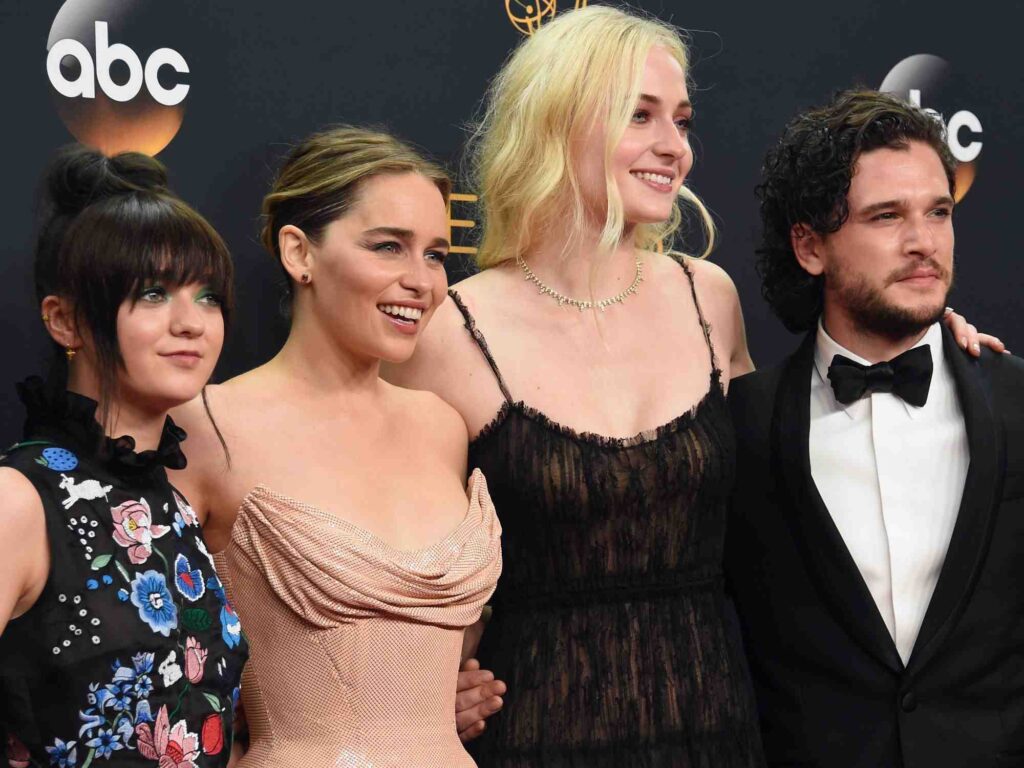

Game of Thrones ran from 2011 to 2019, but the cameras rolled from mid-2010 until 2018. That eight-year shoot forced every major player to age in real time, while the story itself moved forward only seven or eight years. Viewers still stream the series daily, and the gap between actor and character ages remains the first thing fans mention when they revisit the show.
Production stretched across a decade
Principal photography began in Northern Ireland in 2010 and finished in 2018. Eight seasons meant child actors entered their twenties while the plot needed them to look only a few years older. HBO aged most young characters up by two to five years compared with the novels, partly to clear legal hurdles around nudity and violence.
The extra years also let the production cast performers who could handle the material without the insurance headaches that come with minors. The network already had a larger pool of experienced actors once the ages shifted. That choice kept the show on schedule and out of the tabloids.
Seven to eight years pass on screen. The actors logged closer to eight calendar years. The difference is small on paper but huge on screen, especially for the Stark children whose faces changed more than their supposed ages.
Daenerys started with an adult in the role
Emilia Clarke was twenty-three when she first stepped in front of the cameras as Daenerys. The character had been bumped from thirteen in the books to roughly sixteen on screen, so Clarke’s age gave the early nude and sex scenes a legal green light.
By the final season she was thirty-two. The show still presented Daenerys as a woman in her early twenties. Viewers accepted the gap because Clarke already looked the part, and the production never needed to hide her real age.
Clarke’s casting set the pattern for other adult roles. HBO preferred actors who could carry battle armor and political speeches without the optics of teenagers playing teenagers.
Sophie Turner matched Sansa almost exactly
Turner was fourteen when filming began and twenty-two when it ended. Sansa was written as thirteen at the start and about twenty by the finale. The match was close enough that Turner rarely needed aging makeup or stand-ins.
She later described the early seasons as her sex education. The scripts included graphic material that most fourteen-year-olds would not encounter on any other job. HBO kept a tutor on set, but the emotional load fell to Turner herself.
Her visibility after the show, from X-Men films to a high-profile marriage, keeps the topic alive in American pop culture. Fans still point to her as the example of a child actor who grew up on camera without visible scars.
Maisie Williams crossed adolescence on screen
Williams was twelve when she was cast as Arya and fourteen when the first season aired. She turned twenty-two during the final season’s press tour. Arya aged from eleven to roughly eighteen across the same stretch.
In a 2026 interview Williams said the later episodes feel too close to who she is now. Some scenes she barely remembers filming. The distance helps, yet the footage remains the record of her teenage years.
Arya’s assassin arc became a fan favorite in part because Williams grew into the physical demands of the role. The show never had to recast or explain away a sudden growth spurt.
Isaac Hempstead Wright aged with Bran
Hempstead Wright started at ten, the same age as Bran in season one. He finished at twenty. The character’s paralysis and later mystical transformation tracked the actor’s real transition from child to adult.
The writers used the extra time to deepen Bran’s arc without rushing the timeline. Viewers watched the boy who fell from a tower become the Three-Eyed Raven who ends the series on the Iron Throne.
That finale still divides fans, yet the age progression on screen feels consistent because Hempstead Wright never had to pretend to be younger than he looked.
Adult actors filled the gap
Sean Bean was in his early fifties playing Ned Stark, a man in his forties. Peter Dinklage was forty-one when Tyrion first appeared and forty-nine by the end. Richard Madden was twenty-four when he played Robb, who was scripted as seventeen.
These choices gave the show immediate gravitas. HBO avoided the risk of hiring unknowns who might age out of the role mid-season or draw unwanted scrutiny over intimate scenes.
The contrast between the adult cast and the younger Stark siblings became part of the show’s texture. Viewers could sense the generational divide without any dialogue spelling it out.
Book ages versus screen ages
George R.R. Martin’s novels place Daenerys at thirteen and Jon Snow at fourteen when the story opens. The show lifted both characters to sixteen. Sansa moved from eleven to thirteen, Arya from nine to eleven.
The adjustments were not cosmetic. They allowed the production to film scenes that would have been impossible with child actors under American and British labor laws. HBO also gained access to performers who could handle the psychological weight of the material.
Fans still debate the changes online, especially when new viewers compare the show to the books for the first time. The age gap remains the quickest shorthand for how television adapts dense source material.
Recent interviews keep the topic current
Williams’s 2026 comments about the later seasons resurfaced on social media and fan podcasts. Turner has spoken about the same period in earlier interviews. Both actors now work steadily outside the franchise, yet the show’s timeline follows them in every profile.
House of the Dragon keeps the universe in the news cycle. New viewers arrive through streaming and immediately notice how young the original cast looks in season one. The age conversation restarts with each wave of rediscovery.
Streaming numbers show the series still ranks high on HBO Max charts years after the finale. The cast’s real ages function as built-in trivia that surfaces whenever the algorithm pushes an old episode.
Legacy of growing up on set
The eight-year production turned several teenagers into adults while the cameras rolled. Clarke, Turner, Williams, and Hempstead Wright all entered the industry as relative unknowns and left as recognizable names. Their post-show careers vary, yet each carries the visible record of those years.
HBO’s decision to age up the characters protected the production and the performers. It also created a lasting talking point that resurfaces whenever the show trends again. The cast ages remain the most concrete reminder that Game of Thrones was never just a story; it was eight years of real lives lived on screen.
Streaming keeps the timeline alive
New audiences still discover the series through algorithm recommendations and spin-off curiosity. Each season they meet actors who look younger than their characters’ supposed ages at the start. The gap is small but constant, and it now functions as a quiet timestamp on a show that once dominated Sunday nights.