
For an entire generation of Western viewers, Toonami was not simply another television block. It was their introduction to anime. Its afternoon and late-night blocks introduced audiences to sprawling shonen adventures, giant robots, supernatural battles and stories that felt dramatically different from the cartoons surrounding them on television. Some of those shows are remembered primarily because of nostalgia. Others genuinely remain exceptional decades later.
Their animation may immediately reveal the eras they came from, but strong characters, memorable conflicts and distinctive worlds have allowed the best Toonami classics to survive far beyond their original broadcasts. These series helped define Toonami during different periods of its history, but their reputations no longer depend on where audiences first discovered them. Each remains a fantastic anime in its own right.
Naruto Gave Toonami Its Next Great Shonen Hero
-
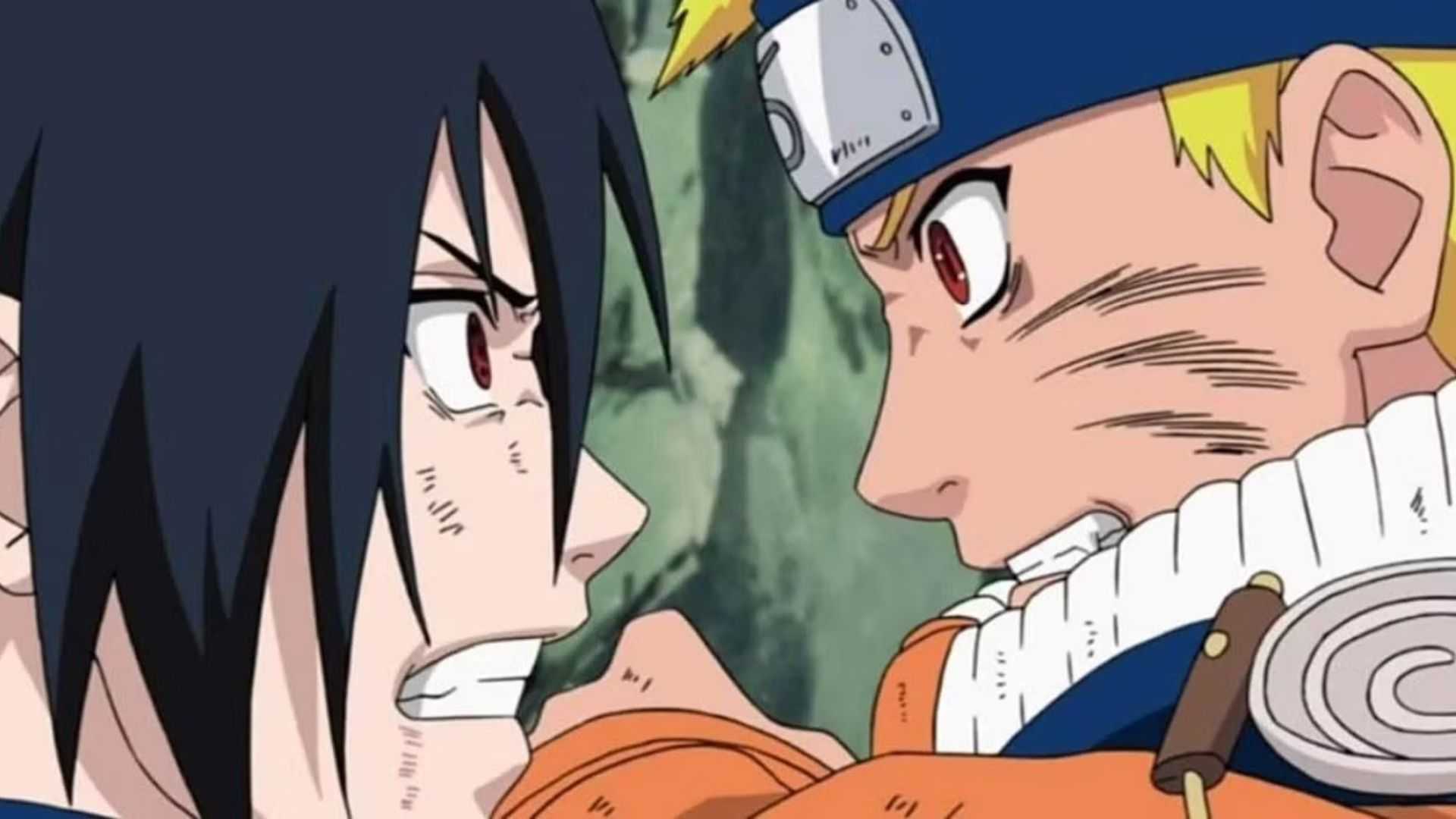 Image via Studio Pierrot
 -
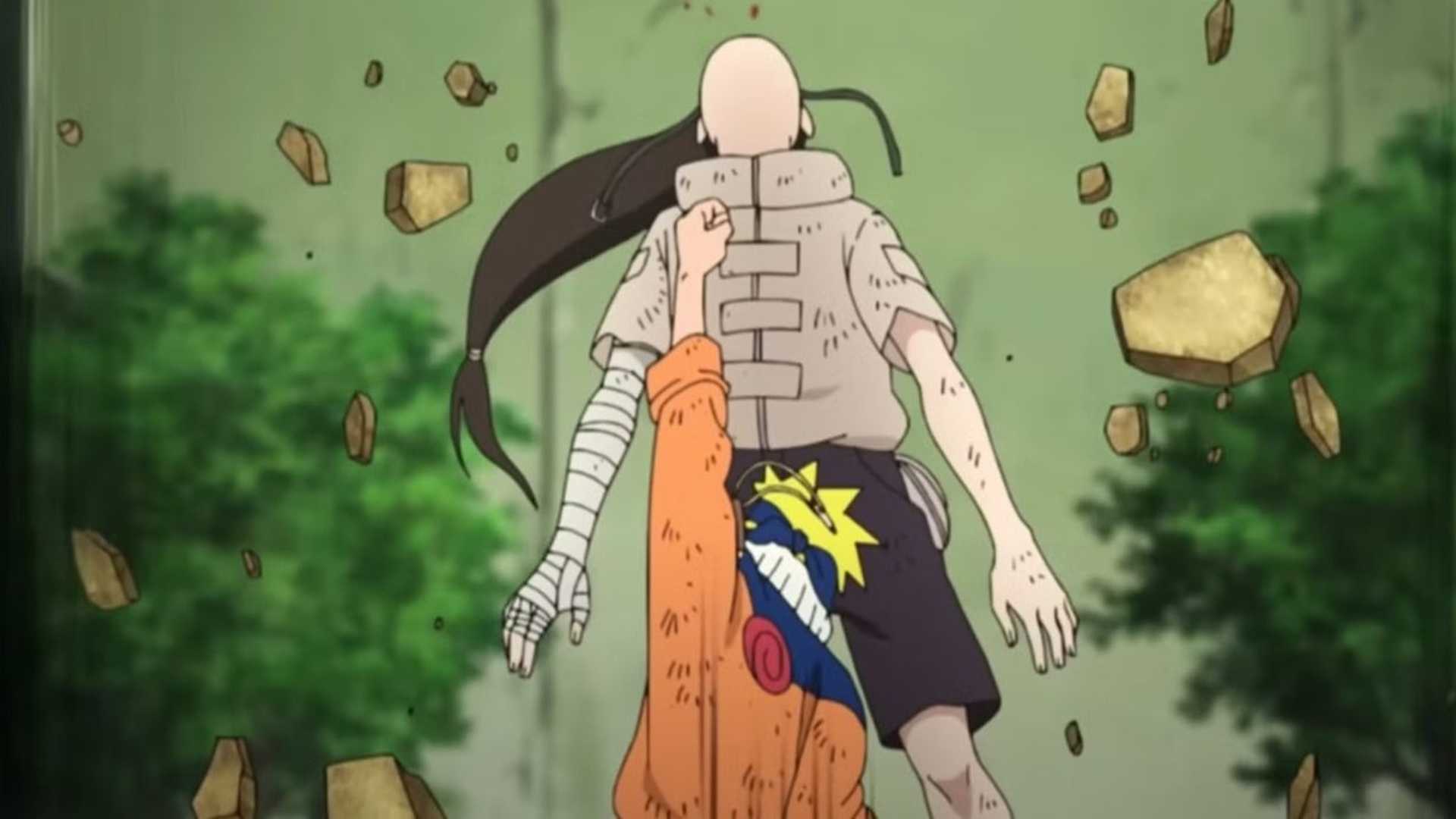 Image via Studio Pierrot
 -
 Image via Studio Pierrot
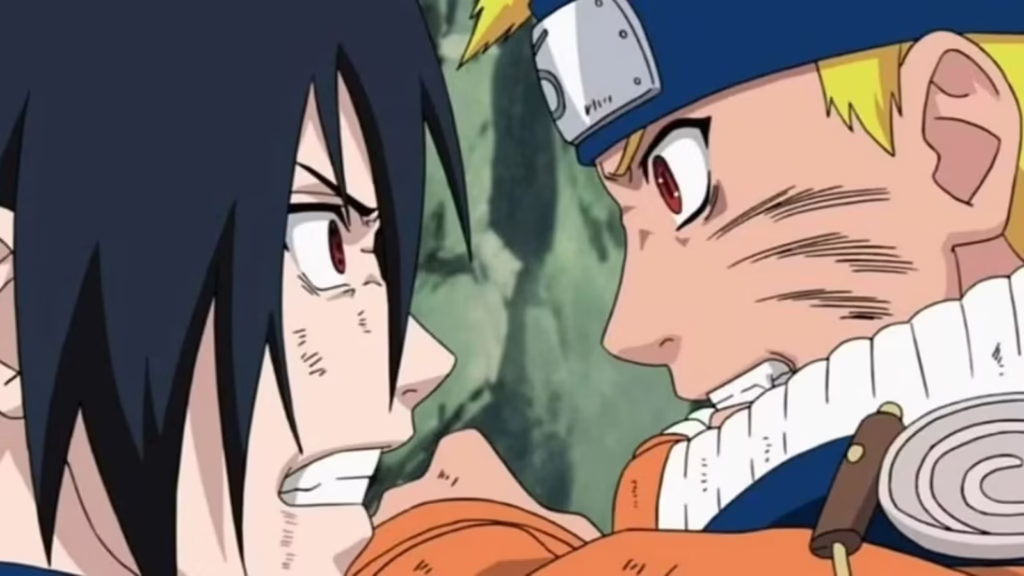
Naruto Uzumaki, the titular character of Naruto, wants everyone in the Hidden Leaf Village to acknowledge him. There is a very good reason they do not. The Nine-Tailed Fox that once devastated Konoha was sealed inside Naruto when he was an infant, leaving him to grow up surrounded by adults who associated a lonely child with the monster living inside him.
Naruto responds by becoming the loudest person possible. His dream of becoming Hokage initially seems ridiculous. He struggles at the Academy and causes constant trouble, but becoming a member of Team 7 begins to change that. Working alongside Sasuke Uchiha and Sakura Haruno under Kakashi Hatake gives Naruto his first real opportunity to prove that his stubbornness can become an advantage rather than simply an annoyance.
When Naruto was added to Toonami’s rotation in 2005, it quickly became one of the block’s defining anime. The series has since grown far beyond those early missions. The lonely kid demanding everyone’s attention finally has millions of viewers watching.
Outlaw Star Made Space Adventure Feel Limitless

Outlaw Star gave Toonami viewers a version of space where practically anything could be waiting on the next planet. Gene Starwind begins the series taking miscellaneous jobs with his young partner, Jim Hawking. Their relatively ordinary lives disappear after an assignment introduces them to Melfina, a mysterious bio-android connected to one of the most advanced ships in existence.
Gene and his growing crew eventually set out to find the Galactic Leyline, a legendary location desired by some of the most dangerous people in the galaxy. The journey allows the anime to throw almost every imaginable science-fiction idea at them. There are space pirates, assassins, alien species and ships equipped with mechanical arms capable of fighting one another directly.
The crew gives those adventures their personality. Outlaw Star feels unmistakably like a product of late-’90s anime. Its universe is colorful, dangerous and wonderfully unconcerned with limiting itself to one kind of science fiction. Toonami gave plenty of viewers their first trip aboard the Outlaw Star.
Yu Yu Hakusho Gave Toonami One of Shonen’s Greatest Teams

Yusuke Urameshi begins Yu Yu Hakusho as a teenage delinquent whom practically everyone expects to become a failure. The story takes a turn when he dies saving a child. Even the Spirit World did not expect that. Yusuke eventually receives another chance at life and becomes a Spirit Detective, investigating supernatural incidents involving threats crossing into the Human World.
The premise develops into one of the greatest battle shonen of its era, and Yusuke is a major reason why. He is far rougher around the edges than a conventional heroic protagonist. Yusuke’s Spirit Gun gives him an immediately recognizable signature attack, but the people around him make the action considerably better.
Kuwabara fights with his Spirit Sword, Kurama combines intelligence with deadly plants and Hiei possesses the terrifying Dragon of the Darkness Flame. The Dark Tournament Arc brings those abilities together. The show’s mixture of excellent villains, distinctive abilities and genuine chemistry between the heroes has aged remarkably well. Yu Yu Hakusho helped establish many conventions later shonen would use repeatedly.
Cowboy Bebop Transcended the Programming Block That Introduced It to Millions

Spike Spiegel spends his days hunting criminals across the Solar System. At least, that is theoretically how he makes money. Alongside former police officer Jet Black, Spike operates from the Bebop and pursues bounties that rarely provide the financial security either man would probably prefer. Faye Valentine, Edward and Ein eventually join them, creating one of anime’s strangest found families.
Each character is running from something, and that gives Cowboy Bebop its melancholy underneath all the effortless style. Each character’s history and regrets refuse to stay buried, and they struggle to keep it all under control. The episodic format gives those stories room to emerge naturally.
One episode can be a ridiculous comedy before the next becomes a noir tragedy or an explosive action story. The series trusts viewers to follow those tonal changes without needing everything to connect to one enormous serialized plot. Cowboy Bebop did not merely age well. Decades later, anime is still trying to be this cool.
Dragon Ball Z Became Practically Synonymous With Toonami
-
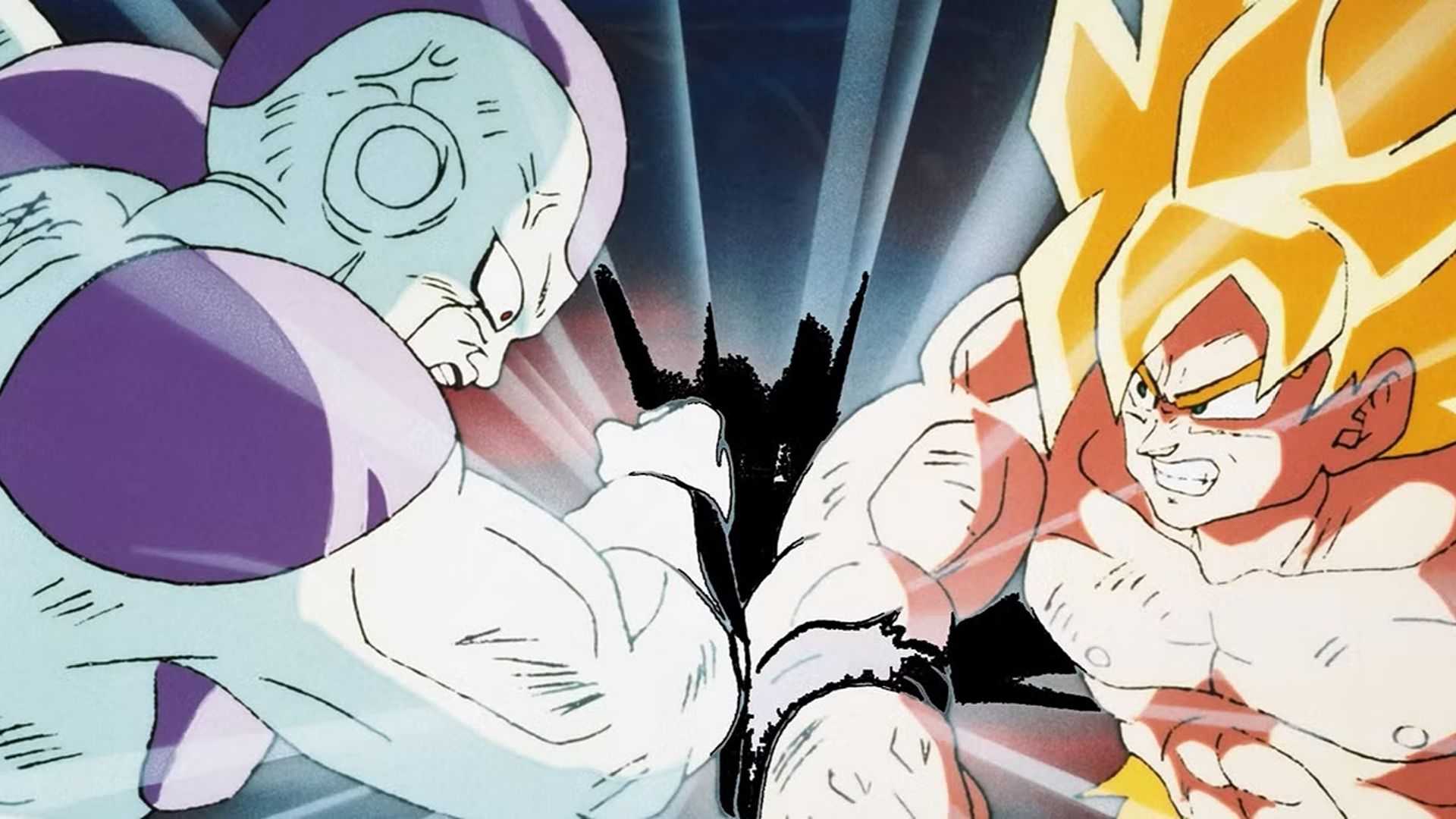 Image via Toei Animation
 -
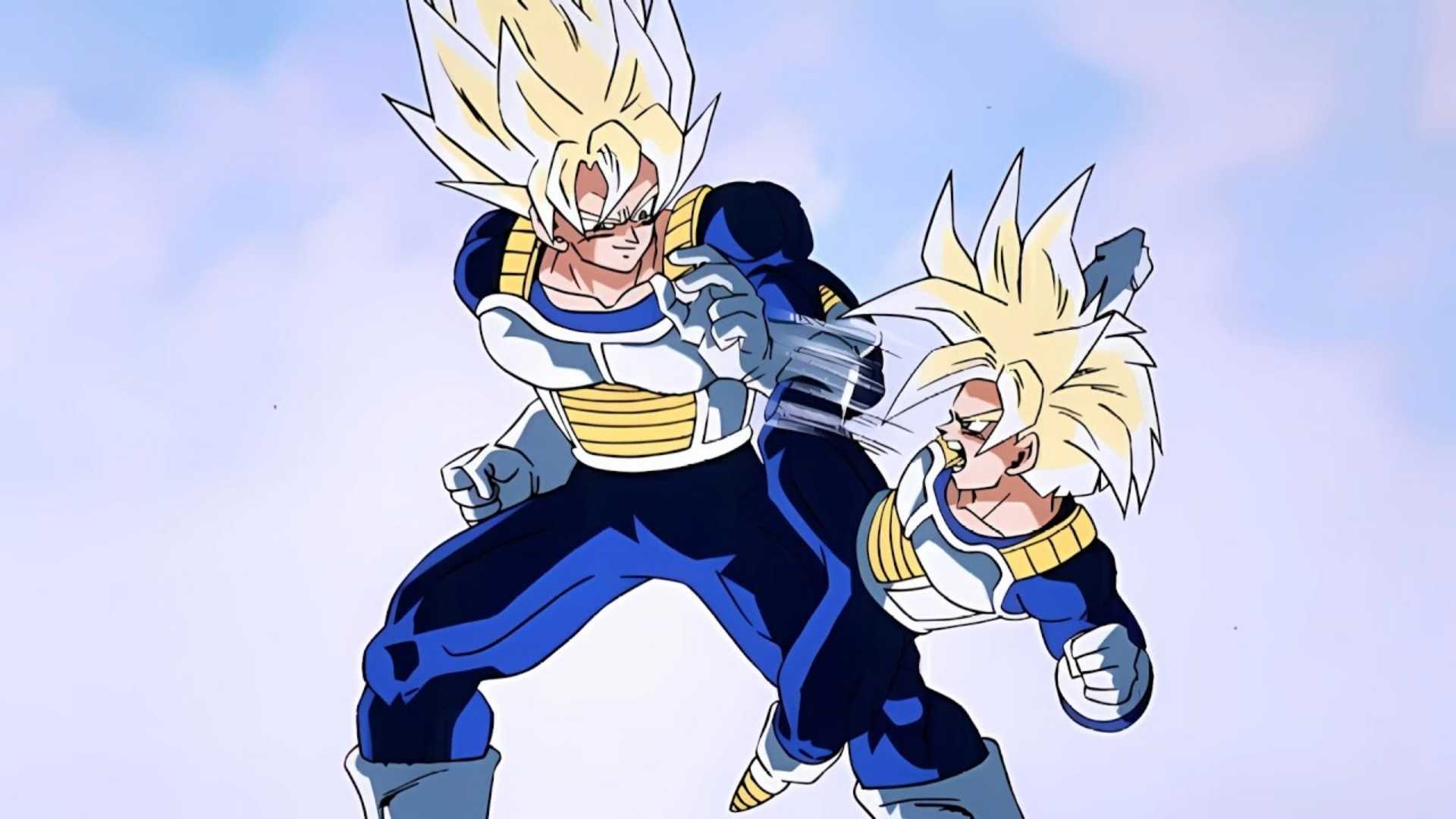 Image via Toei Animation
 -
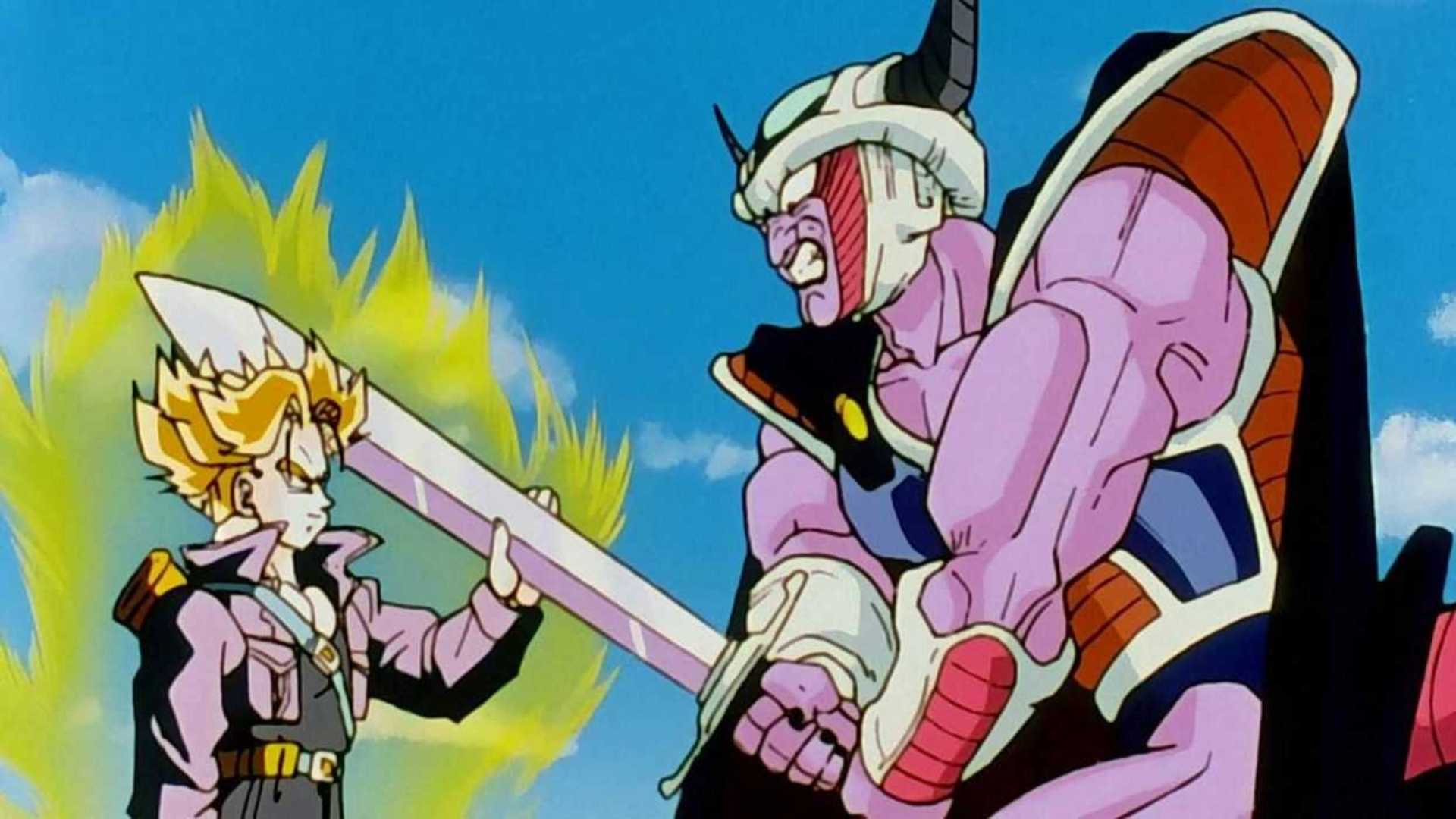 Image via Toei Animation
Few relationships between an American programming block and an anime are as important as Toonami and Dragon Ball Z. Goku’s battles became a regular television appointment. The Saiyan Saga dramatically expands the world established by Dragon Ball, revealing Goku’s extraterrestrial origins before introducing Vegeta as an enemy capable of terrifying Earth’s strongest fighters.
Frieza turns Namek into a brutal battlefield, and Cell creates another threat requiring an entirely new generation of strength. That constant escalation became addictive. A character could spend episodes chasing a transformation or preparing an ultimate attack, making the eventual payoff feel enormous when it finally arrived.
Goku’s confrontation with Frieza takes everything the series has established about Saiyan potential and turns it into one of battle shonen’s defining moments. Plenty of anime have technically accomplished more sophisticated things than Dragon Ball Z. Very few have made simply waiting for the next punch feel like such a major event.