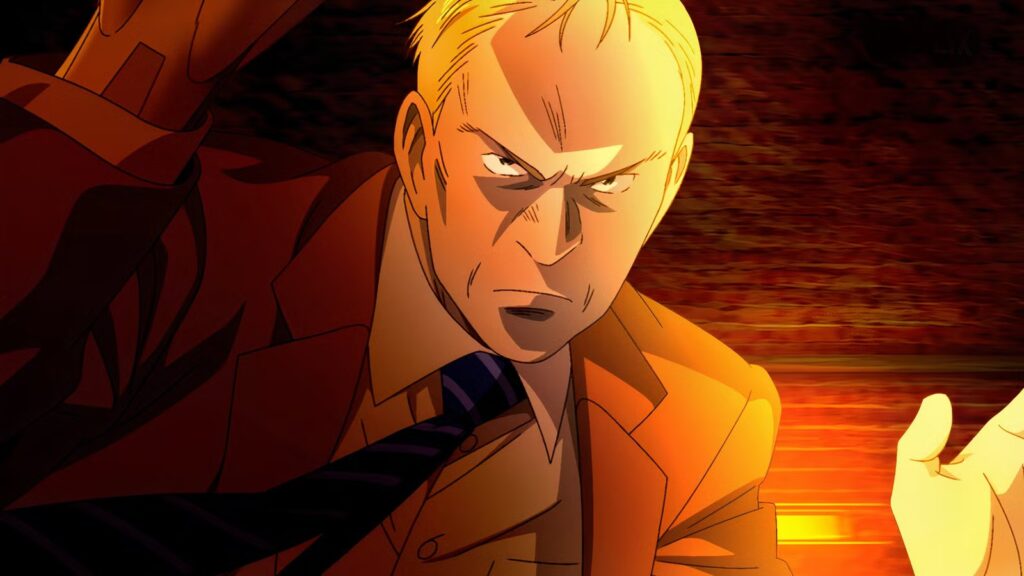

Not every great anime needs hundreds of episodes to leave an impression. Some series can introduce an entire world, develop an unforgettable cast and bring their biggest ideas together before a longer anime even finishes its opening saga. When that limited runtime is used properly, finishing the anime can leave viewers wanting more without feeling like anything important was missing.
The last decade has been particularly good for shorter anime. Original productions have told complete stories without needing years of continuation, and adaptations have demonstrated just how much emotional weight can fit inside a dozen episodes. Their smaller episode counts also make them perfect recommendations for viewers who cannot commit to another sprawling shonen anime.
Akudama Drive Turns One Impossible Job Into an Incredible Adventure
-
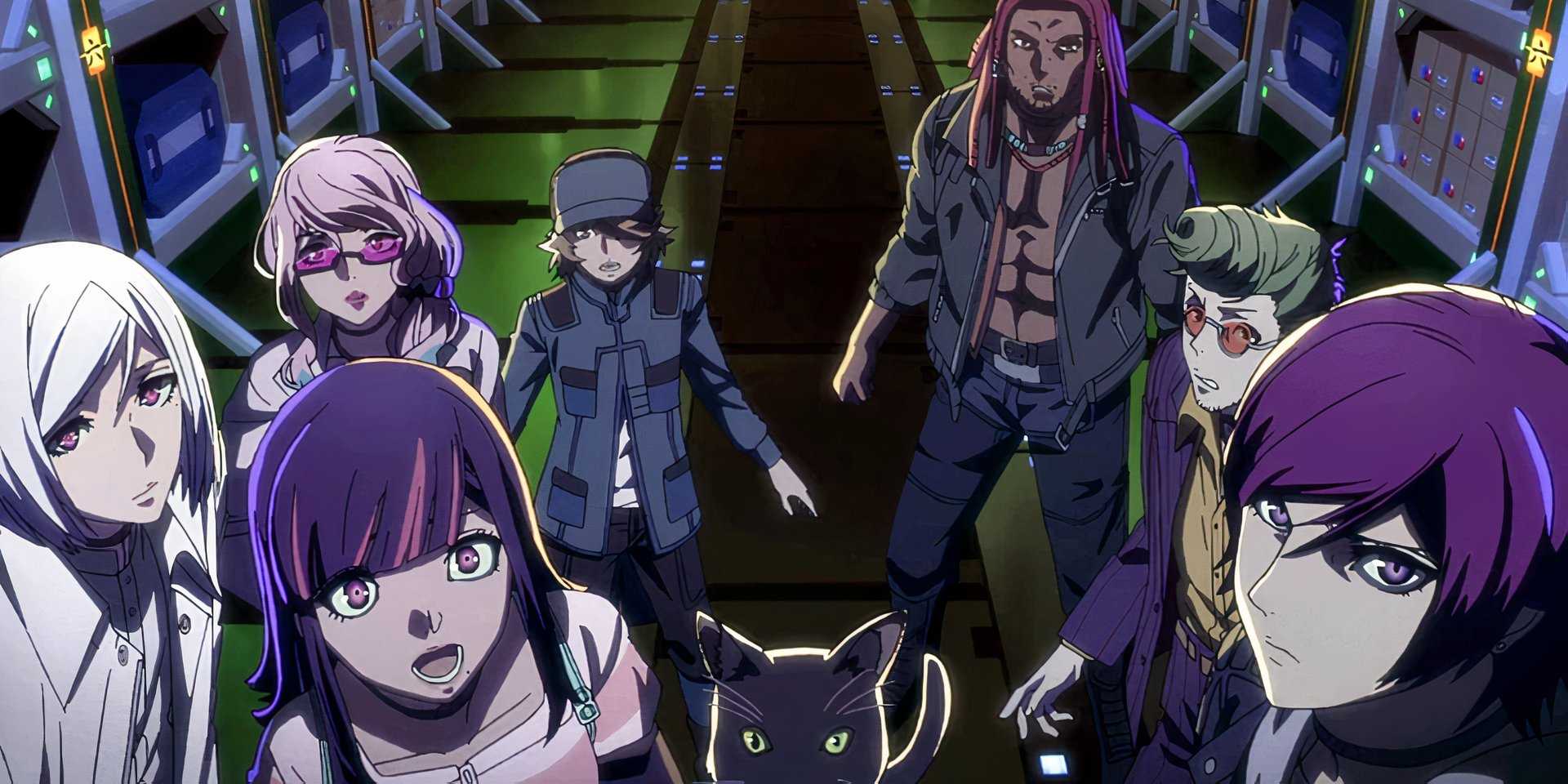 Image via Studio Pierrot
 -
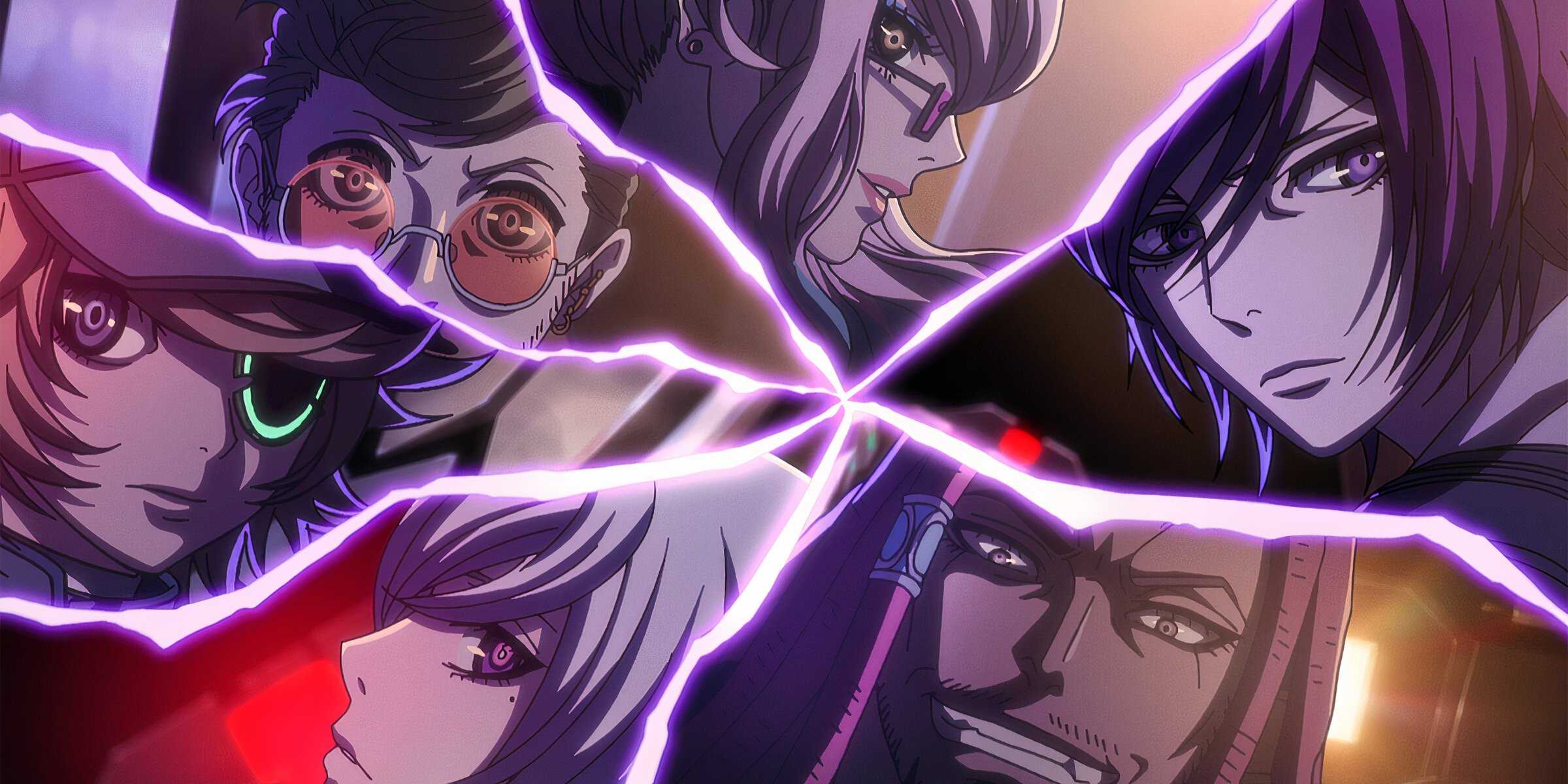 Image via Studio Pierrot
 -
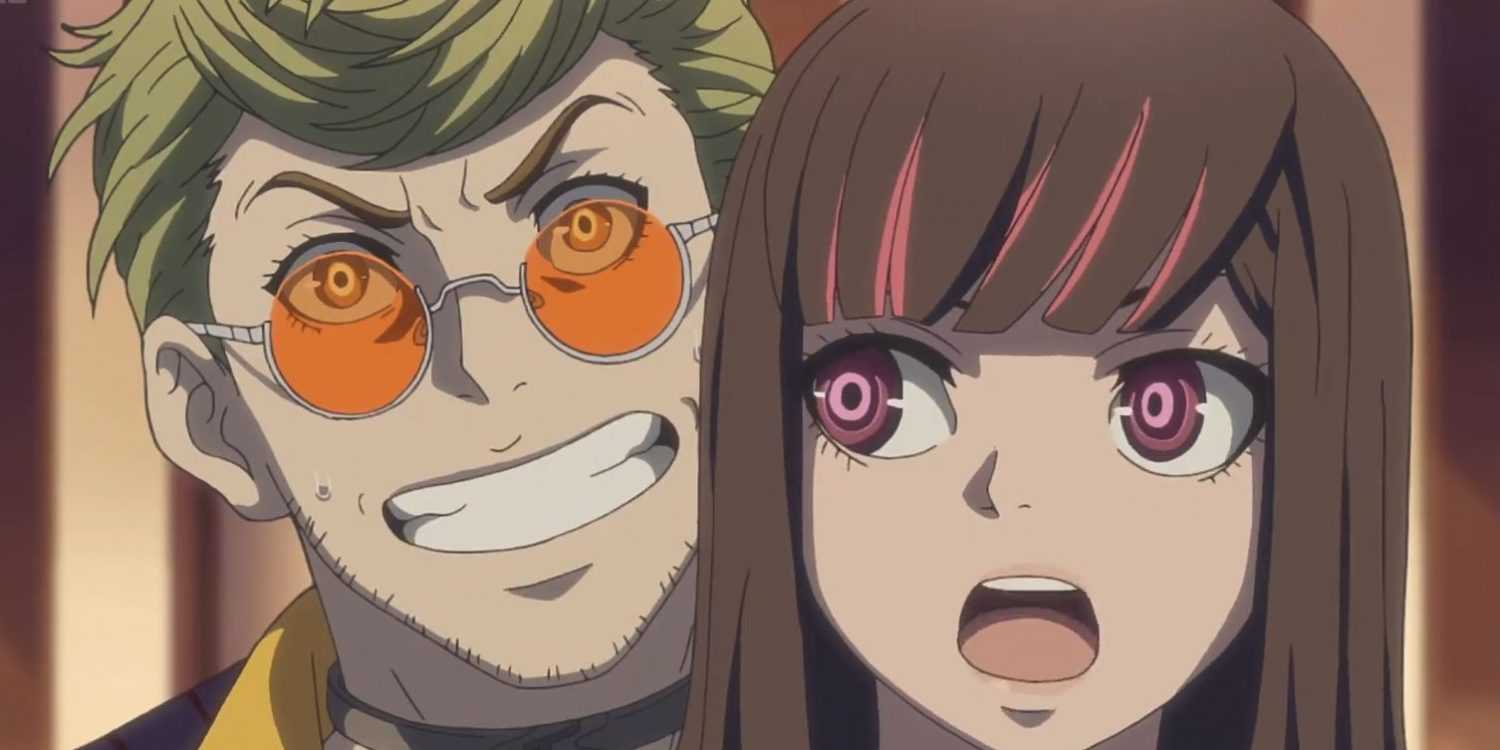 Image via Studio Pierrot
Akudama Drive begins with an ordinary woman who becomes trapped alongside some infamous criminals after a seemingly simple encounter spirals catastrophically out of control. Maintaining a false criminal identity becomes her best chance of surviving among people considerably more dangerous than she is. The crew immediately gives the anime personality.
Courier, Brawler, Hacker, Doctor, Hoodlum and Cutthroat are practically walking criminal archetypes, each defined by an extreme specialty. Akudama Drive embraces the character excess. With only 12 episodes, Akudama Drive has no interest in lingering. The story keeps escalating until the timid civilian from its opening episode feels almost unrecognizable.
Vivy: Fluorite Eye’s Song Covers a Century Without Wasting a Minute

Vivy was created for one purpose: to make people happy with her singing. Then an AI from the future arrives with a warning that artificial intelligence will turn against humanity 100 years later, resulting in a devastating war. Preventing that future requires Vivy to interfere with several crucial moments throughout the coming century.
This structure allows Vivy: Fluorite Eye’s Song to cover an enormous amount of time without running for too long. Years can pass between missions, and each new period consequently feels like another chapter in a much larger history. 13 episodes somehow contain a journey spanning 100 years. Vivy rarely feels like it wasted a minute of them.
Pluto Transforms a Famous Manga Story Into an Exceptional Sci-Fi Thriller

Someone is killing the world’s greatest robots in Pluto, and Gesicht has to discover why. The Europol detective is himself one of the seven most advanced robots in existence, making the investigation increasingly personal as the other potential targets are eliminated. Pluto takes the Astro Boy storyline and transforms it into a mature science-fiction mystery.
The murders provide the immediate hook, but the series is far more interested in the people and machines surrounding those murders. Gesicht’s investigation consequently raises an uncomfortable question: if artificial beings can experience life with this much emotional complexity, how meaningful is the distinction between them and humans? The series refuses easy answers.
Keep Your Hands Off Eizouken! Celebrates the Joy of Creating Anime

In Keep Your Hands Off Eizouken!, Midori Asakusa has a very active imagination. She just needs help bringing those worlds to life. Meeting talented animator Tsubame Mizusaki provides exactly that opportunity. Their intensely practical friend Sayaka Kanamori becomes the producer responsible for making sure their ambitions actually result in a finished work.
Together, they establish the Eizouken. What follows is effectively an anime about why people fall in love with making anime. The anime visualizes their creative process by allowing sketches to become entire imaginary environments. That makes creativity itself feel adventurous. In only 12 episodes, the series captures both the joys and frustrations of creating something with other people.
Odd Taxi Fits an Incredible Mystery Into Just 13 Episodes
-
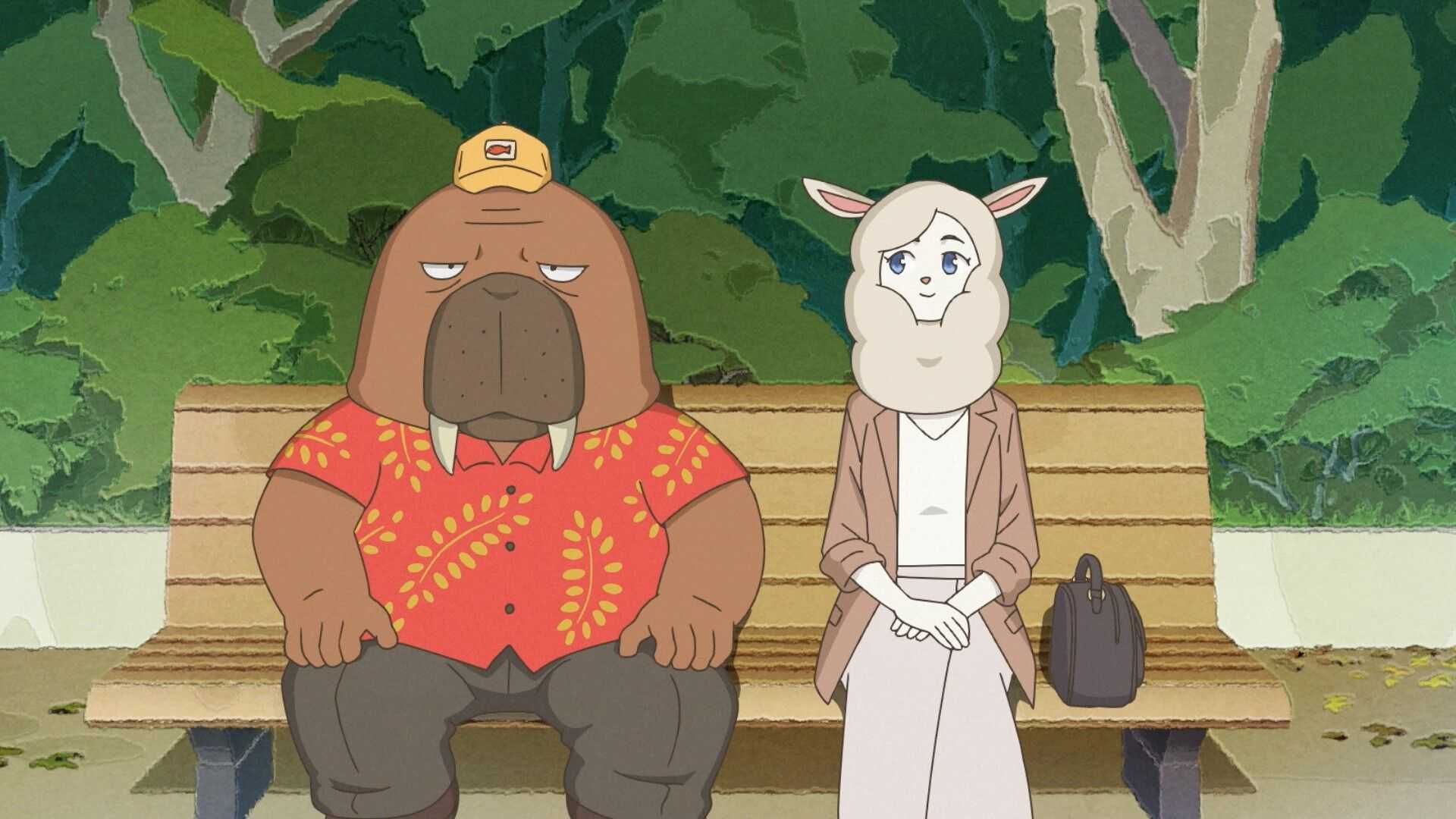 Image via OLM
 -
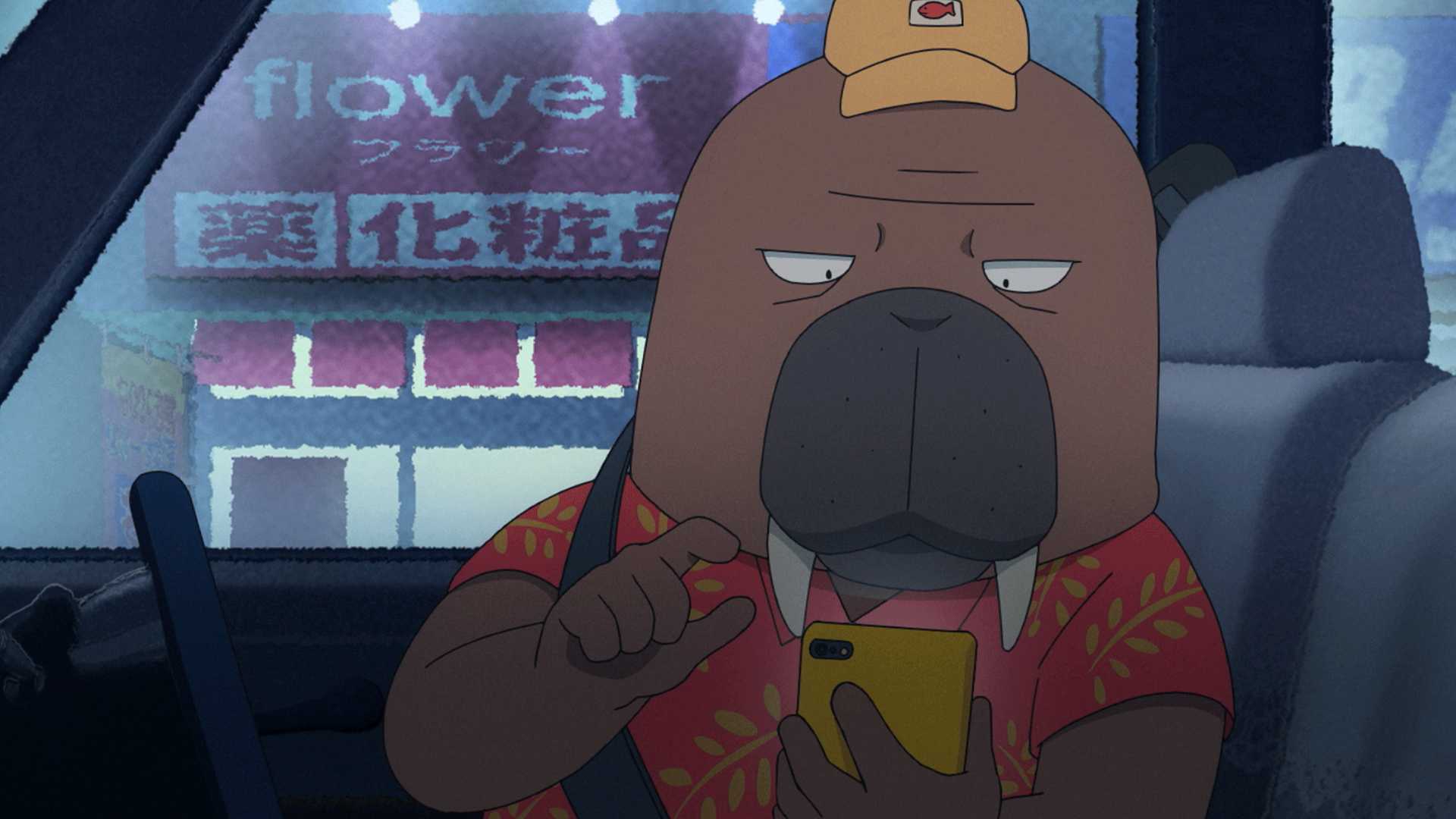 Image via OLM
 -
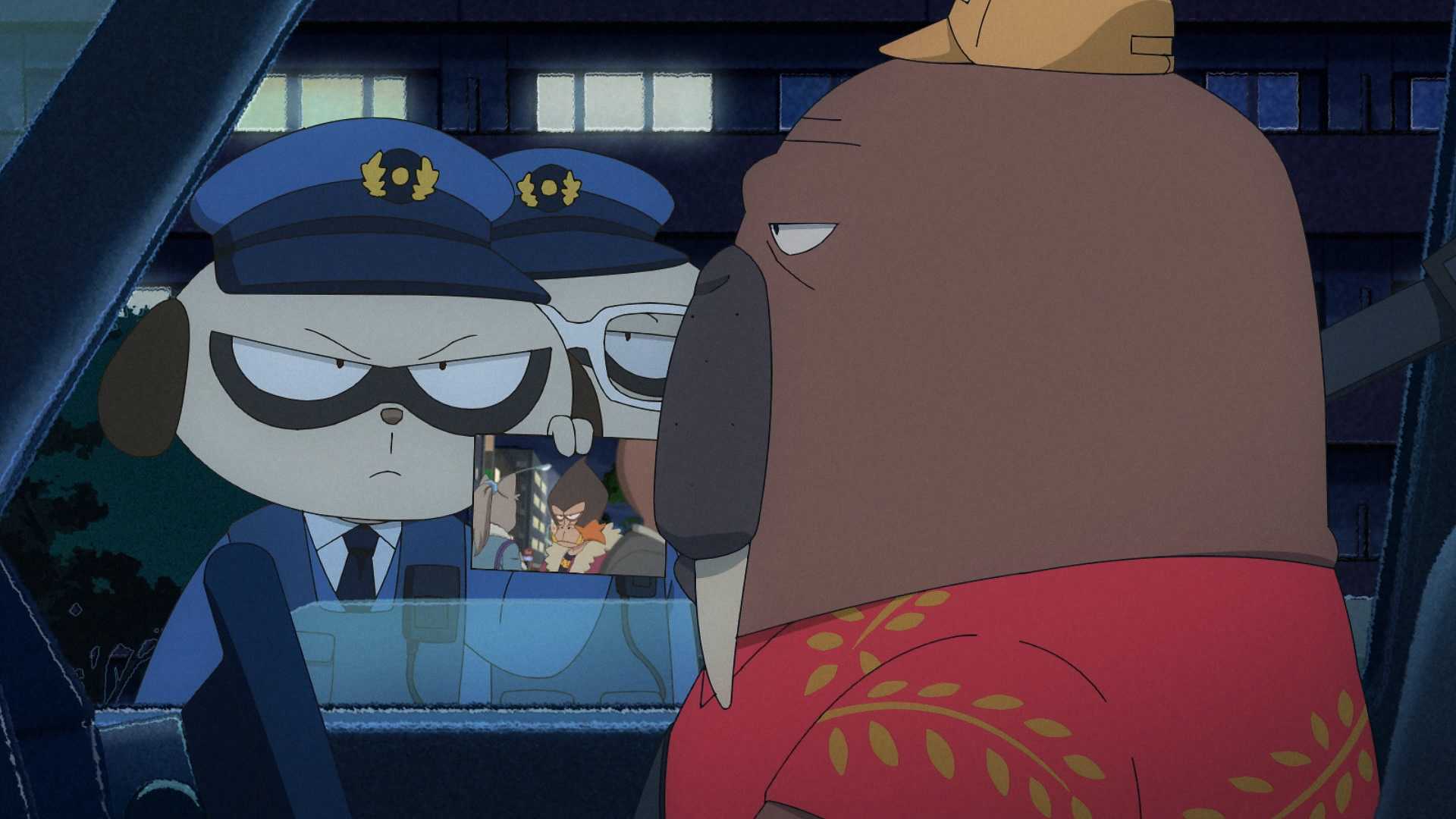 Image via OLM
Hiroshi Odokawa spends most of his time driving strangers around Tokyo. Unfortunately, some of those strangers are connected to a missing girl. That mystery gradually pulls the quiet taxi driver into a web involving criminals, police officers, aspiring celebrities and ordinary people whose problems initially appear completely unrelated. The connections are where Odd Taxi becomes brilliant.
Conversations that seem like comedic distractions can contain information that matters several episodes later. Odd Taxi rarely announces when something is important. It trusts its audience to notice details, and then gradually demonstrates why those details matter. That approach makes its 13 episodes remarkably dense without making the story confusing.
A Place Further Than the Universe Captures the Thrill of Going Somewhere New

A Place Further Than the Universe follows Mari Tamaki, who is terrified that she is wasting her youth. Shirase Kobuchizawa knows she wants to spend hers in Antarctica to search for her mother, and Mari decides to join her. Hinata Miyake and Yuzuki Shiraishi eventually complete the group, turning an almost impossible dream into something that starts to feel achievable.
The series earns its emotional moments through their ordinary experiences, while the friendship gives the anime staying power. Each girl has a different reason for leaving home, and traveling together forces them to confront problems they could previously avoid. Antarctica consequently becomes proof that they actually did something enormous with their lives.
Devilman Crybaby Finds Humanity in the Middle of an Apocalypse

Akira Fudo is compassionate almost to a fault. After merging with the immensely powerful Amon, Akira becomes Devilman and gains the demon’s abilities. His transformation initially gives him the power to fight the creatures emerging around him, but the larger crisis quickly becomes impossible to contain. Devilman Crybaby moves with extraordinary speed.
Demons, paranoia, violence and humanity’s capacity for cruelty increasingly collide until Akira’s personal struggle becomes part of an apocalyptic conflict. Akira’s humanity remains the emotional anchor. His ability to feel for others becomes more important than ever as fear encourages everyone around him to stop doing the same. That creates the cruel contradiction at the center of the story.
Violet Evergarden Explores What Words Can Mean to Other People

Violet Evergarden knows how to follow orders, but understanding emotions is considerably harder. After growing up as a weapon and fighting in a devastating war, Violet enters civilian life carrying both physical and emotional scars. She becomes an Auto Memory Doll, writing letters for people who cannot properly express what they want to say.
The work forces her to listen. Every client introduces Violet to another form of love, grief or longing that military life never taught her how to understand. Those stories gradually transform her as her work gives her the vocabulary she lacks. Violet Evergarden is so effective because its protagonist’s development happens through listening to ordinary human stories.
Cyberpunk: Edgerunners Hits Hard Without Overstaying Its Welcome

David Martinez believes he can handle more than everyone else. Installing a military-grade Sandevistan gives him abilities that most people could never safely use. David’s unusual tolerance for cyberware eventually brings him into Night City’s mercenary underworld. There, he meets Lucy. Her dream of reaching the Moon gives David something beyond survival to care about.
David changes physically and emotionally, and Night City itself becomes a constant reminder that ambition is another product waiting to be sold. David keeps trying to carry the dreams of the people around him. Eventually, the weight becomes impossible to bear. Cyberpunk: Edgerunners’ refusal to stretch its story longer is part of what makes it unforgettable.
Ping Pong the Animation Gives Every Match Something Bigger to Fight For
-
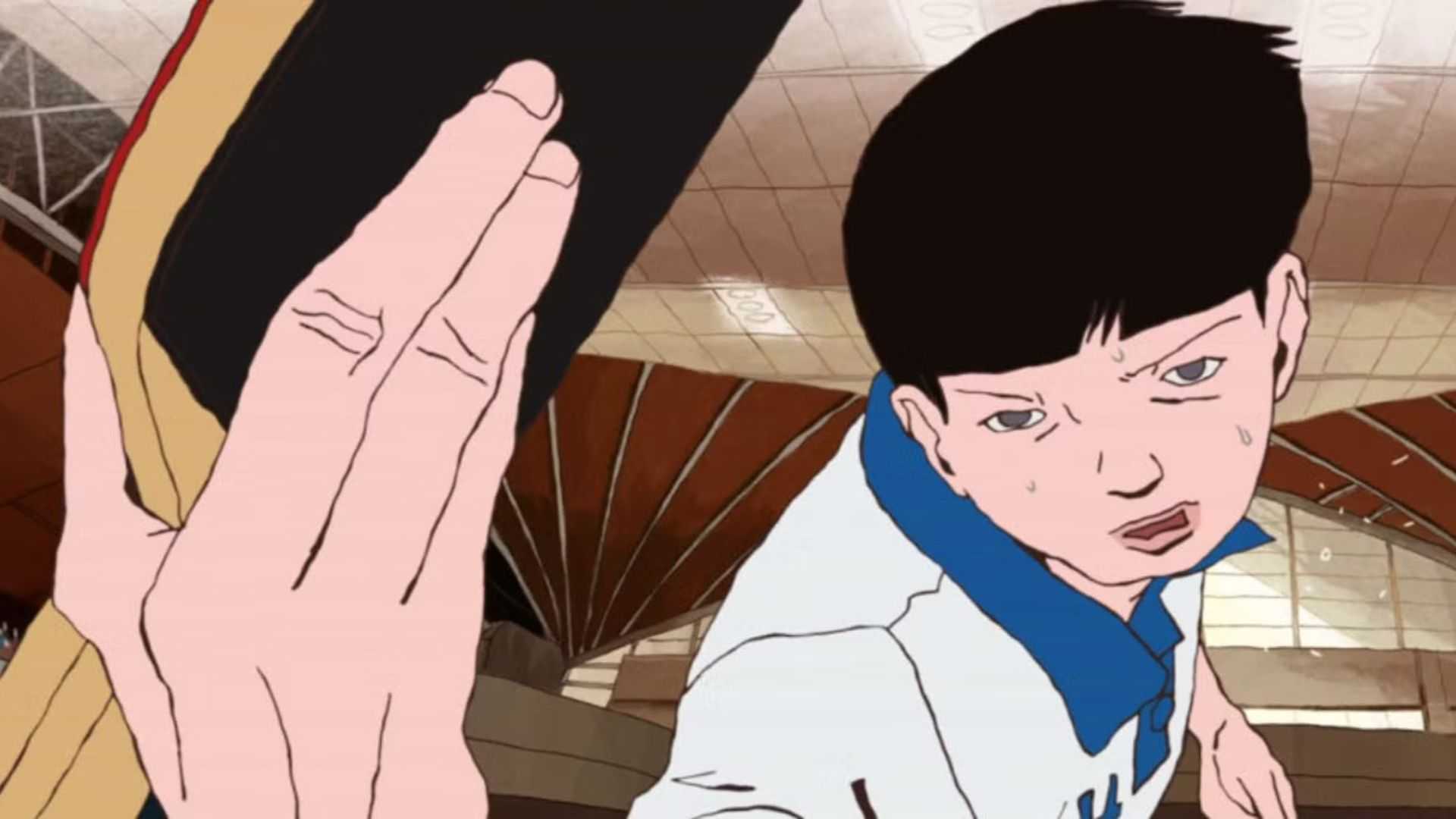 Image via Tatsunoko Production
 -
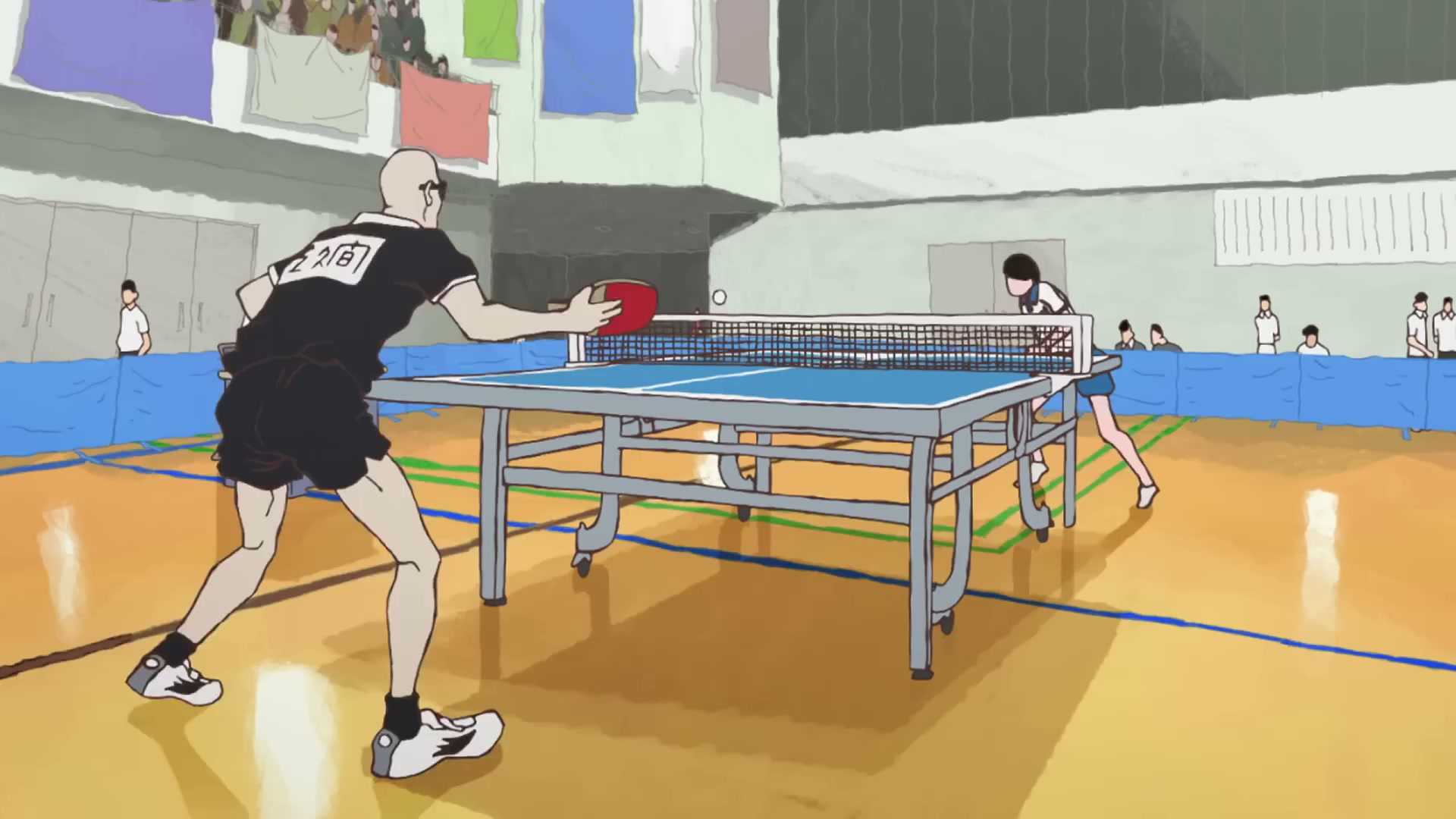 Image via Tatsunoko Production
 -
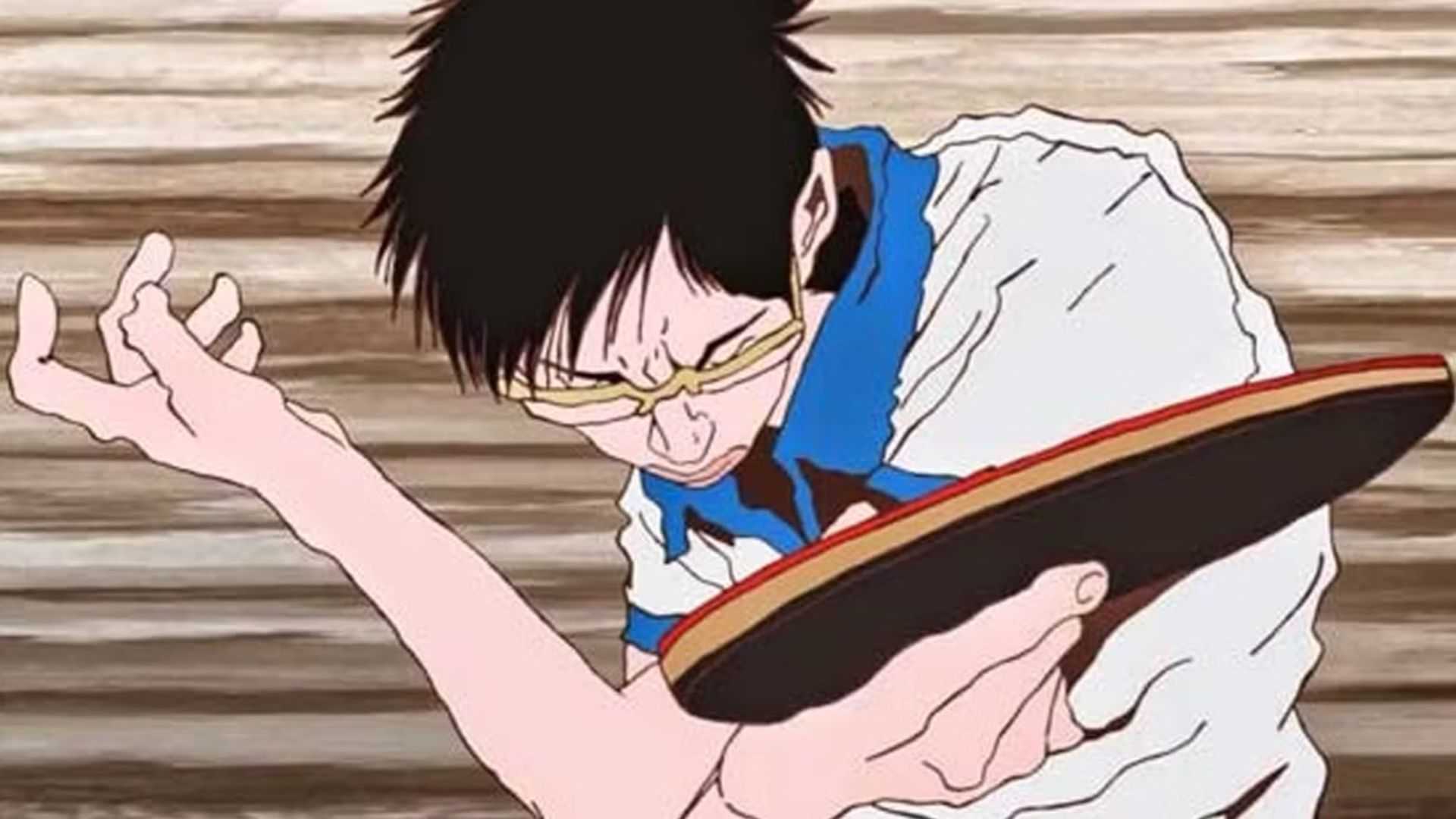 Image via Tatsunoko Production
Smile and Peco approach table tennis completely differently. Peco loves attention and believes he is destined for greatness. Smile possesses extraordinary natural talent, but approaches competition with an emotional detachment that frustrates almost everyone who recognizes his potential. Their friendship is the foundation of Ping Pong the Animation. The players surrounding them make it exceptional.
Everyone wants something different from the same sport. That means victory cannot have one universal meaning. For one player, winning represents validation. For another, table tennis provides friendship or identity. Eleven episodes are enough to develop an entire collection of players without reducing anyone to an obstacle for the protagonists.