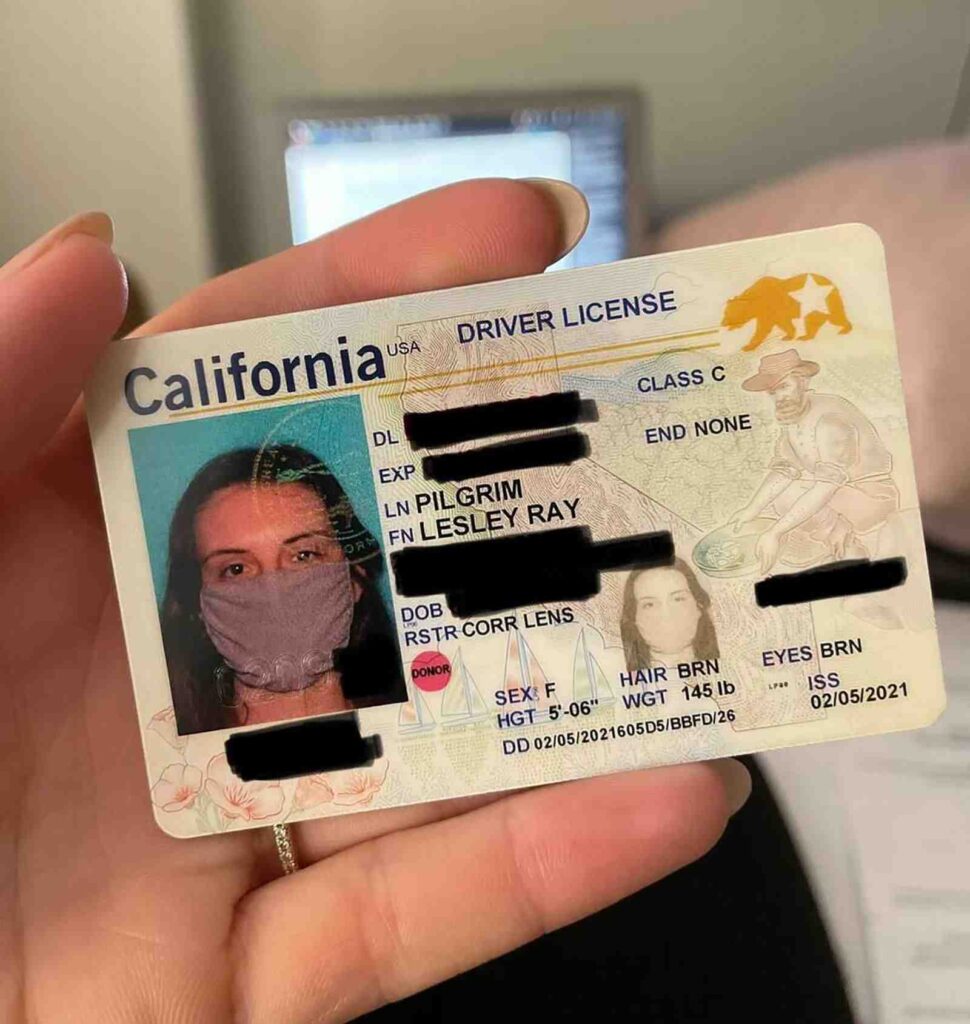

Stolen identities turned Medi-Cal hospice billing into a $267 million cash machine in LA County, with no patients and no care behind any of the claims. California Attorney General Rob Bonta announced the arrests last week after Operation Skip Trace dismantled the largest single scheme of its kind. The case shows how dark-web data, shell companies, and weak licensing rules let a handful of operators loot state and federal funds on an industrial scale.
Dark web data purchase
The ring bought names, Social Security numbers, and birth dates of non-California residents from dark-web sellers. They used the stolen profiles to open Medi-Cal accounts through Covered California portals.
Once the accounts were active, the operators registered fourteen hospice companies with the state using straw owners and fake addresses in Van Nuys, Tarzana, and Glendale. The companies existed only on paper.
With licenses in hand, the network began submitting daily hospice claims under the stolen identities, each one listing a terminal diagnosis that never existed.
Paper patients only
State investigators found no clinical visits, no medication deliveries, and no staff at the listed offices. Every file contained forged nurse notes and fabricated doctor signatures.
The supposed patients lived in other states and had never set foot in California. They learned they had been placed in hospice only after routine credit checks or unrelated medical appointments flagged the enrollment.
Because the claims bypassed actual care, the scheme avoided the overhead that legitimate hospices carry, turning each identity into pure profit.
Laundering the proceeds
Billed amounts moved through roughly one hundred thirty shell companies and several cryptocurrency wallets before surfacing as luxury cars, real estate, and cash stored in safe deposit boxes.
Agents recovered more than seven hundred fifty thousand dollars in currency and two handguns during the April raids. Another thirty million dollars has been clawed back through asset seizures and federal cooperation.
Prosecutors added money-laundering enhancements to the twenty-one defendants, citing the deliberate layering of transactions across multiple jurisdictions.
Scale of the problem
LA County now hosts roughly eighteen hundred hospices, more than many states combined. A 2022 state audit warned that the rapid growth created blind spots that identity thieves quickly exploited.
CBS News analysis this year flagged more than seven hundred of those providers with multiple red flags, including shared addresses and minimal patient volume. The $267 million ring sat inside that larger cluster.
State regulators have revoked over two hundred eighty licenses since the audit, yet the moratorium on new licenses is scheduled to lift in early 2027.
Parallel federal cases
Federal prosecutors ran Operation Never Say Die alongside the state effort, targeting separate Southern California hospices that recruited living patients or billed deceased ones. Those cases added another fifty million dollars in intended losses.
One victim, Dr. Lynn Ianni, testified that her Medicare number appeared on hospice claims while she was still working full time. She discovered the fraud only when seeking treatment for a sports injury.
The contrast shows two distinct fraud models: one that fabricates patients entirely and another that misuses real patient data.
Regulatory gaps
The 2021 state audit documented a fifteen-hundred-percent increase in hospice licenses since 2010 and noted that stolen medical-license data was already being used to register new agencies. Regulators took limited action at the time.
Current oversight still relies heavily on self-reported ownership documents and spot audits rather than real-time claims verification. That lag gave the Skip Trace ring nearly three years of uninterrupted billing.
Congressional letters to Governor Newsom this spring cited the same gaps, asking why earlier warnings produced so little systemic change.
Taxpayer cost
Medi-Cal draws from both state general funds and federal matching dollars, so every fraudulent claim hits two ledgers. CMS estimates place total hospice fraud in Los Angeles at roughly three point five billion dollars.
Recovery efforts now include joint state-federal task forces and expanded data analytics aimed at spotting duplicate identities before claims are paid. Those tools were not in place when the ring began operating.
Without sustained funding for verification systems, analysts warn that the same playbook could reappear once the current moratorium ends.
Enforcement momentum
Five suspects remain in custody after the April raids; the rest are expected to surrender or face extradition. Bail hearings have highlighted the risk of flight given the overseas accounts already traced.
Asset forfeiture proceedings continue on properties tied to the shell companies, with additional cryptocurrency wallets under federal subpoena. Prosecutors say more arrests are likely as the financial trail widens.
LA County Fraud remains the shorthand in Sacramento for any case that pairs stolen identities with health-care billing, a reminder that the problem did not end with this single ring.
Next oversight steps
State legislators have scheduled hearings for late summer on tightening licensing rules and requiring proof of actual service delivery before payment. Federal partners are pushing for cross-state data sharing on Medicare and Medi-Cal enrollments.
Until those changes take effect, the $267 million case stands as the clearest proof that identity theft has become the entry ticket for large-scale hospice fraud in California.