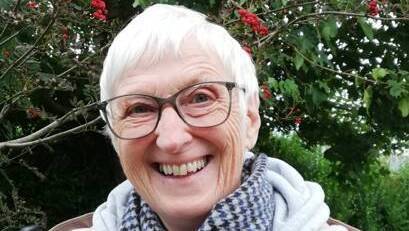

Felicity Hayes-McCoy is the bestselling author of the ‘Finfarran’ series and lives between London and the Dingle peninsula.
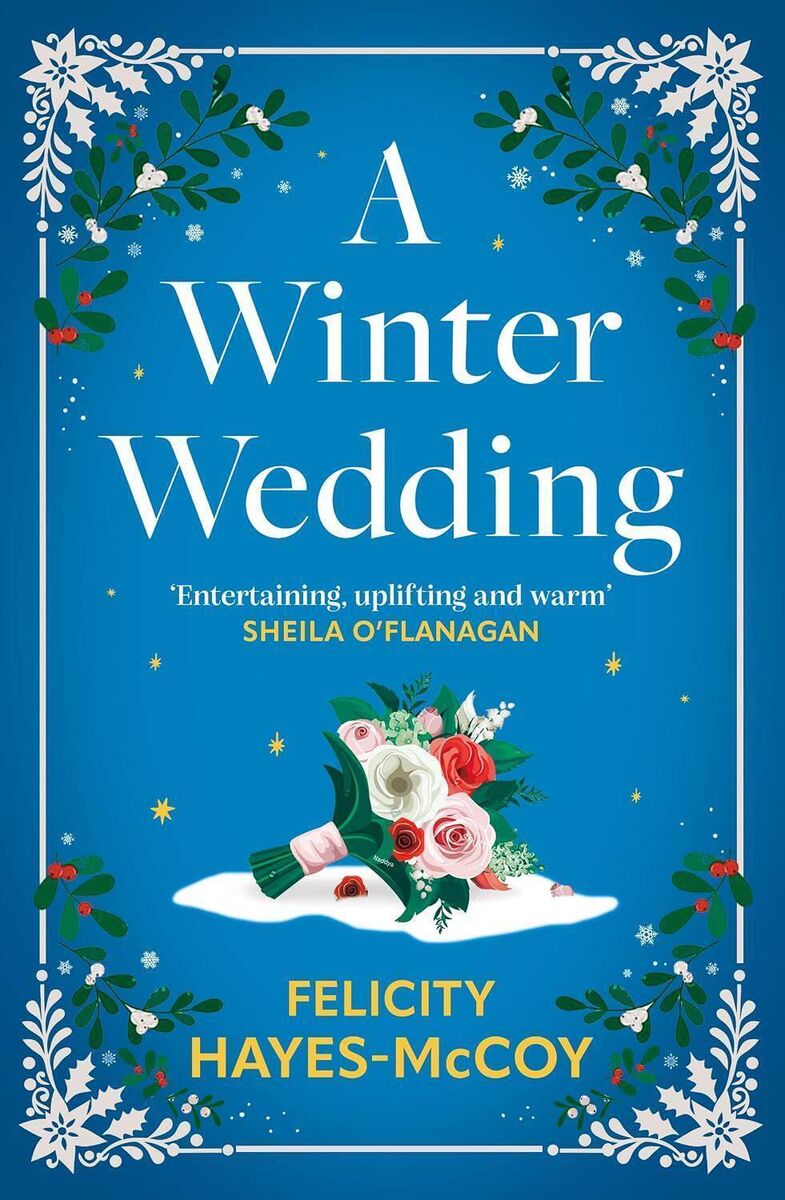
Her latest book , published by Hachette Ireland, is out now.
, Lucy Lethbridge’s chatty, deeply-researched history of the growth of British tourism from the 19th century to the present day.
It’s an elegant demonstration of how holiday-makers’ dreams, mistakes, and assumptions have hardly changed in almost 200 years.
Flora Thompson’s , or , a collection of pieces from Flann O’Brien’s ‘Cruiskeen Lawn’ column, written as Myles na Gopaleen.
The first is gentle, soothing, and fascinating. The second is laugh-out-loud hilarious.
I don’t think there’s ever been one.
I remember the shock of realising that folktales I’d heard from my granny were also written down in books.
It was the start of a lifelong interest in how different media require different storytelling techniques.
Claire Tomalin’s biography of Samuel Pepys, , delights me.
Not just a biography, it’s a sensitive exploration of the inner life that’s revealed in the diaries Pepys longed to share but felt he had to conceal.
And Eoghan Daltun’s books on his rewilding work on the Beara Peninsula are heartening, informative and beautiful.
I have to admit to an occasional pang of sadness when I read a book and know I’ll never match its author’s technical skill.
Looking at you, Samuel Beckett, Doireann Ní Ghríofa, Sinéad Gleeson, Marian Keyes, Paul Howard.
I thought I was fairly clued-up politically until I read , the 2019 memoir by data scientist and whistleblower Christopher Wylie.
, Yevgenia Ginzburg’s memoir of her imprisonment during Stalin’s Terror.
It contains a description of a month-long train journey to Siberia during which, to her amazement, the harsh conditions dredged up a verbatim mental recall of books she’d read as a student.
Reciting them aloud to the other women with whom she was locked in a freight-car reasserted their collective sense of human dignity, and even changed the behaviour of some of their guards.
Books are written because authors need to write them whether the world thinks it needs them or not.
Whatever happens to come to hand and takes their fancy. Especially books that aren’t presented to them by algorithms.
It’s often the case that adaptations that work when a film is made will look terribly wrong within a decade.
I think (based on by Claire Keegan) was pretty flawless, and is more than likely to stand the test of time.
Since I began writing novels, I’ve visited bookshops in villages, towns and cities all over Ireland.
They’re safe, inclusive spaces, often run by tireless people for whom offering recommendations, book club venues, and even tea and a chat are just part of the job.
Many also do online sales from their own websites. If those of us whose health and circumstances allow don’t get out there and use them, we’ll lose powerful, vibrant community hubs.
It doesn’t matter. My superpower is being able to find any book I own within minutes.
Too much tea.
If only allowed one, I’d say Mary Makebelieve’s fiercely-loving, resentful mother in James Stephens’ , who had “sharp, quick hands, seeming all knuckle when she closed them and all fingers when they were opened again”.