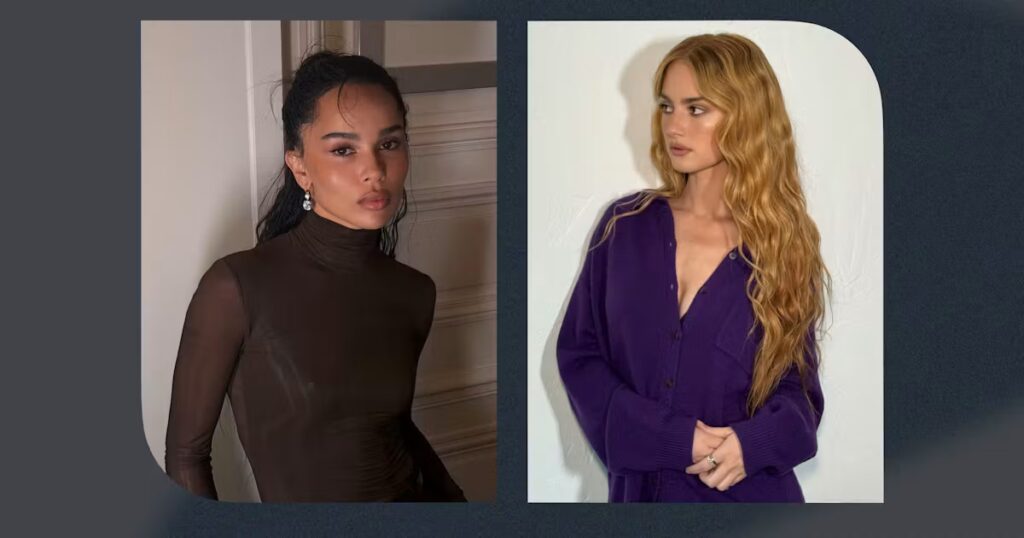

Newton once said that for every action, there’s an equal and opposite reaction. Surely, he wasn’t talking about blush — and yet, here we are.
“We’ve had several seasons of very bright, very noticeable blush,” says Tim Quinn, a celebrity makeup artist and co-founder of Halo42 Skincare. “Now I think we’re craving something quieter.”
Enter: “anti-blush,” the TikTok trend that’s already made its way onto NYFW runways. But blush lovers, rest assured: it doesn’t mean people are skipping cheek color entirely. They’re simply “turning the saturation down,” according to celebrity makeup artist Christian Briceno. Think muted browns and beiges that almost look like “blontour,” as one TikTok user described it — essentially, a blur between blush and bronzer.
Ahead, everything to know about the anti-blush trend that might just convince you to think beyond red and pink.
What Is “Anti-Blush”?
Anti-blush isn’t really the absence of blush — it’s blush that doesn’t immediately announce itself as blush. “It’s less about looking overly flushed or cute and more about looking chic and pulled together,” says Quinn. “The goal isn’t to drain the face of color — it’s to add color in a more subtle, sculptural way.”
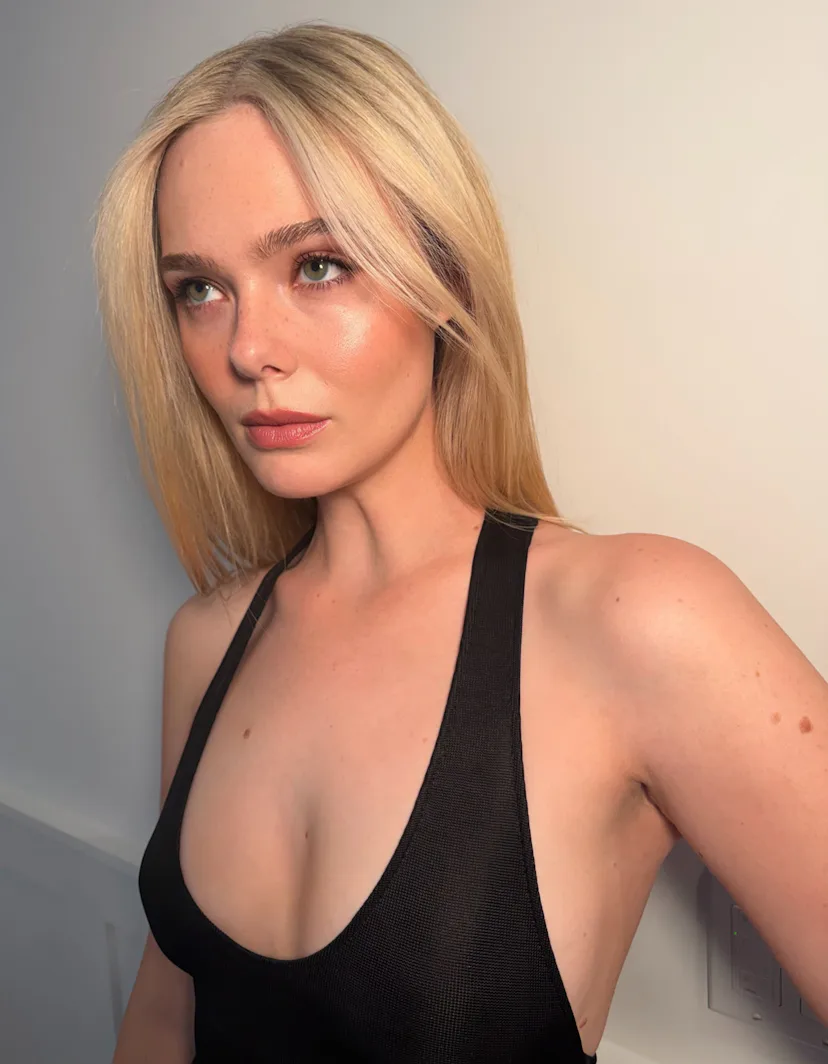
In other words, this isn’t the moment for your brightest shades. Instead, the color palette leans into earthy tones: dusty rose, muted mauve, terracotta-brown, caramel, and cocoa. “I usually like some trace of rose, mauve, red, berry, or peach inside the brown,” says Briceno. “That small amount of color keeps the cheek connected to your complexion’s natural tones.”
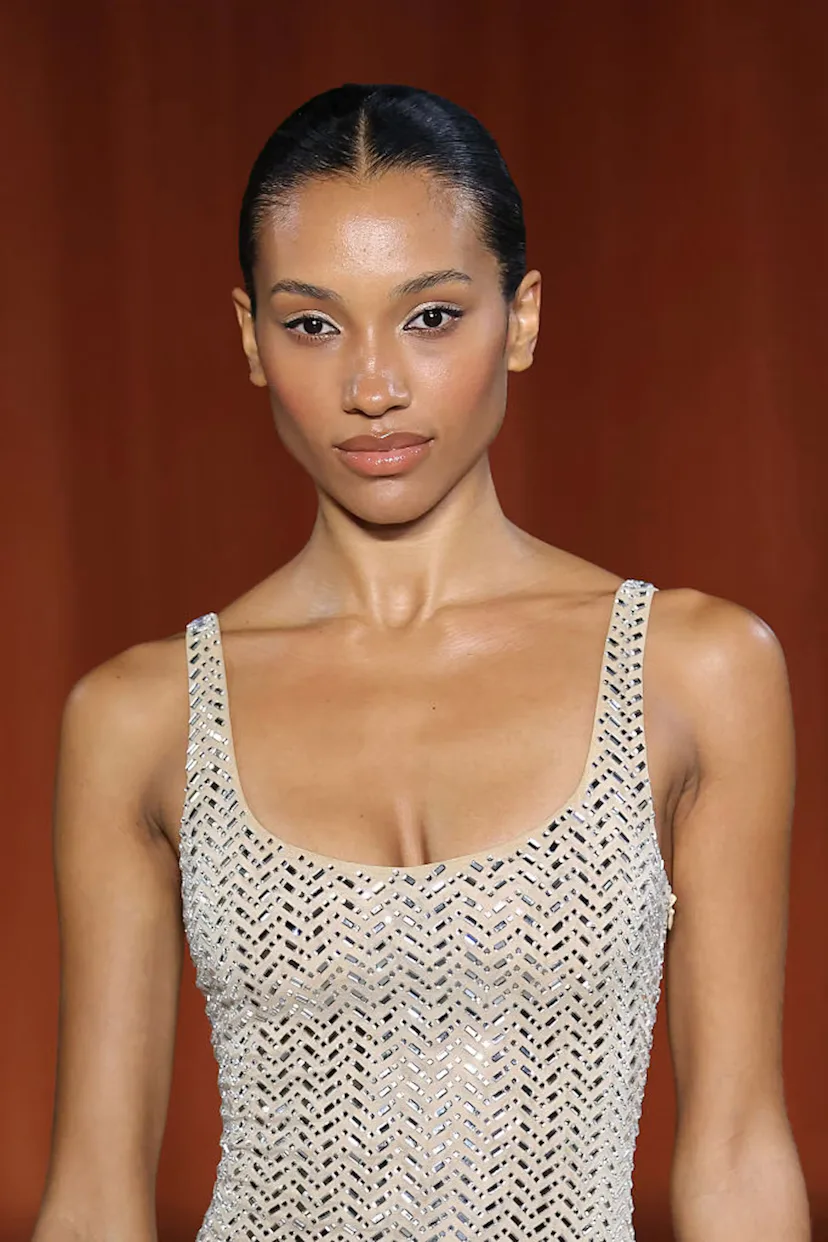
With those grungier neutrals, Quinn says anti-blush also taps into the current ’90s makeup obsession. “The brown lips, taupe eyes, and softly sculpted cheeks all have that ’90s feeling,” he says. The main difference? “Today’s formulas are much more transparent and luminous.” Instead of looking chalky, the color melts into the skin, allowing a little texture and glow to come through.
How To Try The Trend
To find your perfect anti-blush shade, Briceno recommends first looking at your complexion as a whole — the “depth, undertone, and how much pink, red, or warmth is naturally present.”
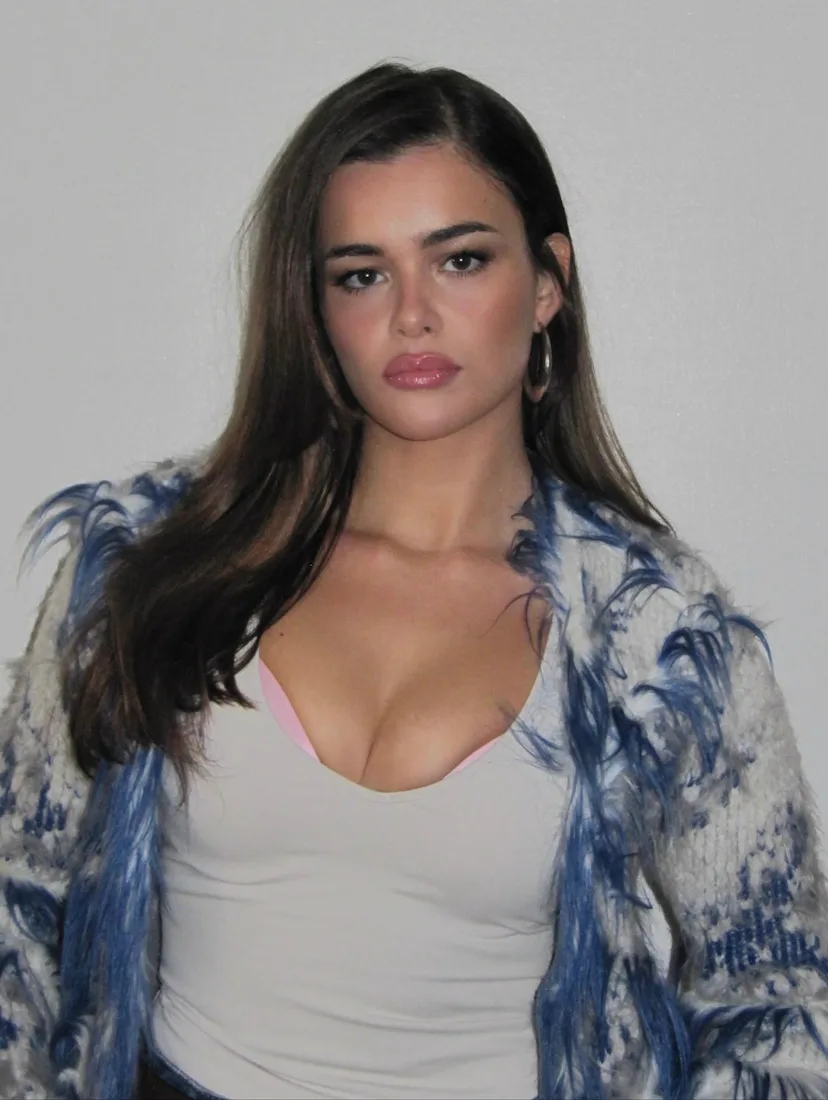
For fair skin, that might mean a beige with rosy or peach undertones; medium complexions can experiment with richer terracotta and caramel shades; and deeper skin tones can reach for brick and plum-brown. The key is choosing a shade that still has enough warmth or rosiness to look like part of your complexion, rather than sitting on top of it.
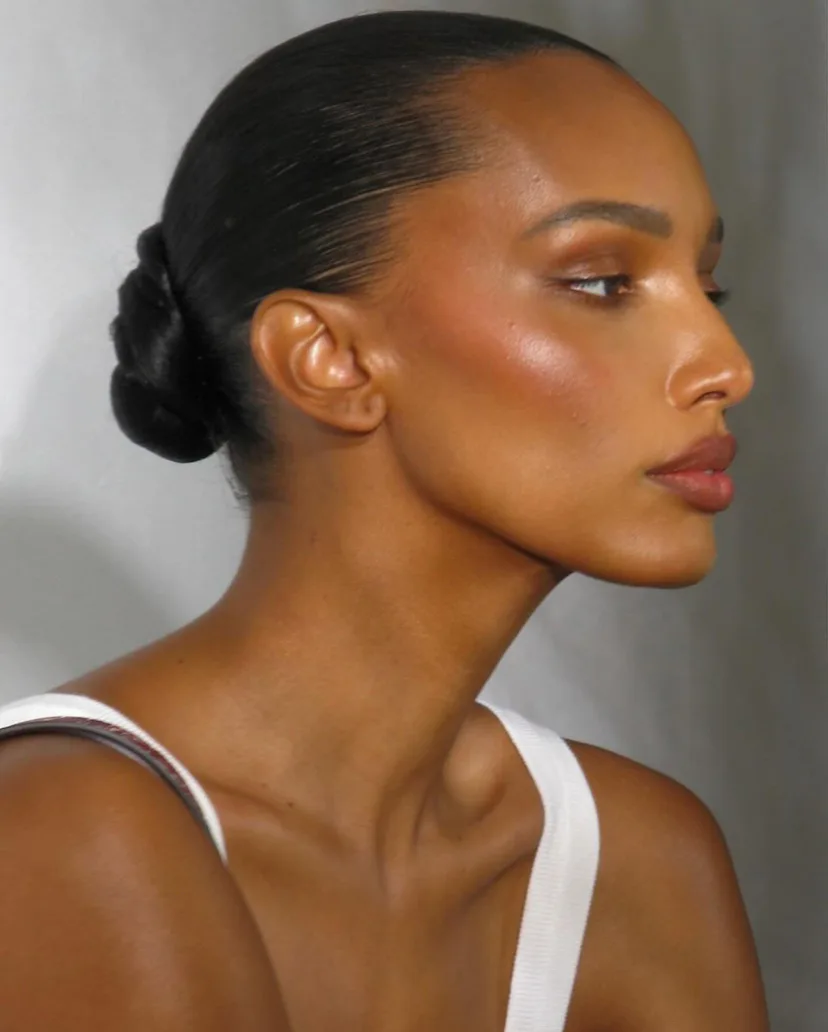
If you (understandably) don’t want to buy a new blush, though, you can absolutely play around with what you already have. “I mix bronzer and blush all the time,” says Briceno. “When blush starts feeling too bright, a little bronzer can pull it back.” Wearing bronzer on its own works, too, Quinn adds — “if the undertone is right.” The sweet spot is one that’s slightly rosy instead of too orange or golden.
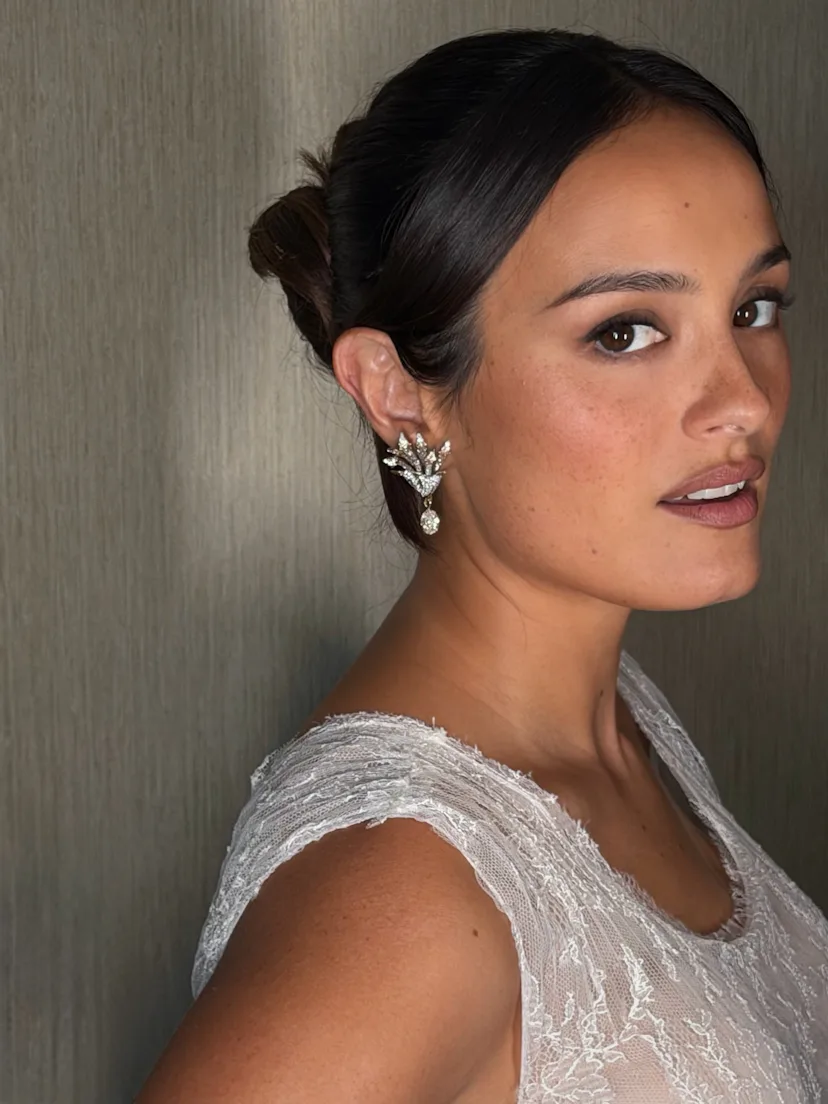
From there, the rest of the look comes down to placement. Keep the color sitting high on the cheek, so it doesn’t look like “a shadow or even a bruise,” Quinn says. He recommends starting on the upper cheekbone and blending outward toward the temple, using whatever is left on the brush to soften any harsh lines. “That gives you lift and creates this lovely, soft structure.”
Pair it with a brown lip and taupe eye to really lean into the ’90s of it all — or simply use it to give your everyday makeup a toastier feel. Either way, there’s nothing anti-blush about being very pro-this trend.
Shop The “Anti-Blush” Trend