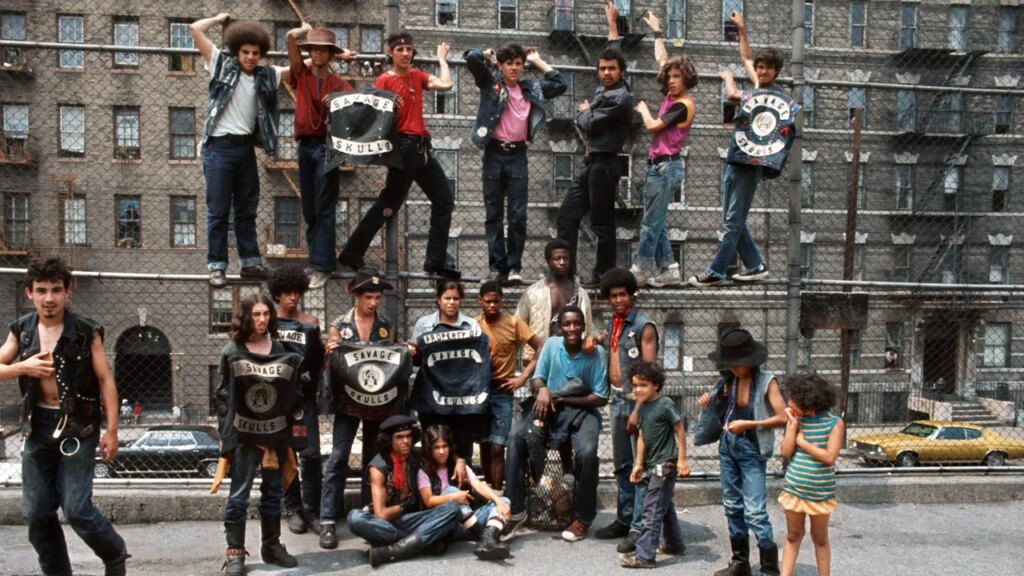

For more than fifty years, Jean-Pierre Laffont supplied the French and worldwide print media, through the Gamma and Sygma agencies, with images of the United States. He and his wife and partner, Eliane Laffont, have lived in New York City since the 1960s. As a French-speaking immigrant child who has ended up living most of her life since the 1960s in the orbit of New York City, I am naturally interested in the image that people overseas have of Americans. Back in the time of magazines I’d occasionally see copies of Paris-Match or Le Soir Illustré (Brussels), but for the most part the photographic narrative that I was exposed to was supplied by Time, Inc. I knew that the upbeat tale of progress and innovation, equality and justice purveyed by American news outlets would not fly in other countries, in part because so much of it was not true. And by the same token, I was aware that foreign news outlets were covering matters that the American press routinely chose to bury.
A great many of these matters appear in Laffont’s collection Rebels With a Cause. It is especially fitting for a French photographer working for largely French outlets—Paris, capital of revolution—to take dissent as his theme. Laffont is ecumenical in his pursuit of rebellion, with a remit that takes in not only antiwar protests and civil rights demonstrations, but also the Warlock Shop, the Village People, the Savage Skulls, the followers of Bhagwan Shree Rajneesh, and the Sisters of Perpetual Indulgence. That does not mean that he is not serious. It all begins with humans and their commitment. Many of the fights being waged here are still being waged today. Sometimes they attract only a handful of self-selected followers; sometimes they swell into massive crowds, as we have recently seen again in America. Laffont is unafraid of crowds. He loves their motley textures as much as he loves the baby looking at him over a sea of raised fists.

‘Rebels With a Cause’ by Jean-Pierre Laffont
Laffont reminds American viewers of things they’ve forgotten or maybe never knew. Do you recall that Vietnam Veterans Against the War occupied the Statue of Liberty for three days in 1971? Did you hear about the Powder Ridge Rock Festival in 1970, held at a ski resort in Connecticut, that was stopped by legal injunction before it could start, but 30,000 hippies arrived anyway, and may have set a world record for the total number of bad trips? The average American told about the Savage Skulls will inevitably imagine a Southern California biker gang, not a tender (if armed) crew of early adolescents who ride the subway, not motorcycles, vow to fight drug dealers, strike defiant poses, and make out with one another in their half-ruined South Bronx neighborhood.
Laffont gives much more space to the early LGBTQ movement in just these few pages than the mainstream American press in aggregate gave it at the time when it was happening. We see innocent-looking hippieish gay boys passing out flowers, watch a pair of “longest smooch” contestants both give photographers the finger as they osculate, and, most surprisingly, immerse ourselves in the life of a transgender “house” on the Upper West Side, something that would never have been covered in American media outside of maybe the underground press. Laffont specializes in immersion into closed societies, and even in these edited selections you can sense the power of his photo essays: The Savage Skulls; the Lady Bodybuilders’ circuit; the Bhagwanites in Antelope, Oregon; the Wiccan practitioners of the Warlock Shop in Brooklyn.