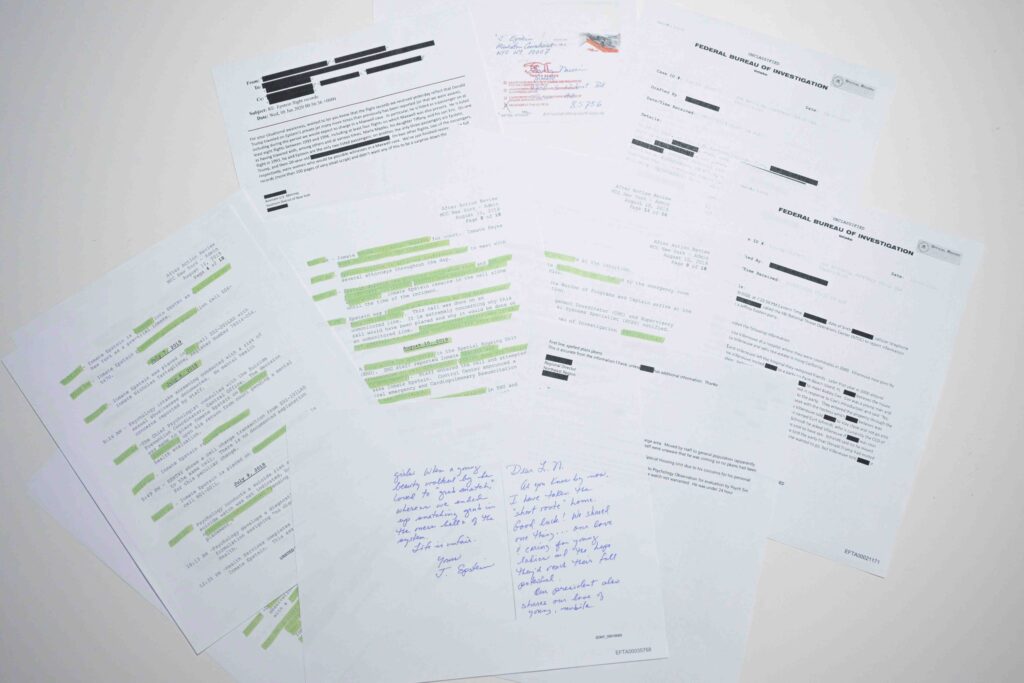

The Epstein emails keep surfacing in new tranches, and the questions they raise are still sharper than the answers they deliver. House Oversight dropped roughly twenty thousand pages last November, the Department of Justice followed with three million more plus photographs and video in the first months of 2026, and yet the core mystery persists: who exactly knew what, when, and why certain names and messages remain partially redacted or missing altogether. Readers searching for Epstein emails now want to know what changed in the latest releases and what the next moves look like.
Scale of the releases
The Epstein Files Transparency Act forced the government to release material that had sat under seal for years. The November batch from House Oversight centered on estate emails, while the January and February tranches from the DOJ added images and video that had never been public. Combined, the material dwarfs earlier court disclosures in both volume and detail.
Still, officials issued a memo stating they found no client list or clear blackmail evidence. That conclusion has done little to quiet skepticism. Lawmakers and victims’ advocates argue the releases contain too many gaps to settle the record.
Search traffic for Epstein emails spiked after each new batch, showing the public appetite for primary documents over filtered summaries. The sheer amount of material also created practical problems for reporters trying to verify every reference in real time.
Trump references surface
Emails from Epstein to Ghislaine Maxwell and others claim Trump knew about underage girls and that Epstein believed he held damaging information on the future president. The messages span the years after Epstein’s 2008 plea deal, when many assumed his influence had collapsed.
Trump’s White House dismissed the references as politically motivated leaks. No new criminal charges have been filed against the former president or anyone else tied to these particular exchanges, though congressional investigators continue to review the context.
The exchanges have revived old Palm Beach narratives without producing fresh evidence. They also highlight how Epstein tried to remain relevant long after his conviction by trading on names he once socialized with openly.
Musk and the island invite
Correspondence from 2012 and 2013 shows Elon Musk asking about “the wildest party on your island” before logistics apparently got in the way. Musk later stated publicly that he never visited and described Epstein as a creep who kept pressing the invitation.
The messages stand out because they show an overture that did not become a sustained relationship. Unlike other names that appear across multiple years, Musk’s contact looks like a single aborted thread.
After the release, Musk posted on X that prosecutions matter more than document dumps. The comment reflected broader frustration that the releases have produced headlines but few new legal consequences for living figures.
Prince Andrew’s palace plans
Emails from 2010 refer to Andrew as “The Duke” and discuss private dinners at Buckingham Palace after Epstein’s conviction. The tone suggests continued access rather than distance, which contradicts some of the Duke’s earlier public statements about limited contact.
UK media picked up the references quickly, prompting renewed scrutiny of royal communications and the ambassador role Andrew once held. The palace has offered no fresh comment beyond previously issued denials.
These messages illustrate how Epstein leveraged titles and venues even while registered as a sex offender. They also feed into ongoing questions about whether institutions shielded high-profile associates from accountability.
Bannon and political overlap
Texts and emails between Epstein and Steve Bannon in 2018 and 2019 discuss politics, reputation management, and possible plane use. The exchanges occurred while Bannon was a central figure in Trump-world media strategy.
The timing raised eyebrows because Epstein was already a convicted felon whose legal troubles were well known. Bannon has not commented publicly on the specific messages released so far.
Investigators have not linked the conversations to any criminal conduct, yet the pattern shows Epstein still seeking proximity to power long after most people assumed he had been cut off.
Other names and regrets
Economist Larry Summers appears in sarcastic personal exchanges. Hollywood executive Casey Wasserman emailed Maxwell in 2003 and later issued a public apology expressing regret over the contact. Financier Leon Black faces subpoenas and contempt proceedings tied to his own Epstein dealings.
Bill Gates is referenced in connection with attempts to leverage personal information, though the released material does not detail any new allegations. Each name adds texture to the network Epstein maintained after his conviction.
The variety of correspondents undercuts any single narrative of one industry or political circle. It also makes the absence of certain other prominent figures more noticeable to readers scanning the lists.
Redactions and missing pieces
Court orders have forced additional releases, but some material remains under seal or heavily redacted for privacy and privilege reasons. Victims’ groups argue that NDAs signed years ago still shield information that should be public.
House Oversight continues to issue subpoenas, and legislation aimed at reforming victim agreements is under discussion. DOJ officials maintain they have released everything required by the Transparency Act, while critics point to duplicates and incomplete chains as evidence of selective disclosure.
Public archives now host searchable databases of the released emails, allowing independent researchers to cross-reference names and dates. That transparency has not yet translated into new prosecutions or a comprehensive accounting.
Political framing and next steps
Both parties have used the releases to score points. Democrats emphasize elite impunity, while Republicans highlight what they call selective leaks aimed at Trump. The result is a partisan loop that often overshadows the underlying documents.
Survivors and their attorneys continue to push for full disclosure and financial accountability from Epstein’s estate. Some are also challenging the validity of older NDAs in court.
Without a central investigative body empowered to tie the emails to specific crimes, the releases function more as an archive than a roadmap to accountability. That distinction matters for anyone expecting prosecutions to follow the document dumps.
Where the story heads
The Epstein emails have shifted from sealed evidence to public record, yet the absence of a definitive client list or blackmail proof leaves the largest questions open. Future court rulings on redactions and victim NDAs will determine whether more material surfaces or whether the current batches become the final word. For now, the mystery rests less on what the emails contain than on what still sits behind remaining seals and what institutions choose to do with the information already public.