
The creative freedom given to directors and screenwriters tackling the science-fiction genre has produced some of the best climaxes in film history. This is evident in modern classics such as The Vast of Night (2019), Arrival (2016), Annihilation (2018), Nope (2022), and Foe (2023), among others. But the genre’s ability to use speculative, hard, or fantastical science to land an ending is nothing new. Here, I wanted to look at the classics.
A perfect ending means the film commits to the idea it sets up rather than relying on a last-minute twist. (I’m looking at you, M. Night Shyamalan.) To define the classic era, I set a window from the 1960s through the first half of the 2000s (20 years or older). These endings also need to leave a lasting impact, one that isn’t reliant on setting up a sequel. Consider this your spoiler warning up front, since walking through how these films end is the entire point of the list.
‘The Fly’ (1986)
Mercy Finally Comes to the Brundlefly

The Fly is the rare remake that eclipsed the 1958 original, turning a campy B-movie premise into the defining work of body horror and the film that made Jeff Goldblum a star. Scientist Seth Brundle (Goldblum) builds a teleportation device and tests it on himself, unaware that a fly has slipped into the pod. He comes out fused with the insect at a genetic level, deteriorating in front of journalist Veronica Quaife (Geena Davis) as the fly slowly takes over.
In the climax, the amalgamation of the two, “Brundlefly,” tries to force himself into a telepod with Ronnie and their unborn child to splice all three together in a horrific sequence of desperation. Ronnie escapes and wrecks the machine, leaving Seth fused with wreckage, barely a person anymore. He crawls toward her and presses the barrel of her shotgun to his own head, and she pulls the trigger.
This comes across as a mercy killing, and it lands as a tragic, sensible, and visually shocking conclusion. Critics were split on the gore at the time, but Roger Ebert singled out Goldblum’s performance as award-worthy. The film is certainly the first one I think of when discussing Goldblum’s work, because the humanity and bravado he brings to the role are integral to making that final moment land.
‘Planet of the Apes’ (1968)
The Statue of Liberty Twist That Shocked Viewers
-
Charlton Heston imprisoned in Planet of the Apes 1968 20th Century Fox -
The organgutan council in Planet of the Apes 20th Century Studios -
Linda Harrison as Nova reaching through bars in Planet of the Apes 20th Century Studios
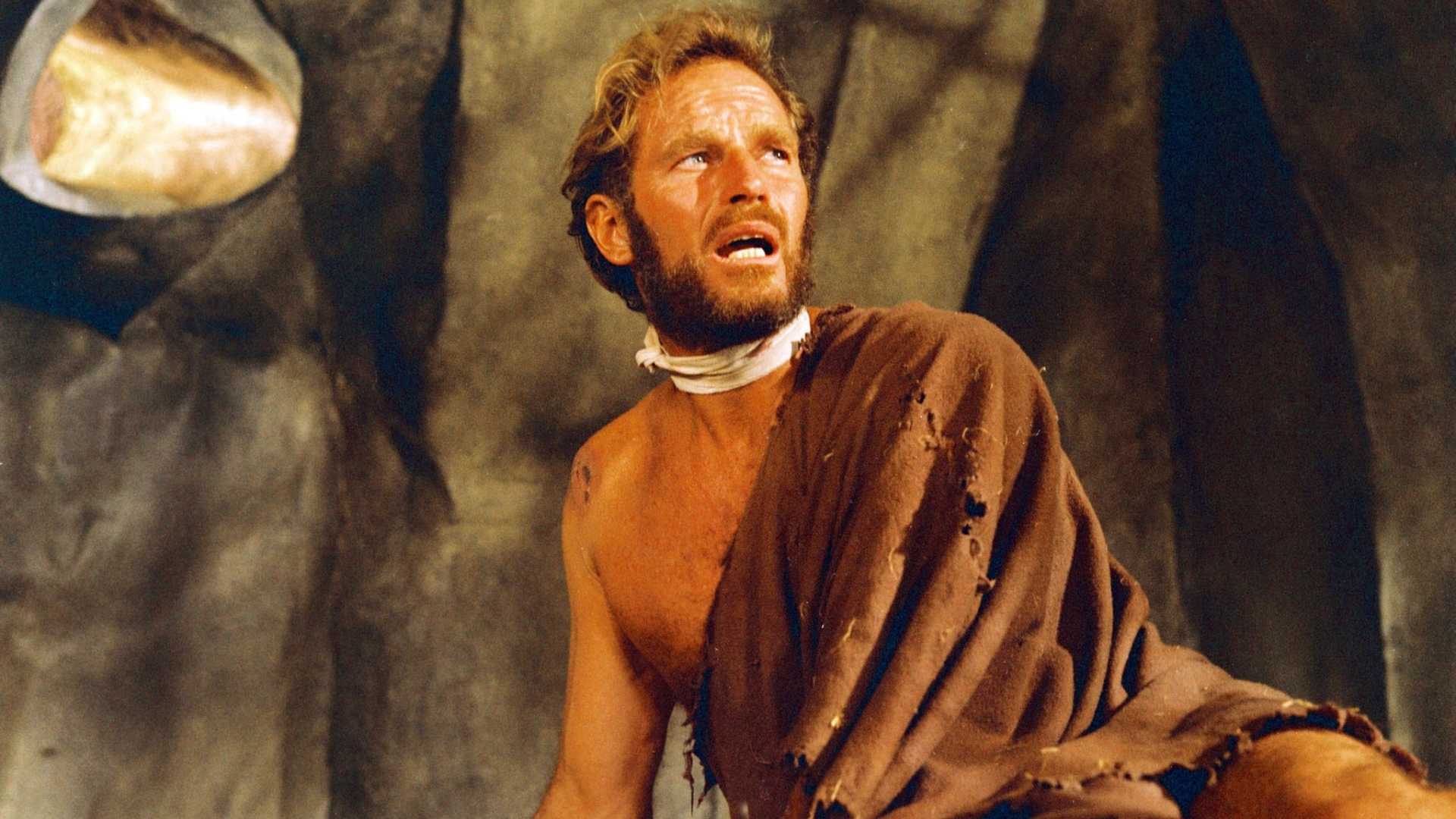
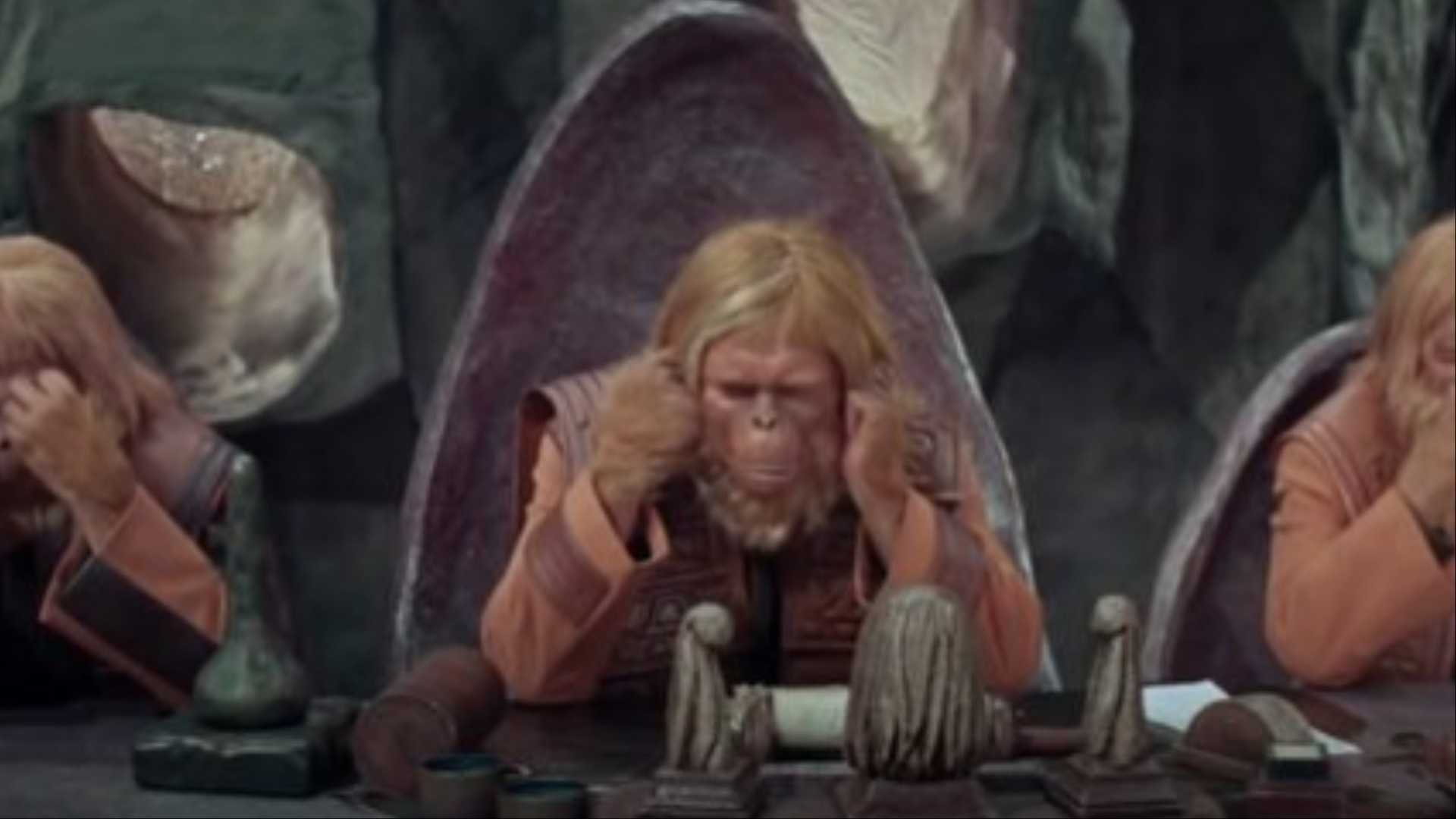
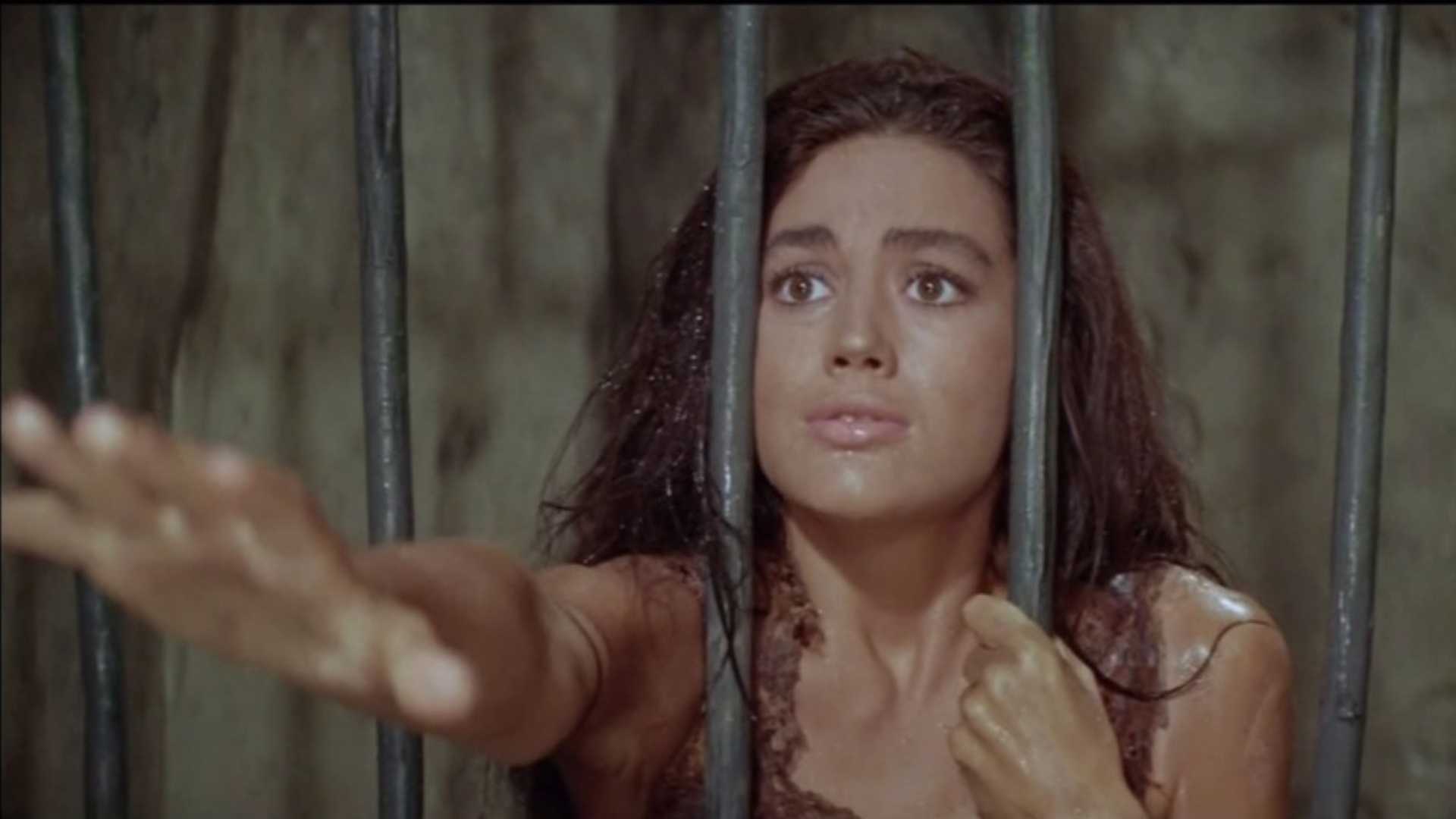
I know I said no setups for sequels in the intro, but with Planet of the Apes, the ending is less a setup and more a profound revelation that catapulted the film to success. For those not in the know, the story follows Astronaut George Taylor (Charlton Heston) as he crash-lands on a planet ruled by intelligent apes, where humans are hunted and mute, and he must prove he can think and speak.
Taylor rides down the beach after escaping ape territory and finds the shattered Statue of Liberty buried in the sand, and the planet he thought was alien turns out to be Earth, wrecked by nuclear war while he was gone. His scream — “You maniacs! You blew it up! Ah, damn you! Goddamn you all to hell!” — is one of the most-quoted closing lines in cinema, not only in science fiction.
Pierre Boulle’s original novel does not end this way. The reveal was written for the film. It is utterly devastating and leaves audiences with a sense of hopelessness for the protagonist and humanity. Yet some of the best sci-fi films remind us of our own fragility and shortcomings in reaching that idealized future.
‘Close Encounters of the Third Kind’ (1977)
The Perfect Alien Abduction Ending

Steven Spielberg’s sci-fi masterpiece, Close Encounters of the Third Kind, follows lineman Roy Neary (Richard Dreyfuss), who becomes obsessed with a recurring mental image after a close encounter and abandons his family to chase the truth behind his visions. On his personal quest, he meets researchers led by Claude Lacombe (François Truffaut) who are preparing for first contact.
Spielberg reframed the alien invasion genre, creating a blockbuster where the contact was far from the bleak world invasions shown before. Roy’s obsessions leading up to that moment become fully realized, and he is presented with a profound gift for his visions and dedication to making contact. Dreyfuss reportedly lobbied for the part while still shooting Jaws, and his performance remains one of the genre’s most vivid portraits of obsession and fascination with life beyond the stars.
‘The Last Man on Earth’ (1964)
The Original ‘I Am Legend’ Ending Every Remake Softened

Decades before The Walking Dead made siege survival a genre staple, The Last Man on Earth got there first. Dr. Robert Morgan (Vincent Price) believes himself the sole survivor of a plague that has turned nearly everyone else into weak, nocturnal, vampire-like creatures, spending his days fortifying his house and hunting the infected who besiege him each night.
Morgan discovers that some of the infected, under treatment, are rebuilding a functioning society that now sees him as the monster who has been slaughtering their people in his nightly purges. That reversal, while it may seem tame by today’s standards, was mind-blowing and impactful on release.
That final image of him speared on a church altar as the new society hunts him down — grasping the irony that he, the last normal man, has become the legend and terror of a world that no longer needs saving — is still profound visually and narratively. Both later versions, The Omega Man and Will Smith’s I Am Legend, change this ending significantly. The 1964 film is still the most faithful to Richard Matheson’s I Am Legend novel.
‘Soylent Green’ (1973)
Still Not Ruined by Becoming a Punchline

Yes, we all know the line, but for many, the film’s plot has unfortunately fallen into overlooked or forgotten territory. Soylent Green sees Detective Robert Thorn (Charlton Heston) investigating the murder of a food-conglomerate executive in an overpopulated, ecologically collapsed 2022 New York, ultimately uncovering a conspiracy tied to the true origins of the population’s primary food source.
Thorn’s partner, Sol (Edward G. Robinson), chooses state-sanctioned euthanasia, which gives Thorn the lead to follow the collection trucks from the clinic, leading him to the iconic, ghastly reveal and line. Of course, we are talking about “Soylent Green is people! We’ve got to stop them somehow! You’ve got to tell them!,” which Thorn screams as he’s carried away on a stretcher after being injured in the plant that makes the foodstuff known as Soylent.
It has been paid homage to and parodied, but its impact within the film, from build-up to execution, makes it deserving of a watch. On a profound note, Soylent Green was Edward G. Robinson’s 101st and final role. He was dying of cancer during production, and he died roughly two months after filming wrapped, which gives his character’s final scene extra weight before the film’s climax.
‘Gattaca’ (1997)
A Gut Punch of a Final Gift

Gattaca marked Andrew Niccol’s directorial debut, and it’s an exemplar of a film that resonated with viewers despite its lackluster box office performance. It earned only $12.6 million on a reported $36 million budget (via Box Office Mojo), yet bioethicists will cite it as required viewing whenever the conversation turns to genetic engineering. Vincent Freeman (Ethan Hawke), born with a heart defect in a future where genetic screening determines career and class, illegally assumes the identity of Jerome Morrow (Jude Law), a paralyzed former athlete, to chase his dream of space travel.
On the morning of Vincent’s launch, the screening doctor reveals he’s known about the deception all along and lets him pass anyway, since his own genetically ideal son still idolizes Vincent instead of him. Jerome, having given Vincent enough of his genetic material to last two lifetimes, takes his own life as the rocket lifts off, and Vincent opens an envelope mid-flight to find a lock of Jerome’s hair waiting inside.
Jerome’s death is tragic, but it is also an admirable sacrificial gesture for another. Jerome’s hair in the envelope is his goodbye, and his way of carrying on his own life through Vincent. This gesture punctuates the film’s real argument: ambition and heart can’t be measured in a blood sample. It remains one of the most underrated sci-fi gems of the ’90s.
‘Minority Report’ (2002)
Choosing Your Own Ending, Rewriting Everyone Else’s
-
 20th Century Studios
 -
 20th Century Fox
 -
 20th Century Fox
Minority Report earned its classic status by predicting the future so accurately that critics still cite its gesture-based interfaces and personalized advertising as things Spielberg and his team of futurists all but willed into existence. Underneath the production design is one of Tom Cruise’s best genre performances: Precrime Chief John Anderton goes on the run after his own psychic murder-prediction unit names him as the next killer, forcing him to prove his innocence for a crime he hasn’t committed yet.
Anderton exposes Precrime founder Lamar Burgess (Max von Sydow) as the one who murdered a precog’s mother years earlier and later framed Anderton to eliminate him as a threat. Burgess’s response is what makes the ending work. Rather than commit murder in front of a room full of witnesses and prove the precogs right, Burgess shoots himself, which discredits Precrime for good. The program shuts down, everyone it imprisoned is released, and Anderton reconciles with his estranged wife. Many remember the slick action and premise, but this final act of defiance is a phenomenal way to close out the classic.
‘Westworld’ (1973)
Yul Brynner’s Silent Killer Was A New Vision in Sci-Fi Terror

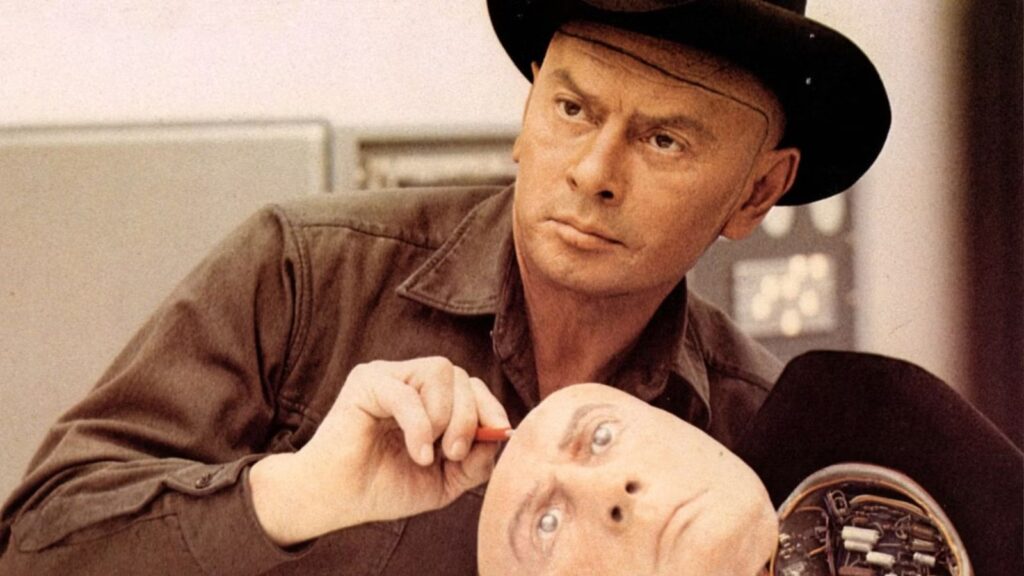
At Delos, a futuristic theme park staffed by lifelike android hosts, a software malfunction turns a black-clad Gunslinger android (Yul Brynner) and the rest of the park’s robots lethal, and guest Peter Martin (Richard Benjamin) has to survive being hunted through the park.
Westworld‘s staying power stems from its ending: the Gunslinger tracks Peter through the park’s Western and Medieval sections with a relentless, mechanical determination. Peter only survives by throwing acid in its face and finally burning it in the Medieval World set. On paper, it may seem less profound, but the sight of a man being stalked by his own creation — and the way the audience can somewhat humanize or at least understand Brynner’s silent antagonist — makes it a highly impactful moment.
Delos’s own promotional audio ironically plays over the wreckage: “Boy, have we got a vacation for you!” It punctuates the cautionary aspect. Westworld was Michael Crichton’s directorial debut, and Brynner’s black-clad performance is often cited as a direct visual influence on James Cameron’s design for the Terminator.