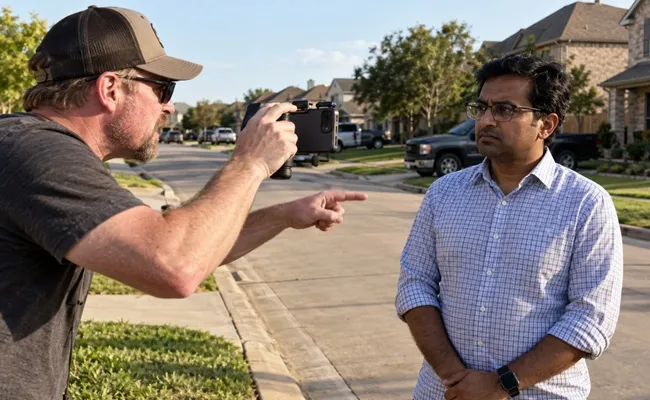

A disturbing trend is emerging around a few YouTubers in the United States, particularly in Texas, who are reportedly targeting Indians living there through aggressive public confrontations and online smear campaigns.
These individuals are accused of approaching Indians in public places and demanding that they show proof of their visa or immigration status.
When people refuse, pointing out that the YouTubers are not government authorities, the encounters are allegedly presented online as proof that the individuals are illegal immigrants, fraudsters or people with something to hide.
Critics say such behaviour amounts to intimidation and, in some cases, even blackmail.
There are allegations that some people, frightened by these confrontations, paid money or otherwise complied with certain demands, after which the YouTubers allegedly stopped targeting them. However, such claims need independent verification before they can be treated as established facts.
Another disturbing practice involves appearing outside the homes of Indian residents.
Some videos reportedly show YouTubers claiming that they have “exposed” a person and that the individual later abandoned the property or locked the house.
Such actions raise serious questions about privacy, harassment, trespassing and the legal limits of recording or confronting people at their homes.
The larger concern is the atmosphere this kind of content may create.
Indians who are legally living, studying and working in the United States could also feel vulnerable if online videos repeatedly portray members of the community as suspicious, fraudulent or unlawful without proper evidence.
Social-media investigations and public-interest journalism can be legitimate when they are backed by evidence and conducted responsibly.
But turning private individuals into targets through intimidation, unverified allegations and public humiliation crosses a very different line and deserves serious scrutiny.