
A form of grief we do not often see portrayed in the media is anticipatory grief. We know we are on the precipice of facing loss, and we begin the process of grieving before the person, or thing, we are grieving has even left our lives. It is a complex and gruelling experience for all involved, and expertly explored in Cody Callahan’s deeply moving Death of a Yellow Bird, which enjoyed its world premiere at this year’s Fantastic Fest.
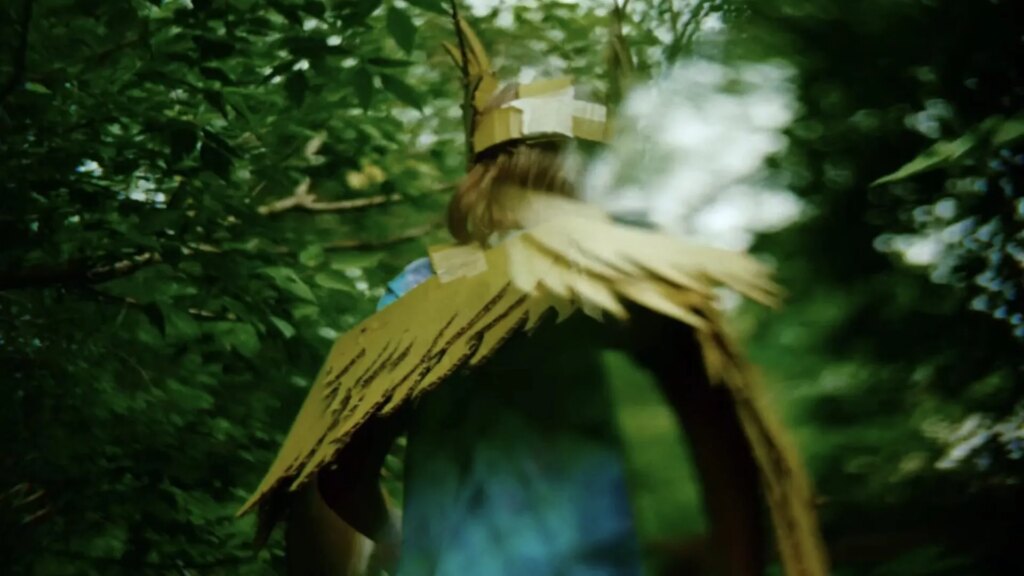
Death of a Yellow Bird follows an unnamed terminally ill man (Ari Millen) who, are refusing treatment, returns to his childhood home in search of closure, spending much of the time on the phone to his stressed out mother and equally concerned partner while navigating his own all-consuming loneliness and impending death. While there, he finds the family’s long-lost VHS camera buried in the earth, and inside it, a video tape of home movies. He begins to watch through it, sensing a presence through the static that he becomes hellbent on communicating with, turning his isolated childhood home into a walking nightmare.
The narrative of Death of a Yellow Bird has a particularly poignant meaning for childhood friends and frequent collaborators Callahan and Millen, the latter of which’s own health issues being the catalyst for the duo creating the film in the first place. Real, raw emotion is poured into every scene, with Millen giving a stripped back, reflective performance that is captivating from the very first scene right through to the intense finale – no small feat as pretty much the only character onscreen for the entire runtime. Horror and grief go hand in hand, and there’s certainly no shortage of features exploring the topic, but the intimate nature of Death of a Yellow Bird makes it so much more hard-hitting and thought-provoking to watch, providing an honest and affecting experience like no other.
Millen’s performance is anchored by the film’s intense sound design, fully immersing the audience into the claustrophobic and imposing atmosphere of the cabin. The camerawork is similarly impressive, utilising a static camera for the majority of the runtime that doesn’t allow the audience to look away from the devastating horrors that unfold and placing them in the shoes of Millen’s character, forced to confront an incident in his childhood he barely remembers. The simplicity of Death of a Yellow Bird is what drives home the emotions at its core. Its nostalgic use of home videos and the family cabins setting will strike a chord with audiences, taking them back to their own childhoods and all they have lost, and gained, since then in the wild rollercoaster of life.
Its scares are simplistic – from moving chairs to the skin-crawling cadence of a disembodies voice – though the root of its terror lies in forcing viewers to confront how they will deal with being faced with death. Its almost too difficult to consider your own end, but its something Death of a Yellow Bird explores in excruciating, yet liberating detail as it looks at both the ugly and beautiful sides of grief that tear us apart, then put us back together again.
Death of a Yellow Bird is a devastatingly poignant watch that feels like a profound honour to watch and experience something so deeply personal to its creators. Calahan and Millen have captured a unique portrayal of grief, guilt, loss, and death, but also that of friendship, family, hope, and a life worth fighting for. Its scares and construction are simple, focusing our attention on Millen’s compelling performance in this moving and emotive piece of genre cinema.
Death of a Yellow Bird had its world premiere at Fantastic Fest 2026 on Friday, 18 September