
Anime movies can accomplish an extraordinary amount in only a couple of hours. Without dozens of episodes to build up their world and their characters, some of the best movies have to establish their identity right from the beginning. While some succeed through stunning animation, others manage to create such an impact that they inspire generations to come.
This history goes well beyond the confines of any one particular genre or studio. There is no way to include them all on a single list, but there are definitely some that have to appear in any anime discourse. Whether because they changed animation, perfected a particular kind of storytelling or simply remain exceptional movies, these anime films deserve to be experienced at least once.
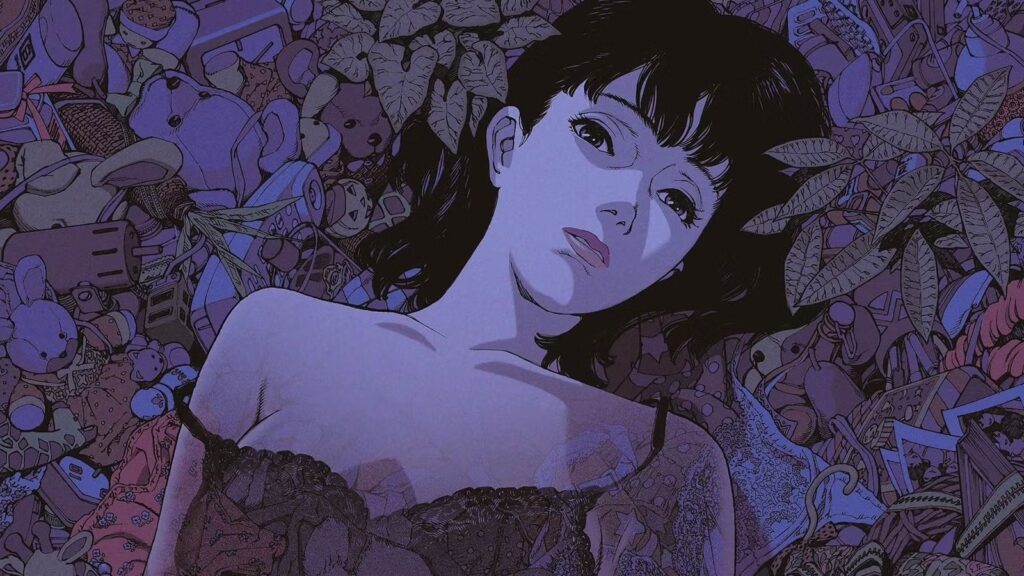
Perfect Blue Makes Reality Almost Impossible to Trust
-
 Image via Madhouse
 -
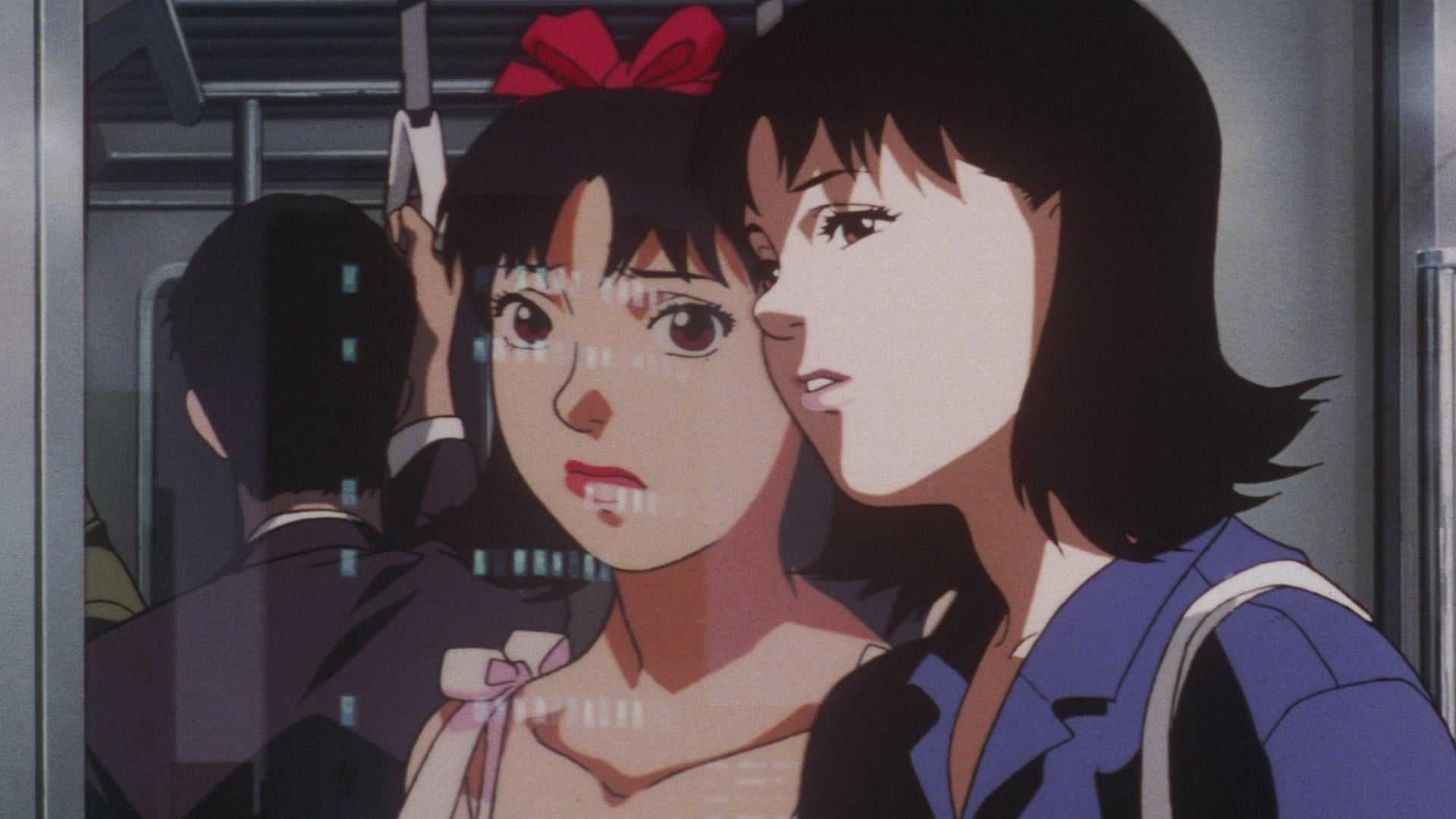 Image via Madhouse
 -
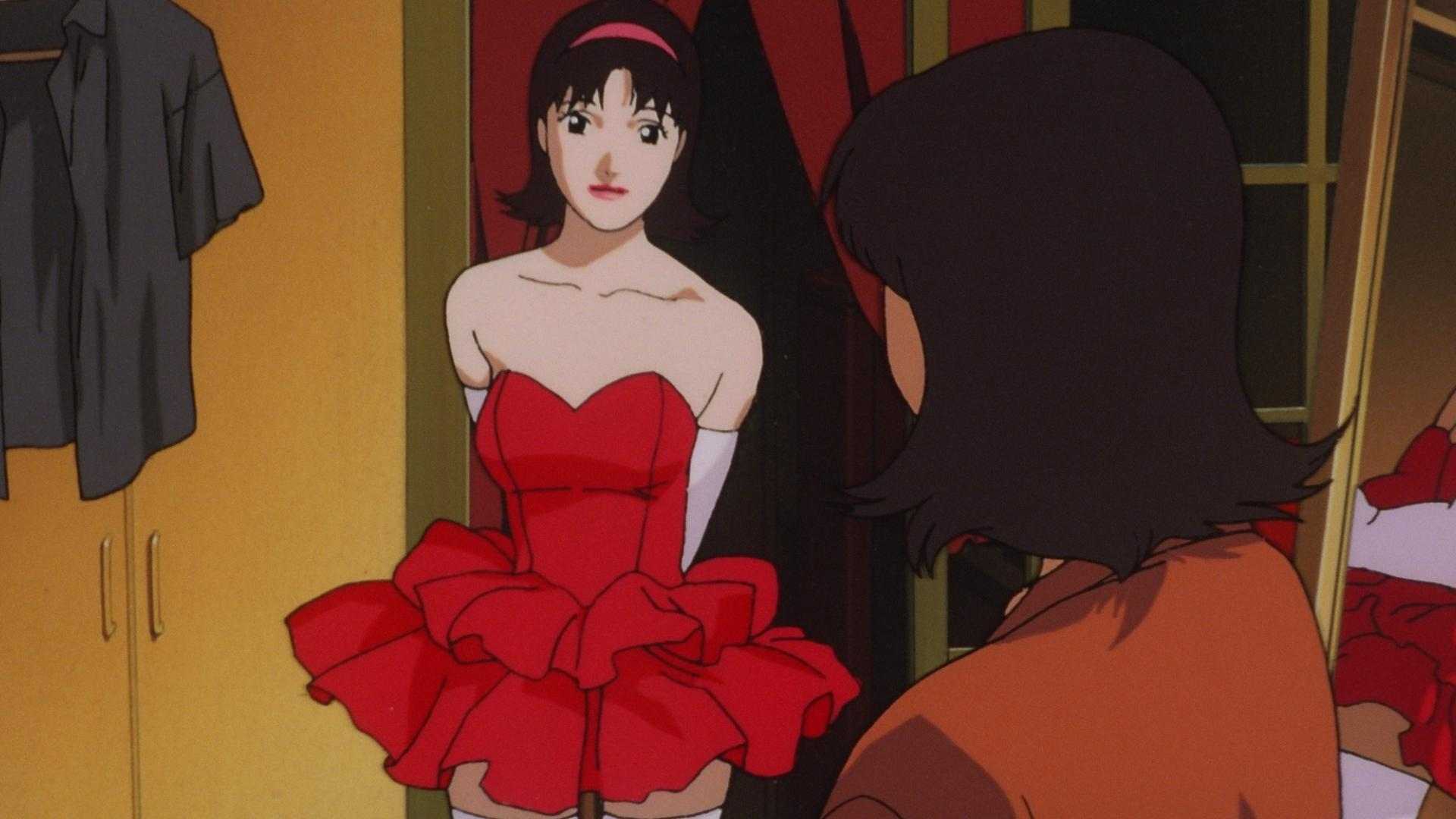 Image via Madhouse
Mima Kirigoe wants to become an actress, and leaving her successful idol group should represent the beginning of a new career. Instead, her identity begins to collapse. Some fans resent her decision, an anonymous website starts documenting details of her life, and Mima increasingly struggles to distinguish what she has experienced from scenes she has performed.
The way scenes are cut makes Mima’s psychological deterioration deeply uncomfortable. It also allows Perfect Blue to examine celebrity, identity and the disturbing sense of ownership audiences can develop over public figures. Those themes have only become more relevant in an era when performers can be observed constantly through social media.
Redline Is an Explosion of Hand-Drawn Animation

Redline follows JP, a man who wants to win an absurdly dangerous intergalactic race. The Redline race attracts competitors from across the galaxy and operates with very few concerns about safety, legality or how much destruction its participants cause along the way. Everything exists to facilitate speed. That simplicity gives the animation room to be the main attraction.
Madhouse spent years producing the film, filling the screen with exaggerated movement, bizarre vehicles and environments that seem ready to collapse under the force of the racers passing through them. Redline is not essential because it contains anime’s deepest story. It is essential because animation rarely looks this completely unrestrained.
The End of Evangelion Pushes Evangelion to Its Most Extreme Point

The End of Evangelion comes with the requirement of watching Neon Genesis Evangelion first. The movie is not designed as an introduction to Shinji Ikari or NERV. Instead, it functions alongside the television series’ conclusion, presenting events with a scale and intensity that the original final episodes deliberately approached very differently.
The film combines mecha action, psychological introspection, religious imagery and apocalyptic spectacle into a cinematic journey that can change tone almost instantaneously. The End of Evangelion contains some of the franchise’s most memorable imagery, and its willingness to become abstract ensures viewers can spend considerably longer discussing the movie than actually watching it.
Wolf Children Makes Parenthood Feel Like an Epic Journey

Hana falls in love with a man who can transform into a wolf and their children inherit that ability. That fantastical premise is used to tell a story about parenthood. After circumstances leave Hana raising Yuki and Ame alone, she has to navigate ordinary challenges made considerably harder by the fact that her children have peculiar abilities.
As Yuki and Ame become older, they have to decide how much of their human and wolf identity they want to embrace. Meanwhile, Hana gradually confronts the reality that raising children also means allowing them to choose lives she cannot control. Wolf Children never needs a conventional villain. Growing up provides enough conflict.
Your Name Is a Love Story Unlike Any Other
-
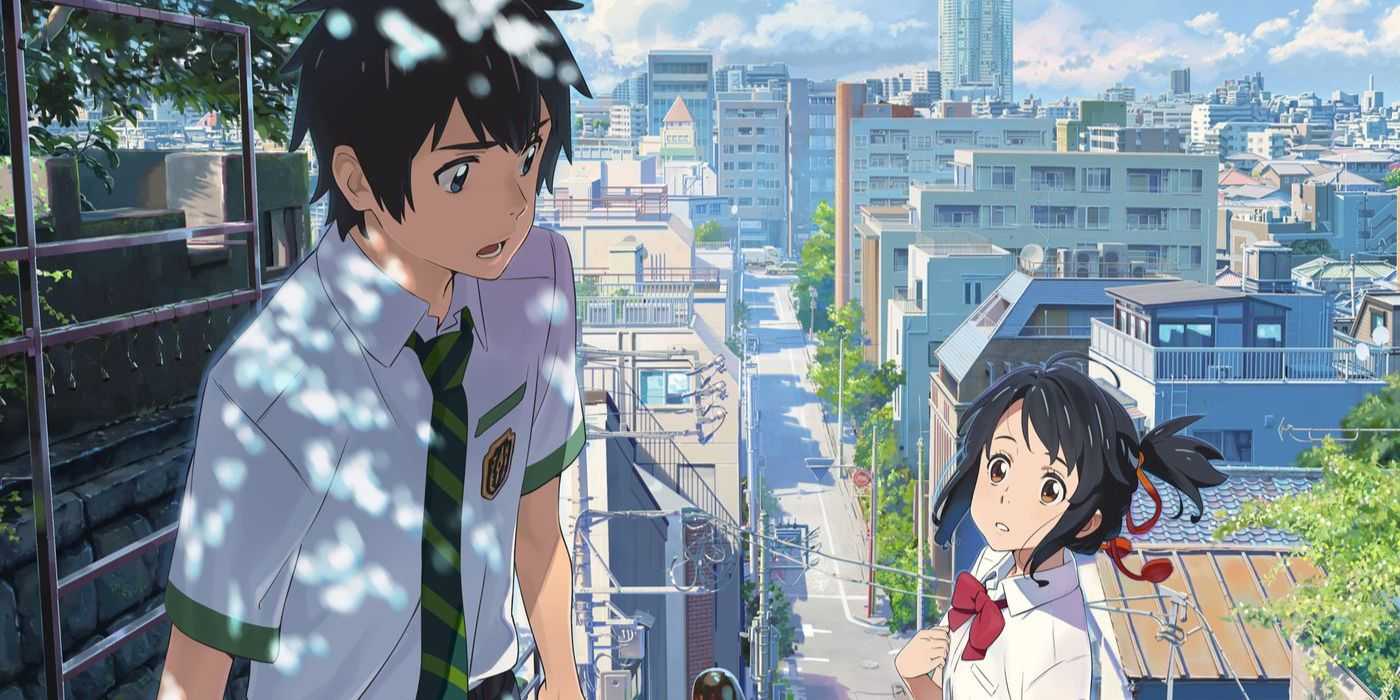 Image via CoMix Wave Films
 -
 Image via CoMix Wave Films
 -
 Image via CoMix Wave Films
Mitsuha Miyamizu lives in rural Japan and dreams of Tokyo. Taki Tachibana already lives there. Subsequently, the two begin waking up in each other’s bodies. The setup initially allows Your Name to become a charming supernatural comedy. They establish rules and leave messages for one another. The story gradually reveals something much larger underneath that premise.
The film makes its central relationship work despite giving Mitsuha and Taki such an unconventional way of knowing each other. Your Name became a global phenomenon for good reason. It is accessible enough to recommend to someone who has never watched anime while remaining unmistakably the work of one of Japan’s most recognizable animation directors.
Ghost in the Shell Changed Cyberpunk Anime Forever

Ghost in the Shell follows Major Motoko Kusanagi who possesses a cybernetic body. Very little about that is unusual in her world. By 2029, cybernetic enhancement has become commonplace, and human consciousness can interact directly with enormous digital networks. That technology creates new possibilities for crime, and it also creates several uncomfortable philosophical questions.
The movie has some amazing gunfights and extraordinary cyberpunk imagery, but it is equally comfortable slowing down and allowing its protagonist to contemplate her own existence. Its influence is enormous. The movie helped define how cyberpunk would look in animation, and it became an important international reference point for filmmakers exploring similar relationships between technology and identity.
A Silent Voice Makes Redemption Painfully Difficult

Shoya Ishida bullies Shoko Nishimiya when they are children. Years later, he deeply regrets what he did. A Silent Voice begins from an uncomfortable position. Shoya cannot simply apologize once and erase the damage he caused. His past behavior has affected Shoko and his own ability to connect with others.
The film treats redemption as a process, and it shows Shoya attempting to reconnect with Shoko while dealing with his own isolation and self-loathing. Their relationship gradually forces both characters to confront feelings they have spent years struggling to communicate. The movie also expands beyond bullying into guilt, disability, friendship and mental health.
Grave of the Fireflies Shows War Through the Children Left Behind

Grave of the Fireflies is technically a war movie. It follows siblings Seita and Setsuko as they attempt to survive in Japan during the final months of World War II. Their needs are painfully basic. They want food, shelter and someone willing to care whether they survive. That perspective gives the film its power.
War exists largely through its consequences: destroyed homes, disappearing resources and children forced into circumstances they are completely unequipped to handle. Isao Takahata refuses to soften their situation. Grave of the Fireflies is famously difficult to rewatch. Watching it once, however, demonstrates how devastating animation can become when it refuses to look away from human suffering.
Akira Showed the World How Spectacular Anime Could Be

Neo-Tokyo feels alive before Akira explains anything about it. Motorcycles tear through its streets while protesters clash with authorities. Then Tetsuo Shima acquires psychic abilities powerful enough to destabilize everything around him. Katsuhiro Otomo’s film remains astonishing to look at. Its hand-drawn animation gives vehicles extraordinary weight and speed.
The destruction unleashed later in the movie demonstrates a level of detail that helped make Akira an international showcase for Japanese animation. The famous motorcycle slide alone has been imitated countless times. The film also helped expand anime’s international audience. For many viewers outside Japan, Akira was evidence that animation could deliver sophisticated science fiction not for children’s entertainment.
Spirited Away Is Anime Cinema at Its Most Magical
-
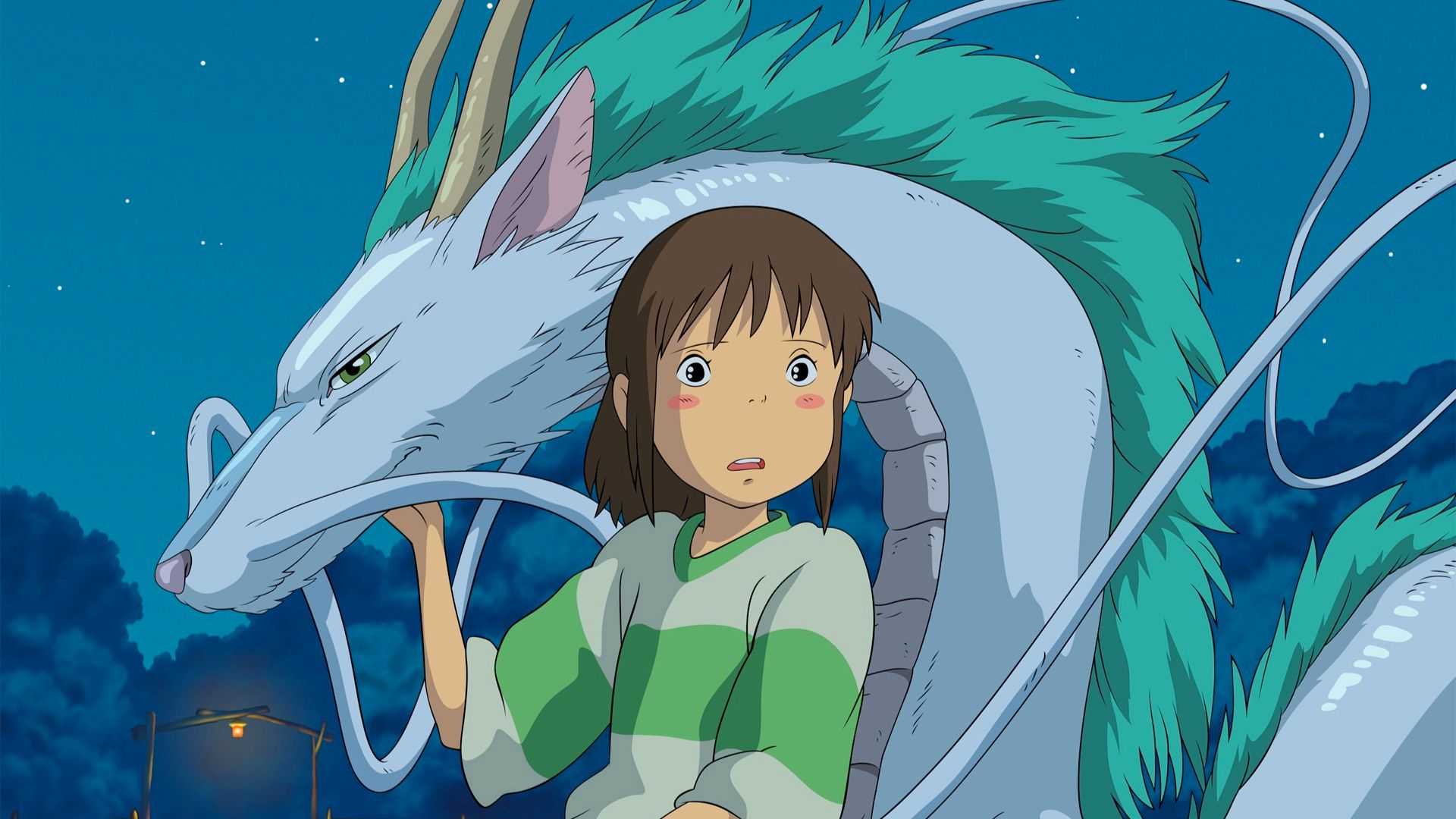 Image via Studio Ghibli
 -
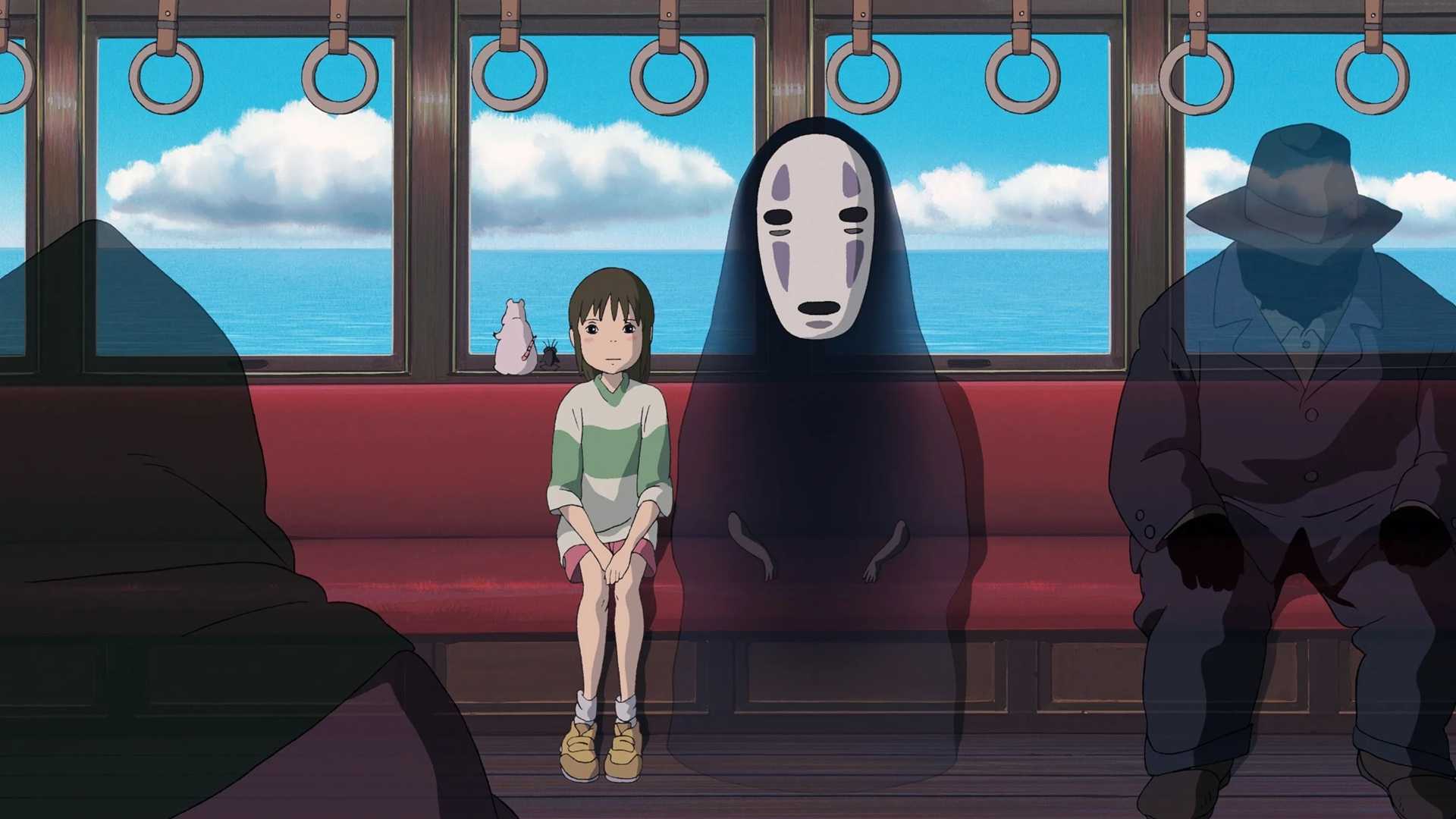 Image via Studio Ghibli
 -
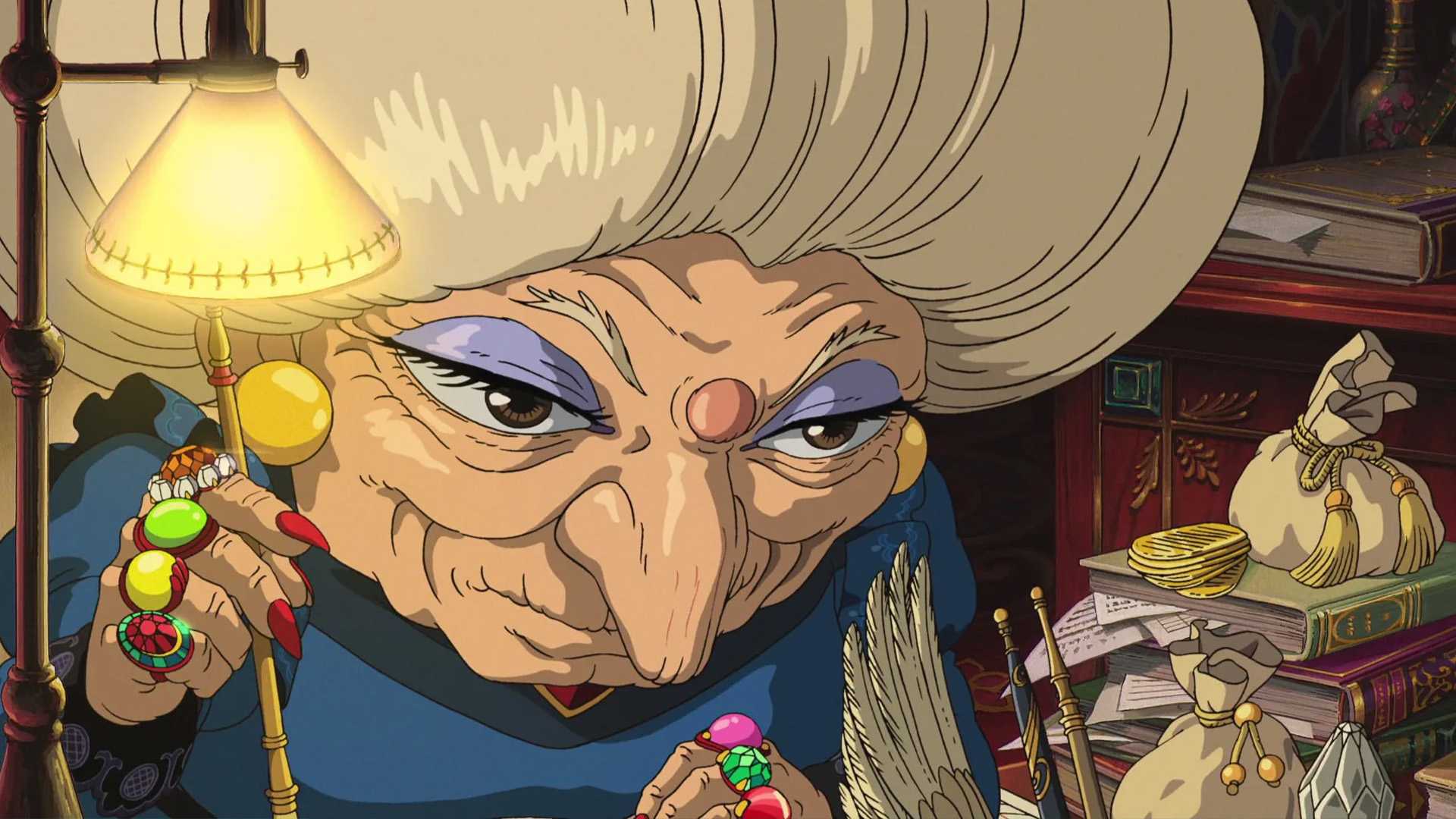 Image via Studio Ghibli
After Chihiro’s parents are transformed into pigs, the frightened 10-year-old finds herself trapped in a supernatural bathhouse operated by the intimidating Yubaba. Surviving requires Chihiro to work, and that simple requirement gradually changes her. Hayao Miyazaki fills Spirited Away with creatures and locations that feel as though they existed long before Chihiro arrived.
No-Face, the soot sprites, the river spirit and the bathhouse workers seem to possess lives extending beyond whatever Chihiro happens to witness. The film never loses Chihiro inside its imagination. Spirited Away works as a childhood adventure, a coming-of-age story, and an introduction to what anime can accomplish at feature length.