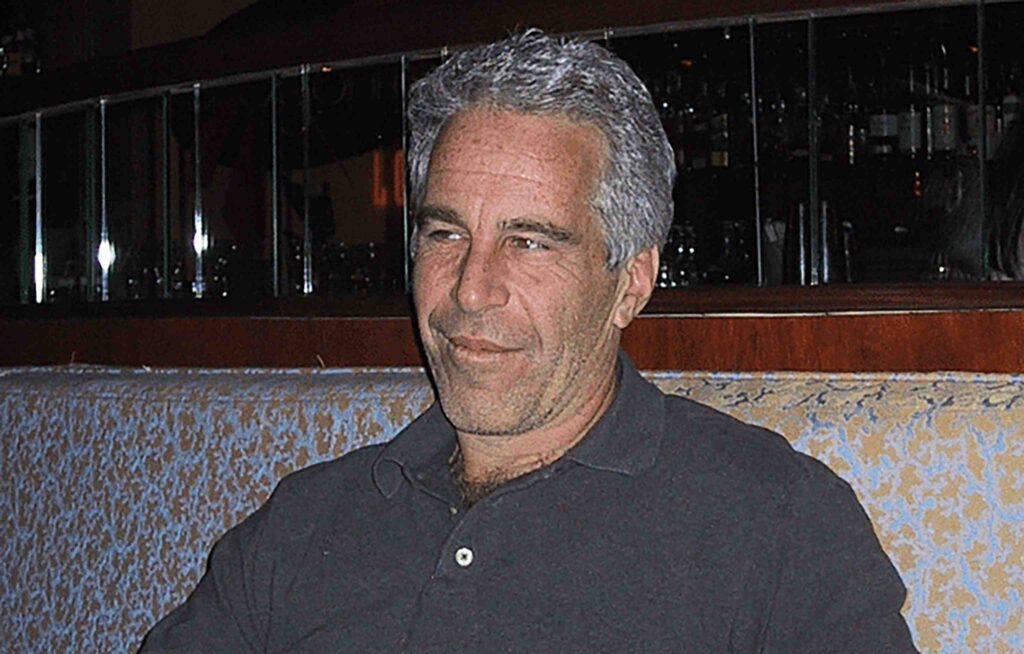

The Epstein meme wave that followed the January 2026 file dumps is testing whether internet humor can carry serious weight about power or simply turns everything into content. Platforms are flooded with AI edits, gamer parodies, and quarter-zip sweater fancams, and the debate has moved from comment sections to cable panels and court filings. The core question is whether these jokes expose institutional failure or erase the people who were harmed.
Origins of the 2019 template
The earliest Epstein meme surfaced weeks after his 2019 arrest when “Epstein didn’t kill himself” became a running non sequitur on every platform. The line worked as shorthand for suspicion that powerful people had arranged his death. It spread through Reddit, YouTube thumbnails, and merch tables before the case itself reached trial.
Within months the phrase detached from the facts and turned into a punchline for any conspiracy-adjacent topic. Critics noted that the joke already treated the victims as background noise. Still, it lingered in the culture long enough to resurface whenever new documents appeared.
By late 2025 the same phrase was primed for reuse once the Epstein Files Transparency Act forced another round of releases. The difference this time was volume: millions of pages arrived at once, and social media moved faster than any legal team could review them.
January 2026 document dump
The DOJ released roughly 3.5 million pages on January 30, 2026. Redactions left large white spaces that users immediately turned into caption templates. One post from Rep. Eric Swalwell summed up the frustration: “You were promised the full Epstein files. You got this.”
The files also contained mundane details—an Xbox Live ban notice, Fortnite V-Bucks purchases, references to Five Nights at Freddy’s—that supplied raw material for absurdist edits. Within hours the first “Gamer Epstein” clips appeared on X, some gaining over 100,000 likes before the weekend.
Political figures on both sides joined the remix cycle. California Gov. Gavin Newsom posted a Coldplay kiss-cam edit swapping Donald Trump with Epstein, accelerating the spread into mainstream feeds that rarely cover court records.
Gamer Epstein takes off
Early Gamer Epstein videos spliced file excerpts with stock footage of rage-quitting streamers. Captions mocked Epstein’s email style while he argued over microtransactions. The format spread to TikTok, where one AI clip of Epstein, Charlie Kirk, and Diddy gaming passed 1.5 million views in a single day.
Supporters of the trend argue that the absurdity highlights how little new information the files contained. The joke lands because the promised bombshell revelations turned out to be receipts and chat logs that could belong to any middle-aged man with disposable income.
Victim advocates counter that the pivot to gaming culture flattens the record of trafficking and abuse into set dressing. They point out that the same documents name minors whose stories receive less engagement than the Fortnite references.
Quarter-zip fancam economy
A parallel track emerged in late 2025 with AI-generated fancams that set the navy quarter-zip sweater image to tracks like Lil Pump’s “Boss.” One early island footage edit passed 7 million views on TikTok by January 2024; newer clips parodying Home Alone reached nearly 20 million.
Accounts such as tryunredacted began selling replica sweaters for $54.99 while the original garment auctioned for $11,000. The merchandise loop turned a crime-scene photo into a limited-run fashion item, complete with “All jokes btw” disclaimers in the captions.
Platform metrics show #JeffreyEpstein attached to more than 64,000 TikTok videos by early 2026. The aesthetic distance created by filters and remixed audio makes the subject feel like camp rather than case file.
Comparison to earlier dark humor
Historians of internet culture note that Epstein memes follow patterns seen after 9/11 and during debates over Holocaust imagery. In each case, the humor initially tested institutional trust before drifting into pure shock value.
Academic panels at South by Southwest 2026 discussed whether the speed of AI generation shortens that drift. A single prompt can now produce hundreds of variations overnight, outpacing any norm-setting effort by platforms or advocacy groups.
Legal scholars add that repeated exposure to stylized versions of the case may affect jury pools in remaining civil suits. They cite studies showing that meme saturation can reduce perceived seriousness of named victims even when viewers insist they understand the underlying facts.
Platform incentives and reach
Algorithmic reward structures favor quick cuts and recognizable audio, conditions that Gamer Epstein and fancam edits meet perfectly. A 15-second clip requires less context than a 15-page court excerpt, so the joke travels farther.
Moderation teams face volume problems: TikTok and X both reported record numbers of Epstein-tagged uploads the weekend after the January dump. Automated systems struggle to distinguish ironic edits from content that glorifies the perpetrator.
Creators who attempt longer explanatory threads report lower completion rates than those posting single images with redaction captions. The incentive gradient pushes the conversation toward the most detached formats.
Pushback from survivors and lawyers
Attorneys representing Epstein victims released statements in February 2026 arguing that the meme wave undermines ongoing litigation. They noted that potential jurors now encounter the case first through dancing sweater edits rather than testimony transcripts.
Some survivors have begun logging specific clips that use their names or likenesses, preparing cease-and-desist filings. The legal question is whether repeated ironic use crosses into defamation or emotional-distress territory when tied to actual court records.
Advocacy groups are also tracking political reuse. When elected officials share the edits, the line between commentary and campaign content blurs, giving platforms another category to weigh during enforcement reviews.
Political polarization angle
Far-right accounts adopted the meme early, framing the files as proof that every institution protects its own. Progressive voices countered that selective highlighting of certain names distracts from systemic trafficking networks that operated across party lines.
Polling from late January showed a six-point drop in trust that the releases would produce accountability, coinciding with the heaviest meme traffic. Observers link the two trends: the more the story feels like content, the less it registers as pending justice.
Both sides continue to deploy the same clips for opposing arguments, turning the Epstein meme into a Rorschach test rather than shared evidence. The result is louder volume and thinner context.
Regulatory and industry response
Inside the companies, policy teams are drafting new labels for AI-generated “historical” content. Early tests place warning cards on videos that combine real court imagery with entertainment audio, though enforcement remains inconsistent across regions.
Advertisers have begun pulling spend from feeds where Epstein-tagged videos exceed a set percentage of impressions, citing brand-safety concerns raised by advocacy partners. The shift affects smaller creators who relied on the broader true-crime niche.
Meanwhile, archivists at university libraries are downloading complete file sets before additional redactions or takedowns alter the record. Their concern is that meme culture will outlast the primary documents if no stable public copy exists.
What the pattern signals next
The Epstein meme cycle shows how quickly primary-source material can be rerouted into entertainment loops that reward detachment. Future document releases on any high-profile case will face the same pipeline unless platforms, courts, and newsrooms coordinate earlier framing. The risk is not that the jokes continue, but that the underlying record stops mattering to anyone outside the legal filings themselves.