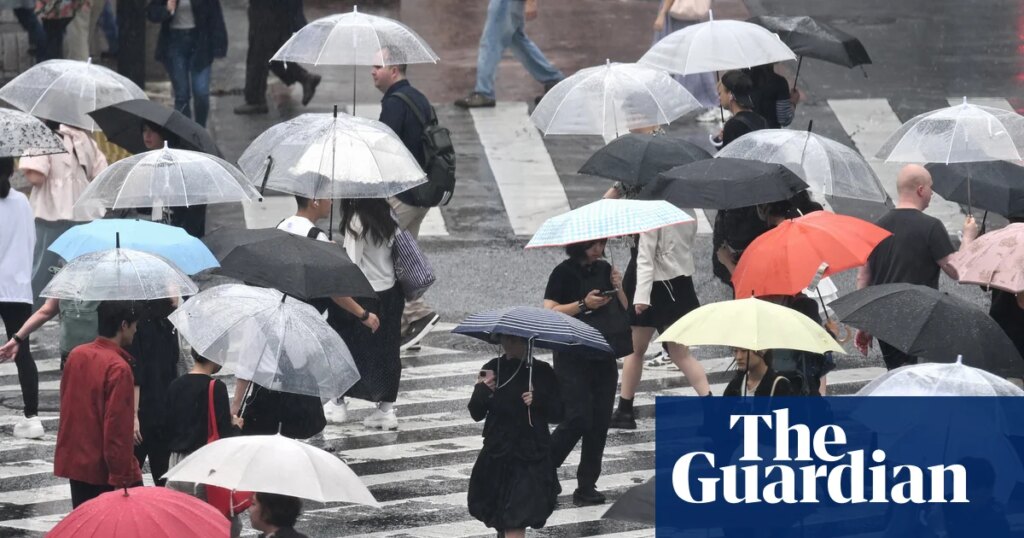

Residents of Tokyo awoke to a familiar sound on Wednesday: raindrops splashing against windows and balcony floors.
The Japanese capital has seen a record 35 consecutive days of rain, which experts blame on a combination of climate change and El Niño, which has created a prolonged front of high pressure in the Pacific Ocean.
The record rainfall has triggered a sharp rise in the price of vegetables, cast a shadow over tourism and left millions of Tokyoites wondering if they will see sunshine again.
Central Tokyo has been drenched by 629mm (24.8 inches) of rain between the start of September through to Monday this week, nearly three times the normal level, according to the agency.
It experienced just 45.8 hours of daylight over the same period, the second lowest on record, the Mainichi Shimbun said, while 14 days had no sunshine at all.
The weather is affecting people’s physical and mental health, according to Hiromichi Ito, a doctor and director of a clinic in the capital, who told the Sankei Shimbun newspaper that prolonged rain, low atmospheric pressure and high humidity can lead to headaches, dizziness and other symptoms.
While the rain had turned to a light drizzle by late Wednesday morning, more could be on the way, as this year’s El Niño warms the Pacific Ocean, intensifying extreme weather patterns triggered by the climate crisis.
“Autumn rain fronts are staying longer than usual,” Masayuki Kyoda, an official at the Japan meteorological agency (JMA), told Agence France-Presse.
Tokyo’s rainy season usually occurs in June, but there have been regular downpours throughout the summer, causing heavy flooding in parts of the region. Earlier this month, Typhoon Dujuan caused flooding and landslides in neighbouring Chiba prefecture, killing eight people and destroying dozens of homes.
This week, meteorological officials said another typhoon, the 26th of the season, was moving in a north-easterly direction and could brush the Kanto region, where Tokyo is located.
While Kyoda said it was difficult to establish a direct link between climate change and the streak of wet weather in Tokyo – the longest since records began in 1886 – the agency said in a recent report that “global warming was affecting Japan’s weather long-term, including through more precipitation”.
The previous longest period of consecutive rain in Tokyo lasted 33 days between 27 June and 29 July 2019.
The prolonged rainfall has triggered a rise in the price of vegetables, particularly leafy greens, as a result of crop damage in agricultural regions near Tokyo, media reports said, with one supermarket worker in the capital quoted as saying that price of a head of lettuce had more than doubled to ¥450 (£2.17).
Residents also complained of not being able to dry their washing, forcing them to make trips to the local launderette.
The news that the city has not enjoyed a single dry day since 27 August prompted many take to social media to complain of “rain fatigue”.
“This endless rain must be to blame for my low mood,” said one X user. “If you’re feeling worn out, it’s not your fault.”
Yojiro Noda, the lead singer of the band Radwimps, posted to his 1.1 million followers: “Tokyo, a lifetime of rain.”
Another wondered if the city would match the 40 days and 40 nights of rain referenced in the Old Testament.