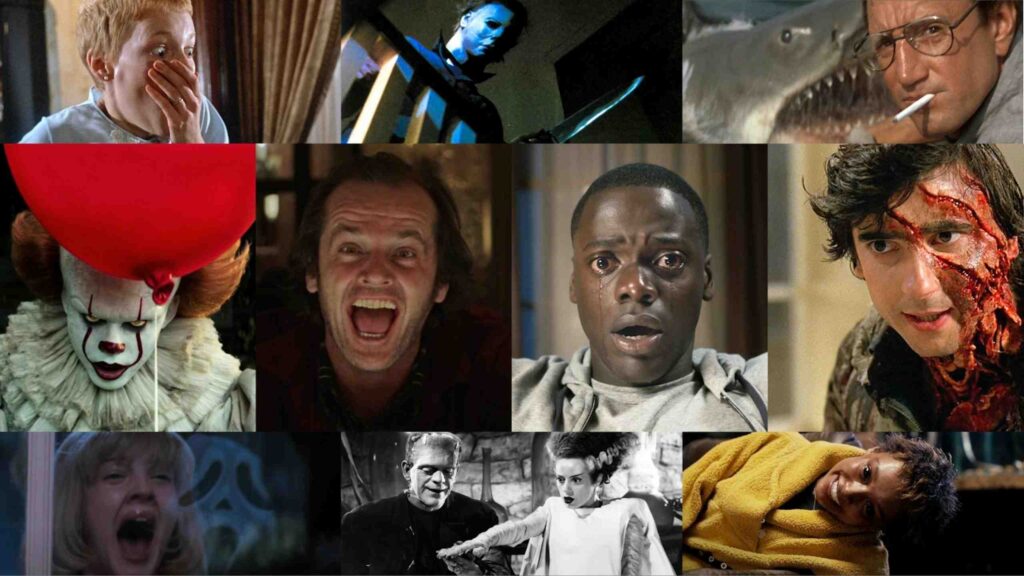

The best horror franchises of all time keep finding new audiences because studios know that name recognition still moves tickets. Right now studios are weighing which of the old standbys can survive another round of sequels or reboots before the next awards season cycle begins. The question that matters to most fans is simple: which of these horror movies will actually come back next.
Halloween keeps its lead
The 1978 original still tops most rankings because it created the template for the modern slasher. Jamie Lee Curtis returned for the 2018 trilogy and made it clear she would not sign on for more after the final chapter. That leaves the franchise in a holding pattern while Universal decides whether to start fresh or let the property rest.
Streaming numbers remain strong every October, giving the studio a reliable window to test new approaches. Recent test screenings of a potential origin story for Michael Myers were shelved after poor audience scores. The safest move appears to be another long pause before any new project is green-lit.
Fans online argue that the series needs distance before another attempt, and studio insiders agree. Any new Halloween movie would require a marketing budget that rivals a summer tent-pole. Without Curtis the campaign would cost even more.
Friday the 13th waits for rights clarity
Legal fights over the franchise have kept Jason Voorhees off screens for more than a decade. The 2009 remake proved the character still draws crowds, yet ownership disputes between original producers and studio partners remain unresolved. Until those issues clear, no new project can move forward.
Paramount has expressed interest in a fresh take once the rights settle. Early development materials suggested a period setting that would place the first killings at the camp in the 1950s. The concept tested well with focus groups but remains on hold.
Meanwhile the hockey mask continues to appear in licensed merchandise and gaming tie-ins. Those revenue streams keep the property visible while lawyers negotiate. The next move will likely come from whoever wins the court battle rather than from creative teams.
Scream proves steady returns
The meta-slasher format revived itself with the 2022 requel and Scream VI the following year. Both entries outperformed studio projections, showing that the Ghostface mask still sells tickets across generations. Paramount has already locked a seventh film into its release calendar for 2026.
Directors Radio Silence stepped away after the last installment, leaving the door open for new voices. Studio notes indicate the next script will lean further into the franchise’s self-aware humor. Casting calls are expected to begin early next year.
Online reaction has been mostly positive, though some longtime fans worry that the series is drifting from its original edge. The studio appears willing to risk that criticism if the box-office numbers hold. Scream remains the clearest example of a legacy property that still earns its keep.
Saw extends its trap legacy
The original 2004 entry launched a wave of elaborate death contraptions that defined mid-2000s horror. Liongate has kept the series alive through direct-to-streaming sequels and the 2023 theatrical chapter Saw X. The latest film earned enough to justify another round of development.
Producers are now exploring a limited series set between the early sequels. The plan would use the established Jigsaw rules while bringing in new writers and directors. Early casting interest includes several actors who appeared in previous entries.
Merchandise sales and theme-park attractions continue to generate steady income. That financial cushion gives the studio room to experiment without risking a full theatrical budget on every new chapter. The franchise has become a case study in how long a single concept can stretch.
The Conjuring builds its universe
James Wan’s 2013 original turned the real-life Warren cases into a reliable theatrical draw. Spin-offs such as Annabelle and The Nun have already expanded the shared world, and a direct sequel to the first film is in active development. Warner Bros. lists the project among its 2026 tent-poles.
The studio is banking on the established audience for supernatural horror during the post-pandemic recovery. Recent test screenings showed strong interest in bringing back Patrick Wilson and Vera Farmiga. Script rewrites are focusing on a new case that links several existing characters.
Industry analysts note that the franchise benefits from lower production costs compared with science-fiction or superhero films. Those margins allow the studio to absorb a modest box-office dip and still turn a profit. The Conjuring remains the clearest modern success story in the genre.
Evil Dead leans on cult status
Sam Raimi’s 1981 original grew into a franchise that balances gore with dark comedy. The 2013 remake and the later Ash vs. Evil Dead series proved the property can shift formats without losing its core fans. Recent rumors point to a new theatrical chapter with Raimi returning as producer.
Bruce Campbell has stated he is open to a cameo but not a lead role. That leaves room for a new protagonist while still giving longtime viewers a familiar anchor. Early script pages reportedly explore the Necronomicon’s history across different decades.
Streaming numbers for the older entries spike whenever new projects are announced. Those metrics help secure financing even when the material stays niche. The franchise’s longevity rests on its ability to refresh its tone without erasing its roots.
Nightmare and Chainsaw face longer odds
A Nightmare on Elm Street has not seen a new film since the 2010 remake. Rights complications and mixed audience response have kept Freddy Krueger on the bench. Studio sources say any revival would require a complete tonal overhaul rather than another straightforward sequel.
The Texas Chainsaw Massacre has returned in sporadic bursts, most recently with a 2022 Netflix entry. Those films lean on atmosphere over continuity, which keeps the property flexible. Future plans remain vague while the studio focuses on other horror titles in its pipeline.
Both franchises still generate strong nostalgia on social media, yet neither has the active development slate of their peers. Their next chapters will depend on whether a director can present a vision that justifies the marketing spend. For now they sit in the maybe column.
Final Destination and Predator gain traction
Final Destination has stayed alive through inventive death sequences rather than traditional narrative arcs. A sixth installment is already in post-production and scheduled for a 2025 release. Early footage shown at a horror convention received strong applause for its practical effects.
Predator is enjoying a similar resurgence after the critical success of Prey. A new theatrical chapter is in development under the original title, with producers promising a return to the urban setting of the first sequel. Casting announcements are expected before the end of the year.
Both properties benefit from recognizable concepts that require little introduction to casual viewers. That clarity helps during marketing meetings when studios weigh the risk of original horror against the safety of a known brand. Their recent momentum makes them the most likely newcomers to the active franchise list.
Scary Movie tests the parody lane
The Wayans brothers’ horror-comedy series is set for a June 2026 reboot. The new film will update the original’s targets to include recent hits such as The Conjuring and Smile. Early casting has focused on comedians who can handle both parody and straight horror beats.
Studio tracking suggests that audiences still want comedic relief within the genre, especially after several grim streaming releases. The reboot will be rated R, a deliberate choice to separate it from the watered-down sequels that ended the original run. Marketing will lean on the established title rather than trying to hide the connection.
Success here could open the door for other horror spoofs that have sat dormant. The genre often cycles between earnest scares and self-aware laughs, and the new Scary Movie arrives at the right moment in that loop.
What the next slate means
The next two years will show which of these horror movies can still carry a franchise and which have reached the end of their commercial life. Studios are choosing projects that balance production costs with recognizable titles, and the winners will shape the next wave of theatrical horror. Viewers who want to see the old guard return should watch the 2026 release calendar closely, because the decisions made now will determine what opens next Halloween.