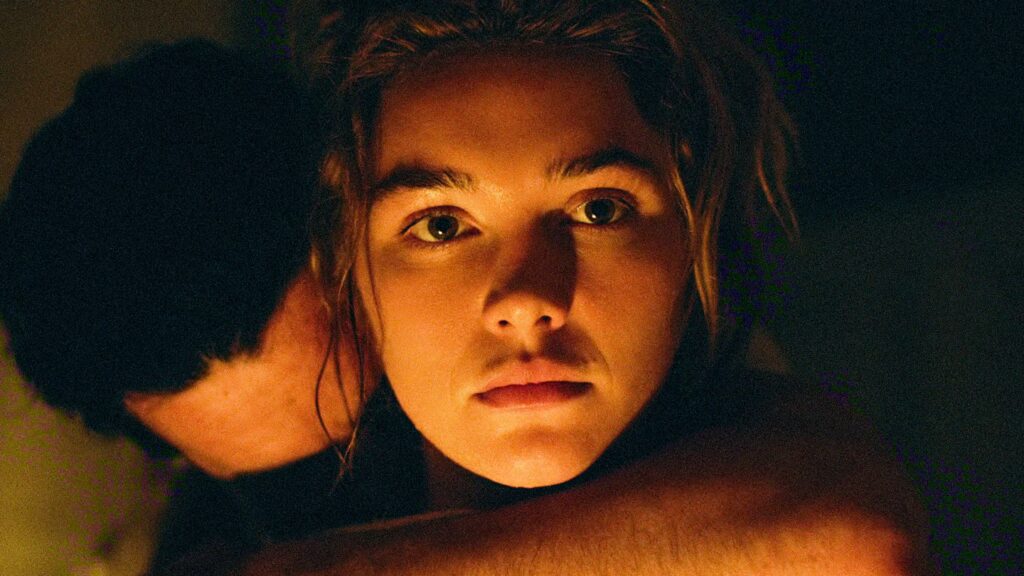

In California, at the dawn of the 20th century, three generations of the Trask family grapple with what it means to be good — while their lives intertwine with the amoral Cathy Ames (Florence Pugh).
Streaming on: Netflix
Episodes viewed: 7 of 7
John Steinbeck is one of the Great American Authors, and his 1952 book East Of Eden is widely considered one of the Great American Novels. It was speedily adapted for screen just three years after publication by filmmaker Elia Kazan, a film largely notable for being the debut of one James Dean. That was a truncated adaptation, borrowing only the final part of the book. Now, seven decades on, Kazan’s granddaughter, Zoe Kazan (Wildlife), is finally finishing the job.
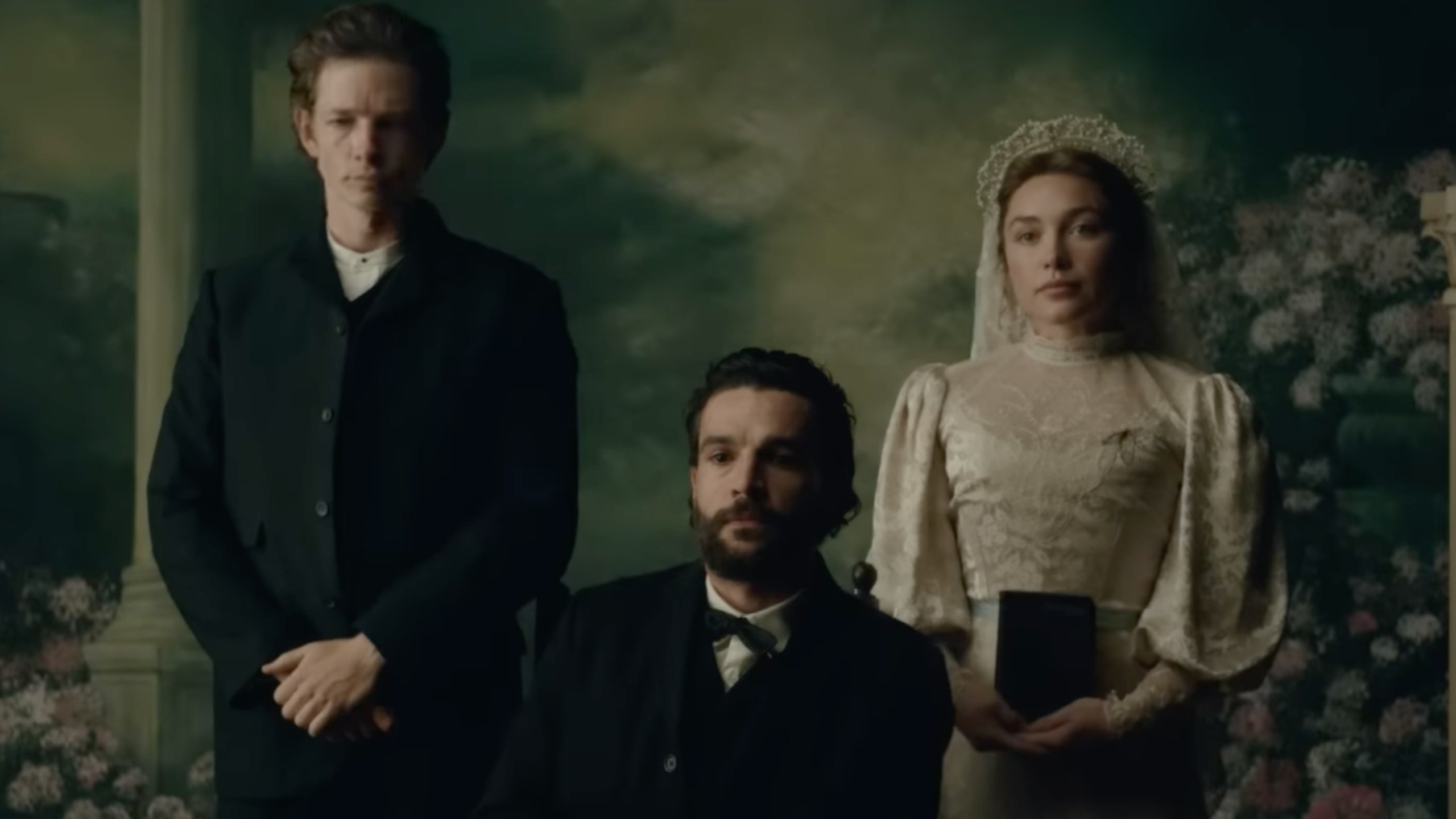
To say this is an ambitious bit of work is to perhaps misuse the word “understatement”. East Of Eden is a grand, epic family saga, covering three generations and two families, the Trasks and the Hamiltons, telling a richly philosophical, near-operatic story about Biblical morality, about young men wrestling with their better and worse natures, and taking personal responsibility for their actions, the micro and the macro on every page. It is pure Americana: a text about, and of, its country.
This is a sprawling, generational canvas that Kazan is painting on and it proves a largely lavish, thoughtful adaptation.
The natural inclination in adapting a book of this stature, so revered and so heavily studied by schoolchildren, is to go prestige-by-numbers, and Kazan — who serves as writer and co-showrunner — is not immune to some of the tropes that were once catnip to awards voting bodies. There is a wistful narration in the first couple of episodes which feels like a clunky bookish device, thankfully dropped. The first two episodes, set in the late 19th century, also struggle with younger actors who don’t possess the gravitas of their elder counterparts — though Tracy Letts puts in a superb turn as the Trask patriarch, a pompous and stern Victorian father who pits his sons against each other.
But when it gets going, East Of Eden really sings: this is a sprawling, generational canvas that Kazan is painting on and it proves a largely lavish, thoughtful adaptation. It is, among other qualities, a very handsome piece of work; series directors Garth Davis (Lion) and Laure de Clermont-Tonnerre (Presumed Innocent) make the most of the New-Zealand-doubling-for-California scenery.
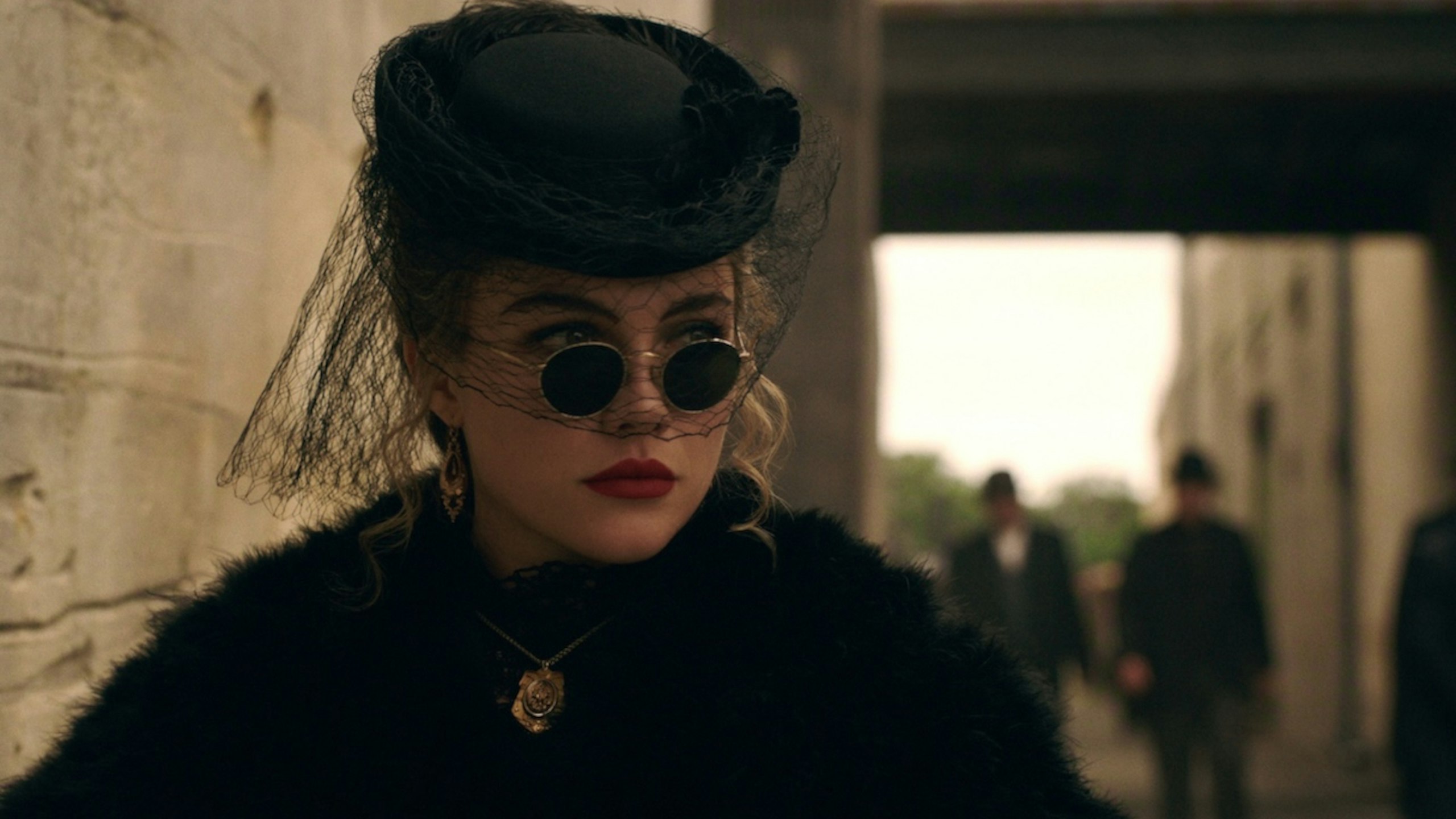
Where the book was chiefly concerned with the travails of the Trasks and the Hamiltons, it is Cathy Ames (played here by Florence Pugh) that Kazan seems most fascinated by, transforming Steinbeck’s study of morality by dialling up more modern ideas of gender and patriarchy. In the book, Cathy is a symbol of pure evil, an allegorical avatar of Eve’s original sin, but in Kazan and Pugh’s hands she becomes something far more complex. They never make her despicable actions feel forgivable, but they contextualise them enough to feel understandable.
“God has given me authority over you,” Cathy’s father tells her in one key scene. “You’re my property.” It is crystal clear the intention of the writing here, and frames what she does next — no spoilers for a 74-year-old book — as a fight for emancipation rather than a mere act of empty evil. Pugh plays her with incredible poise, with a Katharine Hepburn-esque drawl, pure controlled chaos. But the series in turn deftly emphasises the very real dangers posed by men lurking around every corner, how the routes to liberation and safety were ruinously limited for women at this time, and how Cathy takes a fascinatingly explicable shortcut. “The only true freedom in this world,” she states, perhaps correctly, “is economic freedom.”
Elsewhere, Kazan deepens and expands the role of Lee, the Chinese-American housekeeper for the Trasks, with an astonishingly moving and soulful performance from Hoon Lee, who deserves immediate awards consideration. The Hamilton storyline is understandably trimmed from the book to keep the story more focused and streamlined, though Ciarán Hinds puts in beautiful work as Samuel Hamilton, and there is a standout scene between Samuel and Lee in which the two compare notes on their experiences as outsiders and immigrants in white America.
Like the earlier episodes, the latter episodes suffer somewhat from featuring less experienced actors, but the overall effect works. In our late-peak-TV era, it is refreshing to see big, serious, literary work tackled with care and craft and meaning like this.
With clear reverence for the novel, and clear-sighted new ideas elevating Steinbeck’s original themes, this is an excellent and elegant adaption, with stirring performances — especially from Pugh and Lee.