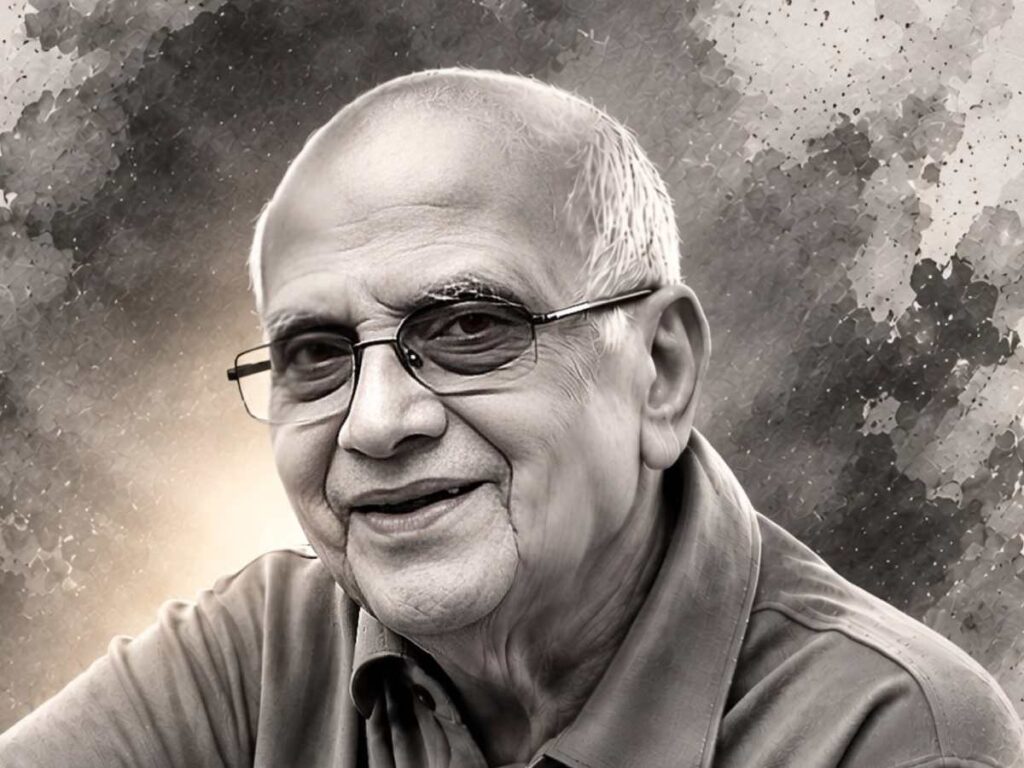


Veteran filmmaker Singeetham Srinivasa Rao has passed away at the age of 94 in Chennai. He breathed his last at Kaveri Hospital following ill health.
For generations of Telugu audiences, his name is inseparable from films that dared to be different. “Pushpaka Vimanam”, “Aditya 369”, “Bhairava Dweepam”, “Amavasya Chandrudu”, “Mayuri” and “Sommokadidhi Sokokadidhi” are among the films that established Singeetham as a filmmaker who refused to be confined by conventional storytelling.
What made his career remarkable was the sheer range of his cinema. He could move effortlessly from comedy to fantasy, from science fiction to social drama, and from mainstream entertainers to experimental films. His work often introduced ideas and filmmaking techniques that were ahead of their time.
Singeetham’s journey in cinema began under the guidance of another legendary filmmaker, K. V. Reddy. As his assistant, he worked on classics such as “Mayabazar” and “Jagadeka Veeruni Katha”. He eventually made his directorial debut with “Neethi Nijayithi” in 1972.
Over the next five decades, he directed around 60 films across Telugu, Kannada, Tamil, Hindi and English. His filmography included “Panthulamma”, “Mayuri”, “Anand”, “Pushpaka Vimanam”, “Aditya 369”, “Brundavanam”, “Bhairava Dweepam” and “Madam”.
“Pushpaka Vimanam” remains perhaps the finest example of his ability to experiment within the mainstream. A dialogue-free film starring Kamal Haasan, it communicated through performances, expressions and visual storytelling and went on to win the National Film Award for Best Popular Film Providing Wholesome Entertainment.
“Aditya 369” showcased another side of his imagination. Combining science fiction, history and commercial entertainment, the film became a landmark in Telugu cinema and remains a favourite among film lovers even decades after its release. “Bhairava Dweepam”, meanwhile, demonstrated his command over fantasy and folklore.
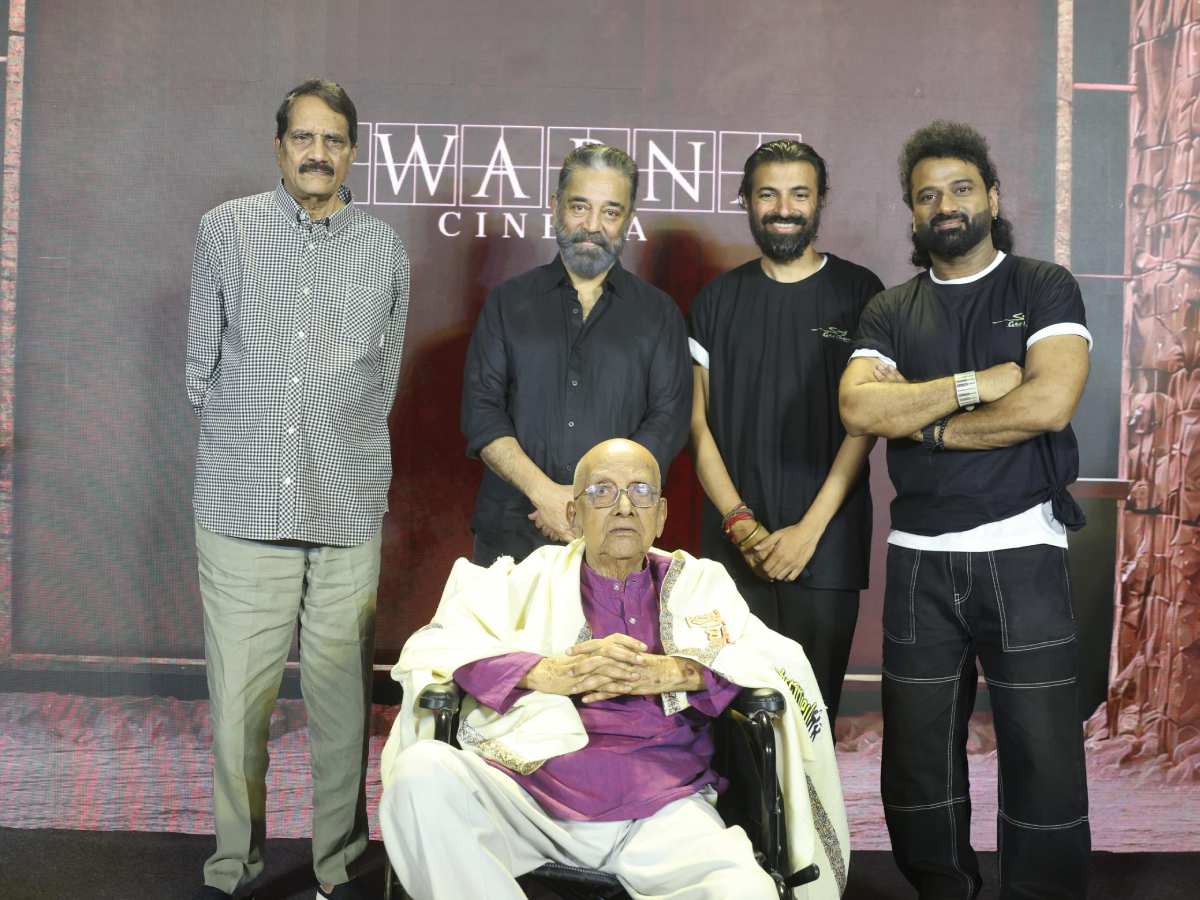
His association with Kamal Haasan produced several memorable films, including “Sommokadidhi Sokokadidhi”, “Raja Paarvai”, “Pushpaka Vimanam”, “Apoorva Sagodharargal” and “Michael Madana Kama Rajan”. He also directed a number of successful films with Kannada superstar Rajkumar.
His achievements were recognised with two National Film Awards, five Nandi Awards, three Karnataka State Film Awards and three Filmfare Awards South. In 2011, he was honoured with the Life Achievement Award by the Film Federation of India.
Yet, perhaps the most remarkable aspect of Singeetham’s journey was that he never appeared to lose his curiosity about cinema.
At an age when most filmmakers would have long retired, he returned to direction in 2026 with “Sing Geetham”. The musical fantasy marked his comeback to filmmaking after nearly a decade and became a testament to his enduring passion for the medium.
At 94, Singeetham was still dreaming up stories, experimenting and making films. That perhaps says more about his relationship with cinema than any award or accolade ever could.
He leaves behind not merely a filmography, but a body of work that challenged conventions and expanded the possibilities of Indian cinema.
For movie lovers, his films will continue to live on. For filmmakers, his career will remain a reminder that cinema is at its best when imagination has no boundaries.