
In the world of books, one of the fastest-growing subcultures is dark academia. Mixing mystery, thriller, and campus narratives, this ominous genre focuses on the moody aesthetics and romanticization of elite educational institutions. Dark academia is largely inspired by timeless classics like The Picture of Dorian Gray by Oscar Wilde and Mary Shelley’s Frankenstein for their gothic atmosphere and complex ethical themes.
Often exploring speculative and fantastical elements of dark academia, the genre’s popularity surged during the pandemic as an almost cozy escape and remains a hot topic as a thriving trend on TikTok. While the subculture’s fashion and architecture movements focus purely on aesthetics, dark academia books explore toxic obsession, intellectual ambition, dangerous pursuit of knowledge, moral corruption, and classism.
These Violent Delights Is a Slow-Burn Psychological Thriller

Micah Nemerever’s These Violent Delights is a coming-of-age dark academia novel set in early 1970s Pittsburgh. Verging on Hitchcockian psychological suspense, it follows insecure and sensitive college student Paul who is inexplicably drawn to his wealthy and charismatic classmate, Julian. Bonding over ethics, philosophy, and psychology classes, their intense connection spirals into an all-consuming, obsessive queer relationship.
Praised for its rich, unsettling prose and in-depth examination of queer alienation and isolation in the late 20th century, this character-driven novel features an unreliable narrator’s slow-burn descent into madness. Exploring youthful desire, toxic codependency, and the blurry boundaries between love and obsession, These Violent Delights is an addictive dark academia novel with a moody atmosphere and escalating dread that slowly builds into irrevocable violence.
Villains Trilogy Verges on Superhero Sci-Fi & Urban Fantasy

The first in V.E. Schwab’s Villains trilogy, Vicious is a 2013 gritty novel that sits on the border of urban fantasy, superhero thriller, and dark academia. While much of the narrative takes place ten years after they met at university, the book focuses on two college roommates, Victor Vale and Eli Ever, whose obsessive research and dangerous experimentation into superpowers turn them into bitter enemies.
Vicious is often categorized under dark academia for its elite university setting, obsessive academic ambition, and the toxic codependent intellectual partnership of its morally gray protagonists. However, the book rejects the traditional heroism of comic book narratives and embraces the twisted morality and intense rivalries that are core to the dark academia aesthetic.
While traditional dark academia centers on the study of classics, Vicious applies moody atmosphere, academic obsession, and intellectual hubris to a sci-fi/fantasy framework. With the series expanded to include two short stories and the 2021 graphic novel spin-off, ExtraOrdinary, the final installment, Victorious, is set to be published in October 2026.
Don’t Let the Forest In Delve Deep Into Teenage Yearning

A rising voice in YA fiction and horror, C.G. Drews’ Don’t Let the Forest In is a New York Times bestselling queer dark academia and botanical horror novel. Set in a gloomy boarding school bordering a forbidden, encroaching forest, the novel follows Andrew, who spends his time writing dark and twisted fairy tales, and Thomas, his brooding friend who sketches the nightmarish creatures from Andrew’s stories and has returned to school with a terrifying secret.
With the characters’ all-consuming mutual obsession with each other, this book features crucial asexual representation and explores the raw, messy, and complicated reality of navigating teenage romantic yearning in a hypersexualized world. A leading example of the emerging “forest rot” aesthetic, Don’t Let the Forest In blends creeping psychological dread, gothic atmosphere, and poetic, high-stakes horror, and an intense examination of mental illness.
The Will of the Many Is Set in a Pseudo-Roman Empire

One of the best fantasy books from the last 5 years, The Will of the Many by James Islington is an epic fantasy novel and the first in The Hierarchy series. Taking place in the Catenan Republic, where the lowborn must surrender a portion of their life force or “Will” to the classes above them, it blends an ancient Roman-inspired setting with a unique magic system and dark academia elements in a cutthroat survival-of-the-fittest atmosphere.
Its protagonist, Vis Telimus, is an orphaned fugitive who hides his identity to infiltrate and rise through the ranks of the elite Catenan Academy to solve a murder and uncover dangerous secrets about the Republic. A brutal school that trains the empire’s future leaders, students face an intense, high-stakes academic competition that mirrors its society’s ruthless class divisions.
With a slow-burn introduction that accelerates into a relentless, highly engaging middle and final act, the novel is highly acclaimed for its surprising plot twists and intricate world-building. Exploring themes of parasitic capitalism, systemic oppression, colonization, and moral complicity, The Will of the Many is an epic political fantasy with strong dark academia vibes.
The Atlas Six Includes Intense Arcane Academic Study

The first in a trilogy, The Atlas Six by Olivie Blake quickly went from a self-published Kindle novel to a viral BookTok sensation and a prominent modern dark academia fantasy. It follows six talented magicians competing for five spots in the Alexandrian Society — a clandestine organization of magical academicians who protect the lost knowledge of the ancient Library of Alexandria — leaving one candidate to be permanently eliminated.
Rather than high-stakes action sequences, this character-driven narrative relies heavily on intense psychological conversations, ethical debates, and philosophical musings of its highly intelligent but deeply flawed cast of morally gray prodigies. A staple of the genre, The Atlas Six captures the core dark academia tropes of secret knowledge, intellectual obsession, academic prestige, arrogant ambition, and toxic rivalries in an atmospheric setting.
Ninth House Explores Yale’s Sinister Secret Societies

Considered one of the best examples of low fantasy literature, Leigh Bardugo’s Ninth House is a defining contemporary novel in fantasy-driven dark academia. The first book in the Alex Stern trilogy, it follows the titular character, a high school dropout who receives a full-ride scholarship to Yale in exchange for joining Lethe House — an organization tasked with monitoring the university’s eight ancient secret societies.
Set in one of the most prestigious colleges in the world and focusing on its real-life secret societies, the novel trades dark academia’s traditional cozy collegiate aesthetics for gritty and visceral paranormal horror. With the ability to see ghosts and her impoverished upbringing, Alex stands out from her polished and privileged peers — offering a cynical view of elite campus life.
With a dangerous and messy magic system where wealthy organizations use occult rituals to gain wealth, power, and influence, Bardugo critiques institutional power, elitism, and class divides in higher education. Delivering heavy, atmospheric dread, high stakes, and a poignant exploration of trauma and isolation, Ninth House deconstructs romantic academia to expose the rot and decay hidden beneath the university’s ivy-covered walls.
Bunny Is a Psychological Horror About School Cliques

Published in 2019, Mona Awad’s satirical horror novel, Bunny, is highly praised for its razor-sharp wit, addictive readability, and fairytale horror. It follows Samantha, a scholarship student at an elite New England university’s creative writing program who is invited to join a wealthy, hive-minded clique of female classmates who speak in unison and call each other “Bunny.” As she’s drawn into their world, Samantha soon discovers their sinister creative rituals.
Often described as “The Secret History meets Mean Girls and Heathers“, this viral BookTok sensation blurs the line between reality and psychological delusion in its wildly bizarre and unique spin on campus cult dynamics. Mixing traditional dark academia settings with violent surrealism, body horror, satire, and dark comedy, Bunny is a subversive and unsettling dive into the claustrophobic world of institutional elitism, toxic female friendships, and artistic ambition.
Babel Blends Historical Fantasy and Dark Academia Tropes

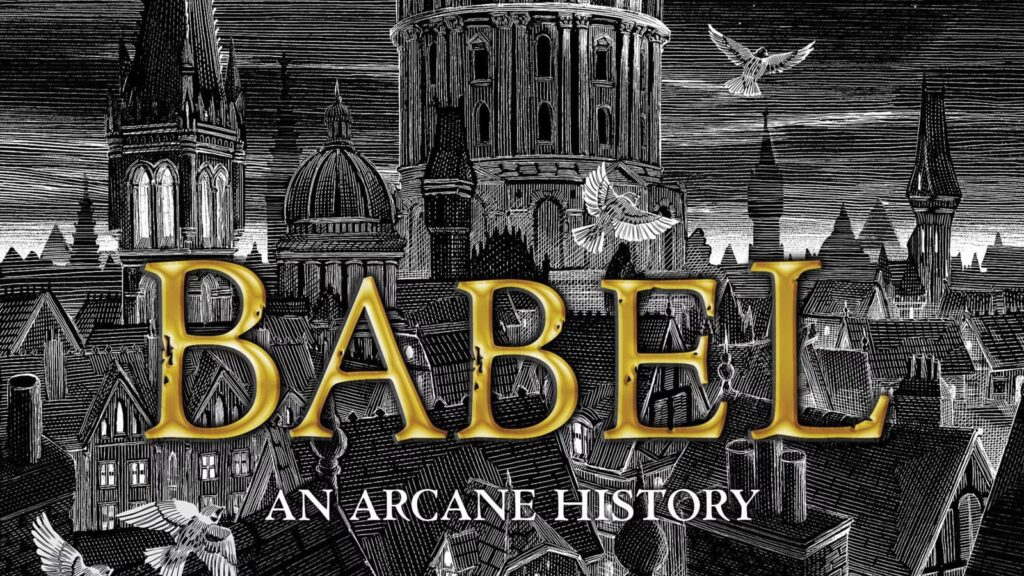
Revered as one of the best fantasy books of the 2020s, R.F. Kuang’s Babel is already considered a cornerstone of fantastical dark academia. Following four students who realize their work is used to maintain an imperialist empire, this ambitious, award-winning novel is set at Oxford University in the 1830s and explores an alternate history where Britain’s colonial might is fueled by “silver-working” — silver bars that manifest the power of words lost in translation.
A BookTok sensation that debuted at #1 on The New York Times bestseller list, Babel has been widely praised for its unique magic system that proves words are weapons by using etymology and translation as power sources of imperial force and political violence. Expanding beyond campus walls into a political awakening of the characters’ complicity, the novel explores a violent student revolution against the elitist system.
Moving past the classic coming-of-age narrative, Kuang turns dark academia’s core tropes into a sharp critique of imperialism, racism, elitism, and how prestigious institutions fueled British colonialism and exploitation. Deeply researched and heavy with real examinations of linguistics, etymology, and history, Babel’s intense academic atmosphere and immersive world-building carry thematic depth that makes it feel more intellectual than most dark academia fantasy novels.
If We Were Villains Turns Theater Kids into Potential Killers

A definitive cornerstone of modern dark academia, If We Were Villains is the 2017 debut novel of M.L. Rio that blends intense theatrical obsession with a gripping psychological thriller. Set at an elite art school called Dellecher Classical Conservatory, the story follows a tight-knit group of 7 fourth-year Shakespearean acting students. When an on-stage rivalry and accelerating toxicity culminate in a fatal tragedy on opening night, it sets off a decade-long mystery.
Immersed in the claustrophobia of an insular theatrical group, the book gradually blurs the lines between their roles on stage and their real-life relationships. With life imitating art, the novel itself is split into acts and scenes to mirror a classic five-act Shakespearean tragedy. The novel also takes care to examine several dark academia tropes, including an isolated gothic campus, pretentious literary quotes, and academic rivalries.
Through the obsession, jealousy, and unrequited longing of a cast of deeply flawed yet brilliant characters, it explores the devastating cost of a decaying friendship group. Seemingly larger than life and with an excessive flair for dramatics, If We Were Villains is steeped in archaic prose, intense intellectual devotion, and a foreboding melancholic tension.
The Secret History Is a Foundational Genre-Defining Classic

Widely considered the quintessential masterpiece of the genre, The Secret History by Donna Tartt is an inverted detective story that has come to define dark academia. Published in 1992, it predates the contemporary popularization of the literary label but established nearly every trope the genre relies on. The foundational blueprint: Tartt infused a campus narrative with gothic aesthetics, psychological tension, and intellectual obsession to create the modern dark academia genre.
Set in a secluded liberal arts college in rural Vermont, the novel is narrated by the outsider in a tight-knit group of otherwise wealthy, eccentric classics students under the hypnotic tutelage of their charismatic professor. Beginning with a confessed murder, the story works backwards to unpack the toxic obsession, elitism, and moral decay that led to it. With its unfulfilled, pretentious, and morally bankrupt anti-heroes, Tartt created the genre’s signature cynical character archetypes.
Despite several canceled screen adaptations of The Secret History, the novel reached new audiences during the pandemic, with its themes of obsessive elitism and hedonism appealing to younger readers. With its moody autumnal landscapes, esoteric antiquity, and intense psychological claustrophobia, it became a viral phenomenon on BookTok that pushed the atmospheric aesthetics of dark academia to new levels.