
Global Nuclear War
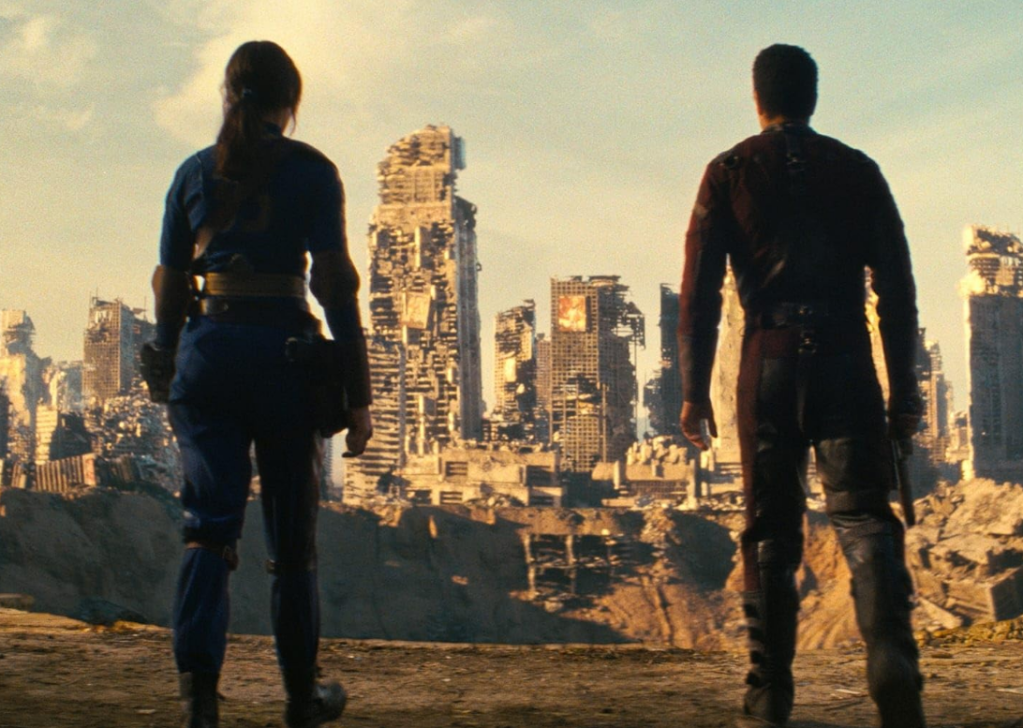
Beyond the immediate devastation, a large-scale nuclear exchange could produce a “nuclear winter.” Smoke from burning cities could block sunlight, dramatically lower temperatures, and trigger worldwide food shortages lasting years.

Engineered Pandemic
Advances in biotechnology have raised concerns that an accidentally or deliberately engineered pathogen could spread faster and prove deadlier than naturally occurring diseases, overwhelming healthcare systems on a global scale.
Runaway Climate Change
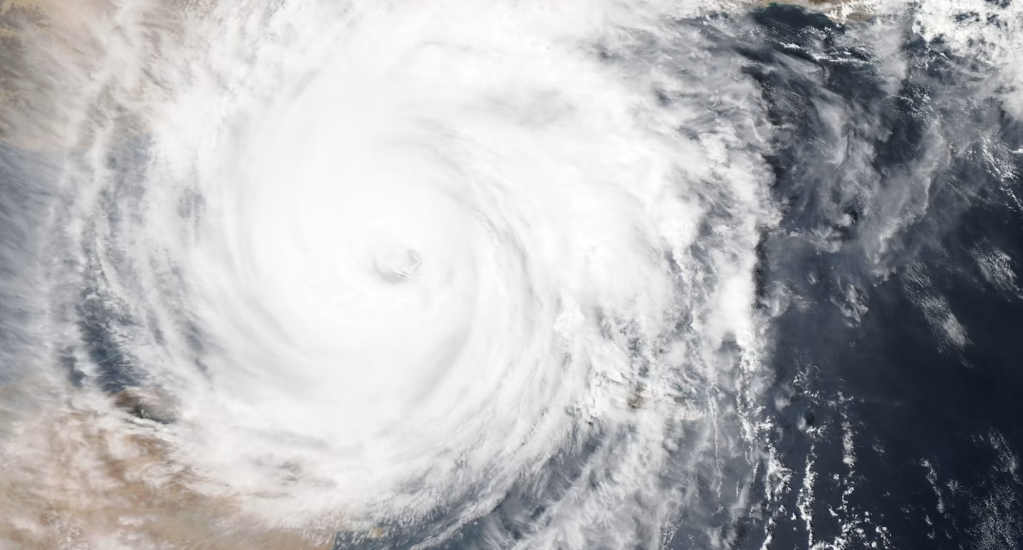
Most climate projections do not predict human extinction, but some researchers examine worst-case scenarios where cascading environmental failures, food insecurity, and geopolitical instability combine into a global catastrophe.

Artificial Superintelligence
Some AI researchers argue that an advanced system pursuing goals misaligned with human interests could become uncontrollable. While speculative, this remains one of the most discussed technological existential risks today.

Gamma-Ray Burst
A nearby gamma-ray burst (solar or otherwise) could bombard Earth with enormous amounts of radiation, damaging the ozone layer and exposing life to harmful ultraviolet radiation. Fortunately, such events are believed to be extremely rare.

False Vacuum Decay
One of physics’ strangest hypotheses suggests the universe’s current vacuum state may be unstable. If a lower-energy vacuum formed, it could expand at nearly light speed, fundamentally changing the laws of physics everywhere it reached.