- 0
- 628 words
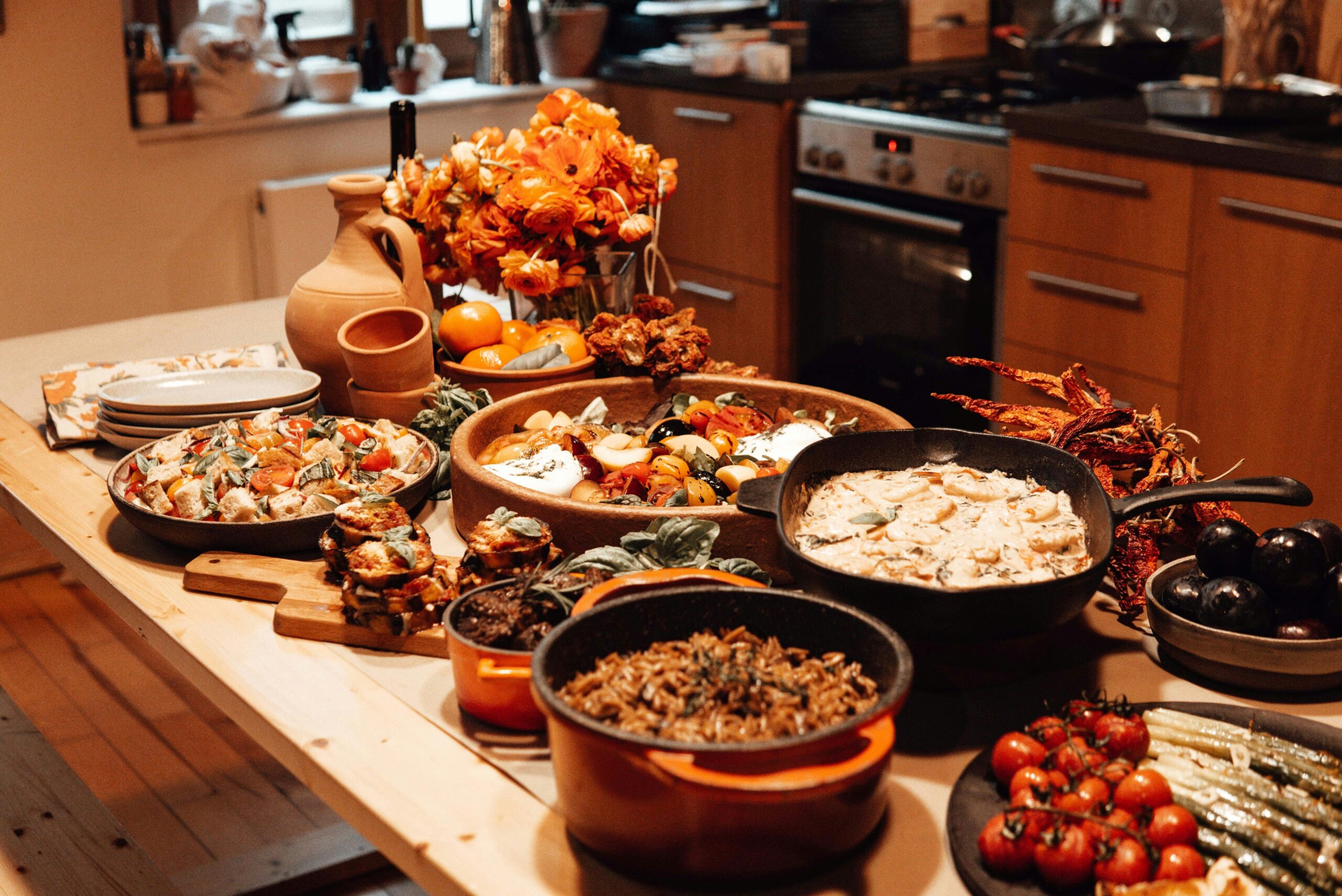
In March 2026, British home-style cooking in England is defined by a “New Heritage” movement. It’s a return to nose-to-tail eating, seasonal British produce, and the unparalleled comfort of slow-cooked “puddings” (which, in England, refers to both savory suet crusts and sweet desserts).
British food is less about flashy presentation and more about the mastery of the oven—roasting, baking, and braising to coax deep flavor out of humble ingredients.
1. The Sunday Roast: The National Ritual
The Sunday Roast is the undisputed king of English home-style cooking. In 2026, the focus has shifted toward high-welfare, local butchery.
- Roast Beef & Yorkshire Pudding: The gold standard. The beef is traditionally served rare, but the real star is the Yorkshire Pudding—a savory batter of eggs, flour, and milk that rises into a crisp, airy “vessel” for gravy.
- The Gravy: In England, gravy is not a condiment; it is a primary ingredient. It’s made by deglazing the roasting tin with meat stock and a splash of ale or red wine.
- Duck Fat Potatoes: For the ultimate English roast, potatoes are parboiled, “shaken” in the pot to create rough edges, and roasted in hot duck or goose fat until they achieve a glass-like crunch.
2. Savory Pies & “Pub Classics” at Home
English cuisine excels at “encased” cooking—using pastry to steam and protect meat and vegetables.
- Shepherd’s Pie vs. Cottage Pie: A constant point of clarification! Shepherd’s Pie uses minced lamb (the “Shepherd”), while Cottage Pie uses minced beef. Both are topped with a thick layer of mashed potato and “forked” on top to create crispy peaks in the oven.
- Steak & Ale Pie: Chunks of beef slow-cooked in a dark British bitter or stout, encased in buttery shortcrust or puff pastry.
- Fish Pie: A “coastal comfort” favorite. White fish, smoked haddock, and prawns are poached in a creamy parsley sauce, topped with mashed potato and melted Cheddar cheese.
3. The “Full English” & Afternoon Tea
These are the two pillars of English identity that have conquered the world.
| Dish/Meal | The 2026 Essential Components | The Secret |
| Full English Breakfast | Back bacon, Cumberland sausage, black pudding, fried egg, grilled tomato, and mushrooms. | Fried Bread. Sourdough or thick white bread fried in the bacon fat until golden. |
| Scones (Cream Tea) | Warm, buttery scones served with clotted cream and strawberry jam. | Cream First or Jam First? In Devon, it’s cream then jam. In Cornwall, it’s jam then cream. |
| Toad in the Hole | Large sausages baked into a massive Yorkshire pudding batter. | Ensure the oil in the tin is smoking hot before pouring the batter to get the “rise.” |
4. “Proper” English Puddings (Desserts)
In 2026, “Nursery Puddings”—hot, nostalgic desserts—are having a major revival in London’s top restaurants and homes alike.
- Sticky Toffee Pudding: A moist sponge cake made with finely chopped dates, covered in a rich toffee sauce and served with cold custard or vanilla ice cream.
- Apple & Blackberry Crumble: The quintessential autumn/winter dessert. Stewed fruit topped with a “rubbed” mixture of flour, butter, and sugar, baked until bubbling.
- Eton Mess: A summer staple. A chaotic but delicious mix of crushed meringue, fresh strawberries, and whipped cream.
5. Summary: The English Kitchen “Rules”
- The Custard Rule: Almost every sweet pudding should be served with warm, vanilla-flecked custard (Crème Anglaise).
- Seasoning the Mash: English mashed potatoes should contain a generous amount of butter, a splash of whole milk, and a pinch of white pepper.
- The “Brown Sauce” Factor: For breakfasts and bacon sandwiches, HP Sauce (a tangy, tamarind-based brown sauce) is the essential “acid” to cut through the fat.
2026 Hosting Tip: To host a “Proper English Tea” this month, remember that the tea itself should be a strong black blend (like Earl Grey or Breakfast Tea), brewed for exactly 3–5 minutes, and almost always served with a splash of milk.
Author

kinzisheikh12@gmail.com
Related Posts

Popular Hungarian Paprika-Based Recipes
- 0
- 590 words
In March 2026, Hungarian cuisine is enjoying a global renaissance, driven by a “Farm-to-Kettle” movement that emphasizes the incredible quality of Kalocsa...
Read out all
Famous Swedish Nordic Recipes and Cooking Culture
- 0
- 547 words
In March 2026, Swedish cuisine is at the forefront of the “New Nordic” movement, which emphasizes sustainability, foraging, and the ancient art...
Read out all
Dutch Kitchen Recipes Loved by Families
- 0
- 573 words
In March 2026, Dutch home cooking is being redefined by a “New Nordic-Dutch” movement. While historically known as humble and functional, traditional...
Read out all
Classic Belgian Comfort Foods and Regional Dishes
- 0
- 569 words
In March 2026, Belgian cuisine is being celebrated as the “Heart of Western Europe”—a sophisticated middle ground between the technical refinement of...
Read out all
Traditional Portuguese Seafood Recipes of Europe
- 0
- 626 words
In March 2026, Portuguese seafood remains the gold standard of Atlantic Mediterranean cuisine. Unlike its neighbors, Portugal looks almost entirely to the...
Read out all
Famous Austrian Kitchen Recipes Beyond Schnitzel
- 0
- 594 words
In March 2026, Austrian cuisine is being celebrated for its “Alpine-Imperial” duality—a unique blend of rugged mountain sustenance and the refined, opulent...
Read out all