- 0
- 597 words
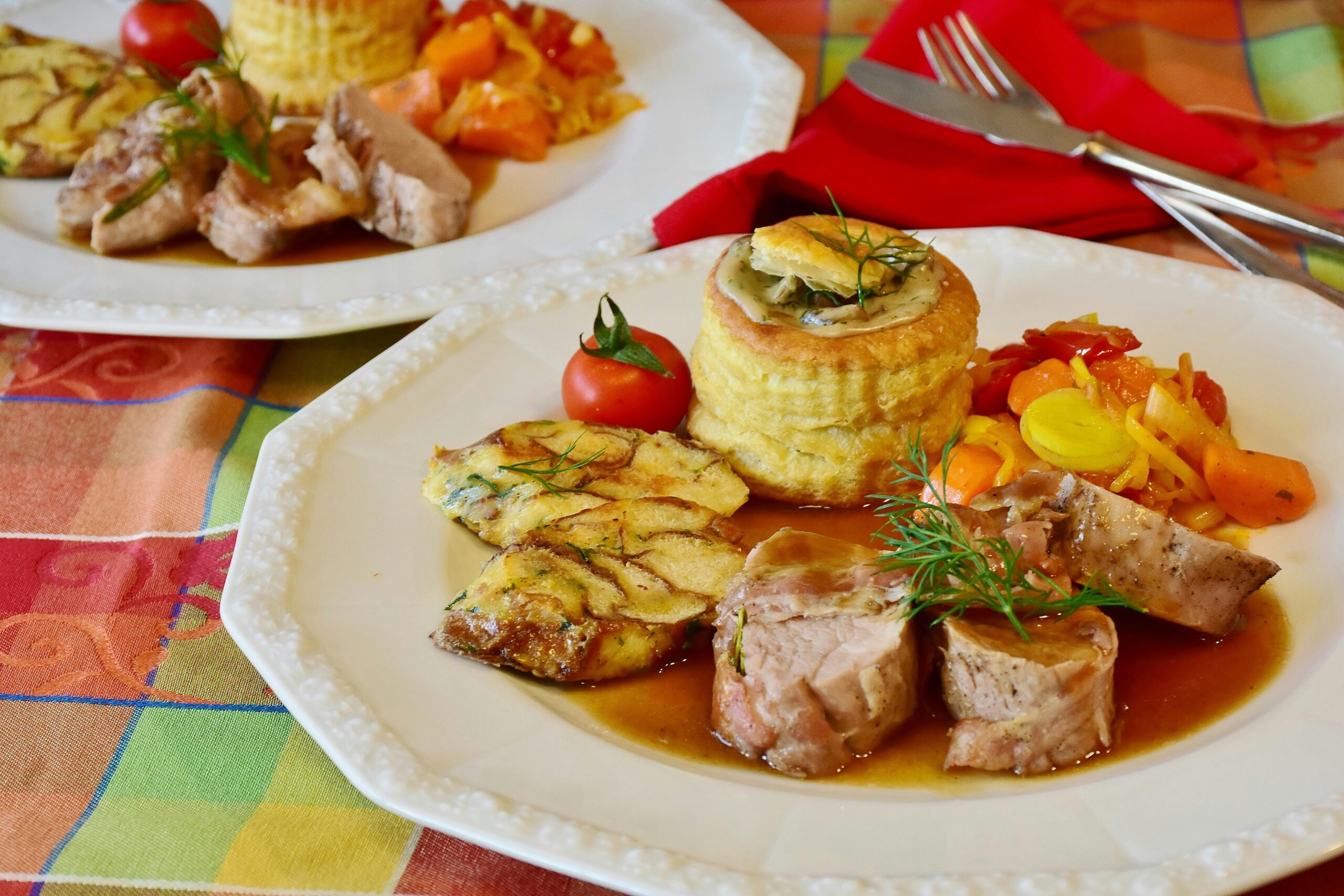
In March 2026, German traditional cuisine is experiencing a “Modern Heimat” (Homeland) revival. While often stereotyped as just “meat and potatoes,” authentic German cooking is actually a sophisticated balance of sweet-and-sour profiles, intricate fermentation, and high-quality butchery.
The German kitchen is defined by Seasonal Regionalism—from the fresh fish of the Baltic North to the hearty, alpine flavors of Bavaria in the South.
1. The “Sunday Roast” Classics
For many Germans, Sunday remains the day for Sonntagsbraten—dishes that require hours of slow-cooking to achieve a deep, umami-rich gravy.
- Sauerbraten (The National Jewel): A pot roast (usually beef) marinated for 3–7 days in a mixture of vinegar, wine, and aromatic spices like cloves and juniper berries.
- The 2026 Twist: Traditionalists thicken the sauce with crushed gingerbread (Lebkuchen) or raisins to provide that signature sweet-and-sour finish.
- Rouladen: Thin slices of beef spread with mustard, then rolled up with bacon, onions, and a spear of pickle. They are braised until the meat is fork-tender and the pickles have infused the sauce with a tangy kick.
- Schweinebraten: Bavarian roast pork with a “shatter-crisp” crackling, traditionally served with a dark beer sauce made from local Dunkel lager.
2. The Comfort Staples: Noodles & Dumplings
In Germany, the “side dish” is often the star of the show, acting as a vehicle for the rich gravies.
- Spätzle (Swabian Pasta): Tiny, irregularly shaped egg noodles made by “scraping” dough into boiling water.
- Kässpätzle: The German version of Mac & Cheese—layered with mountain cheeses (Emmentaler or Bergkäse) and topped with a mountain of crispy fried onions.
- Knödel (Dumplings):
- Semmelknödel: Made from soaked day-old bread rolls, parsley, and onions.
- Kartoffelknödel: Starchy potato dumplings with a “crouton” surprise in the center.
- Maultaschen: Large, square pasta pockets from the Swabia region, stuffed with meat, spinach, and herbs. Legend says monks invented them to “hide” meat from God during Lent—hence their nickname Herrgottsbescheißerle (Little God-cheaters).
3. Iconic Street Food & Quick Bites
You cannot discuss the German kitchen without the “Fast Food” culture that fuels its cities.
| Dish | Origin | The Secret |
| Currywurst | Berlin | A steamed then fried bratwurst sliced and topped with a spiced tomato-curry ketchup. |
| Schnitzel Wiener Art | National | Thinned veal or pork, breaded and pan-fried in clarified butter so the coating “puffs” up. |
| Kartoffelpuffer | Rhineland | Shallow-fried potato pancakes served with Apfelmus (applesauce) for a sweet-salty contrast. |
| Flammkuchen | Alsace/Baden | An ultra-thin “pizza” topped with crème fraîche, onions, and smoked bacon bits (Speck). |
4. The Bread & Sausage Culture (Abendbrot)
In 2026, the tradition of Abendbrot (Evening Bread) is seeing a resurgence as a sustainable, low-energy dinner. It consists of high-quality Sourdough Rye (Roggenbrot), a selection of cold cuts (Aufschnitt), and local cheeses.
- The Sausage Spectrum: With over 1,500 varieties, the favorites remain the Bratwurst (grilled), Weisswurst (boiled veal sausage from Munich, eaten with sweet mustard), and Frankfurter.
- Sauerkraut: Not just a side, but a functional superfood. In 2026, home fermentation is a major trend, with cooks adding caraway seeds and apple slices to their crocks for a milder, more complex crunch.
5. Summary: German Cooking “Rules”
- The “Acid” Balance: If a dish is rich, always balance it with something pickled or vinegary (like red cabbage or a gherkin).
- Texture is King: The contrast between a soft dumpling and a crispy roast or a crunchy onion is the hallmark of a great German plate.
- Respect the Season: White Asparagus (Spargel) in May, Chanterelle mushrooms in August, and Goose in November. Germans eat with the calendar.
2026 Hosting Tip: To finish a traditional German meal this month, serve a Spaghettieis (vanilla ice cream pressed through a potato ricer to look like pasta, topped with strawberry “sauce”)—a nostalgic favorite in German ice cream parlors.
Author

kinzisheikh12@gmail.com
Related Posts
Popular Hungarian Paprika-Based Recipes
- 0
- 590 words
In March 2026, Hungarian cuisine is enjoying a global renaissance, driven by a “Farm-to-Kettle” movement that emphasizes the incredible quality of Kalocsa...
Read out all
Famous Swedish Nordic Recipes and Cooking Culture
- 0
- 547 words
In March 2026, Swedish cuisine is at the forefront of the “New Nordic” movement, which emphasizes sustainability, foraging, and the ancient art...
Read out all
Dutch Kitchen Recipes Loved by Families
- 0
- 573 words
In March 2026, Dutch home cooking is being redefined by a “New Nordic-Dutch” movement. While historically known as humble and functional, traditional...
Read out all
Classic Belgian Comfort Foods and Regional Dishes
- 0
- 569 words
In March 2026, Belgian cuisine is being celebrated as the “Heart of Western Europe”—a sophisticated middle ground between the technical refinement of...
Read out all
Traditional Portuguese Seafood Recipes of Europe
- 0
- 626 words
In March 2026, Portuguese seafood remains the gold standard of Atlantic Mediterranean cuisine. Unlike its neighbors, Portugal looks almost entirely to the...
Read out all
Famous Austrian Kitchen Recipes Beyond Schnitzel
- 0
- 594 words
In March 2026, Austrian cuisine is being celebrated for its “Alpine-Imperial” duality—a unique blend of rugged mountain sustenance and the refined, opulent...
Read out all