Squad rivalries, secret bloodlines, and outcasts fighting for recognition define supernatural shonen as much as any grimoire ever could. Guild halls, exorcist academies, and breathing techniques all trace back to the same obsession with hidden power that made Black Clover‘s Asta so compelling. Hierarchy exists specifically so someone can tear through it.
Black Clover built its mythology around elemental magic, competitive squads and an underdog determined to rise above his limitations. That formula has produced countless supernatural series, each putting its own spin on battles between gifted fighters, ancient forces, and those determined to challenge established expectations.
Fairy Tail Builds a Guild Around Found Family and Magical Rivalries
-
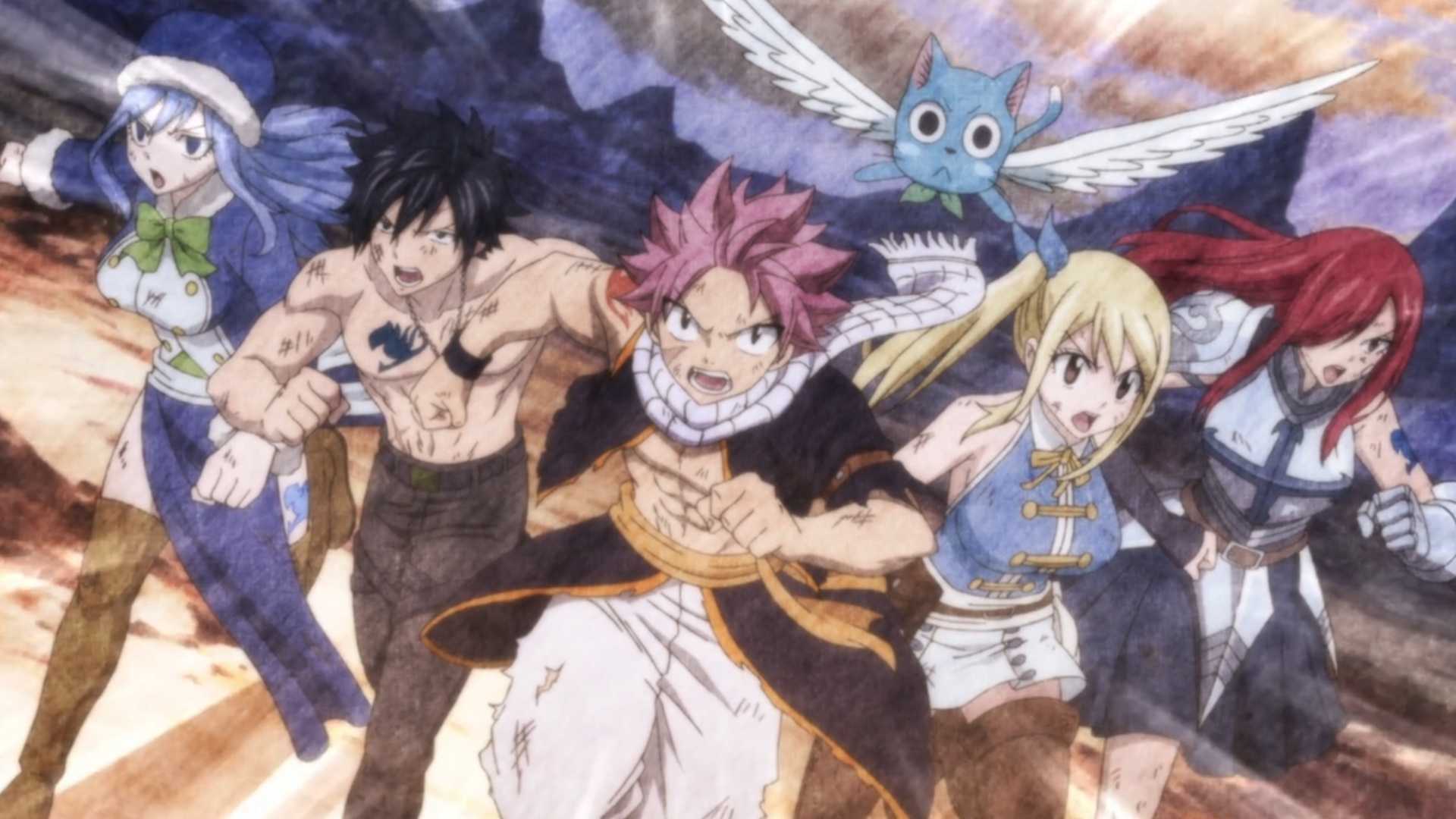 Image via A-1 Pictures
 -
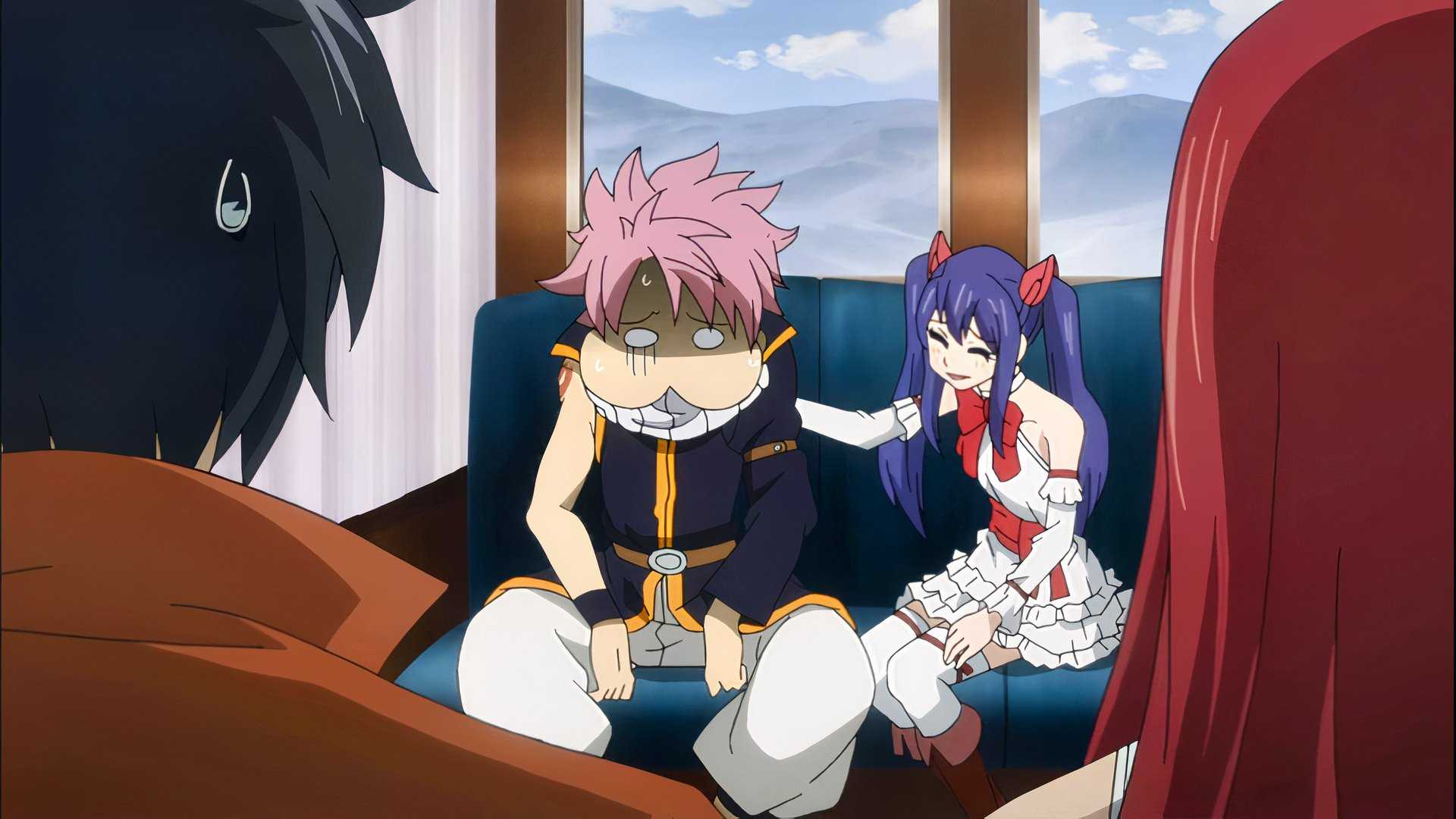 Image via A-1 Pictures, Satelight
 -
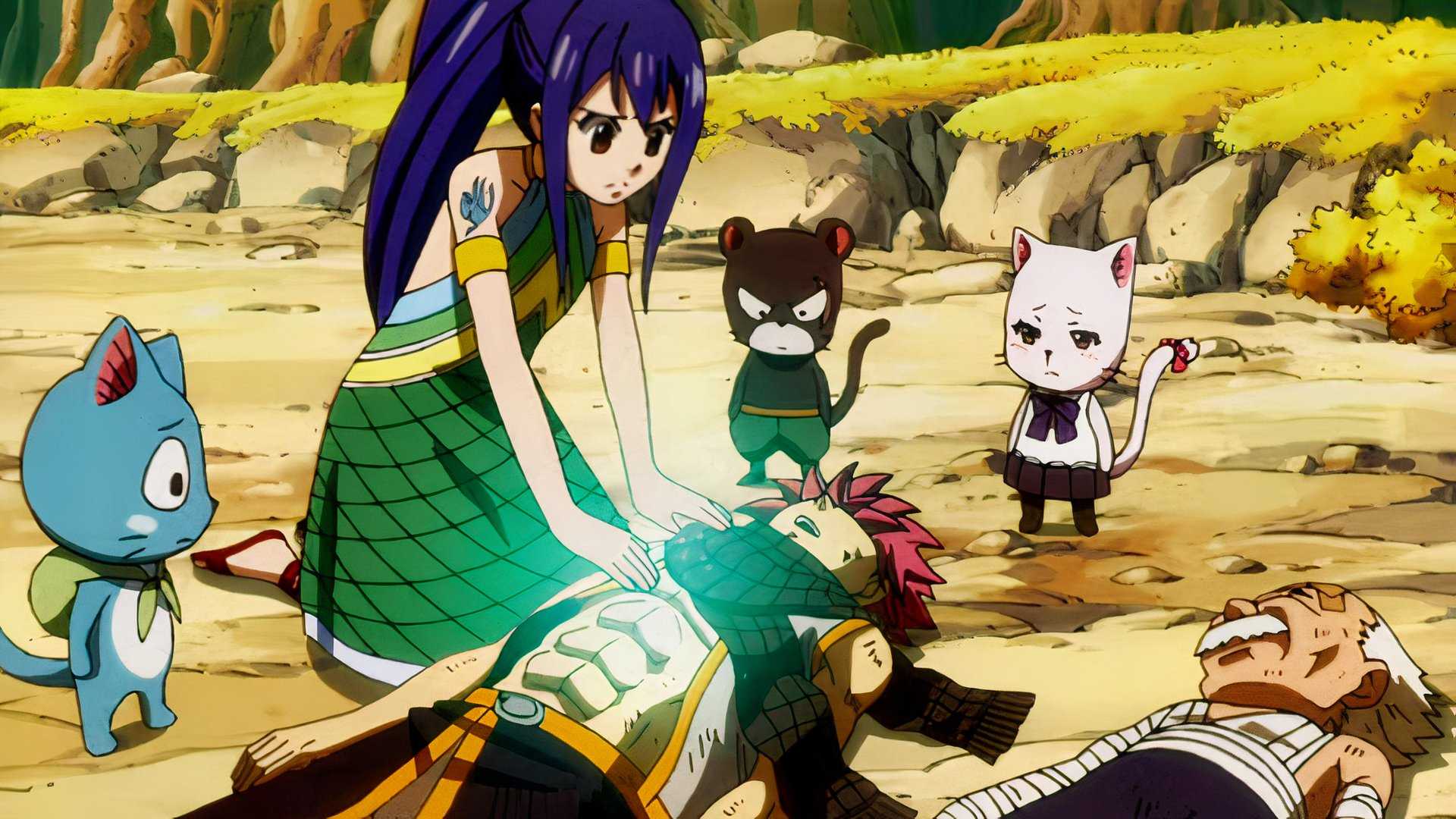 Image via A-1 Pictures, Satelight
Fairy Tail turns its titular guild into a home for wizards who have nowhere else to belong. Natsu Dragneel, Lucy Heartfilia, Gray Fullbuster, and Erza Scarlet bring wildly different personalities and abilities to their missions, while the guild’s S-Class trials give its strongest members demanding tests of skill.
The series uses its magical battles to develop friendships, rivalries and personal histories that continually strengthen its identity. Those relationships also drive many of Fairy Tail‘s most memorable conflicts.
Natsu and Gray’s constant rivalry creates friction without weakening their loyalty, while Erza’s discipline and Makarov’s protective leadership provide stability when battles become increasingly dangerous. Major conflicts also give supporting characters opportunities to demonstrate their abilities, keeping the series’ large cast involved, not just its strongest wizards.
Mashle Magic and Muscles Turns a Magicless Hero Into a Walking Challenge to the System
-
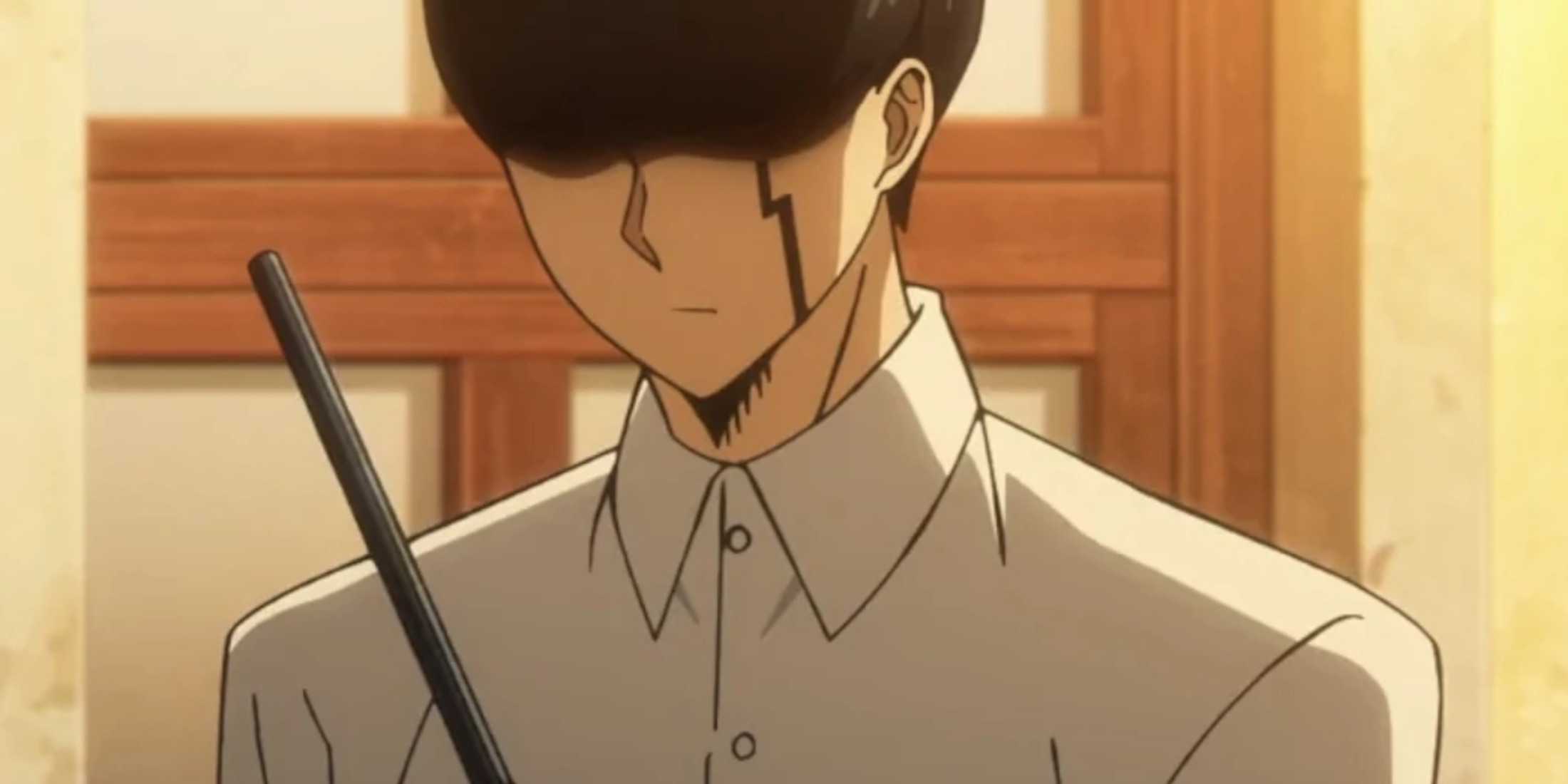 Image via A-1 Pictures
 -
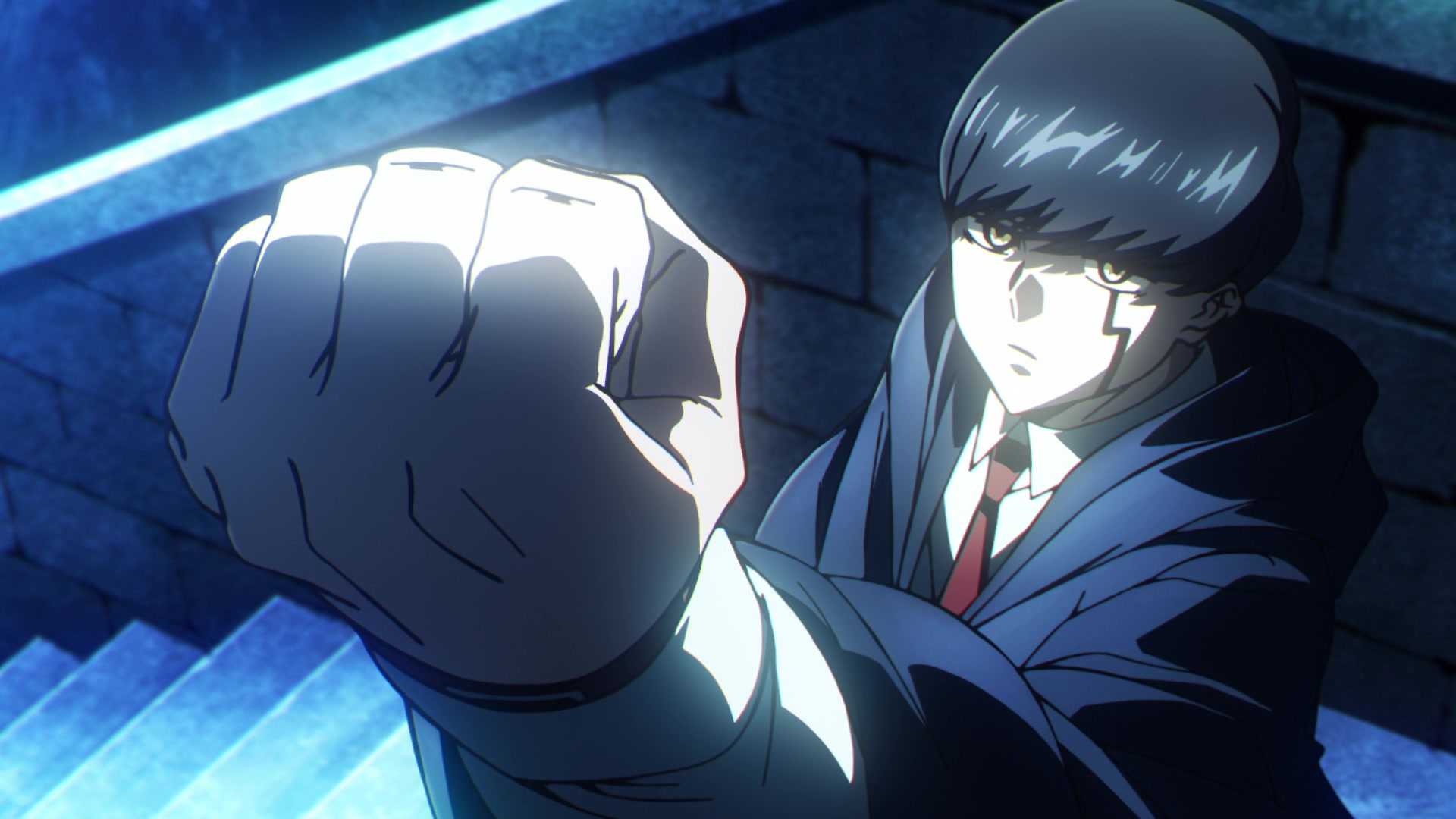 Image via A-1 Pictures
 -
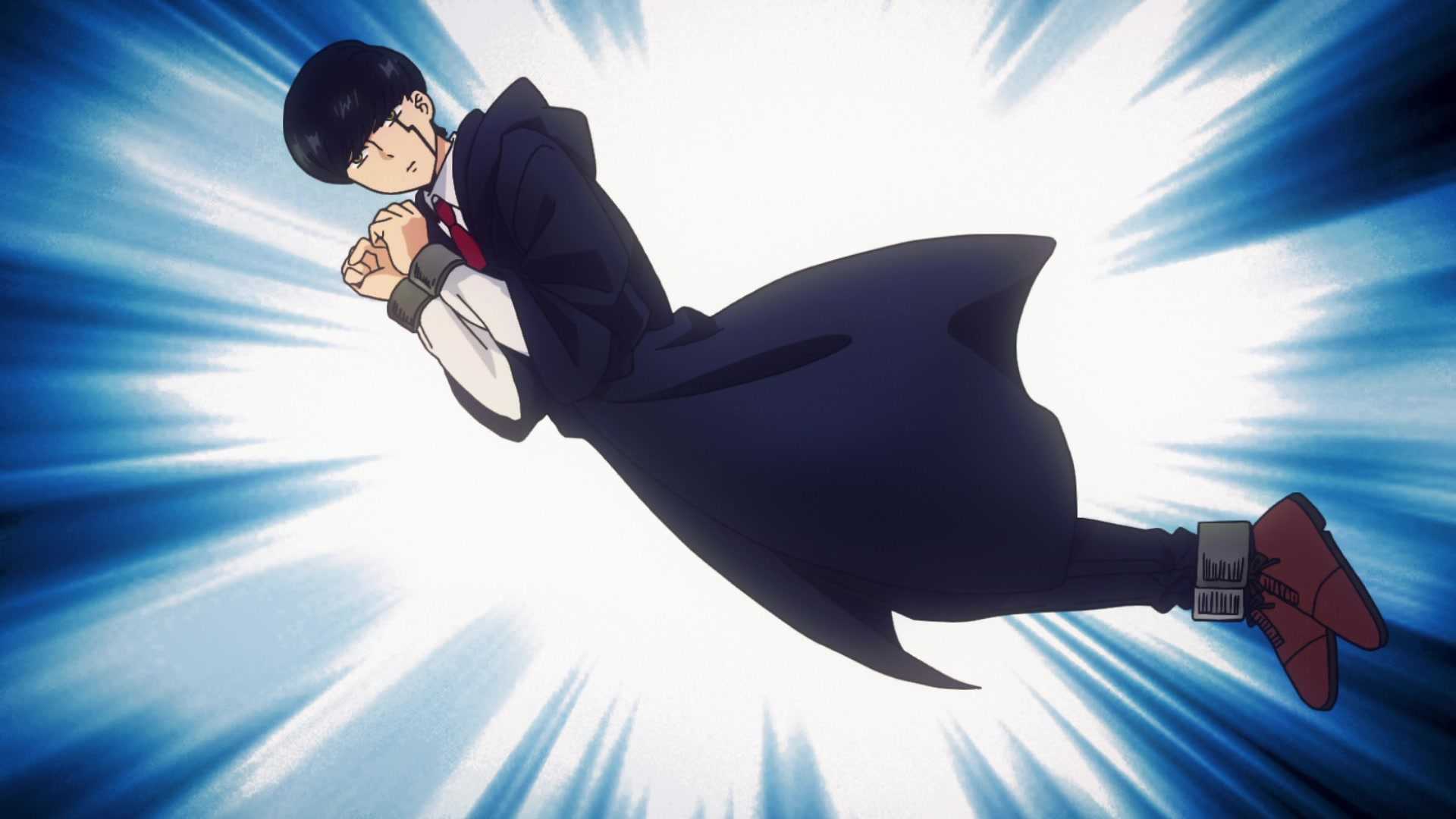 Image via A-1 Pictures
Mash Burnedead lives in a society where magical ability determines status, yet he possesses none much like Asta. After entering Easton Magic Academy, he must conceal his secret while pursuing the title of Divine Visionary.
His extraordinary physical strength lets him overcome spells, examinations and powerful opponents through feats that become increasingly absurd as the story progresses. Mashle: Magic and Muscles builds its humor around the contradiction between Mash’s simple approach and a world governed by complicated magic.
Finn Ames, Lance Crown, Dot Barrett, and Lemon Irvine give his school life a strong ensemble dynamic, while Mash’s determination drives him through increasingly difficult challenges. As a result, the series turns its magic less protagonist into a distinctive blend of supernatural action, comedy, and underdog storytelling.
The Seven Deadly Sins Combines Holy Knights With Ancient Magical Conflicts

The Seven Deadly Sins centers Meliodas and his group of legendary knights, whose return becomes crucial to the Kingdom of Liones. Their search for the remaining members draws them into conflicts involving the Holy Knights, demonic powers, ancient races and secrets surrounding the kingdom’s history.
Each member possesses a distinctive ability, giving battles plenty of variety as the group’s complicated past is slowly revealed. The series expands its fantasy world as battles spread beyond Liones and bring forgotten powers into the present.
Diane’s immense strength, King’s Spirit Spear, Ban’s immortality, and Merlin’s vast magical knowledge make the Sins remarkably different from one another. Their criminal reputations also contrast with their actions, creating an ongoing tension between how powerful figures are perceived and what they actually stand for.
Fire Force Builds a Supernatural Squad Around a Growing Conspiracy

Supernatural abilities, specialized squads and an escalating mystery give Fire Force a strong balance of action and intrigue like Black Clover. The firefighters wield pyrokinetic powers in battles that combine flashy techniques with strategic combat, while the series gradually expands its mythology beyond straightforward supernatural threats.
The result is a world where military structures, unusual abilities, and hidden forces constantly intersect. Company 8 gives Fire Force much of its personality through a cast with sharply different abilities and temperaments.
Maki’s martial arts, Arthur’s delusions, Obi’s physical strength, and Hinawa’s gunplay create memorable team dynamics during battles and quieter moments alike. The series balances supernatural action, mystery, and humor while gradually escalating its conflicts without losing sight of the bonds that hold the company together.
Blue Exorcist Makes Demonic Heritage Central to Its Hero’s Struggle

Blue Exorcist places identity, supernatural power and the fear of inherited evil at the center of its story. Rin Okumura’s struggle to become an exorcist despite his connection to the demonic world gives the series a strong internal conflict, while his blue flames set him apart from those around him. His journey constantly challenges the idea that someone’s origins should determine their character or future.
Yukio’s complicated relationship with his twin brother adds another layer to the story, particularly as their different abilities shape their paths. Blue Exorcist combines demonic mythology, school life, family conflict, and character growth into a supernatural story with steadily expanding tensions that will feel familiar to Black Clover fans.
Magi The Labyrinth of Magic Builds Its Magic Around Dungeons, Djinn, and Political Power

Dungeons filled with dangerous creatures and powerful Djinn give Magi: The Labyrinth of Magic its distinctive supernatural foundation. Magoi fuels its magic system, while Djinn Equip allows characters to channel extraordinary abilities through the beings they encounter.
As the series moves beyond dungeon exploration, its focus widens to kingdoms, empires, slavery, and the political forces that determine who holds power. Aladdin’s innocence contrasts with Alibaba’s uncertainty and Morgiana’s traumatic past, giving the central trio different reasons to confront the forces shaping their lives.
Sinbad’s ambitions introduce another perspective on leadership and authority, while the series’ conflicts force its characters to question how power should be used. Magical battles therefore carry consequences that extend beyond individual victories and defeats.
Naruto Turns an Outcast’s Pursuit of Recognition Into a Ninja Epic

Few supernatural shonen series build an underdog’s rise as extensively as Naruto. Ninja society ranks fighters through clans, villages and specialized techniques, creating a hierarchy that Naruto, like Asta, constantly challenges.
Chakra gives the series a flexible power system, while different fighting styles allow battles to rely on strategy, skill, and individual strengths rather than raw power alone. Naruto’s rivalry with Sasuke Uchiha becomes one of the story’s central conflicts, contrasting Naruto’s determination with Sasuke’s natural talent and prestigious lineage.
Sakura Haruno and Kakashi Hatake add additonal perspectives to Team 7, while later arcs introduce numerous clans and specialized techniques. Personal rivalries and large-scale battles remain closely tied to the characters’ ambitions, relationships, and struggles for recognition.
Bleach Channels Soul Society Hierarchy Into a Clash of Ideals

Bleach sets its supernatural battles within a rigid society shaped by rank, tradition and duty. The Gotei 13’s captains represent different approaches to power, from disciplined swordsmanship to overwhelming physical force, while Ichigo Kurosaki repeatedly challenges the expectations placed on those within the Soul Society.
This creates conflicts where personal convictions can matter as much as combat ability. Kenpachi Zaraki embodies a relentless pursuit of strength, relying on instinct and raw power rather than conventional discipline.
Byakuya Kuchiki represents the privileges and obligations attached to Soul Society’s noble families, while Rukia Kuchiki’s situation exposes the personal cost of those traditions. Their conflicting views on duty, authority, and individual choice give Bleach a strong thematic dimension beyond its supernatural battles.
Jujutsu Kaisen Builds a Brutal Power System Around Cursed Techniques

Cursed Energy gives Jujutsu Kaisen a flexible supernatural system reminiscent of Black Clover, where technique, strategy and personal limitations matter as much as raw power. Innate techniques, binding vows, and Domain Expansions create different ways for sorcerers to approach combat, while Satoru Gojo’s mastery demonstrates the ceiling of transforming an ability into an overwhelming advantage.
Megumi Fushiguro expands that variety through his Ten Shadows Technique, which lets him summon and strategically combine different Shikigami. Nobara Kugisaki, meanwhile, uses her Straw Doll Technique to attack opponents through unconventional methods, giving her a style unlike those of her teammates. These contrasting approaches make encounters unpredictable while reinforcing the series’ emphasis on strategy, creativity, and the intelligent use of Cursed Techniques.
Demon Slayer Turns Relentless Training Into a Foundation for Survival

Discipline and physical conditioning form the core of Demon Slayer‘s approach to supernatural combat. Tanjiro Kamado develops his mastery of Total Concentration Breathing through repetition, endurance and precise control rather than effortless breakthroughs.
This emphasis on preparation makes every advancement feel earned. Breathing Styles give the series a distinct combat identity, with each swordsman adapting techniques to personal strengths and instincts.
Giyu Tomioka’s Water Breathing differs from Zenitsu Agatsuma’s Thunder Breathing, while Inosuke Hashibira relies on his unpredictable Beast Breathing. Their varied methods keep battles visually and strategically engaging, while Tanjiro’s empathy gives his victories greater significance.