
Anime can tell a complete, memorable story without stretching across hundreds of episodes. Some series make every minute count, packing their ideas, characters, and biggest moments into seasons that can be finished in a single weekend. For fans looking to start something new without committing to an enormous franchise, a shorter series can be just as rewarding as a long-running favorite.
A great weekend binge needs more than a low episode count, though. Strong pacing, compelling characters, and a story that keeps moving are what make it difficult to stop after just one episode. The best short anime come from different genres and offer very different experiences, but none require a huge time investment to reach the ending.
Kotaro Lives Alone Is a Small Story With a Big Heart
-
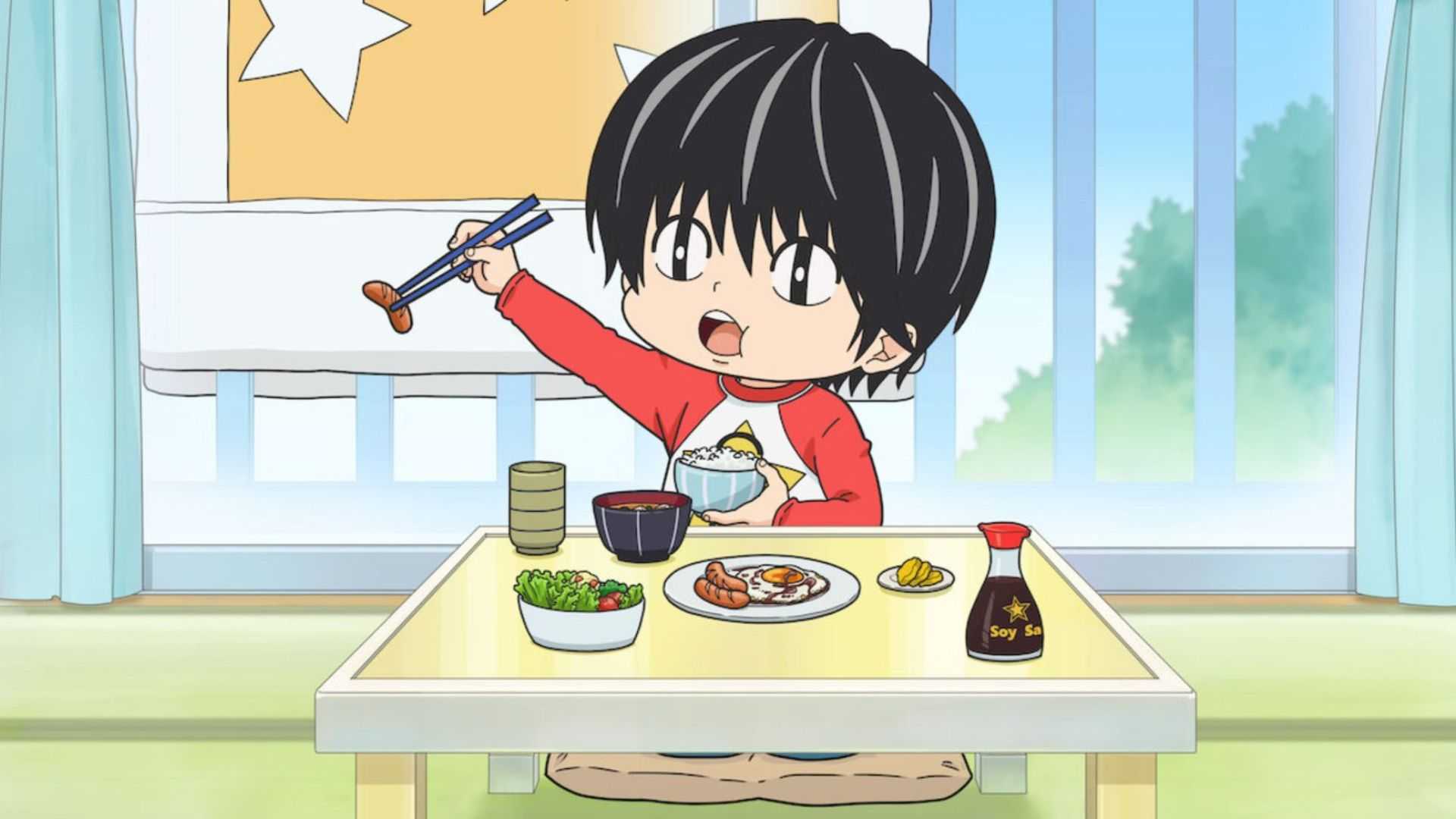 Image via Liden Films
 -
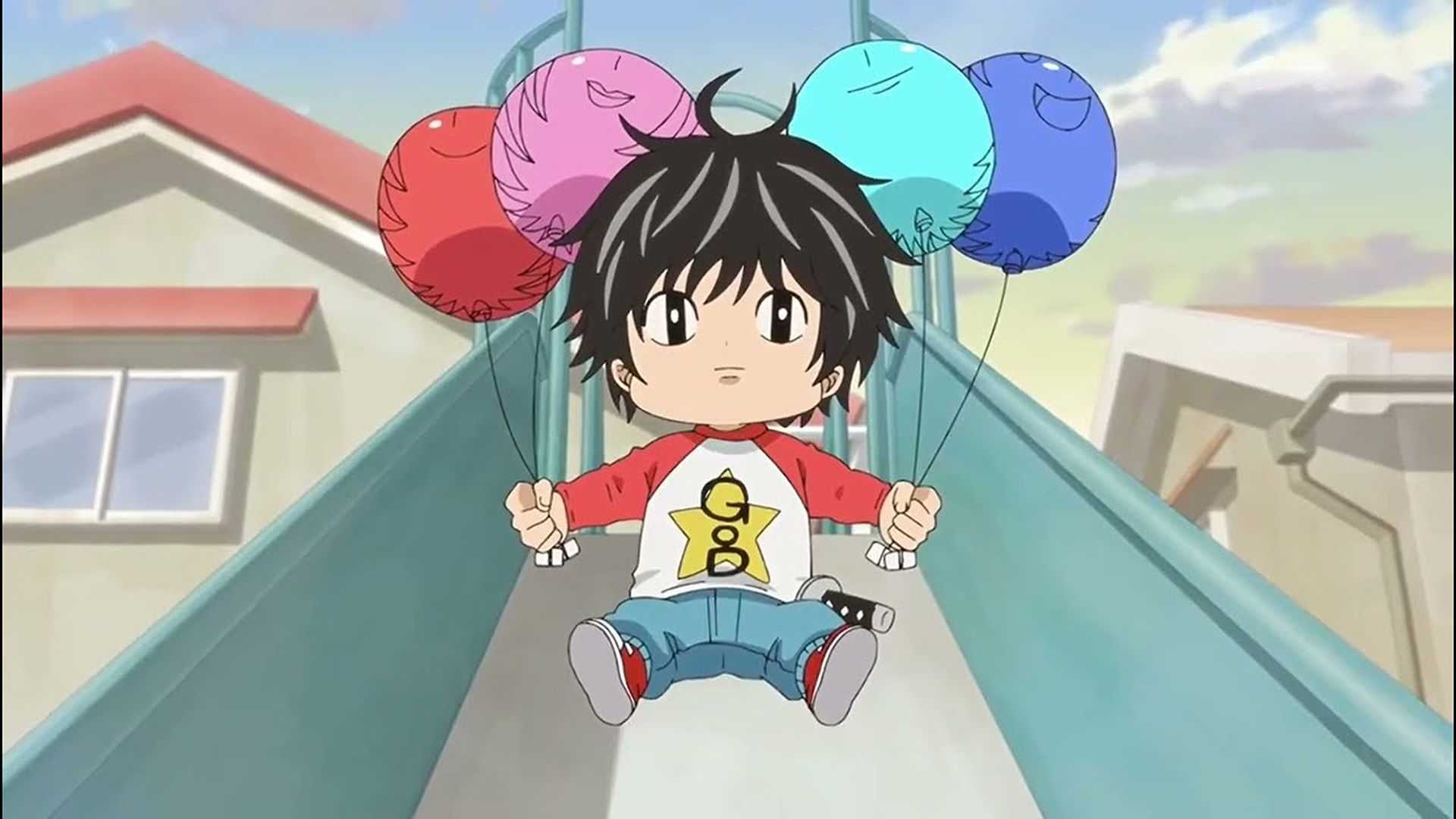 Image via Netflix
 -
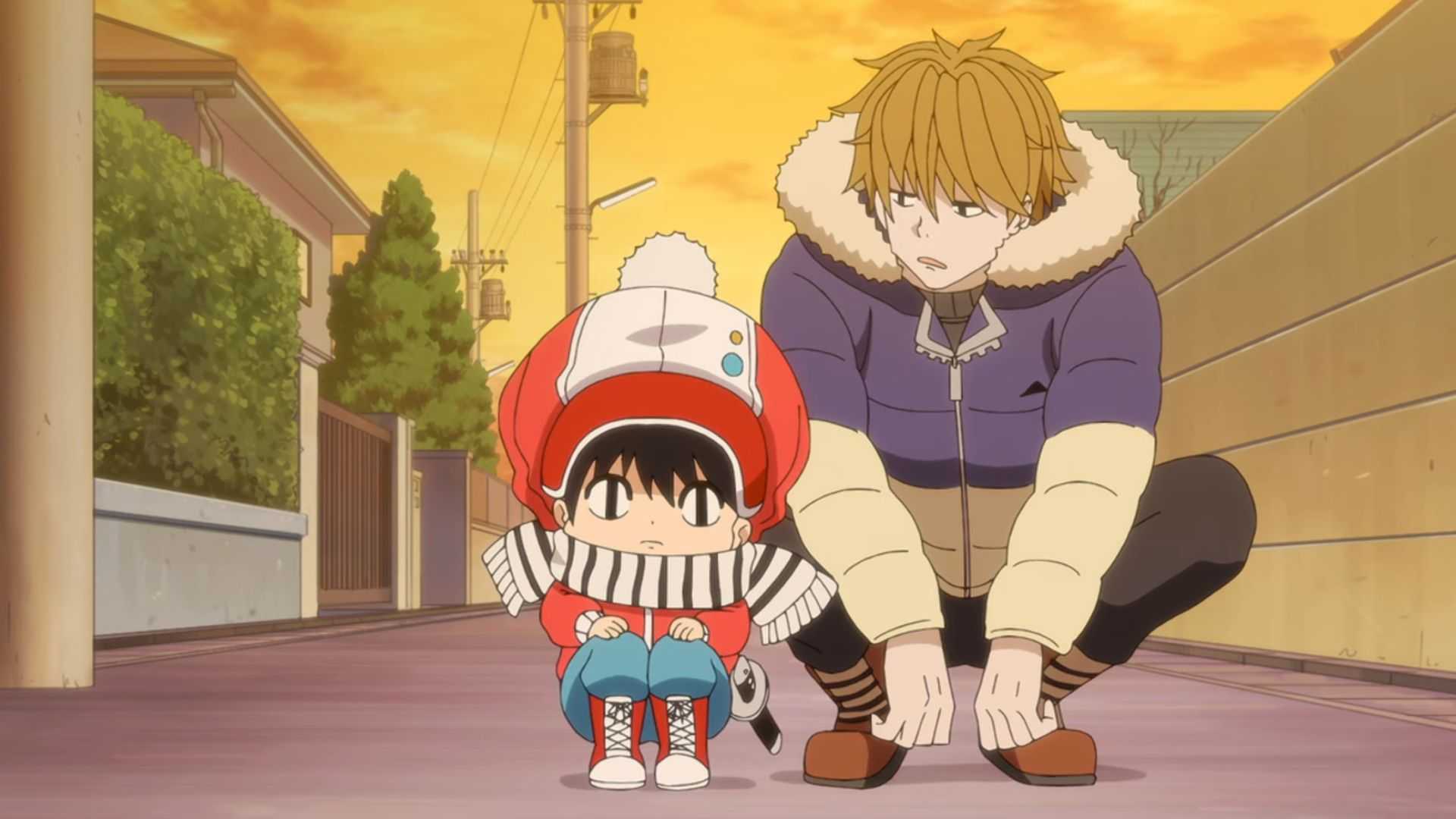 Image via Liden Films
Kotaro Lives Alone follows a four-year-old boy who moves into an apartment by himself, immediately catching the attention of the adults around him. Its premise sounds like a quirky comedy, but the series gradually reveals a much more thoughtful side beneath its humor.
Kotaro’s unusual behavior and blunt way of speaking make him an instantly memorable protagonist, while the residents of the apartment complex bring plenty of personality of their own. With just ten episodes, Kotaro Lives Alone never overstays its welcome.
Its episodic structure makes it easy to binge, while its quieter moments give the story an emotional weight that lingers well beyond its short runtime. Thankfully, Kotaro’s story continues in the original manga series for fans who want to follow more of his adventures.
Odd Taxi Turns a Cab Ride Into a Web of Mysteries

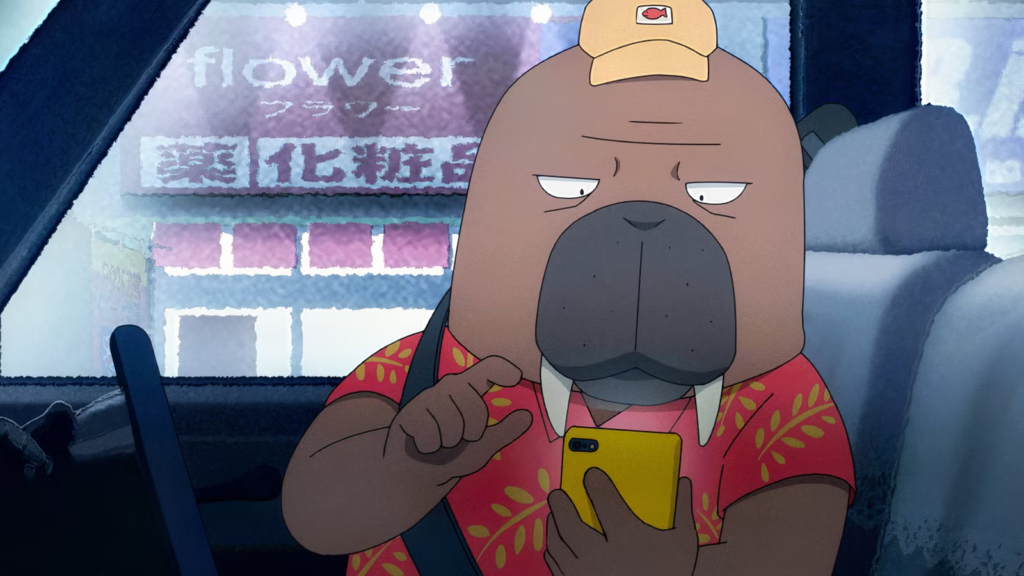
At first glance, Odd Taxi seems almost too ordinary for its own good. Hiroshi Odokawa spends his days driving passengers around Tokyo, listening to their problems and occasionally getting pulled into their eccentric lives. The anthropomorphic cast gives the anime an unusual visual identity, but it’s the sharp dialogue that really makes the series stand out.
Casual conversations are packed with personality, dry humor, and little details that reward paying attention. Rather than relying on constant action, Odd Taxi lets its mystery build through seemingly disconnected characters and everyday interactions.
A conversation that feels insignificant at first can take on an entirely different meaning later, giving the series a satisfying sense of cohesion. Its 13 episodes are dense without feeling rushed, making it the kind of anime that becomes increasingly difficult to put down once all the pieces start falling into place.
Death Parade’s Deadly Games Reveal the Darkest Parts of Humanity
-
 Image via Madhouse
 -
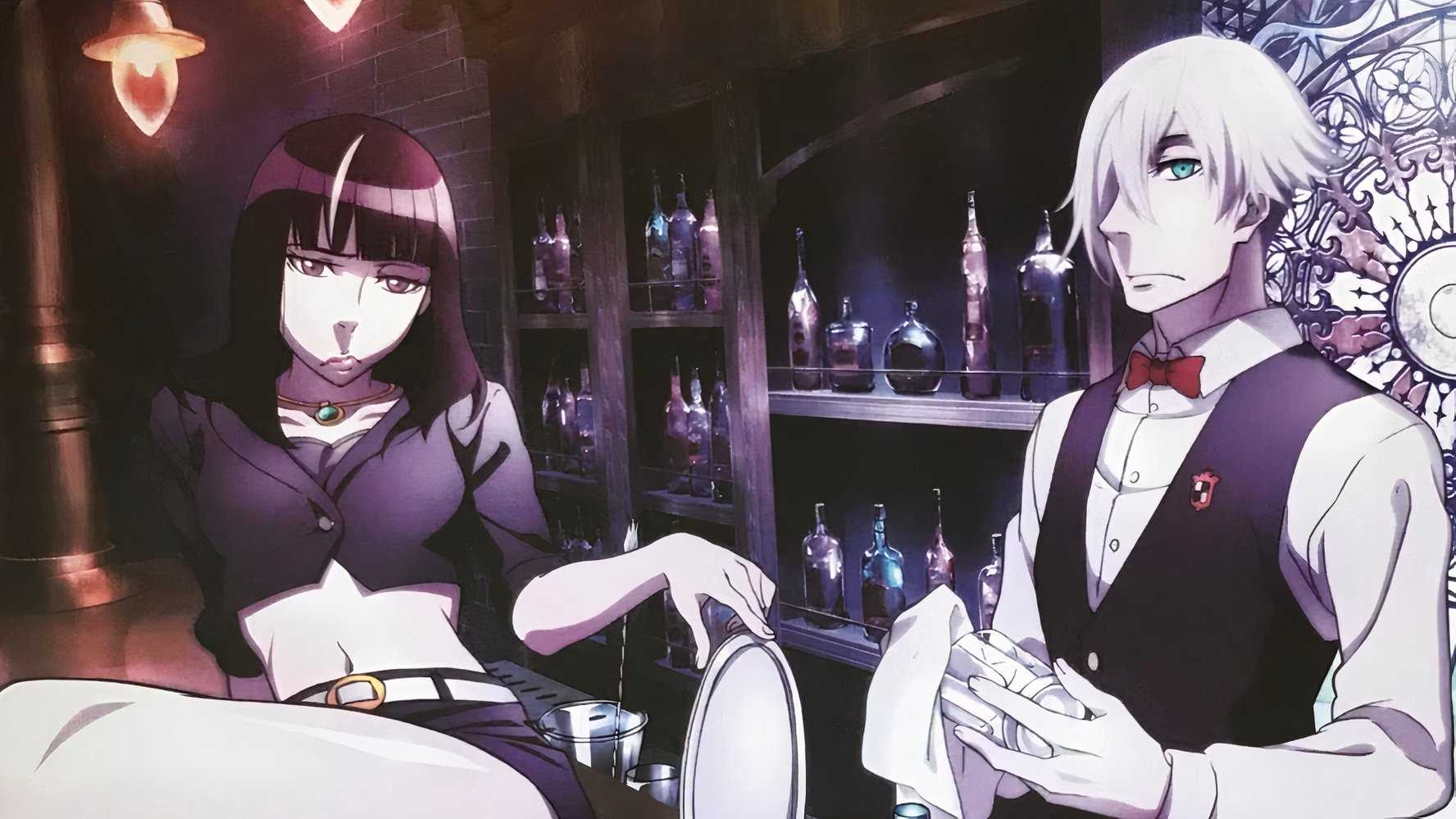 Image via Madhouse
 -
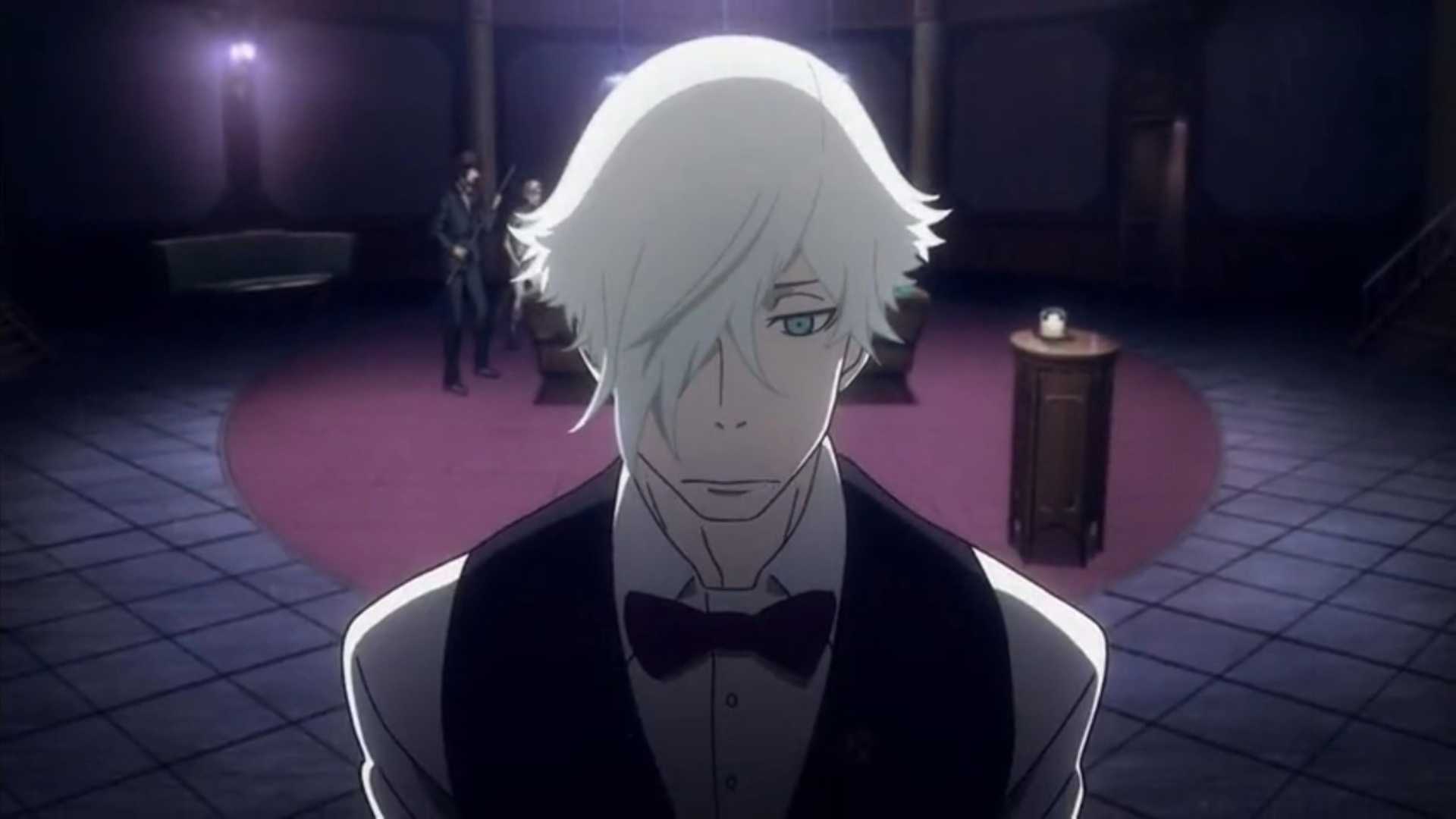 Image via Madhouse
In Death Parade, the dead find themselves in a mysterious bar where they’re forced to compete in seemingly ordinary games. Behind the drinks and polished atmosphere is a much darker purpose, as each contest exposes pieces of the players’ personalities, memories, and relationships. The setup gives the anime an unusual way to explore human behavior without relying on conventional battles or villains.
Much of Death Parade‘s appeal comes from watching its characters reveal sides of themselves they would rather keep hidden. Each game brings a different emotional conflict, while the bar’s enigmatic staff gradually become just as interesting as the visitors passing through. Death Parade balances its episodic structure with an underlying story, creating a series that can be watched quickly without feeling disposable.
Baccano! Is a Gloriously Chaotic Gangster Anime

Taking place in the 1930s, Baccano! throws a collection of gangsters, thieves, alchemists, and eccentric troublemakers into the same increasingly chaotic story. Rather than following a single protagonist, the anime jumps between characters and time periods, gradually revealing how their lives intersect. It’s deliberately disorienting at first, but the confusion is part of the fun.
The cast is packed with personalities that are impossible to ignore, from the cheerful thieves Isaac and Miria to the ruthless members of the mafia. Meanwhile, a mysterious train journey provides one Baccano!‘s most memorable settings. Beneath its frantic energy and dark humor is a surprisingly intricate story that becomes more satisfying as its scattered pieces come together.
Astra Lost in Space Turns a School Trip Into a Fight for Survival
-
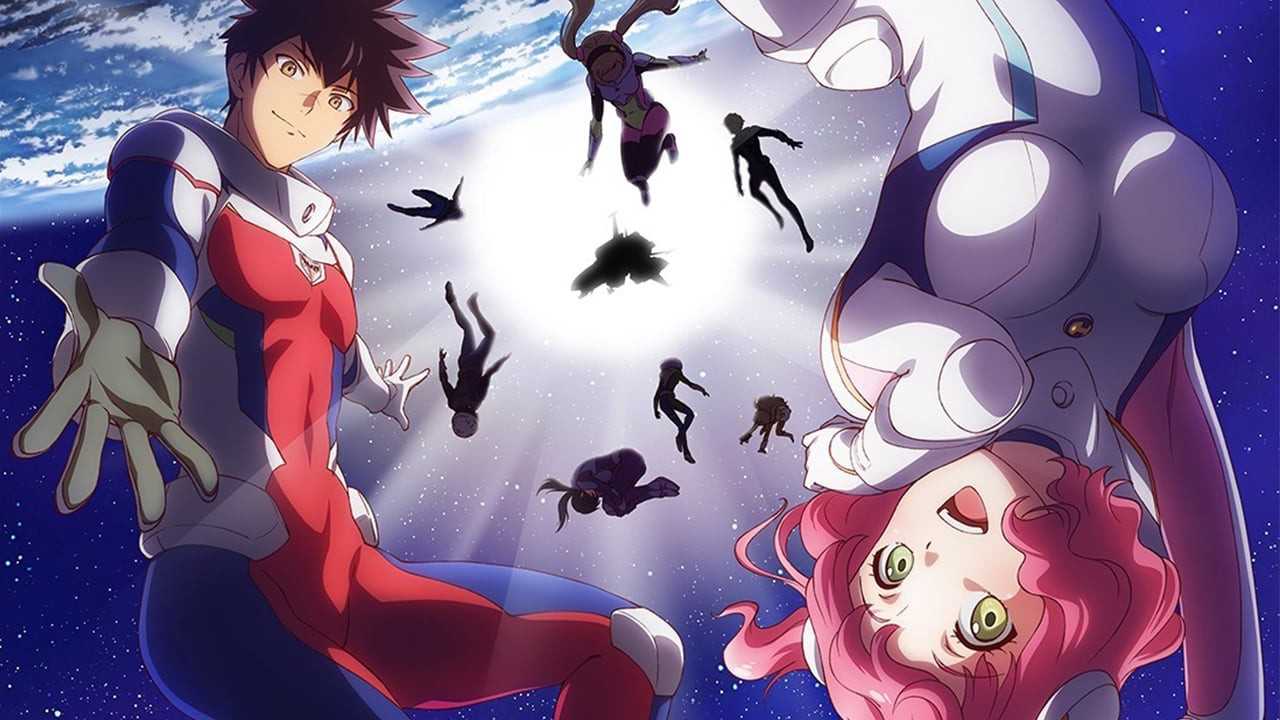 Image via Lerche
 -
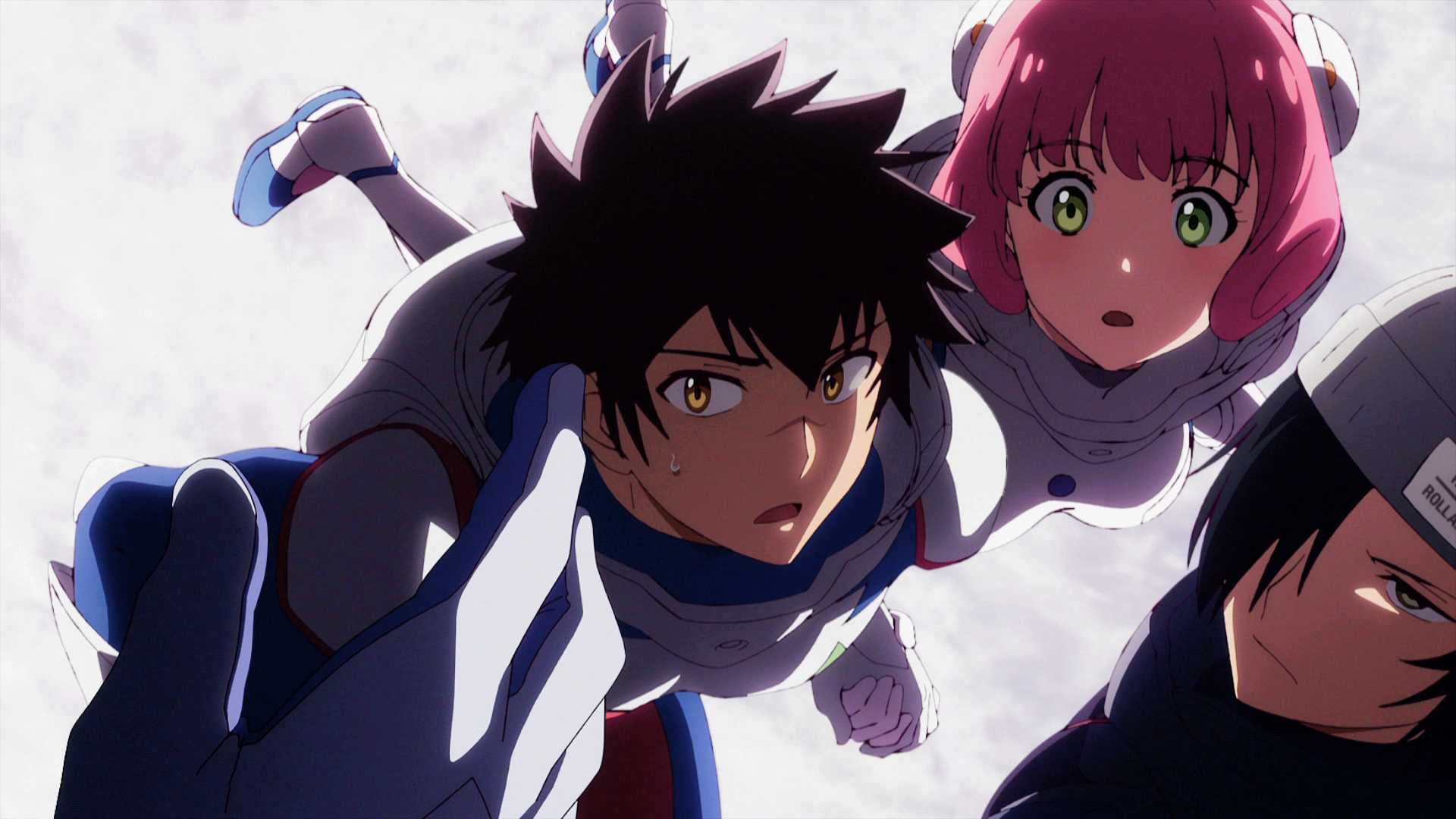 Image via Lerche
 -
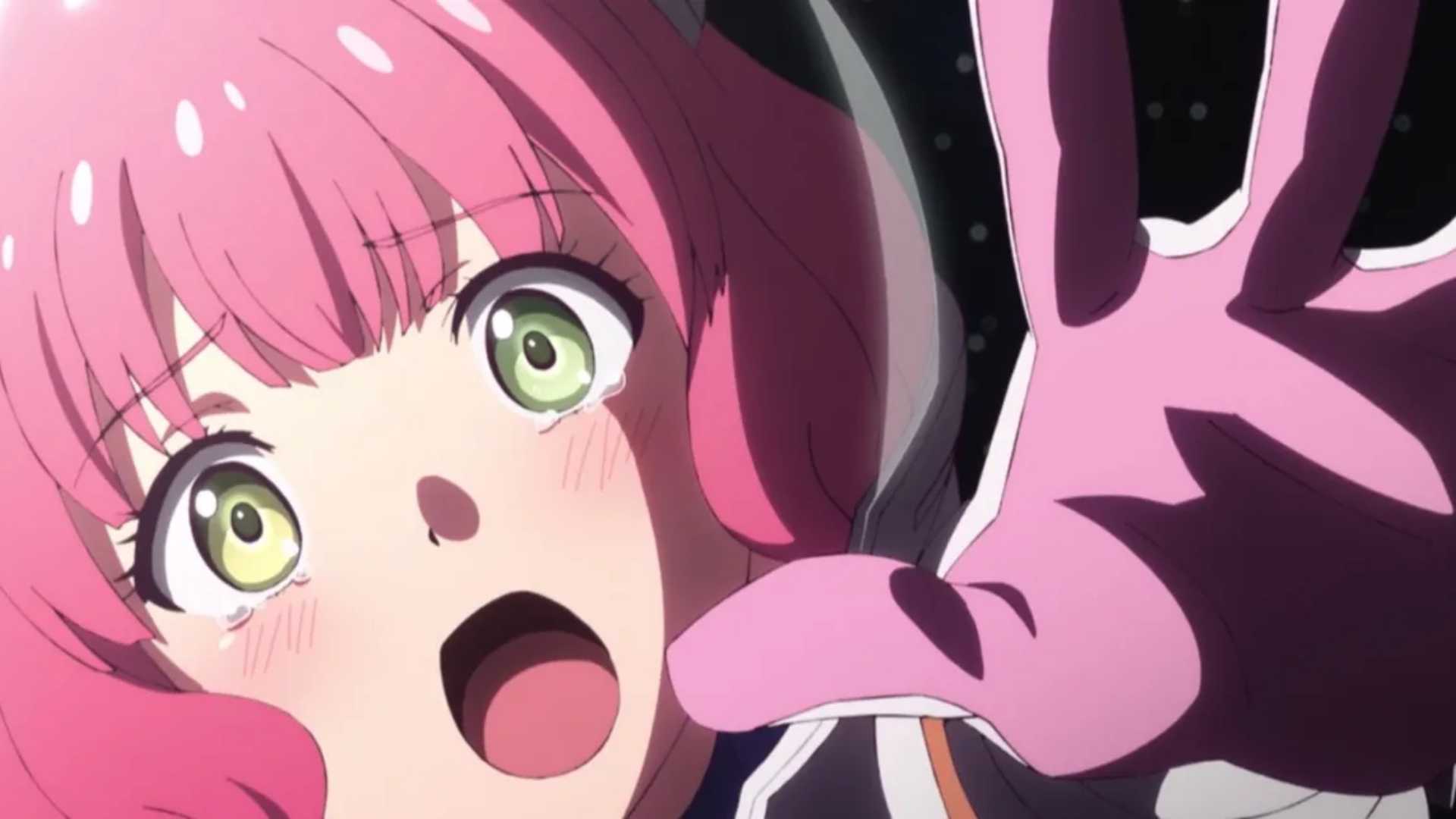 Image via Lerche
What begins as an exciting school excursion quickly becomes something far more serious when a group of students finds themselves stranded an unimaginable distance from home. Astra Lost in Space immediately establishes the scale of their predicament, but the series isn’t content to make survival its only concern. Each new planet brings a different challenge, giving the story a sense of discovery.
The real fun comes from watching the crew figure things out as they go. Their journey takes them across wildly different worlds, with each stop bringing its own hazards, scenery, and unexpected discoveries. Astra Lost in Space also knows when to slow down for character moments, letting friendships develop amid the chaos. Beneath the bright adventure is a surprisingly layered narrative.
Terror in Resonance Is a Stylish Thriller With Plenty to Uncover

Two teenage boys suddenly emerge as the faces behind a string of bombings in Tokyo, leaving the police with little more than a cryptic trail to follow. Terror in Resonance builds its story around that investigation, revealing information piece by piece rather than laying out all its answers at once.
The result is a tense thriller where the circumstances surrounding the boys are just as important as the crimes themselves. Terror in Resonance also gives plenty of attention to the people caught up in the investigation, keeping the story from becoming a straightforward chase between criminals and authorities.
Its moody direction and atmospheric soundtrack give even the quieter scenes a lingering sense of unease. Across 11 episodes, Terror in Resonance keeps its central mystery moving while leaving enough space for its characters to make an impression.
91 Days Is a Brutal Mafia Revenge Story
-
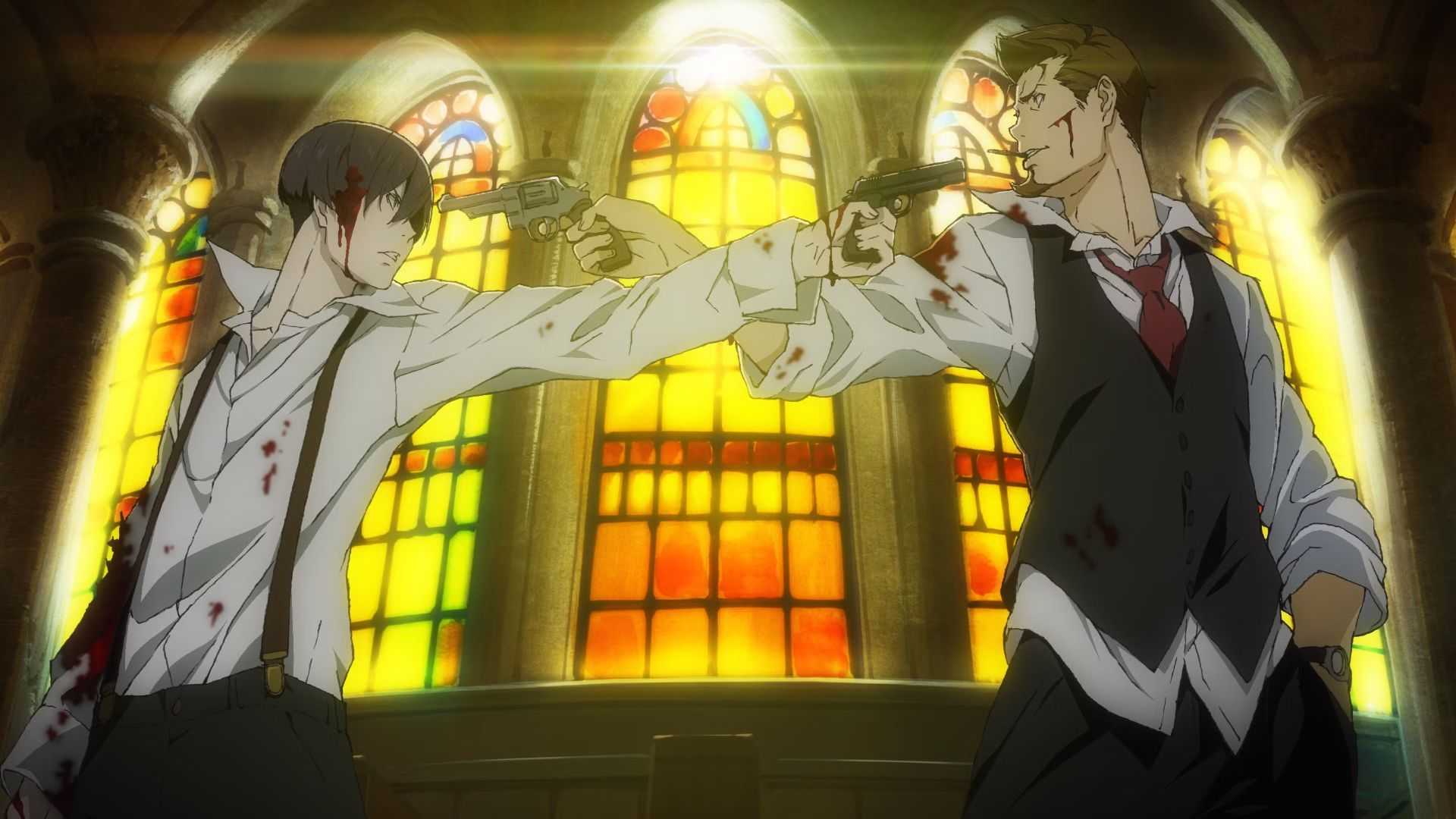 Image via Shuka
 -
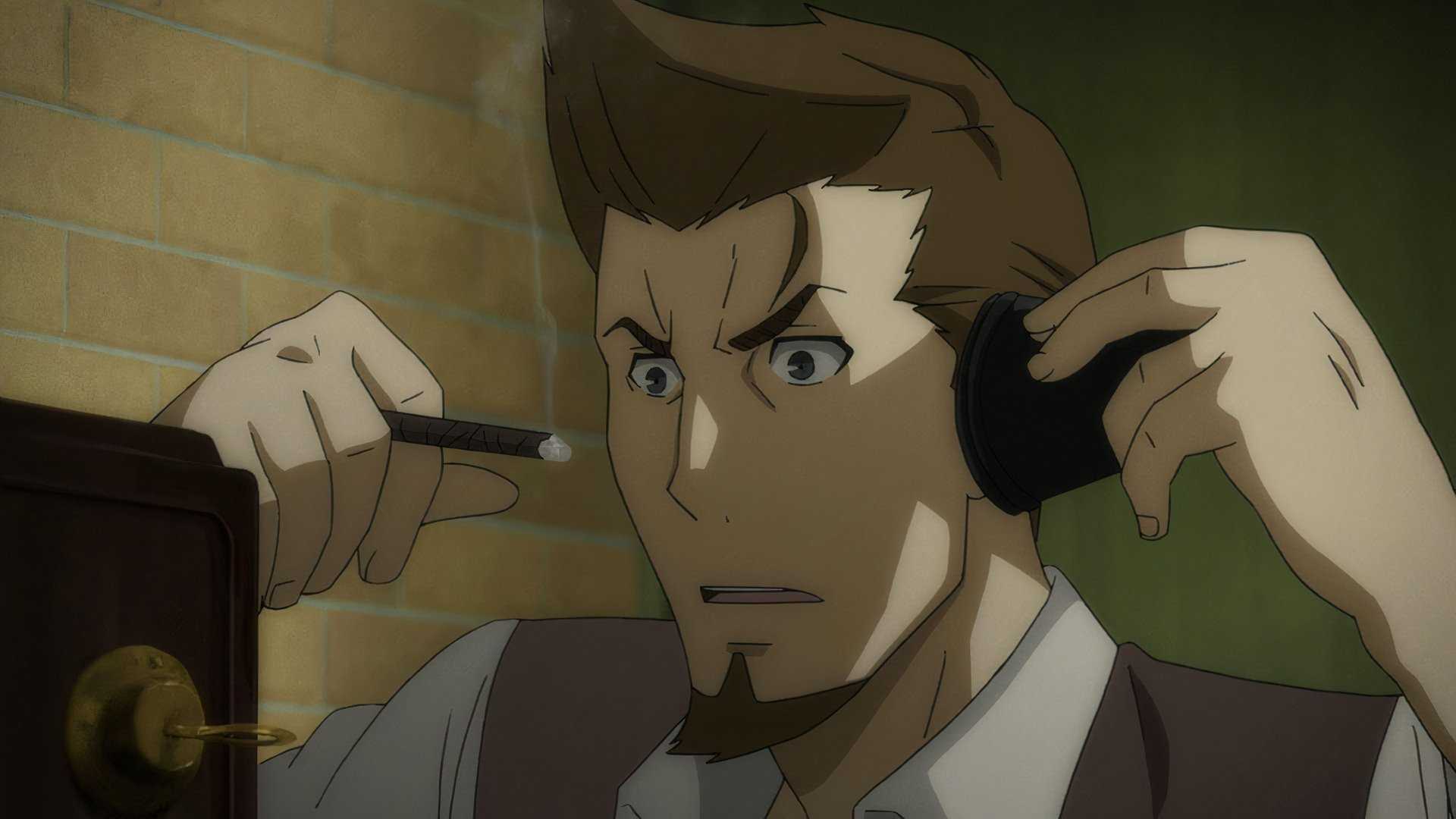 Image via Shuka
 -
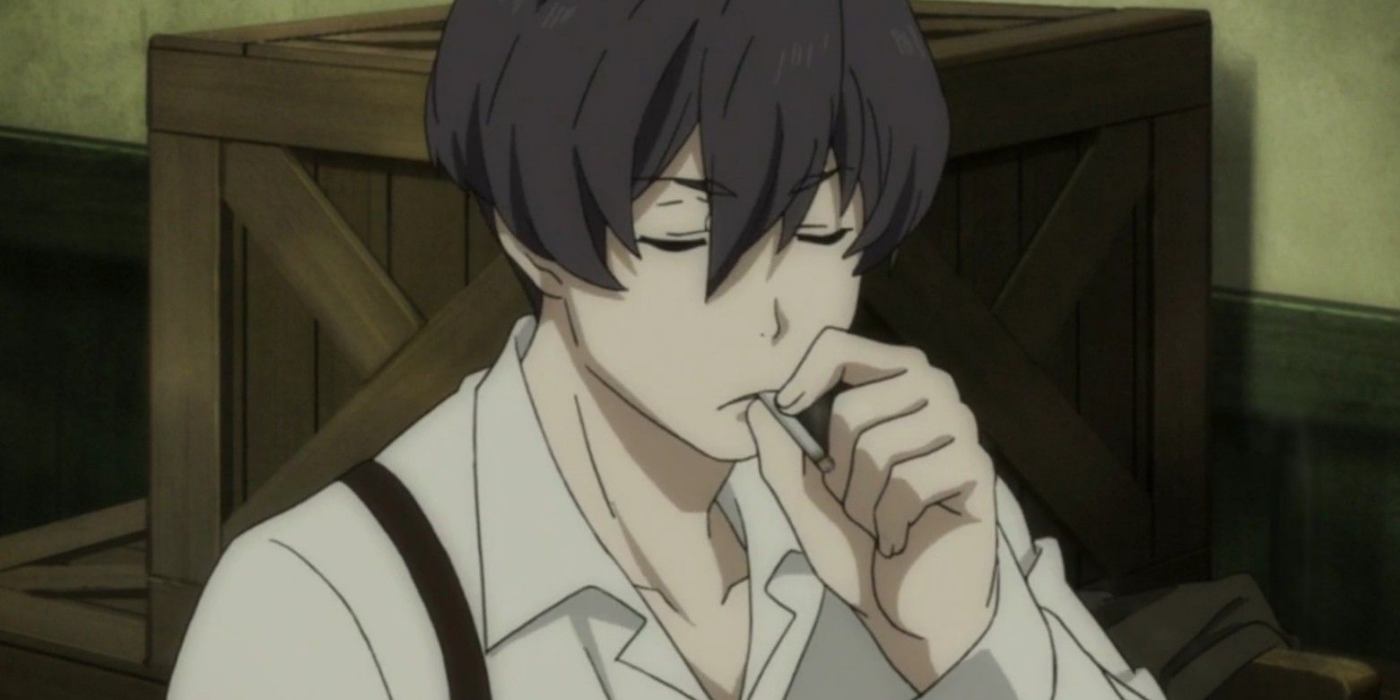 Image via Shuka
Set during Prohibition, 91 Days drops Angelo Lagusa into a world ruled by organized crime, where loyalty can disappear the moment money or power enters the picture. Years after a tragedy destroys his family, Angelo returns under a new identity with a single purpose in mind. His calculated approach makes him a fascinating protagonist, particularly as he gets closer to the people at the center of his past.
Trust is always in short supply throughout 91 Days. Alliances shift, grudges linger, and even moments of apparent friendship can carry an ulterior motive. The muted color palette and period setting reinforce the anime’s bleak atmosphere, while the story steadily tightens its grip as Angelo’s plans begin to take shape.
FLCL Makes Coming of Age Look Completely Insane

Naota’s biggest problem should probably be figuring out how to survive middle school. Instead, his life is upended when the bizarre Haruko Haruhara arrives on a Vespa and promptly hits him with a guitar. From there, FLCL becomes a blur of strange encounters, giant robots, absurd comedy, and increasingly surreal imagery. It rarely pauses to explain itself, trusting fans to keep up with its frantic pace.
Beneath all that chaos is a surprisingly recognizable coming-of-age story. Naota is caught between childhood and adulthood, surrounded by people who all seem to have their own ideas about what he should become.
The six-episode runtime gives FLCL no opportunity to drag its feet, with every episode throwing something new at the screen. It is weird, loud, funny, and occasionally heartfelt in ways that make it difficult to forget.
Ping Pong the Animation Finds Drama in a Simple Sport
-
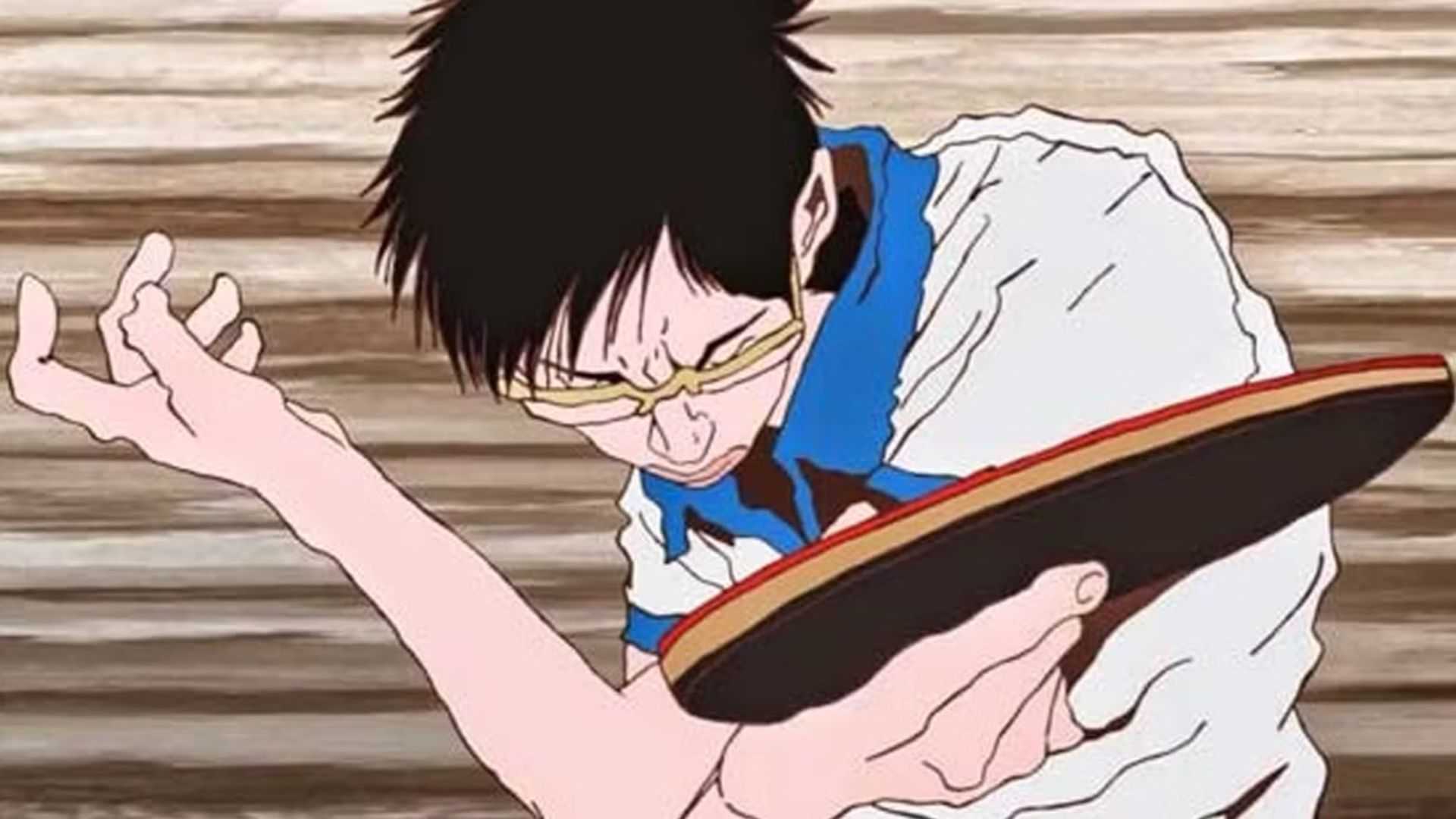 Image via Tatsunoko Production
 -
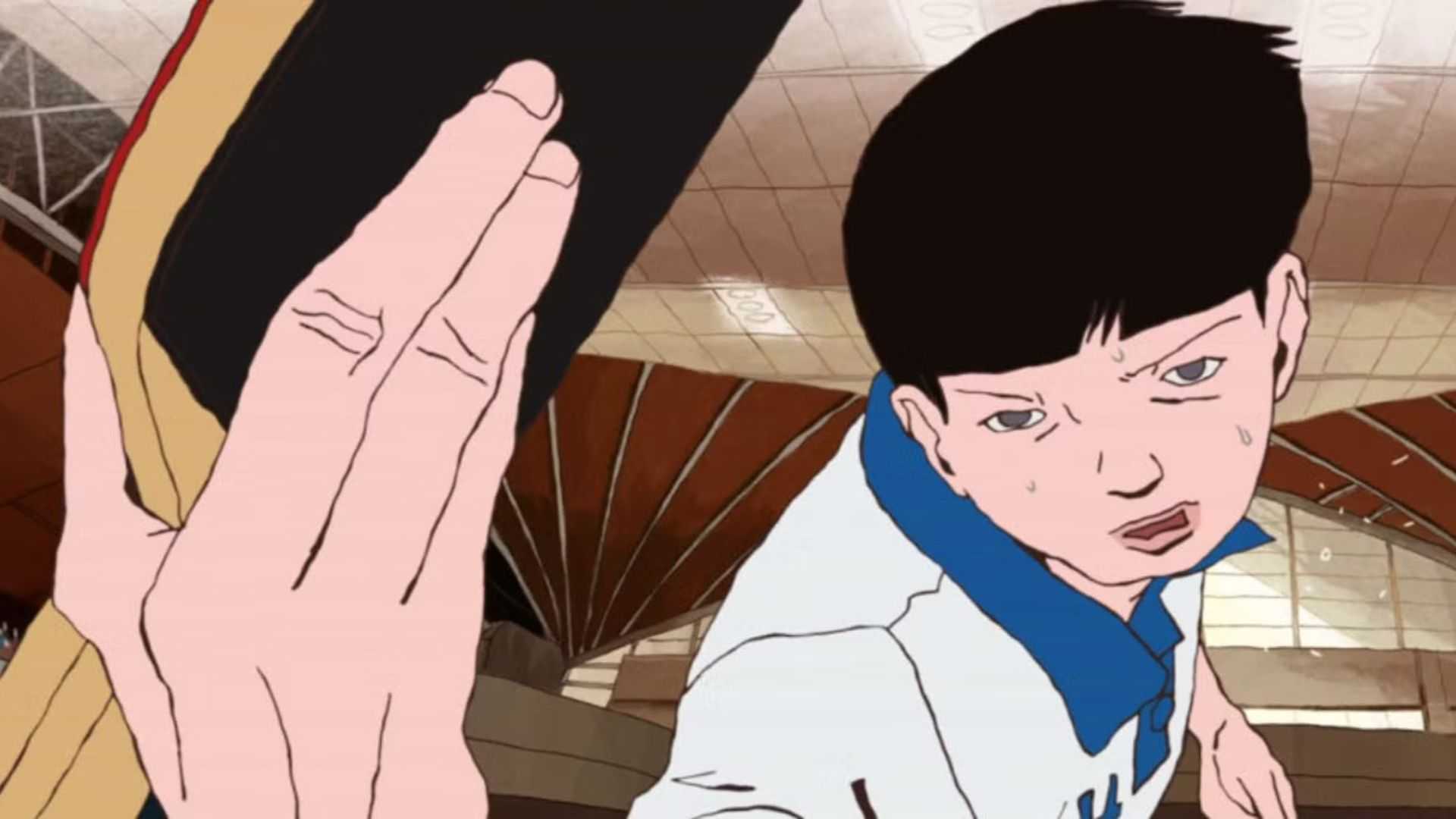 Image via Tatsunoko Production
 -
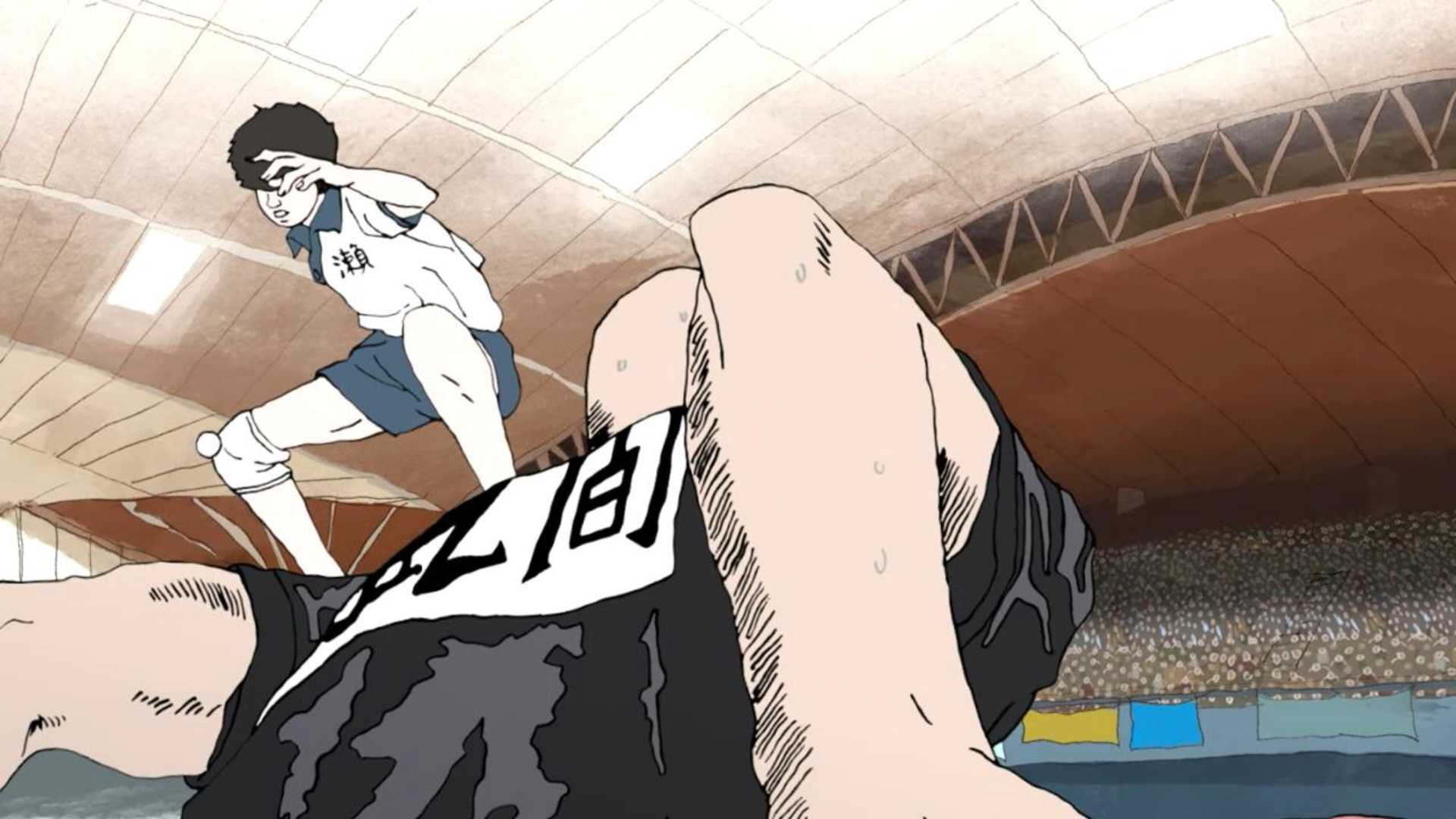 Image via Tatsunoko Production
Table tennis might not sound like the obvious foundation for a sports anime, but Ping Pong the Animation quickly proves otherwise. At its center are Smile and Peco, childhood friends whose very different attitudes toward the sport send them down separate paths. Their rivalry forms the backbone of the story, but the anime gives equal attention to the teammates and competitors who shape their ambitions.
The rough, expressive animation style may take some getting used to, yet it gives the matches an intensity that polished visuals might not capture as effectively. A rally can reveal as much about a player’s personality as a conversation, with confidence, fear, ego, and pressure all playing into the action. Ping Pong the Animation treats competition as something deeply personal, making its 11 episodes surprisingly impactful.
Erased’s Time-Travel Mystery Keeps Its Tension Close to Home

Satoru Fujinuma has an unusual ability that sends him back moments before a tragedy occurs, giving him a chance to prevent it. When a devastating event sends him much further into the past than usual, Satoru finds himself back in his childhood, where an unsolved case involving his classmates demands his attention.
The sudden shift in perspective gives Erased a compelling hook without making its time-travel element feel like an excuse for spectacle. Tension builds through the quiet streets and classrooms of Satoru’s hometown, and friendships become increasingly important as he tries to understand what happened years earlier, while the threat hanging over his classmates gives even innocent scenes an uneasy edge. Erased‘s cliffhangers also encourage episode-after-episode viewing without relying on constant action.