
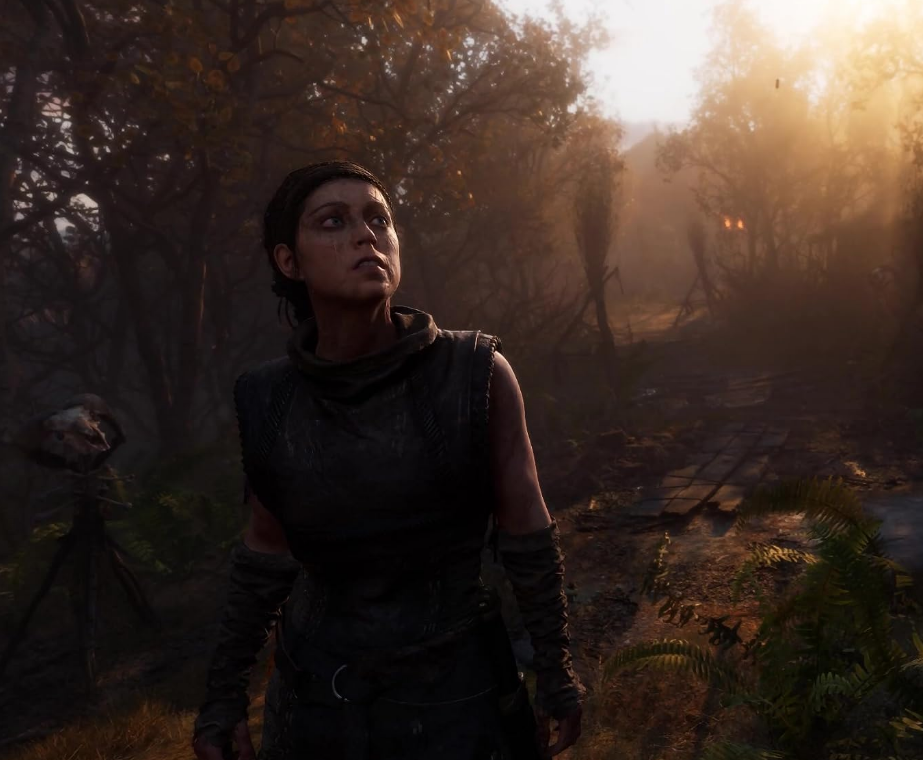
Senua’s Saga: Hellblade II
Hellblade II is extraordinarily cinematic, but its stripped-down gameplay sometimes feels secondary to the presentation. Reviews repeatedly highlighted its short length, linear exploration, simplistic combat, and movie-like structure, making it one of the clearest modern examples of a playable cinematic experience.
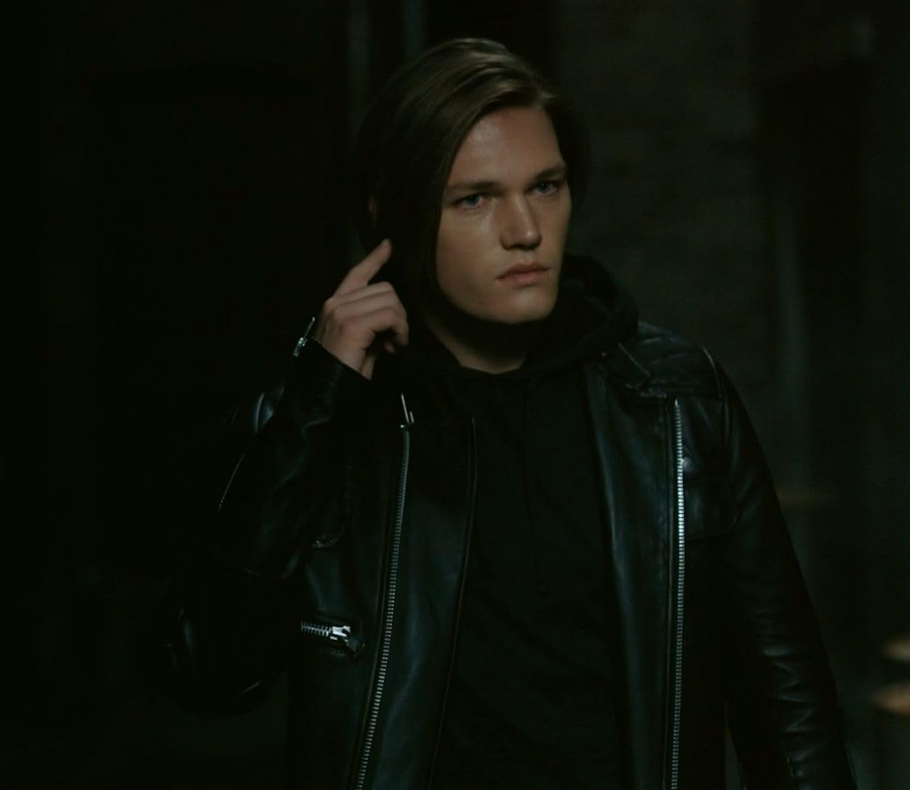
The Quiet Man
The Quiet Man lasts roughly three hours, with much of that time devoted to live-action and in-game cinematics. Some scenes run for ten minutes or more, leaving surprisingly little actual gameplay and making the whole thing feel like a badly disguised movie.
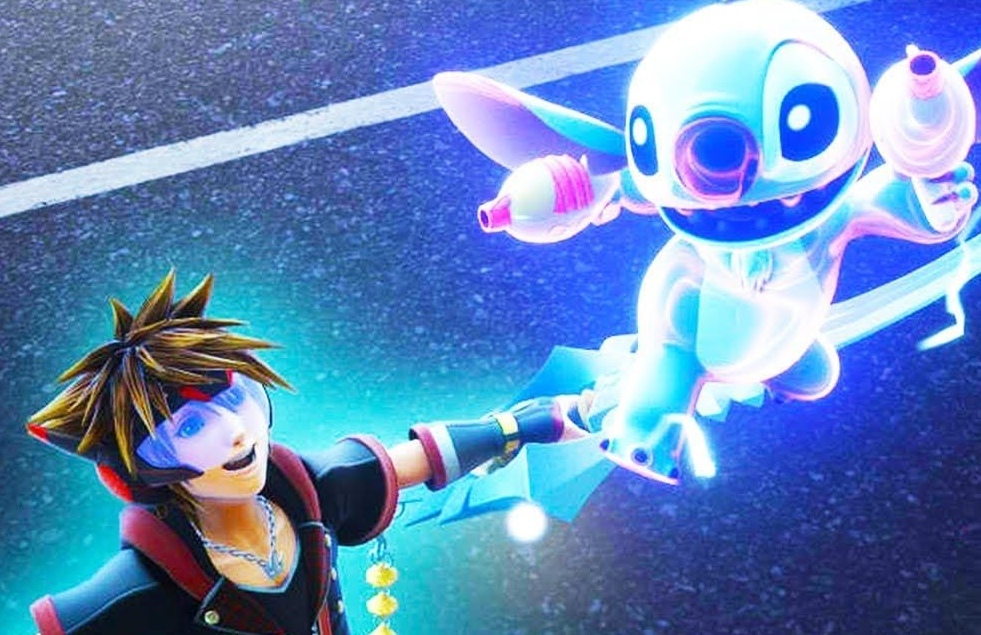
Kingdom Hearts III
Kingdom Hearts III takes roughly 28 hours to complete, but one review estimated that about a third of that time consists of cutscenes. The beginning and ending are particularly cinematic, making the Disney-heavy RPG occasionally feel like a very long animated feature.
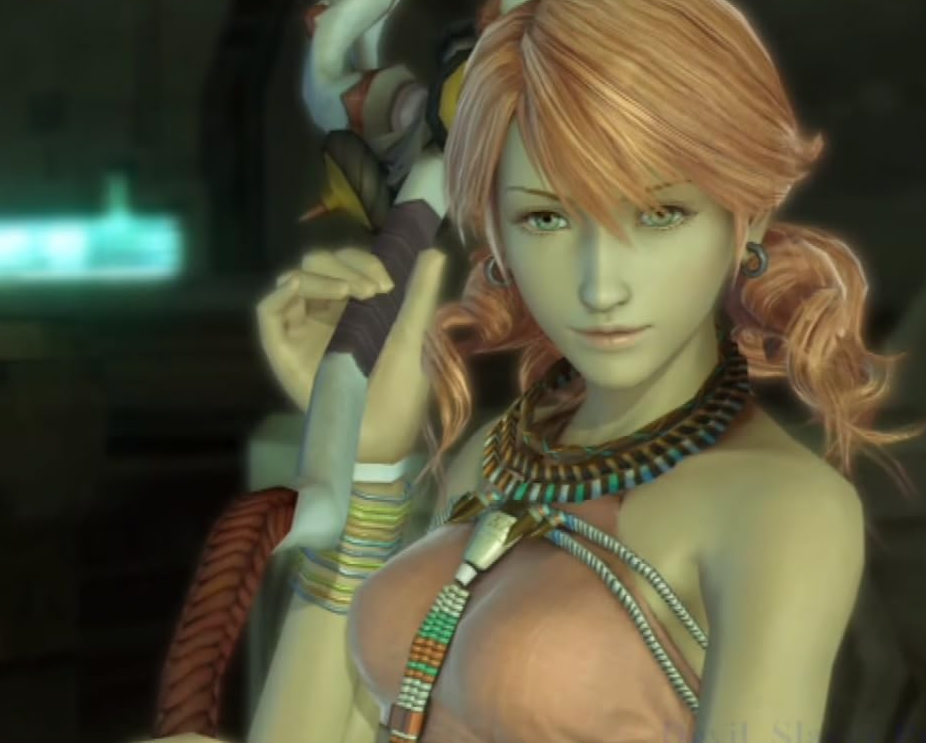
Final Fantasy XIII
Final Fantasy XIII is a conventional RPG underneath its enormous cinematic ambitions, but its storytelling can overwhelm the actual adventure. Players face approximately ten hours of cutscenes across a lengthy campaign, while the game famously spends its first twenty hours before fully opening up.
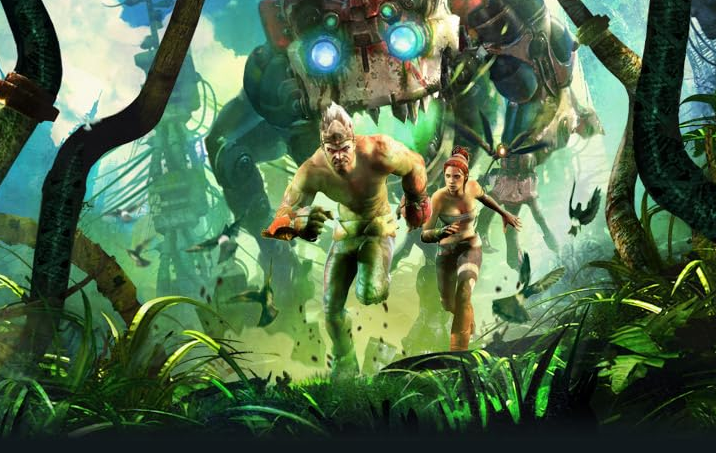
Enslaved: Odyssey to the West
Enslaved has considerably more gameplay than some entries here, but its tightly directed ten-to-fourteen-hour campaign constantly blends combat, traversal, and story cinematics. Co-written by Alex Garland, it already has the structure and character-focused storytelling of a surprisingly polished science-fiction movie.
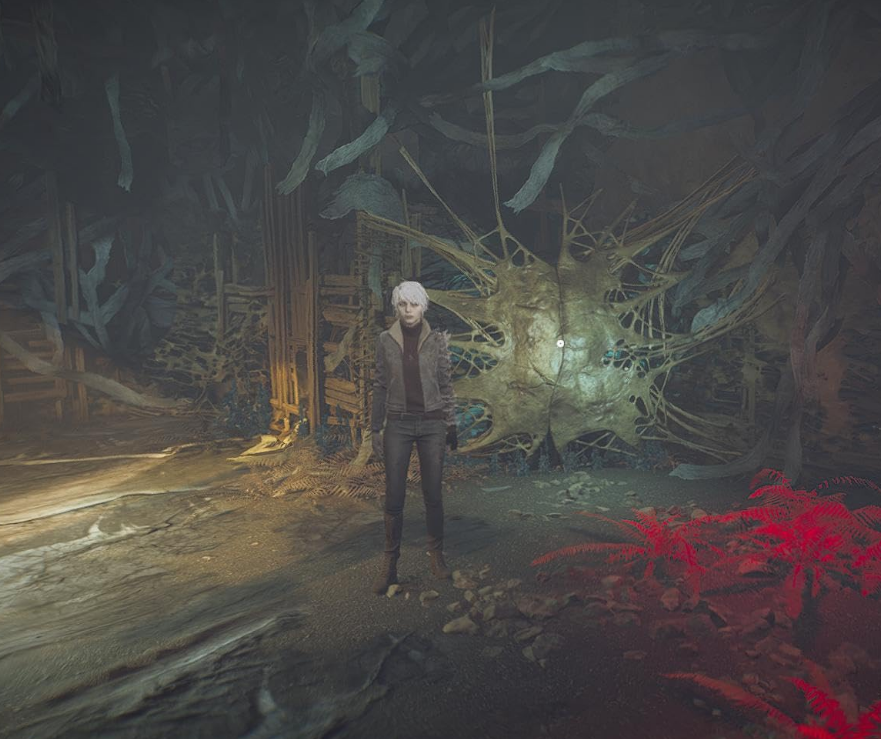
The Medium
The Medium builds its entire experience around atmosphere, exploration, puzzles, and a supernatural mystery, with the story doing much of the heavy lifting. Its fixed cinematic camera, elaborate cutscenes, and relatively simple gameplay make it feel closer to interactive horror cinema.