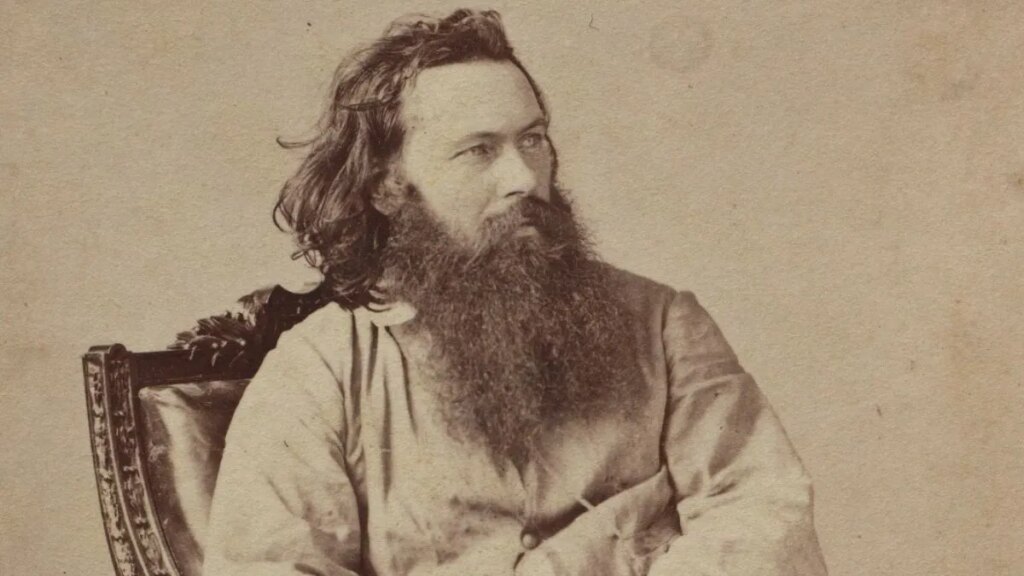

An image can tell more than a thousand words, say some, and it is certainly true. With them, we can have a trip down memory lane without needing to usher a single sentence. Photographs in particular can tell their own truths, capturing moments frozen in time, filled with details we didn’t see at a glance.
Today, we will take that trip with the following photos, capturing pivotal moments in humanity’s history. Nowadays, photographs aren’t as reliable; photo editing was always a thing, but the AI boom has made a skeptical out of all of us. These classic pictures are the few things we can still trust.
cnx({
playerId: “106e33c0-3911-473c-b599-b1426db57530”,
}).render(“0270c398a82f44f49c23c16122516796”);
});
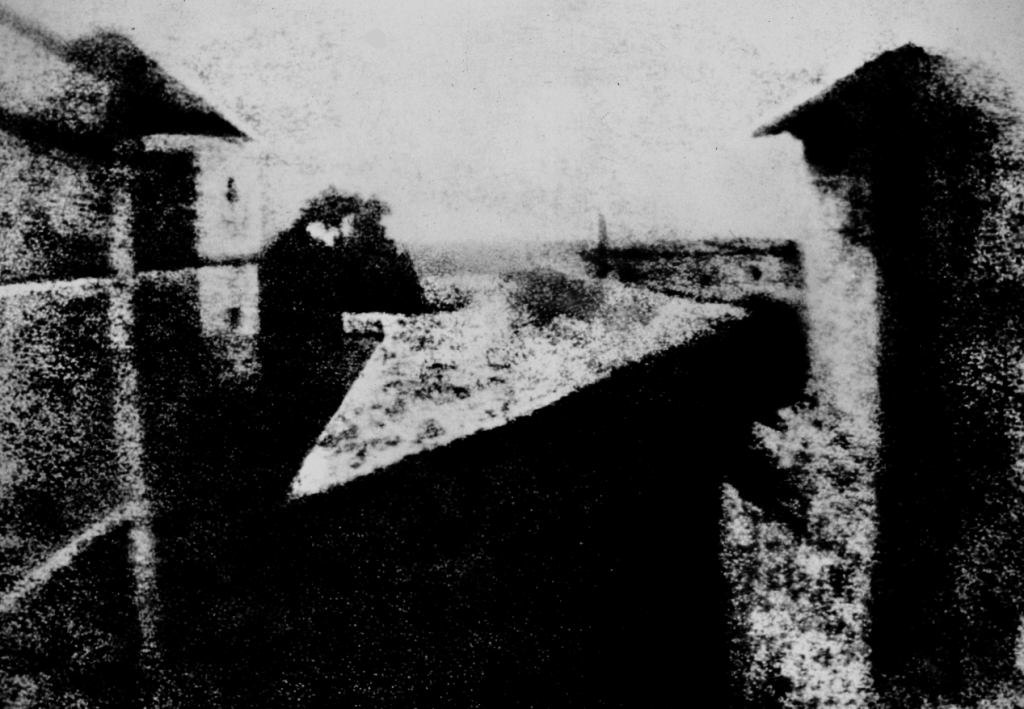
Niépce Captures the First Photograph
Nicéphore Niépce’s surviving photograph, made around 1826, marked the beginning of permanent camera photography. Its hard too make out, but it’s a photo of a street with buildings on the sides.
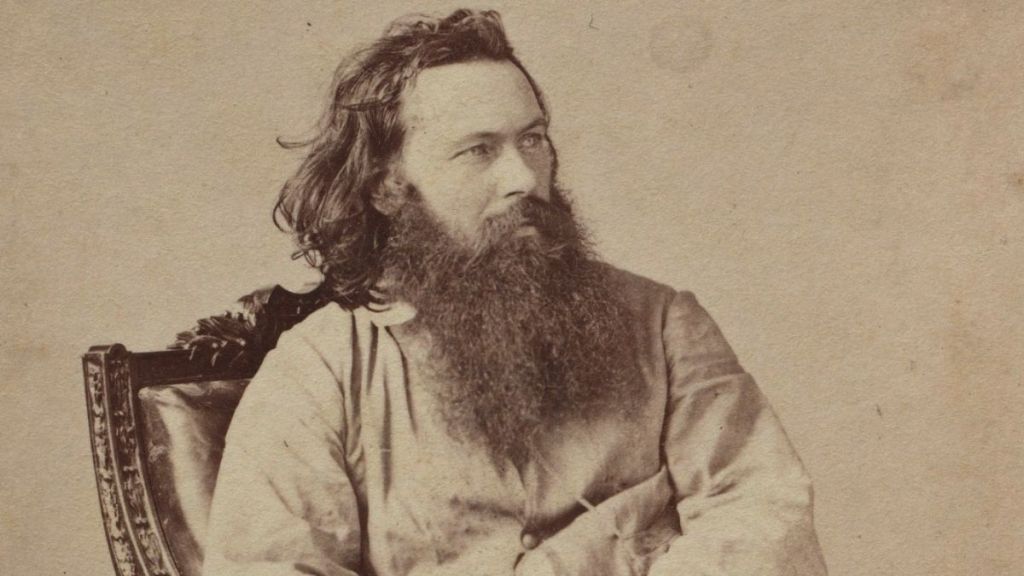
Alexander Gardner Brings War Into American Homes
Alexander Gardner’s 1862 photographs of Antietam were among the first battlefield images showing the Civil War’s dead. This is an image of the famed photographer himself, who shocked the common man and captured the ugly aspects of the war.
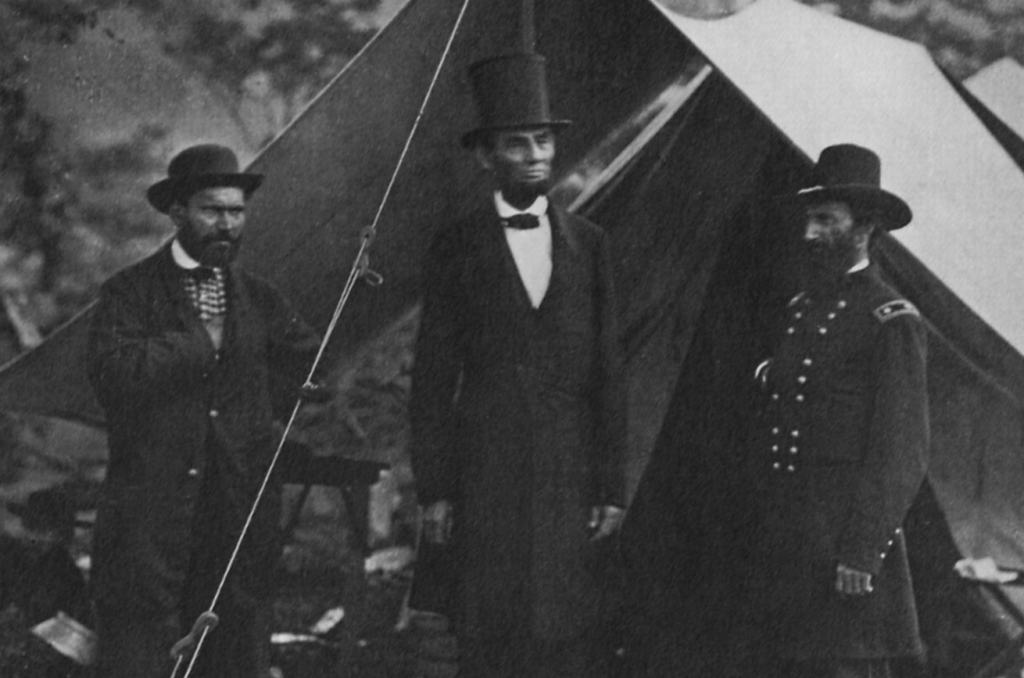
Lincoln and the Gettysburg Address
Alexander Gardner photographed Abraham Lincoln shortly before the Gettysburg Address in November 1863. The speech became one of the defining statements of American democracy, reframing the Civil War as a struggle over equality and the nation’s survival.
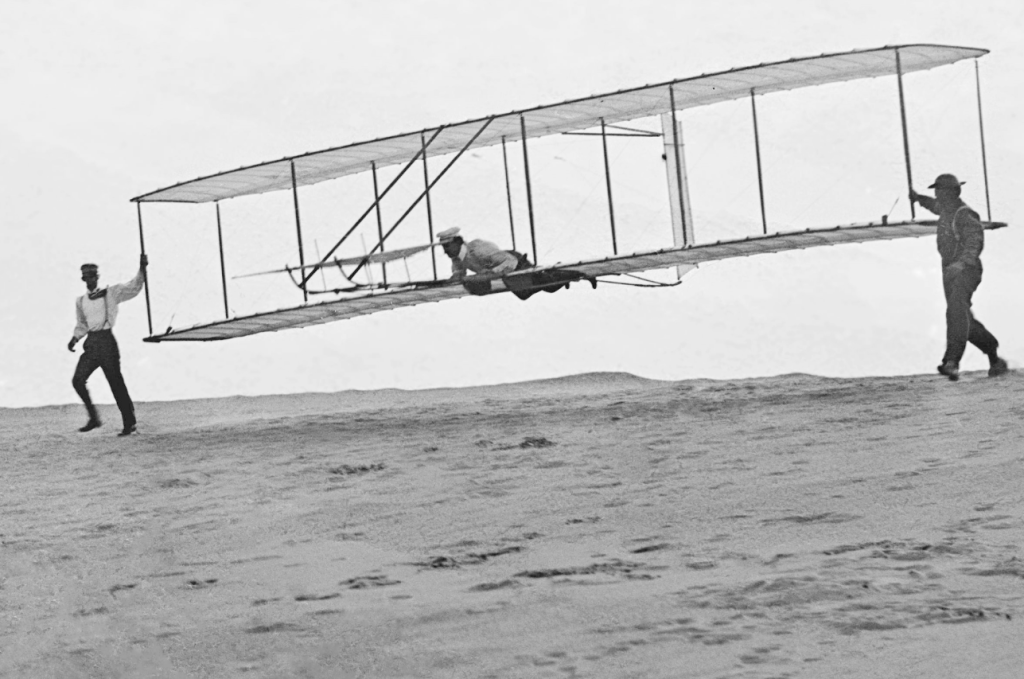
The Wright Brothers Change Transportation
The famous photograph of Orville Wright’s first powered flight at Kitty Hawk documented a breakthrough that transformed transportation. The Wrights’ controlled flights demonstrated that powered, sustained human flight was achievable, opening an entirely new era of aviation.
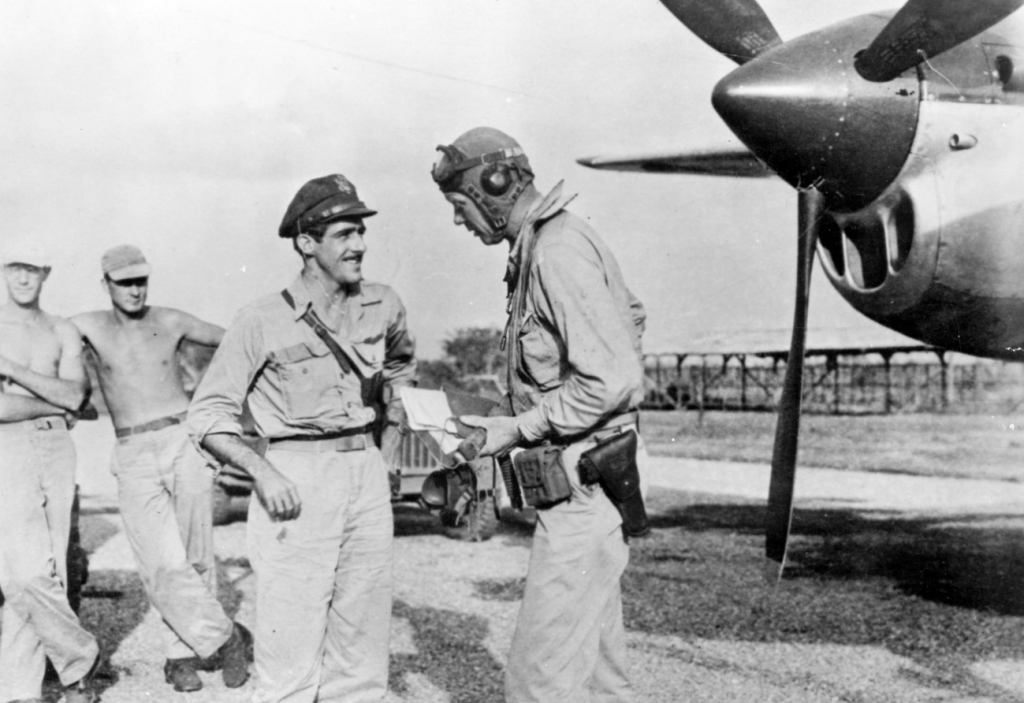
Charles Lindbergh and the Spirit of St. Louis
Charles Lindbergh’s successful solo transatlantic flight made him an international celebrity and demonstrated the growing potential of long-distance aviation. His achievement helped accelerate public enthusiasm, investment, and technological development in commercial aviation.
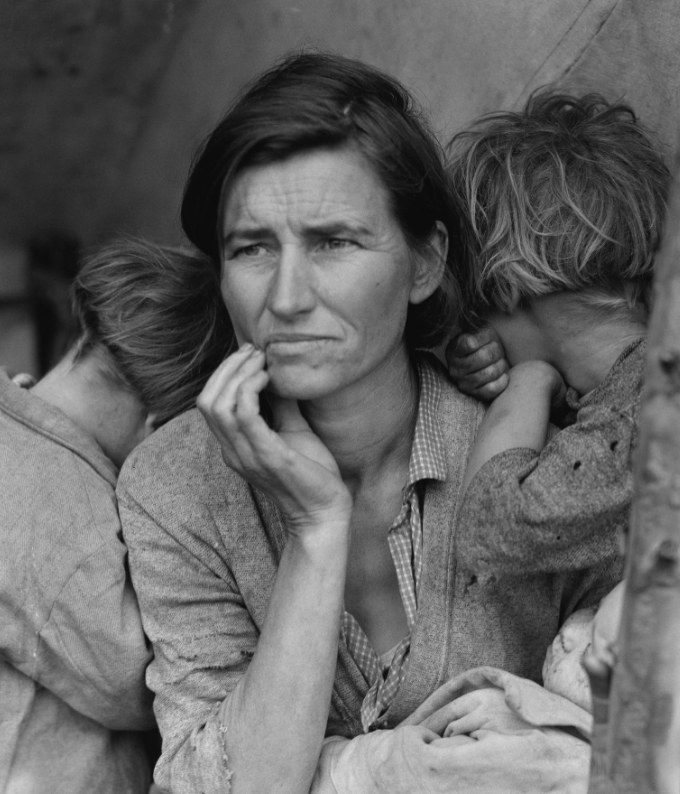
Migrant Mother and the Great Depression
Dorothea Lange’s 1936 Migrant Mother became an enduring symbol of Depression-era poverty. Created for a federal documentation program, the image helped focus public attention on struggling agricultural workers and remains one of the most recognizable records of the crisis.
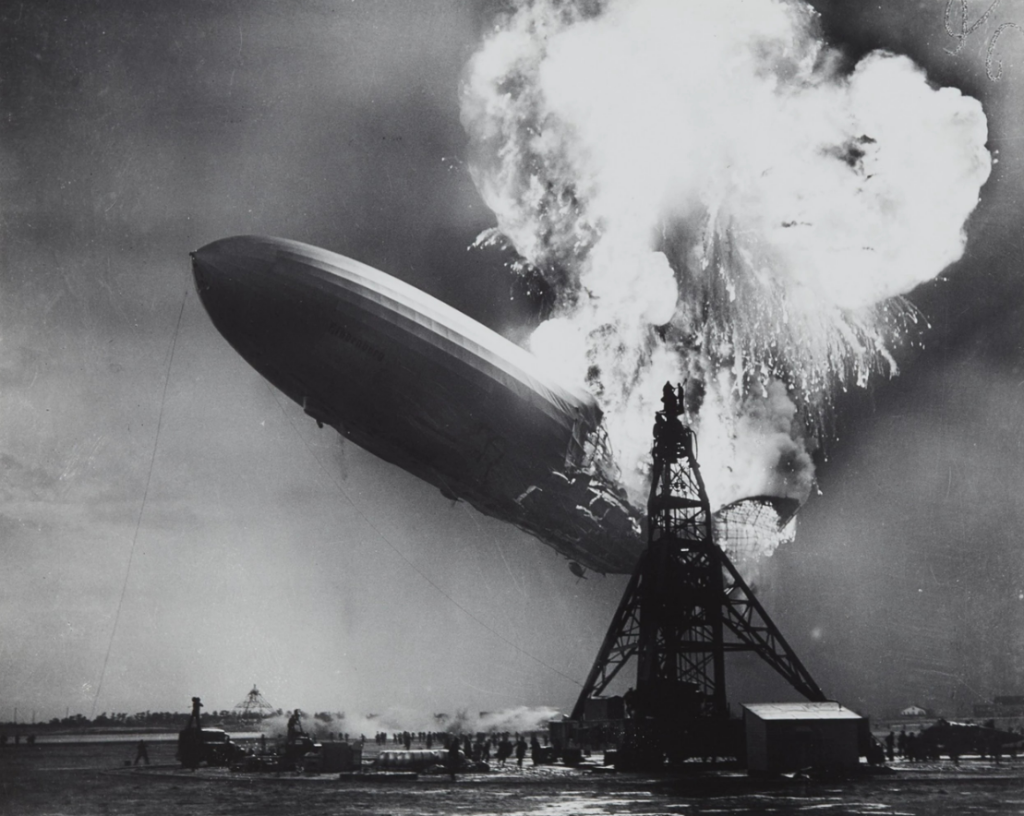
The Hindenburg Disaster
The several photographs of the Hindenburg disaster captured the dramatic end of the era of passenger airships. The catastrophe ended the lives of 36 people and badly damaged public confidence in rigid airships, contributing to their rapid disappearance from commercial passenger travel.
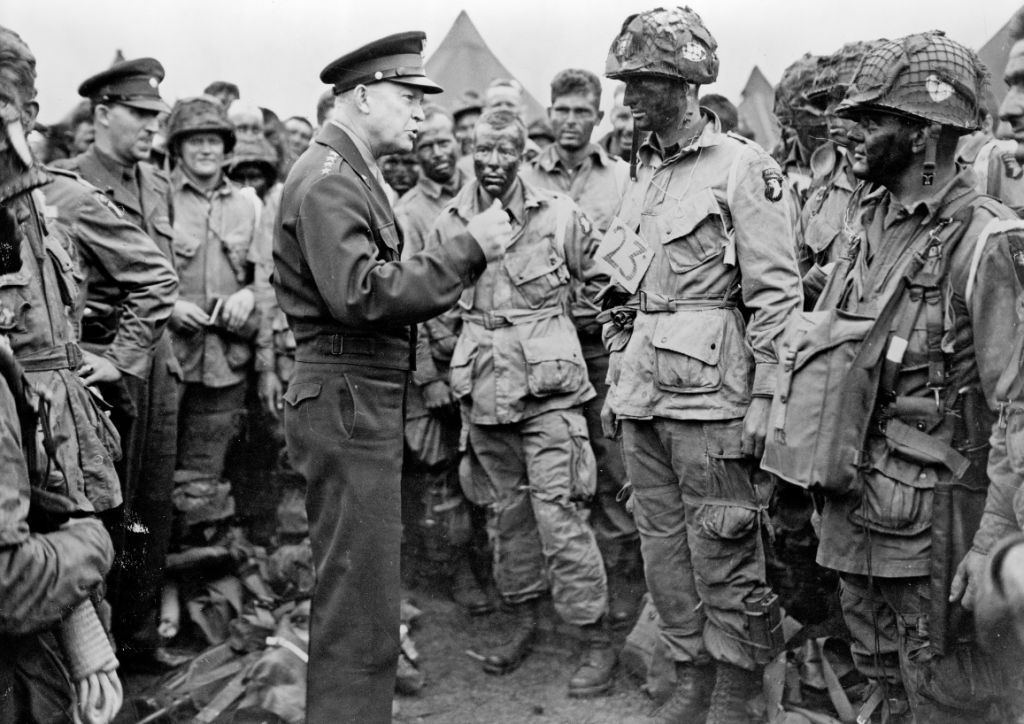
Eisenhower and the D-Day Invasion
A photograph of General Dwight Eisenhower giving orders to paratroopers before D-Day preserves the moment before the Allied invasion of Normandy. The operation opened a major Western Front and became a decisive stage in defeating Nazi Germany.
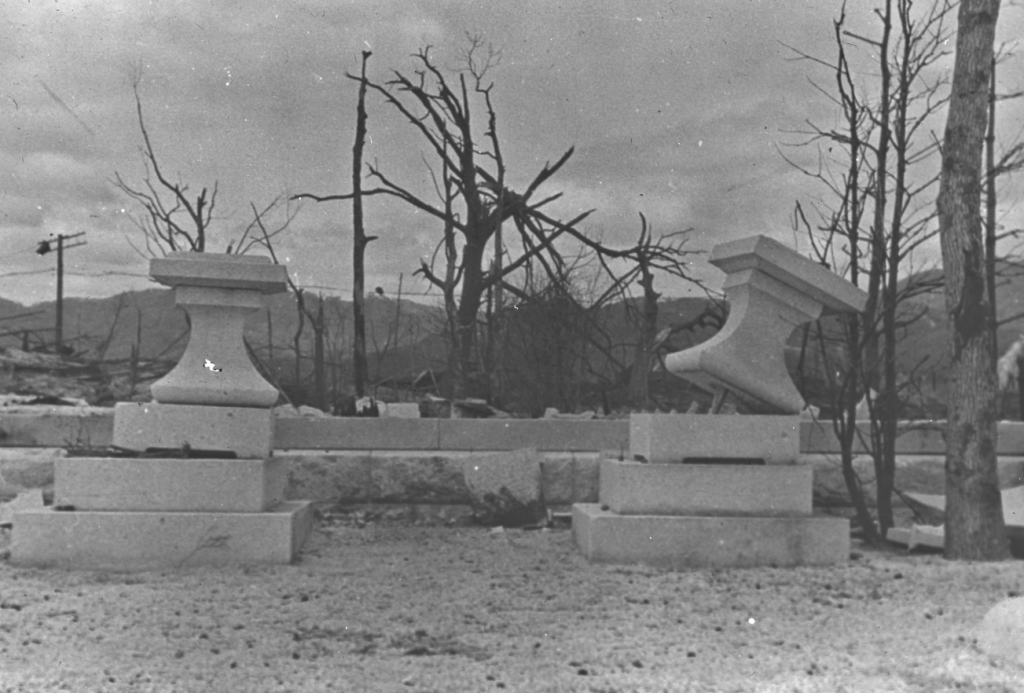
Hiroshima and the Atomic Age
Photographs taken after the atomic bombing of Hiroshima documented the unprecedented destruction caused by nuclear weapons. The attack, alongside Nagasaki, demonstrated their devastating power and helped usher humanity into an era defined by nuclear warfare and deterrence.
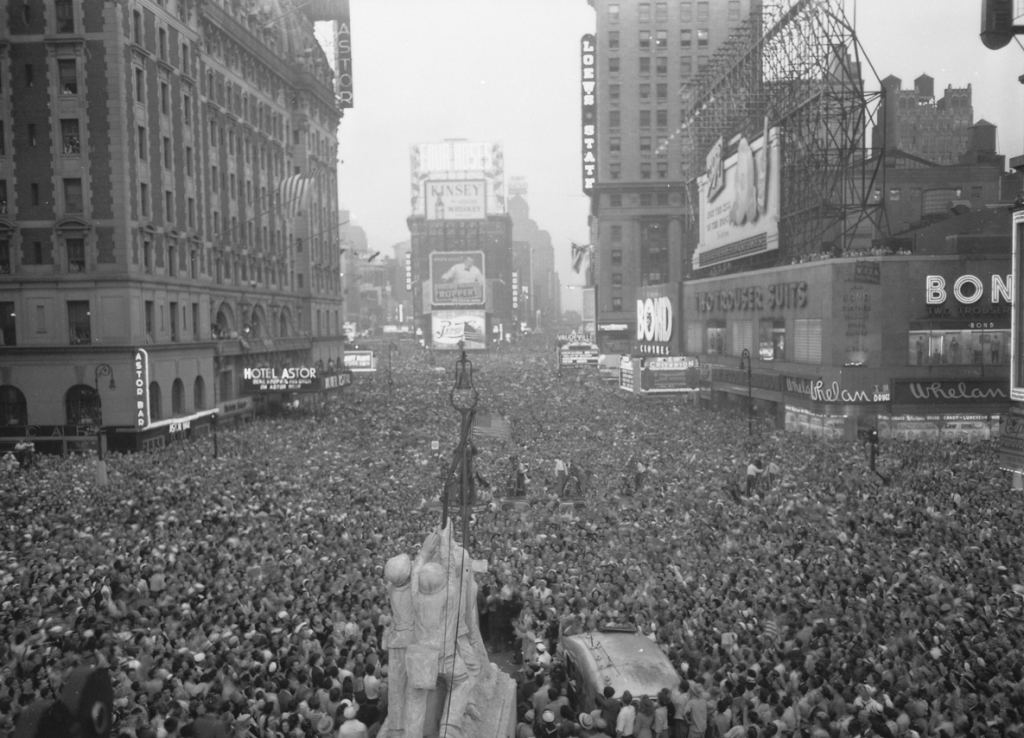
V-J Day in Times Square
This photo shows New Yorkers celebrating Japan’s surrender, capturing the public reaction to the end of World War II. V-J Day marked the conclusion of the conflict that had reshaped international politics and the emerging postwar world order.
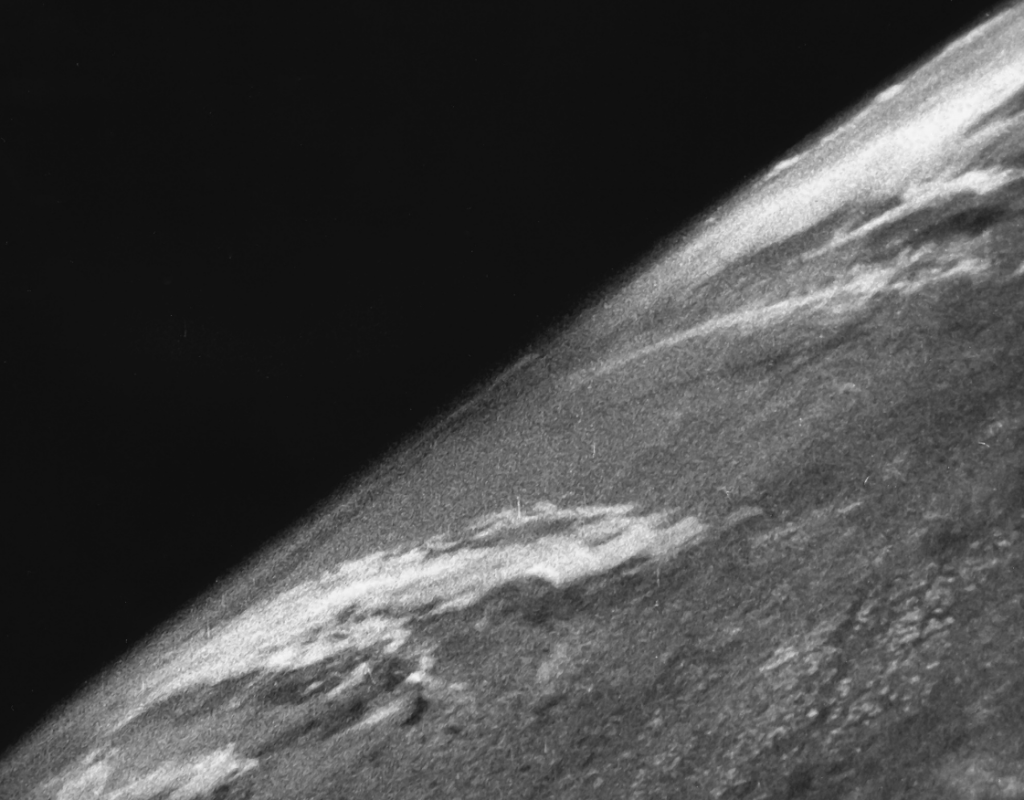
The First Photograph of Earth From Space
A camera aboard a V-2 rocket captured the first photographs of Earth from space in 1946. The images provided humanity with a radically new perspective of its planet and helped establish photography as a tool for space science.
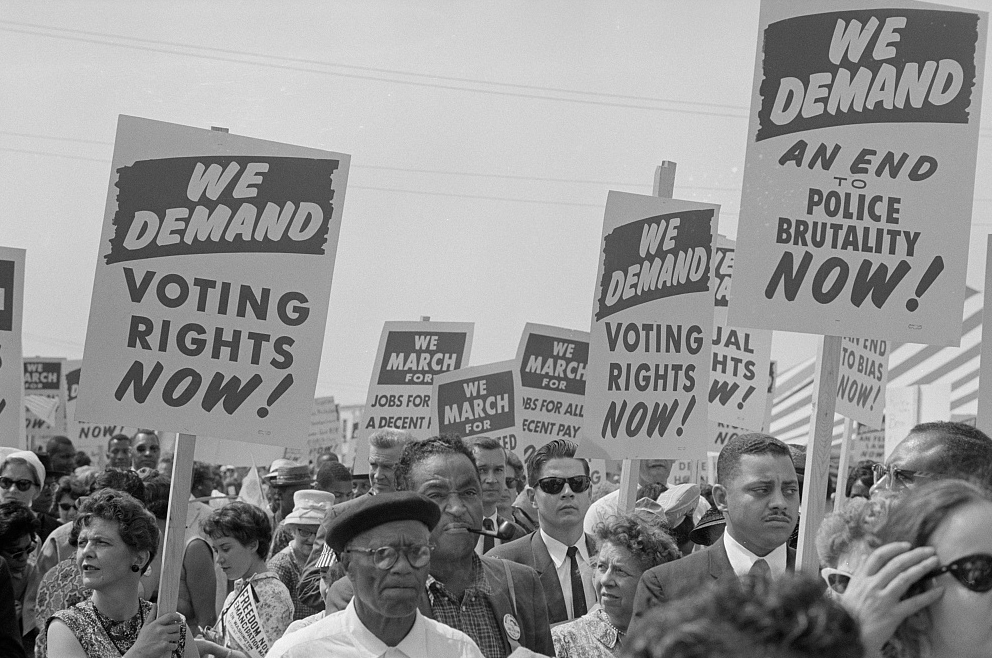
The March on Washington and Civil Rights
Photographs of the 1963 March on Washington documented one of the defining demonstrations of the American civil rights movement. The massive gathering helped focus national attention on demands for racial equality, voting rights, and economic opportunity.
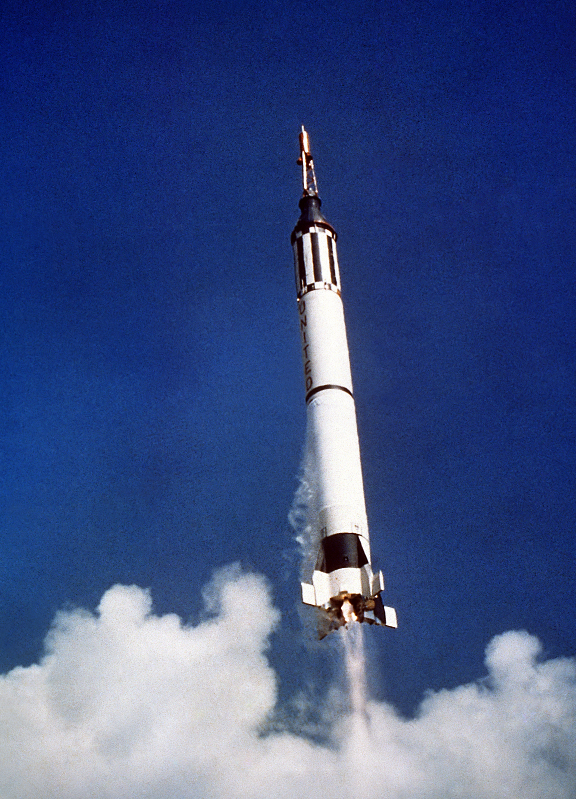
Freedom 7 Begins America’s Crewed Space Program
Alan Shepard’s 1961 Freedom 7 launch made him the first American in space. The flight demonstrated that the United States could send humans beyond the atmosphere and intensified the technological competition that characterized the early Space Race.
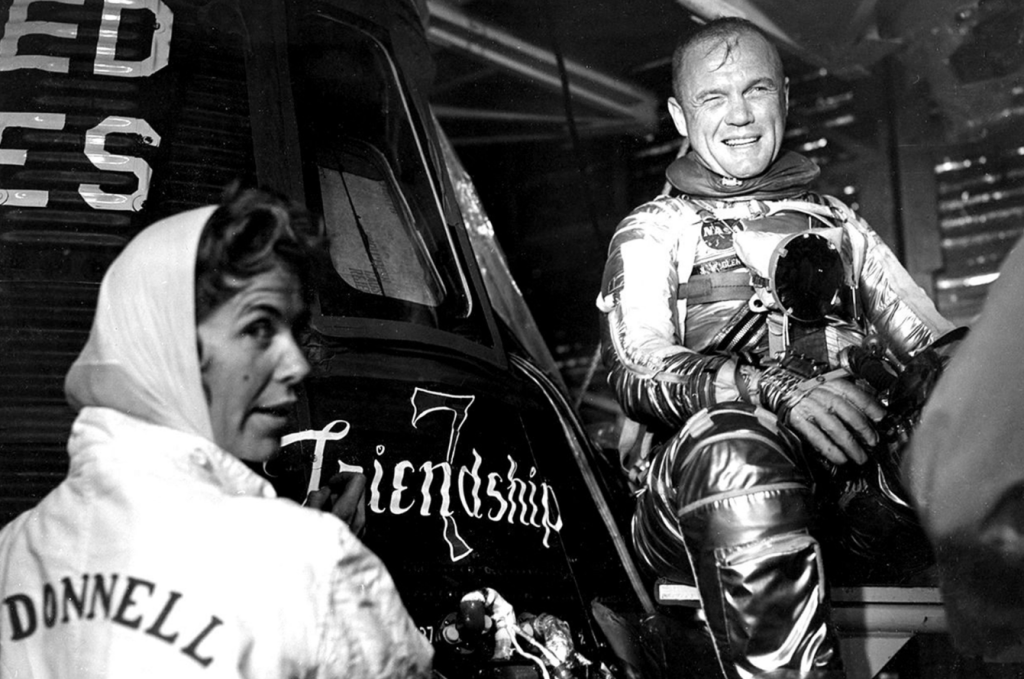
John Glenn Orbits Earth
John Glenn’s 1962 Friendship 7 mission made him the first American to orbit Earth. His successful three-orbit flight strengthened confidence in the American space program and demonstrated that crewed orbital missions were becoming technically achievable.
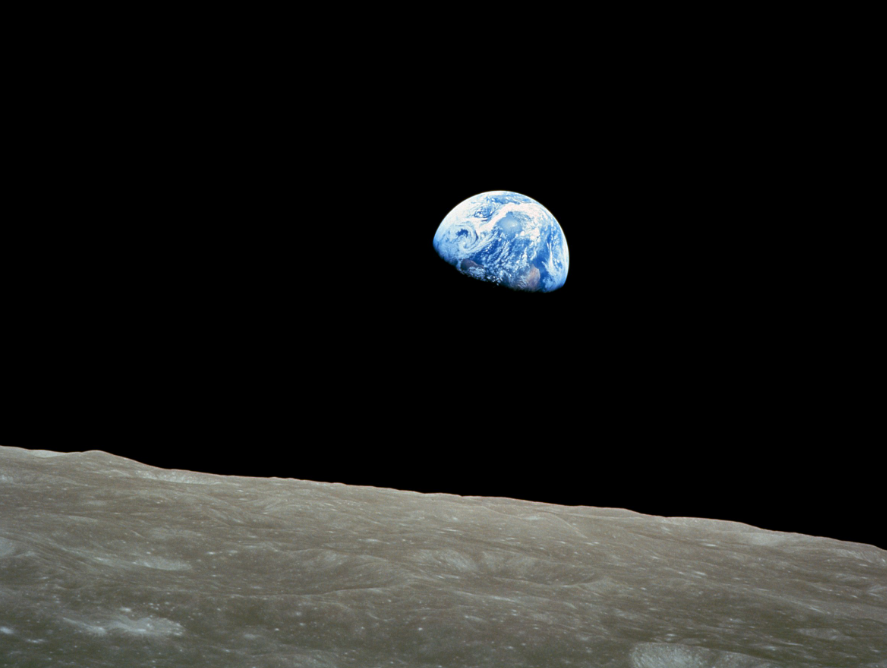
Earthrise Changes Humanity’s View of Home
Apollo 8’s 1968 Earthrise photograph showed Earth from lunar orbit during the first crewed mission around the Moon. The image became closely associated with the emerging environmental movement and encouraged a broader view of Earth as a shared, fragile home.
The post 15 Historical Photos Helping Tell History’s Story appeared first on Den of Geek.