


Kleenex
When Kleenex debuted in 1924, it was marketed as a convenient way to remove cold cream and cosmetics. Consumers increasingly used the tissues as disposable handkerchiefs, and the company eventually changed its marketing to match.
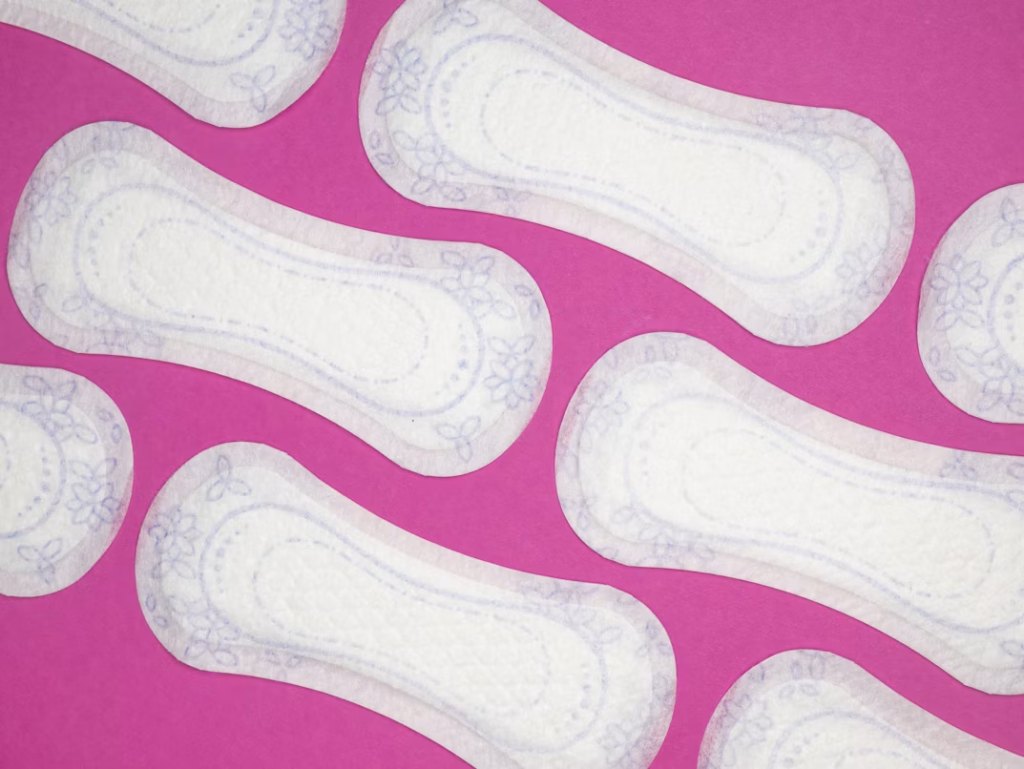
Kotex
The absorbent material behind Kotex had previously been used by Kimberly-Clark for products including surgical dressings during World War I. After the war, the technology was adapted into one of the first widely marketed disposable sanitary pads.
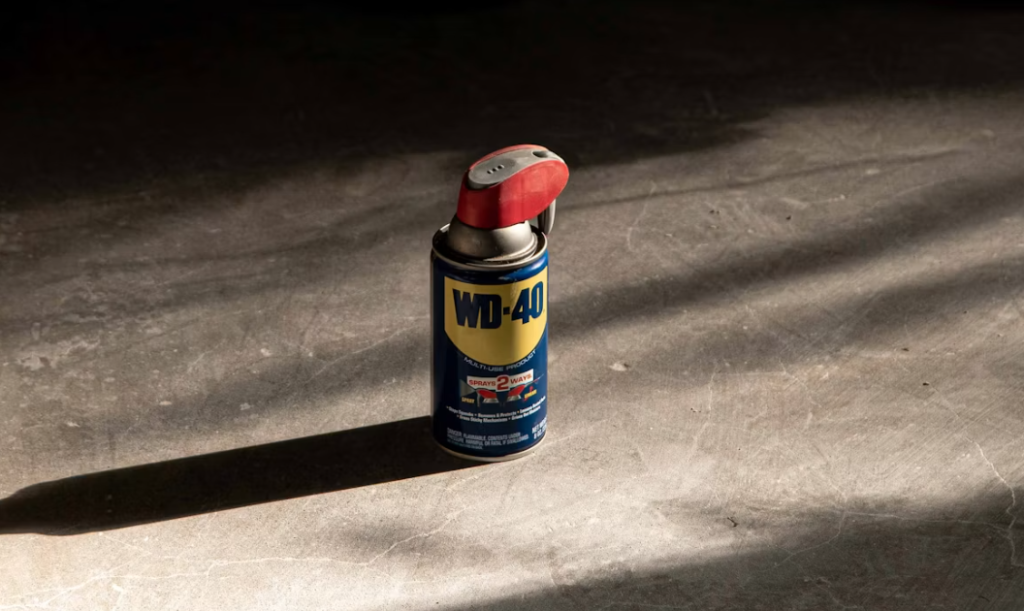
WD-40
WD-40’s first major job was protecting the outer skin of Atlas missiles from rust and corrosion. Workers discovered that the formula was useful at home too, helping turn an aerospace solution into a household staple.
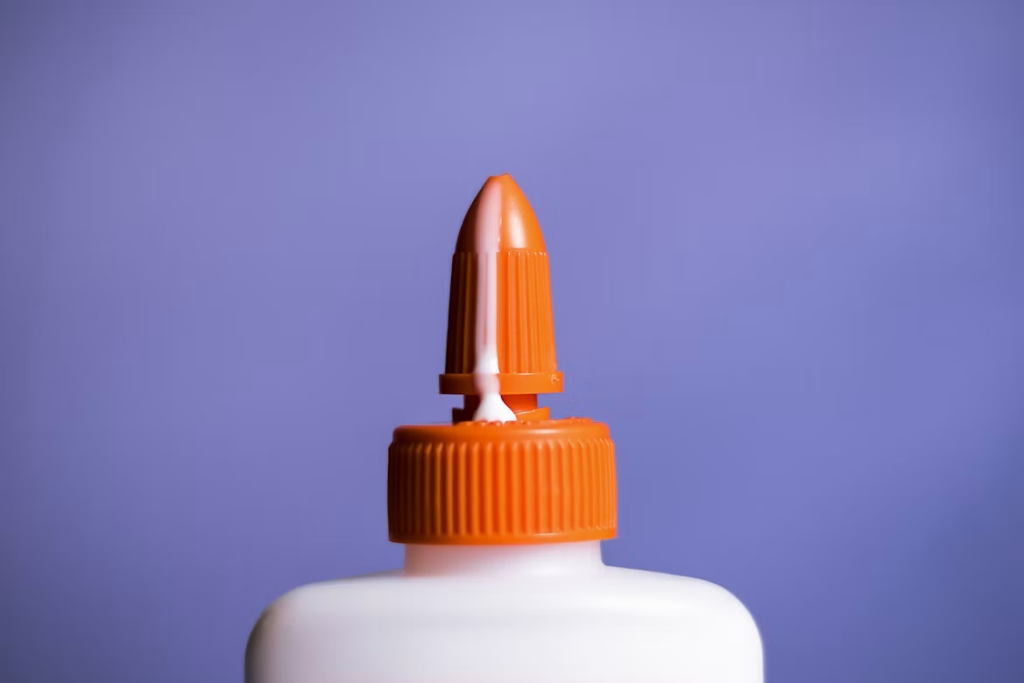
Super Glue
Cyanoacrylate was discovered while researchers were trying to develop clear plastic materials for gun sights during World War II. Its tendency to stick to practically everything made it unsuitable then, but that same property eventually became its biggest selling point.

Silly Putty
The strange, stretchy material that became Silly Putty emerged from wartime research into possible substitutes for natural rubber. It did not solve the rubber shortage, but its unusual properties made it an ideal novelty toy.
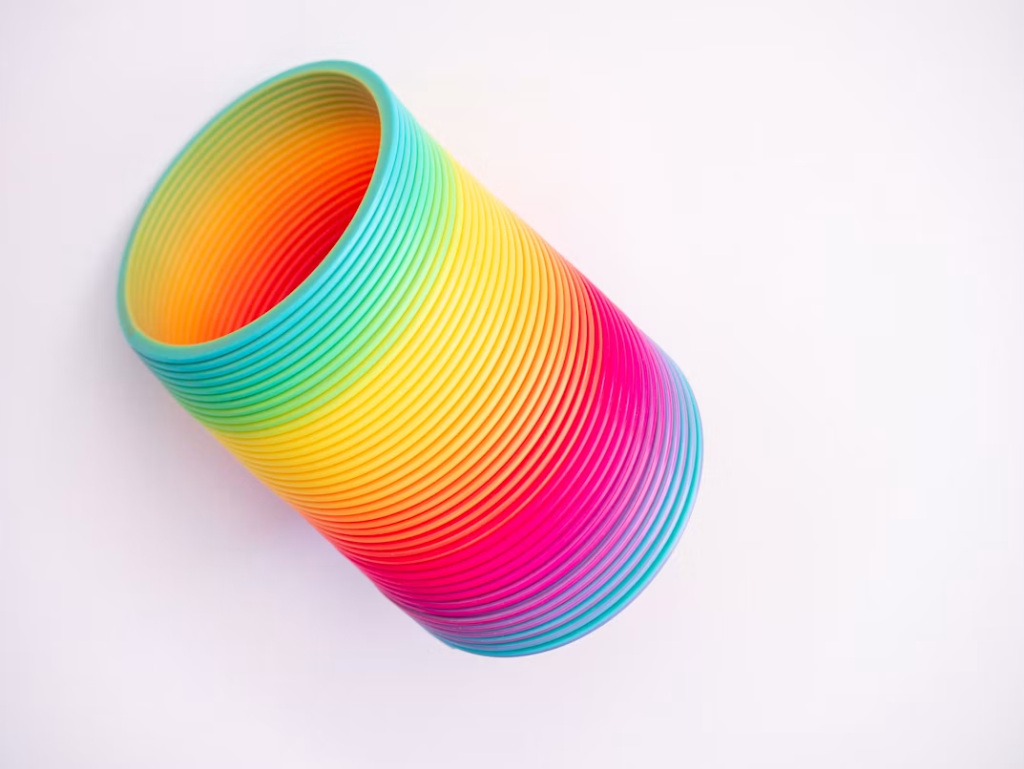
Slinky
Engineer Richard James was working with springs while developing a system intended to stabilize sensitive equipment aboard ships. After watching a spring tumble in an unusual way, he realized the basic idea could become a toy.