
Throwing money at a problem is always an option, but history has repeatedly shown that the clever solution can be surprisingly cheap. Some familiar products, inventions, movie tricks, and everyday fixes exist because somebody had limited time, a tiny budget, or simply no interest in building something more complicated. Instead, they grabbed an ordinary object, simplified an expensive idea, or found a workaround that did the job better than the elaborate alternative. A few were only supposed to be temporary solutions, yet worked so well that they became permanent. Others became iconic precisely because their limitations forced people to get creative. Here are 15 times the cheapest solution became the best.
NASA Used a Simple Plastic Pen Holder to Fix Apollo 13
After an explosion crippled Apollo 13, engineers had to make incompatible carbon dioxide filters work together using only materials available aboard the spacecraft. Their improvised solution relied on ordinary items including plastic bags, cardboard, and duct tape.
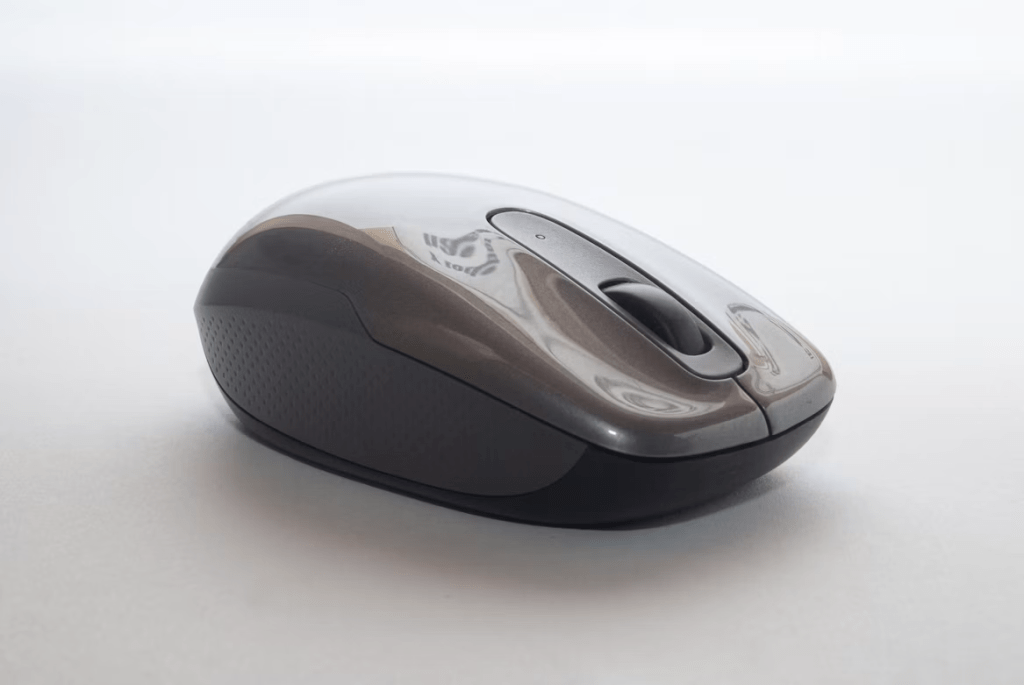
The First Computer Mouse Used a Wooden Shell
Doug Engelbart’s early computer mouse hardly looked like futuristic technology. The prototype was housed inside a simple wooden box, proving the basic idea worked without requiring an elaborate design.
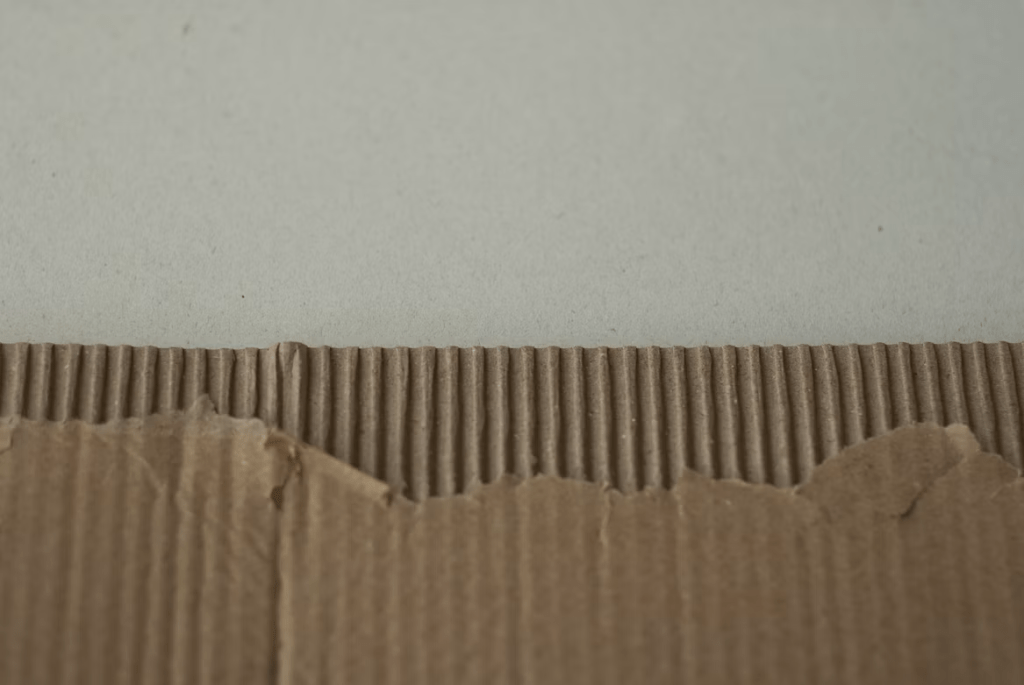
Cardboard Beds Became an Olympic Village Staple
Organizers at the Tokyo Olympics famously used recyclable cardboard bed frames in athletes’ rooms. Despite jokes about their construction, the lightweight frames were engineered to support substantial weight and could be recycled afterward.