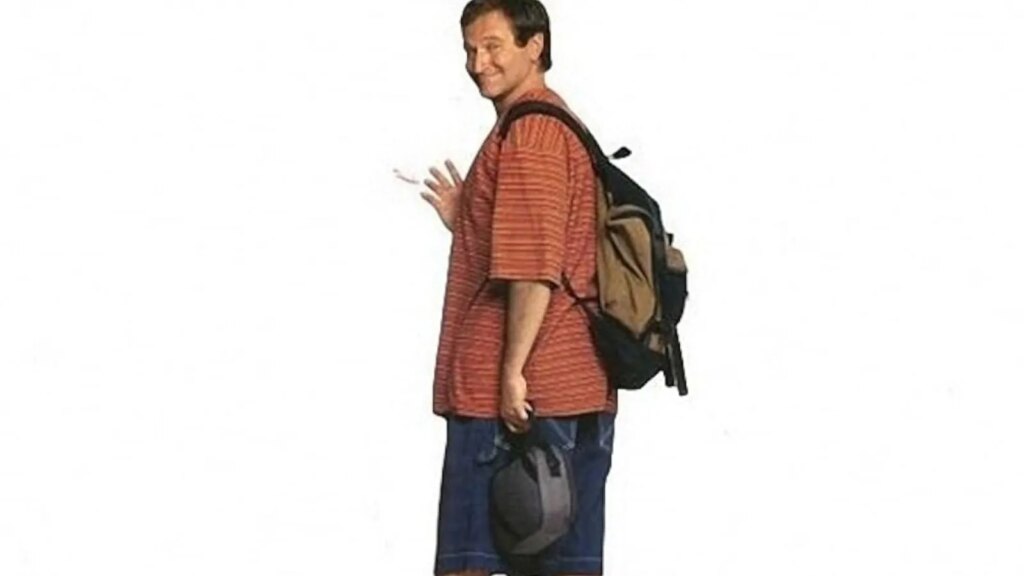


Peter Jackson, The Lovely Bones (2009)
After directing The Lord of the Rings trilogy and King Kong, Peter Jackson had enormous goodwill behind him. The Lovely Bones looked like another prestige project, but its unusual tone and approach to the source material divided critics and audiences.

Ridley Scott, The Counselor (2013)
Ridley Scott had already built one of cinema’s strongest track records when he directed The Counselor. Despite a major cast including Michael Fassbender, Brad Pitt, Javier Bardem, and Cameron Diaz, the crime drama was met with a largely negative critical response.
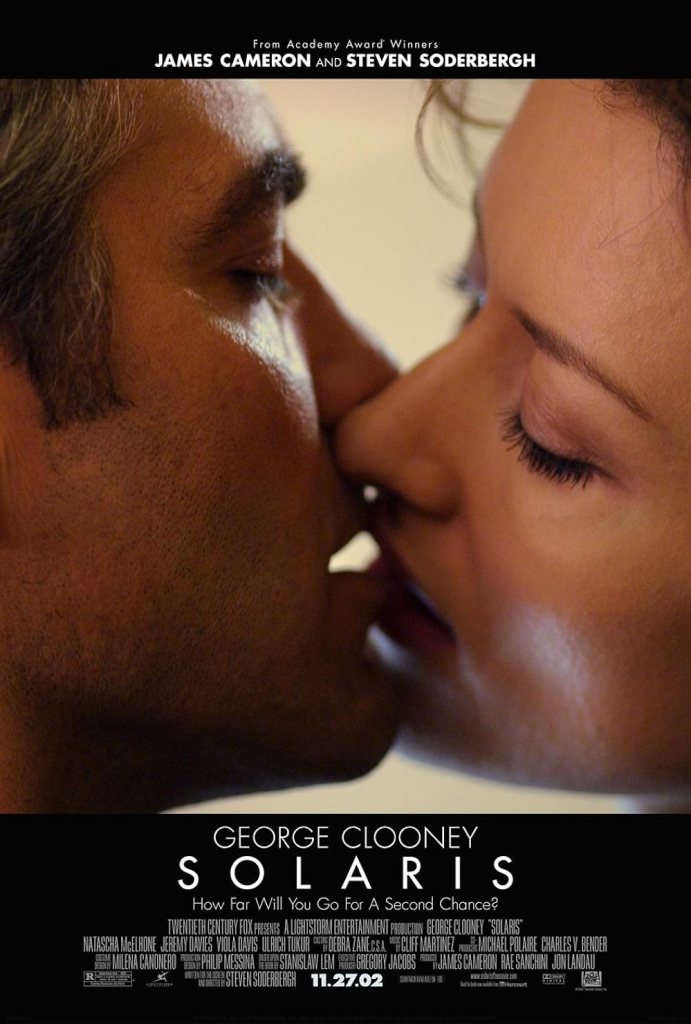
Steven Soderbergh, Solaris (2002)
Steven Soderbergh had already demonstrated an extraordinary range, but his adaptation of Solaris struggled to find a large audience. Despite George Clooney in the lead and Soderbergh’s distinctive filmmaking, the slow science fiction drama underperformed commercially.
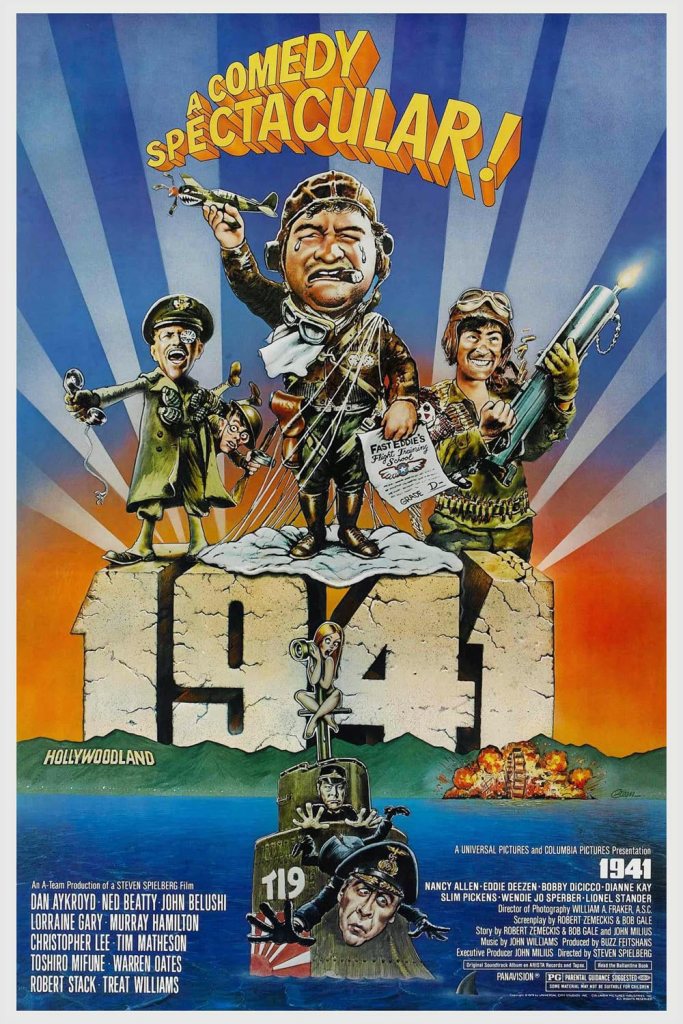
Steven Spielberg, 1941 (1979)
Steven Spielberg had already established himself as one of Hollywood’s most exciting young directors when he made 1941. The massive World War II comedy featured an enormous cast and budget, but its chaotic humor failed to connect with audiences in the way his previous hits had.
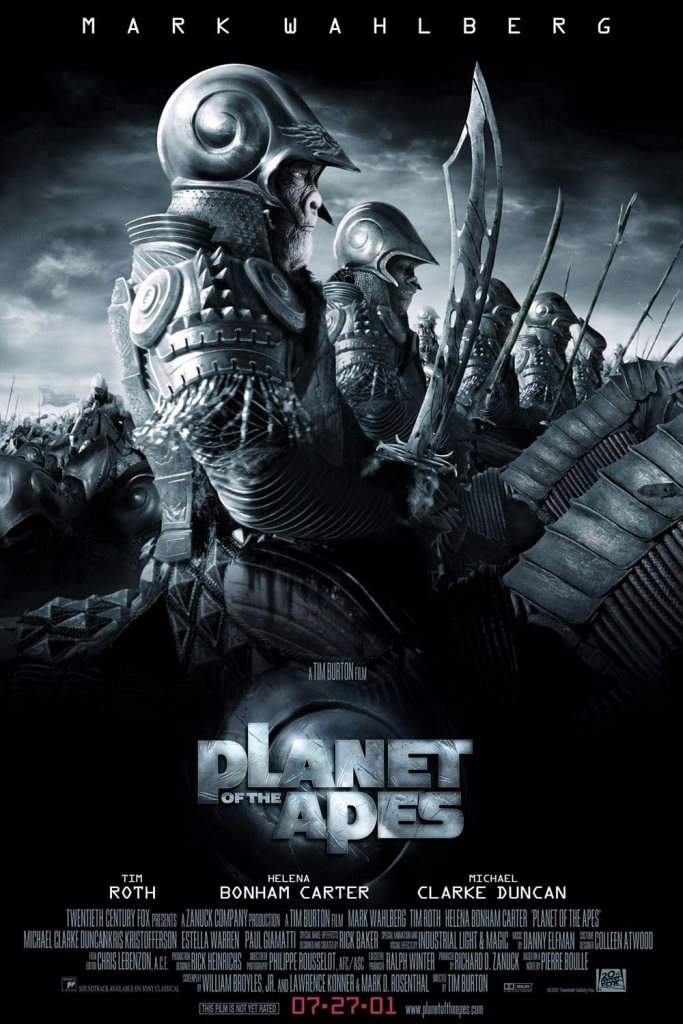
Tim Burton, Planet of the Apes (2001)
Tim Burton seemed like an obvious choice to revive Planet of the Apes, particularly after establishing such a distinctive visual style. The movie made money, but critics were unimpressed, and its reception was nowhere near the level expected from Burton’s return to the material.
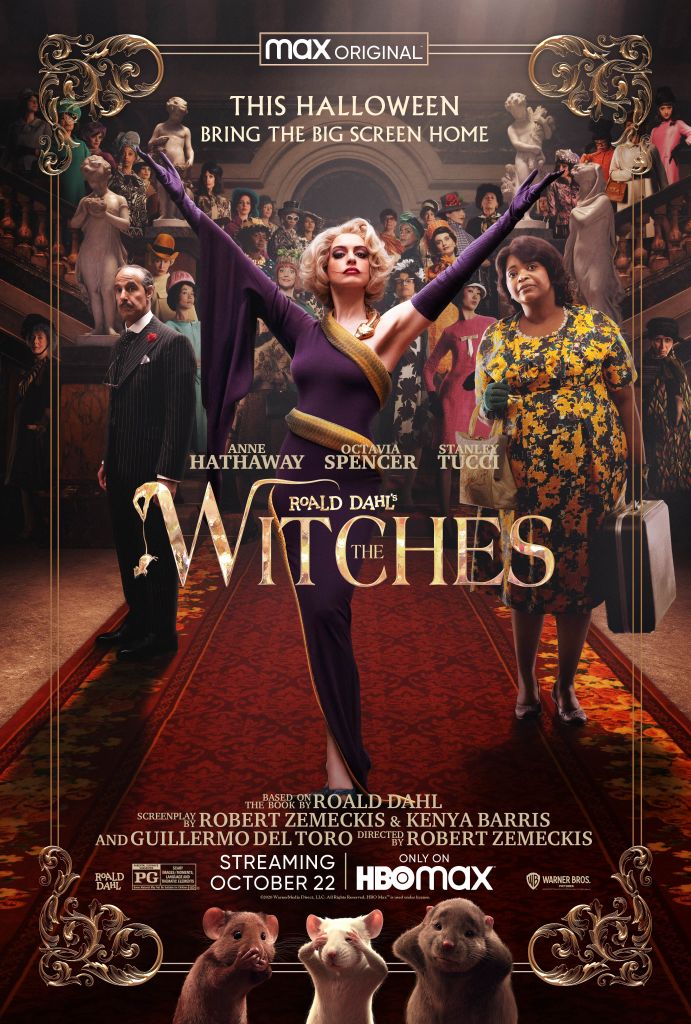
Robert Zemeckis, The Witches (2020)
Robert Zemeckis had directed beloved films including Back to the Future, Forrest Gump, and Who Framed Roger Rabbit. His adaptation of The Witches arrived with a strong cast and impressive visual effects, but critics largely disliked the finished film, and audiences were similarly unconvinced.