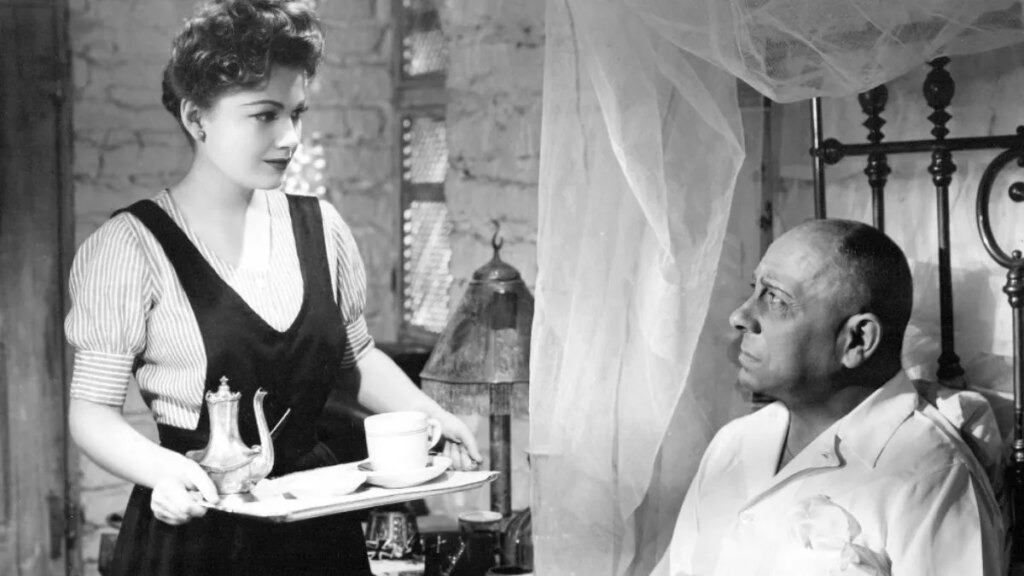

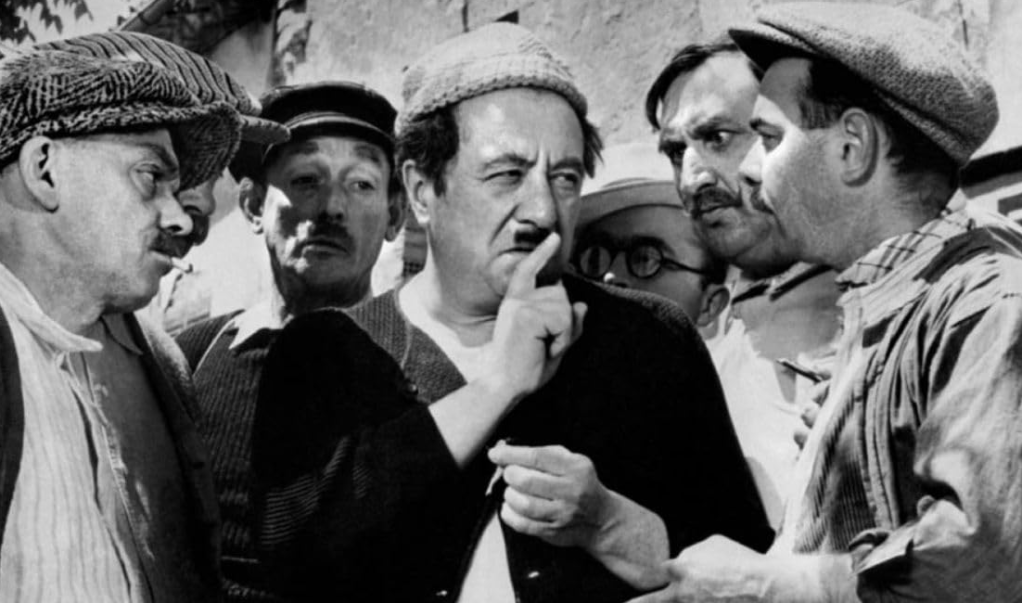
The Baker’s Wife (1938)
Marcel Pagnol’s French classic follows a village baker whose wife runs away, prompting the entire community to rally around restoring his ability to bake bread. Its earthy humor, eccentric characters, and humane storytelling have earned enduring critical admiration.
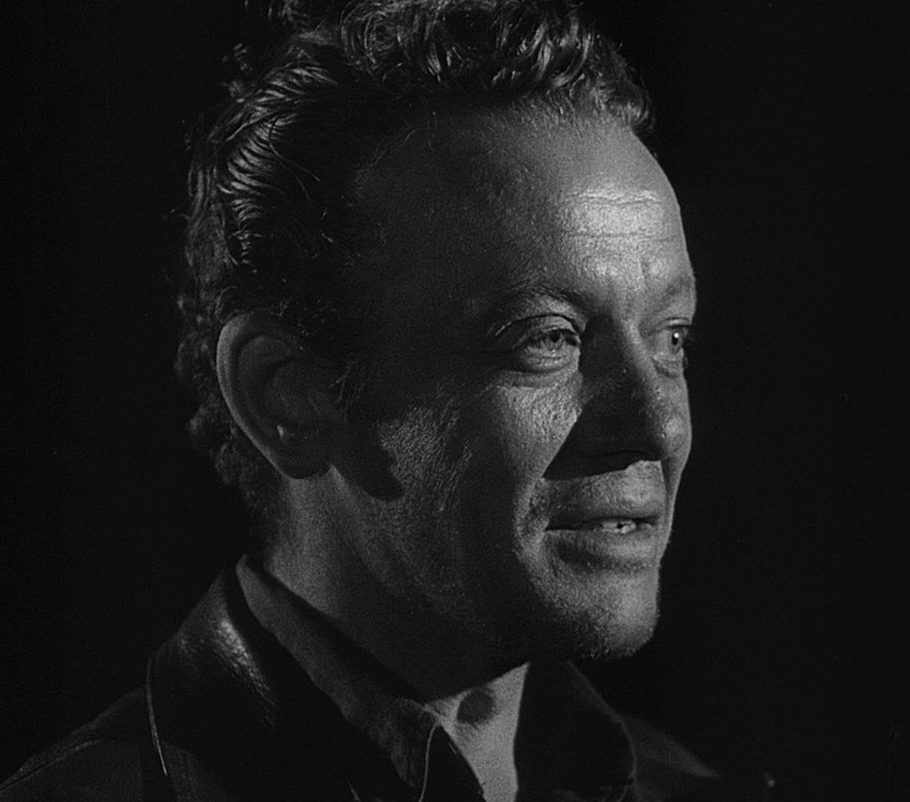
The Hitch-Hiker (1953)
Ida Lupino directed this lean, disturbing film noir about two friends abducted by a murderous hitchhiker during a fishing trip. Based on real crimes, it became a landmark as the first American film noir directed by a woman.
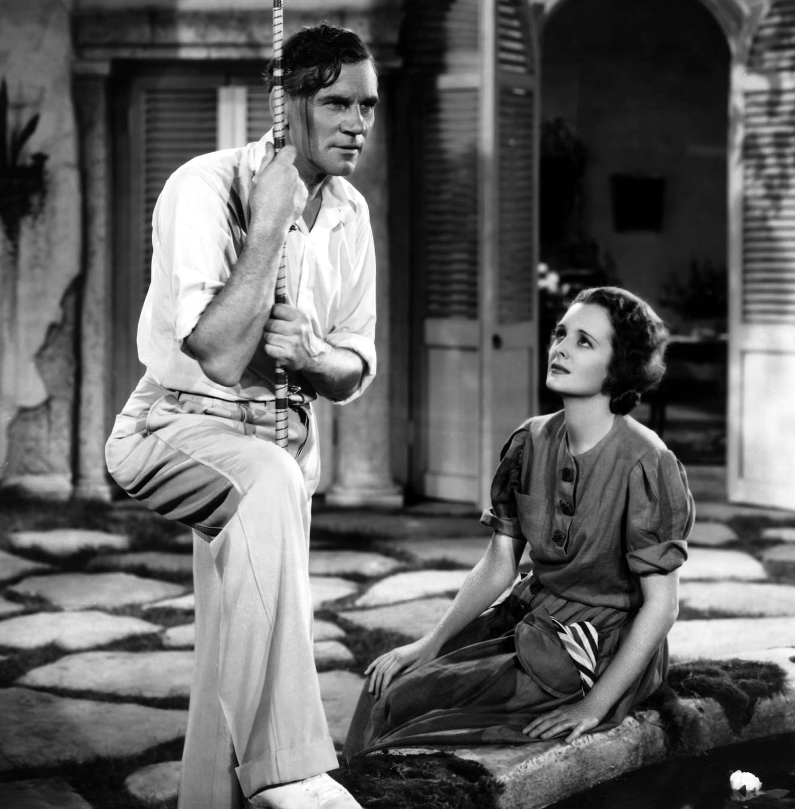
Dodsworth (1936)
William Wyler’s sophisticated adaptation of Sinclair Lewis follows a retired automobile executive traveling through Europe with his increasingly dissatisfied wife. Walter Huston anchors a remarkably mature examination of marriage, aging, independence, and discovering what actually matters later in life.
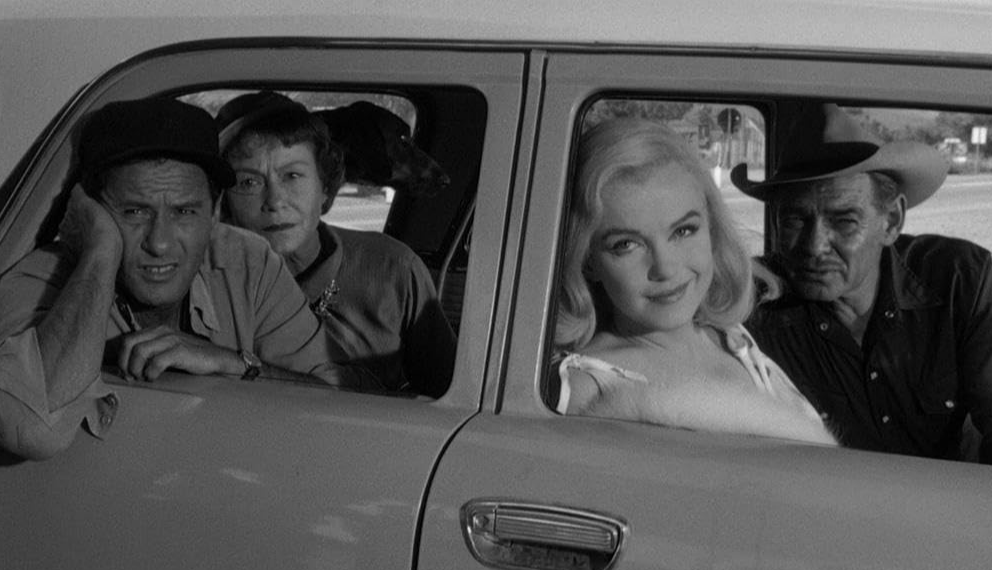
The Misfits (1961)
John Huston’s melancholy Western brings together Marilyn Monroe, Clark Gable, Montgomery Clift, and Eli Wallach in Arthur Miller’s story about lonely people struggling to find purpose. Its reputation has grown considerably, with critics increasingly recognizing its emotional power.
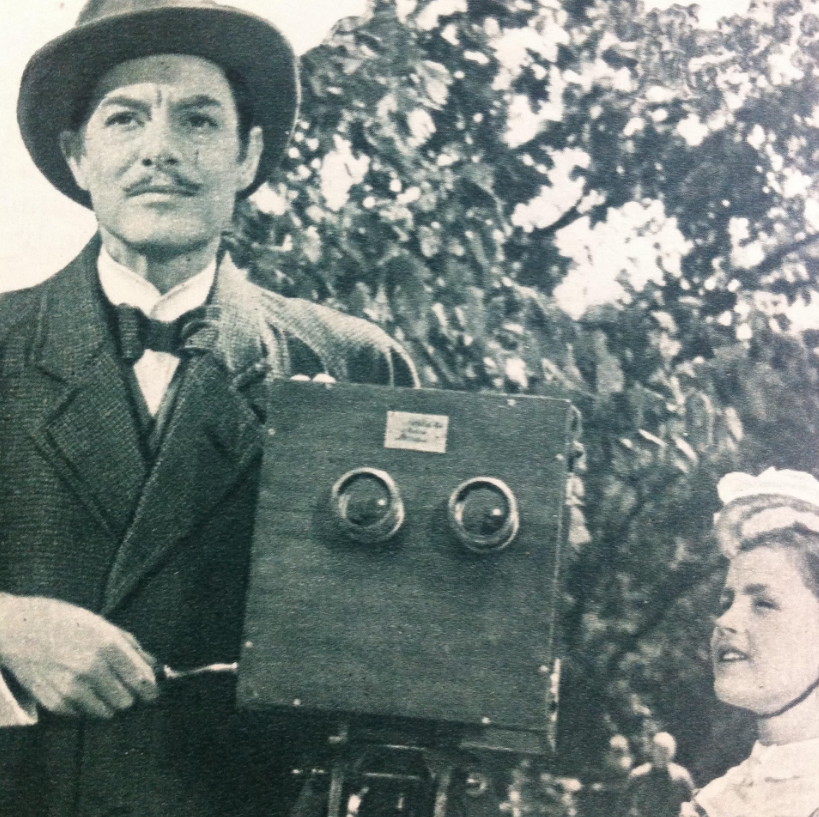
The Magic Box (1951)
This British biographical drama tells the story of William Friese-Greene, an early cinema pioneer whose experiments helped advance motion-picture technology. Robert Donat brings warmth to an unusual story about invention, obsession, financial hardship, and cinema’s earliest days.
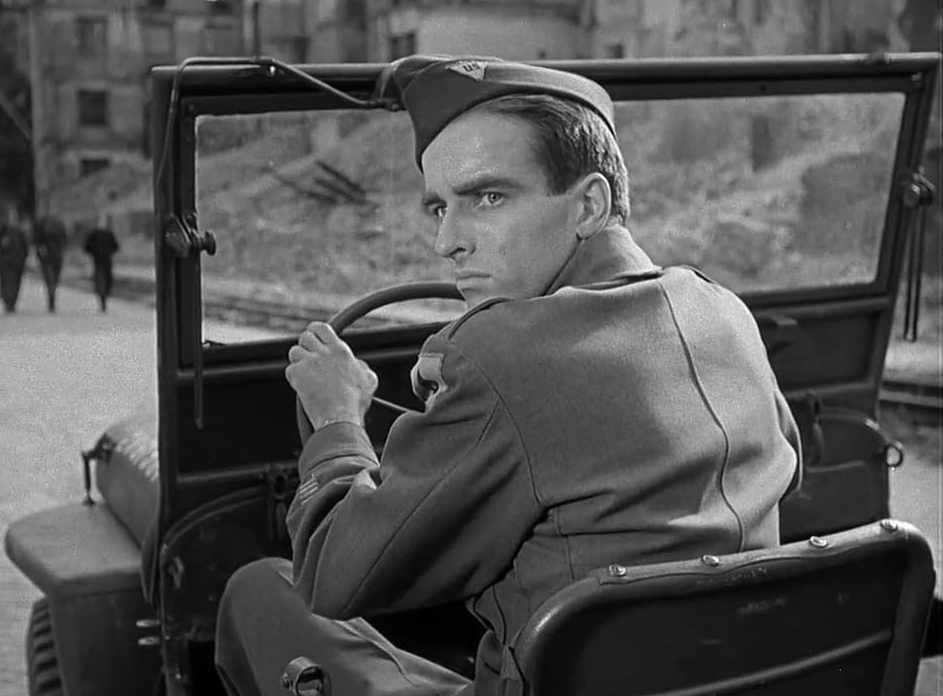
The Search (1948)
Fred Zinnemann’s postwar drama follows a young Auschwitz survivor searching for his mother amid the ruins of Europe. Montgomery Clift and Ivan Jandl lead a deeply compassionate film, much of which was shot among actual bomb-damaged German cities.