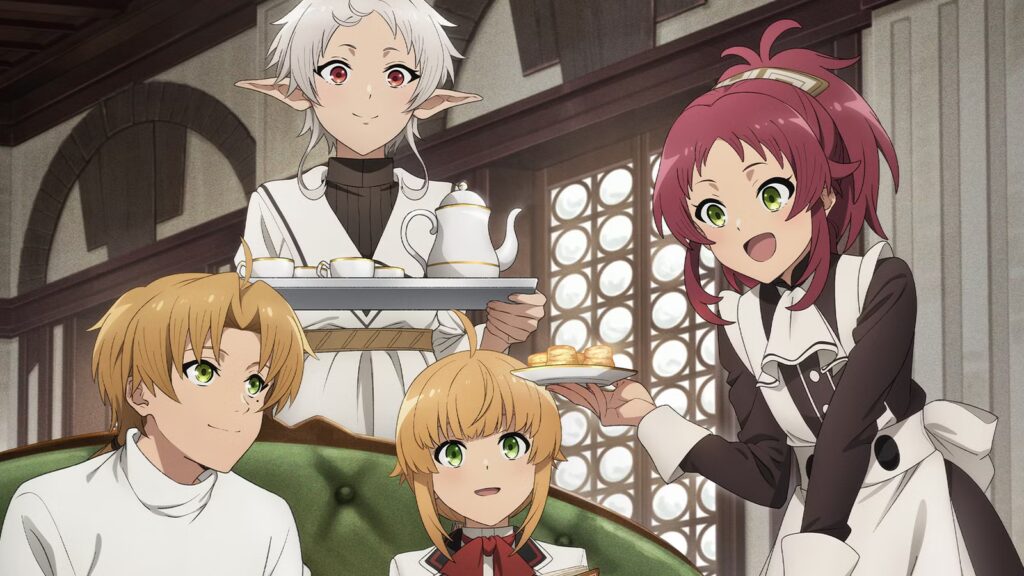

Mushoku Tensei: Jobless Reincarnation‘s reputation is anchored almost entirely by the fantasy universe that exists beyond Rudeus Greyrat. The anime floats across distinct continents, cultures, races, political systems, historical grudges, and schools of magic, with its third season continuing to expand that already substantial worldbuilding.
Surpassing such a demanding standard is a pipe dream for most anime, because improved worldbuilding is so much more than larger atlases and thicker encyclopedias of lore. The settings must shape the storytelling and characters as much as expanding economics, religion, warfare, hierarchy, language, and history. The best anime worlds feel effortlessly interconnected, and some are undoubtedly better at it than Mushoku Tensei.
Attack on Titan Incorporates History Into Every Layer of War
At first, the world of Attack on Titan looks remarkably small. The towering walls around Paradis exponentially dwarf the districts, which consequently makes the outside world feel terrifyingly vast. Meanwhile, the exterior terrain is treated as an unknowable wilderness, populated by violently carnivorous mutations of humanity. Over the story, however, Hajime Isayama gradually reveals the political machinations lurking behind this existential simplicity.
Paradis expands into Marley and, soon, the rest of the world. The once-mindless Titans became instruments of empire-building and apocalyptic annihilation, and many Eldians are infuriated by the extent of their segregation. History and ethnicity were woven into technology and warfare, resulting in a profound social commentary on the cyclical nature of nationalism, collective memory, and inherited trauma.
Attack on Titan‘s supernatural system belongs to that same architecture. The Paths intertwine with the real world in significant ways, transposing people with ideas, even modes of thought, until their very bones are laid bare. As such, the Rumbling was a moral failing on the metaphysical level: Eren’s choice laid waste to Isayama’s meticulous construction. The peace envisioned by the antihero didn’t even last, with Paradis eventually destroyed by the same world it once tried to extinguish.
The Twelve Kingdoms Is a Hybrid of Culture, Politics, and Cosmology

Overshadowed by the Shonen Big 3 during the early 2000s, The Twelve Kingdoms featured an institutionally precise fantasy civilization. The world borrows heavily from classical Chinese concepts, ranging from cosmology to bureaucracy, and yet, the iconic influences are reframed into a fascinatingly complex premise. The selection of each ruler is governed by a divine Kirin, fusing politics with philosophy and spirituality.
Reproduction also reflects the universe’s strange phenomena, with children born from ranka fruit rather than standard pregnancy, and magical storms create portals that serve purposes beyond ordinary isekai tropes. The Twelve Kingdoms consistently tests and recalibrates the limits of its system, as different character arcs and storylines expose the nuances hidden beneath.
Individual kingdoms acquire diverse identities through the quality of governance, with cosmetic differences in architecture and aesthetic playing a surprising background role. Mushoko Tensei‘s world feels inhabited and culturally heterogeneous, whereas The Twelve Kingdoms turns history, immortality, social class, geography, mythology, and morality into equally important aspects of a uniform operating system.
Hunter x Hunter Keeps Expanding Beyond its Known Borders

In stark contrast to Yoshihiro Togashi’s Yu Yu Hakusho, whose worldbuilding was satisfactory at best, the mangaka did a fantastic job with Hunter x Hunter. Early arcs imagine an eccentric version of modern Earth, populated by legacy assassins, criminal syndicates, magical beasts, and a highly sophisticated hierarchy of Hunters. But Togashi keeps shifting the boundaries of his geography, allowing his imagination to construct increasingly elaborate settings.
The Chimera Ants were the first true anomalies in the HxH system, and they came from the Dark Continent. Continent isn’t the accurate term, because the human “world” also features those landmasses. It’s actually an immeasurably monumental piece of land that looks like it covers the entire planet, leaving humanity segregated within the relatively tiny Lake Mobius.
|
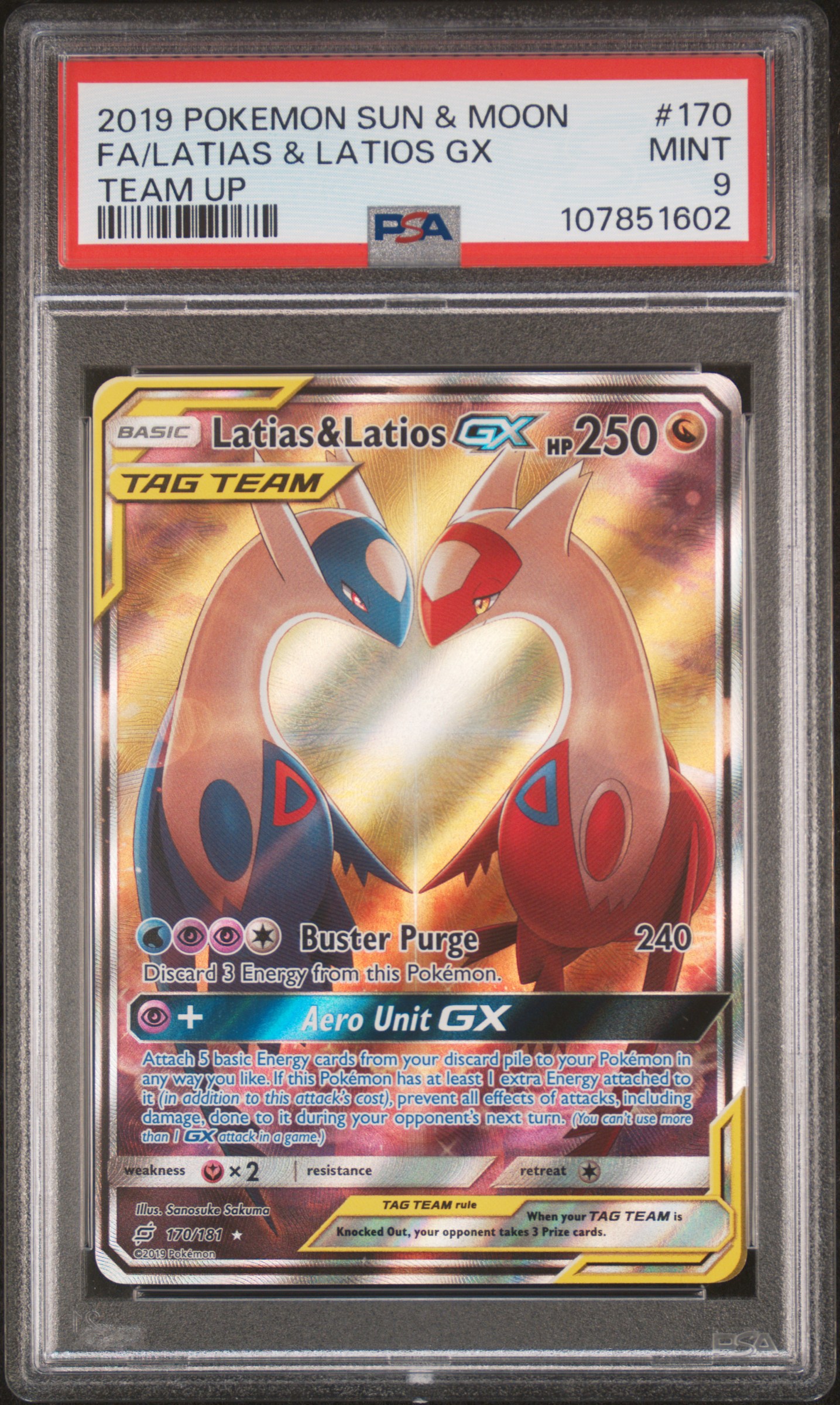
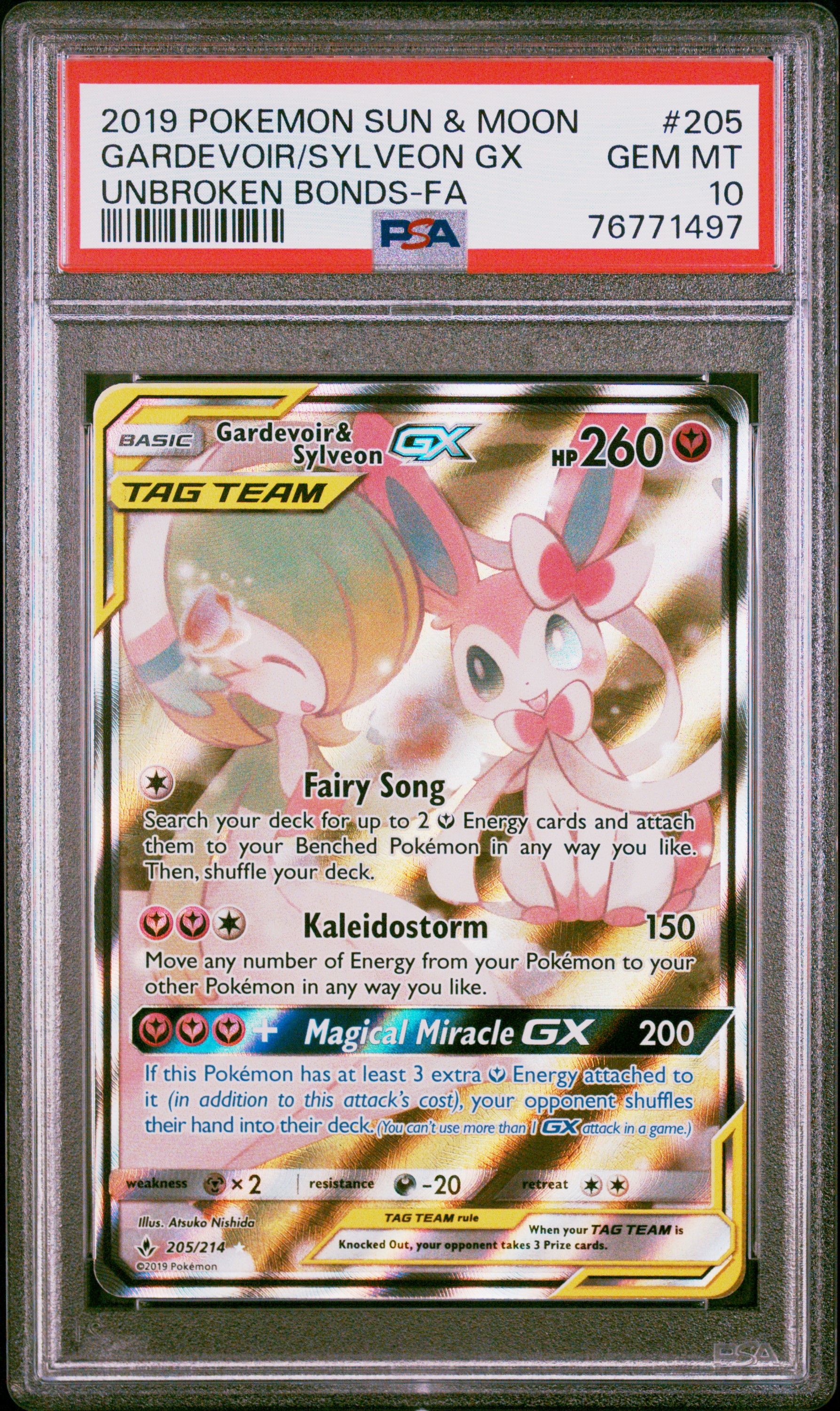
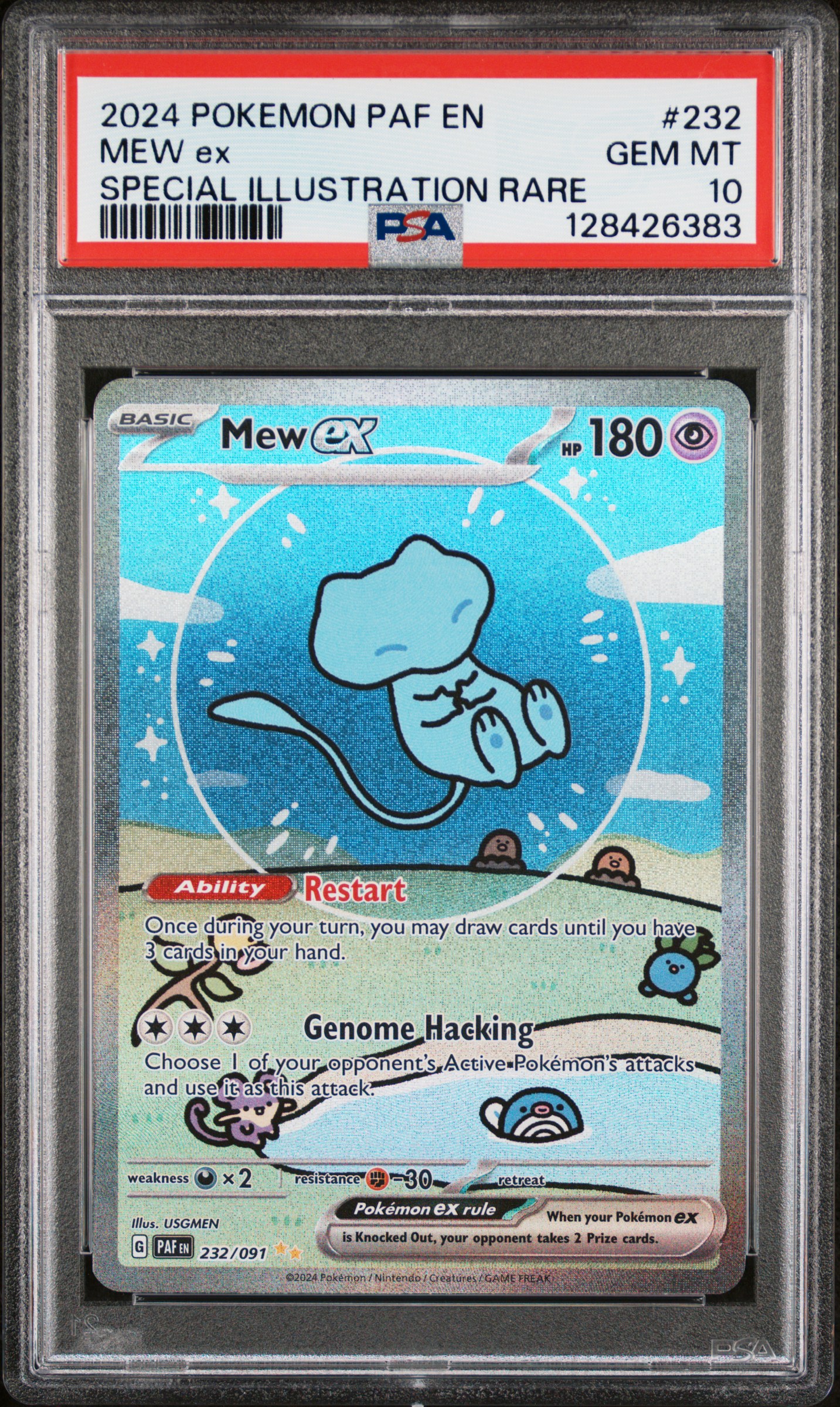
NEW Latias & Latios GX Full Art Team Up · PSA 9 Card value $5,319 Gardevoir & Sylveon GX Full Art Unbroken Bonds · PSA 10 Card value $4,870 Mew ex Special Illustration Rare Paldean Fates · PSA 10 Card value $2,365 Mega Charizard X ex Special Illustration Rare Phantasmal Flames · PSA 10 Card value $1,960 Eevee & Snorlax GX Full Art SM Black Star Promo · PSA 10 Card value $2,382 Pikachu ex Special Illustration Rare Ascended Heroes · PSA 10 Card value $2,258 Red’s Pikachu Japanese Pokémon Center 20th Anniversary Promo · PSA 10 Card value $1,392 |
Whatever the New Continent may offer pales before the narrative richness of its extremely massive counterpart. The Chimera Ants were one of the weakest monsters from the Dark Continent, easily eclipsed by the Five Threats. Brions, bizarre humanoid creatures with sphere-heads, weirdly known as botanical weapons for some reason, also guard a mysterious Labyrinth City in the deeper reachest of the landmass. Now that Togashi has returned to the Dark Continent, it’s only a matter of time before HxH‘s world takes another evolutionary leap.
Made in Abyss Develops Civilization from a Single Chasm

The titular chasm of Made in Abyss becomes a spectacular backdrop for Reg and Riko’s expedition, but it’s so much more than that. The anime’s landscapes segue seamlessly and consequently into biology, ecology, and archeology. The Layers possess distinct weather patterns, cryptic ruins, and flora-fauna relationships outside the limited scope of the real world.
Going deeper means pushing through the Curse of the Abyss, with the cost of gaining knowledge making escape less and less possible. Entire institutions and cultures have evolved around this vertical geography. The greatest among them, the legendary White Whistles, created artifacts capable of affecting the balance of power between countries.
Made in Abyss goes from impressive to extraordinary when the worldbuilding deftly rewrites the basic concepts. Relics emerge that severely shake established foundations, while abstractions like desire and sacrifice influence physical laws. The vibrant geography effectively generates the world and shapes its inhabitants; from a single impossible hole unfolds one of anime’s best attempts at environmentally integrated storytelling.
One Piece Makes Worldbuilding Part of the Final Mystery
A straightforward pirate adventure that slowly builds the world in sync with the story, One Piece‘s Blue Planet might just be the crowning jewel of the anime world. Across hundreds of unique islands, where politics, technology, mythology, and power have been intermingling for centuries, Eiichiro Oda has knitted seemingly isolated adventures into a grand tapestry of inherited conflict, forgotten history, and the value of sacrifice.
The Grand Line and Red Line physically divide the world, and while Skypiea and Egghead are nothing like Water 7 and Wano, the same existential bedrock anchors the entire planet. Races, species, even inexplicable entities can be found scattered around the Blue Planet, but they are all linked by the threads of oppression, memory, resistance, will, liberation, and the long shadow of One Piece‘s Void Century.
The Elbaph arc is poised to reveal some interesting details about this era, where Joy Boy’s defeat culminated in the formation of the modern World Government. Artificial climate change, space travel, ancient weapons, magical fruits, and so many other mysteries are steadily converging on the climax, arguably the discovery of the One Piece, an event predicted to trigger global war and, eventually, catharsis.