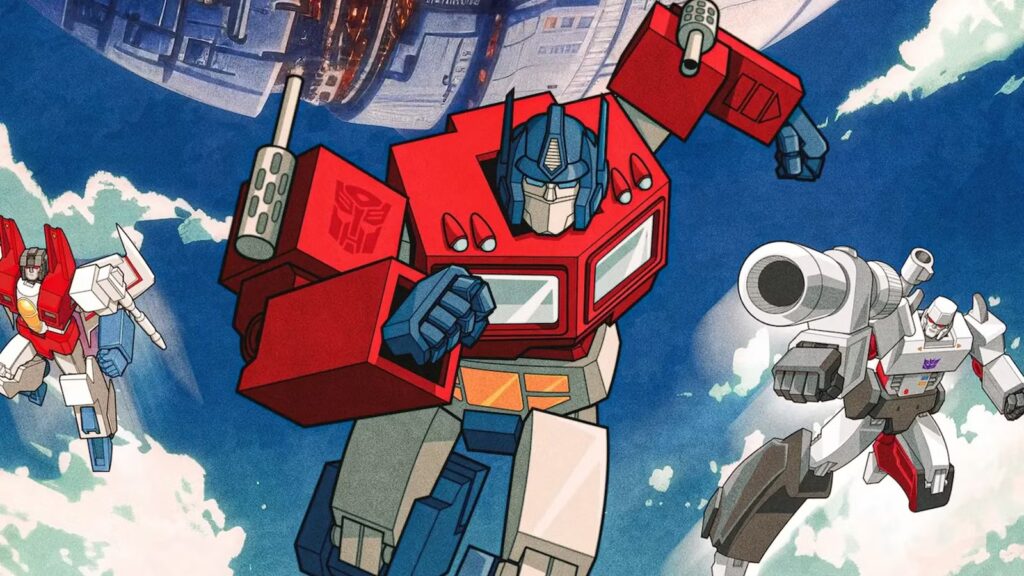

Debuting in 1984, Transformers has become an ingrained part of geek culture. The franchise has produced successful films, comic universes, and several major animated series. At this point, there have been so many Transformers cartoon series that it feels weird when one isn’t on television.
Yet with so many television series, it’s not surprising that all of them haven’t stood the test of time as well as others. Since it’s a franchise usually aimed at children, looking back on certain series as an adult often reveals many of a show’s flaws. The show might not be terrible, but it’s clear several parts simply aren’t the timeless classics people expect from a beloved franchise with a storied history.
Transformers: Cybertron Was Never Meant To Continue The Unicron Story

Transformers: Cybertron was the third part of the Unicron Trilogy. A production between GONZO and Sunwoo & Company, Cybertron gave Transformers another makeover, adding more CGI than ever before. The result was a series that felt aesthetically disconnected from the first two Transformers series, which turned out to be for good reason.
Transformers: Cybertron brings back the most dangerous Transformer of all, Unicron. Though he was supposedly beaten in Energon, his spark has returned as the Unicron Singularity, a giant black hole threatening to wipe out the entire universe. The only thing keeping Unicron from wiping out the universe is a collection of Cyber Planet Keys located on different worlds. However, even here, Megatron continues to be a thorn in the side of the Autobots, battling them for control of the keys.
Transformers: Cybertron ran into a host of problems that turned it into a mess. For starters, the story wasn’t meant to be a sequel to Transformers Energon, but a reboot, which led to some fairly messy rewrites. While the English version tried to correct this in its script, it still doesn’t feel like it makes sense in some spots. It’s not the worst series in the Unicron Trilogy, but that doesn’t make it good.
Transformers: Energon Was An Entirely Unnecessary Sequel

Transformers: Energon is one of those series that didn’t even hold up at the time. Mostly, people liked it because they were kids, but anyone watching it as an adult quickly saw all its flaws. Generally, it’s considered not just the worst part of the Unicron Trilogy, but the worst Transformers cartoon series ever made.
The series is a direct follow-up to Transformers Armada, the franchise’s second major comeback in both anime and vehicle versions. The series begins with Autobots and Decepticons trying to get along, but it isn’t long before their uneasy peace is destroyed by an unlikely source. A strange being known as Alpha Q tries to revive the power of Unicron for himself, while using an army of Terrorcons to fight against the other Cybertronians.
Guess the anime from the emojis.
🎌
Guess the
Anime
⭐
Guess the anime from the emojis.
Easy (120s)Medium (90s)Hard (60s)
It’s unclear why Transformers: Energon ran into so many issues, whether it was simply bad writing all around or too many miscommunications between Hasbro and Takara. The series includes awful, unnecessary CGI that makes fight scenes look dull and makes emotional moments with the Cybertronians feel empty. Meanwhile, the plot is basically non-existent, as it runs out of story to tell midway through. That might not feel so bad in a shorter series, but considering Transformers Energon is a year-long series, it’s pretty hard to go through dozens of episodes of padding.
Transformers: Headmasters Suffered Growing Pains From Being The First Transformers Anime

Releasing in 1987, Transformers: The Headmasters was Takara’s first attempt at a Transformers series designed with a Japanese audience in mind. Hasbro was wrapping up Transformers Generation One, but Takara wanted to keep going. The result was a series that used some of the original canon but largely built its own.
Transformers: The Headmasters took place in the aftermath of Optimus Prime putting a stop to the Hate Plague. What should’ve caused an era of peace instead sees the Decepticons return and attack Cybertron, with the help of a powerful new group known as Headmasters, tiny Transformers who merge with large Transtector bodies. After a few more Headmasters arrive to aid the Autobots, an entirely new war between the two sides begins.
Given how great mecha anime usually is in Japan, Transformers: The Headmasters should’ve been great. However, ultimately, the plotting in the series isn’t nearly as strong as it should’ve been. Soon, they replace most of the characters everyone loves with an entirely new cast, but fans never get a reason to care about it, making the show a tough watch. Much of the show’s problems can likely be put down to growing pains, as both Transformers: Masterforce and Transformers: Victory are far better series.
Transformers: Beast Machines Doesn’t Connect To Beast Wars At All

Transformers: Beast Machines represented the next stage in Transformers following the end of Beast Wars. Credit where it’s due, it leveled up in CGI animation from what Beast Wars had, creating a standard that was difficult for anything on television to surpass. At the same time, though, it went in an entirely different direction than anyone could’ve expected.
Beast Machines takes place after the events of Beast Wars, with the Autobots having returned to Cybertron. However, they discover that Megatron has taken control of the planet, transforming most Cybertronians into mindless robots known as Vehicons. Only Optimus Prime and the Maximals can stand against him, but on Cybertron they can’t even transform into their robotic forms. Meanwhile, their dwindling numbers force them to wage guerrilla warfare on Megatron and his massive army.
Beast Machines certainly sounds like it should be cool in theory, but in practice it didn’t quite play out that way. The character designs were a massive shift from what people expected, and they looked horrible despite the increase in animation quality. The characterizations were a big shift from what people were used to in Beast Wars, making the series feel disconnected from the original. It’s certainly far from the worst Transformers series, but it’s hard to look back on it as one of the best.
Transformers Generation One’s Animation Issues Hold It Back From Being Amazing

Transformers Generation One is one of the series that started the whole debate about whether something “holds up.” The ’80s cartoon, alongside other popular series like G.I. Joe and He-Man, changed pop culture permanently when it first came out. Though the original Generation One series only lasted a few years, the franchise lived on through reruns and eventually reboots.
In the case of Generation One, the series isn’t a bad show. For what it is, it’s enjoyable to go back and watch Optimus Prime and the Autobots foil Megatron’s plans every week. Hasbro is pretty openly trying to advertise as many new toys as possible each week, but that also keeps the show feeling fresh. It’s exciting to see the Dinobots show up in one episode, then a few episodes later they’ve created the Aerialbots. Just the fights against the different combiner groups alone can be entertaining.
However, there’s no denying the series cuts corners in places. Sometimes the writing just doesn’t match the later series. Beyond that, the animation is definitely lackluster in some spots, leading to characters being off-model or sometimes entire fight scenes looking ridiculous. The rushed schedule likely caused most of the problems, since later Transformers anime never had these issues. Still, even though the series doesn’t hold up, it’s still fun to go back and check out.