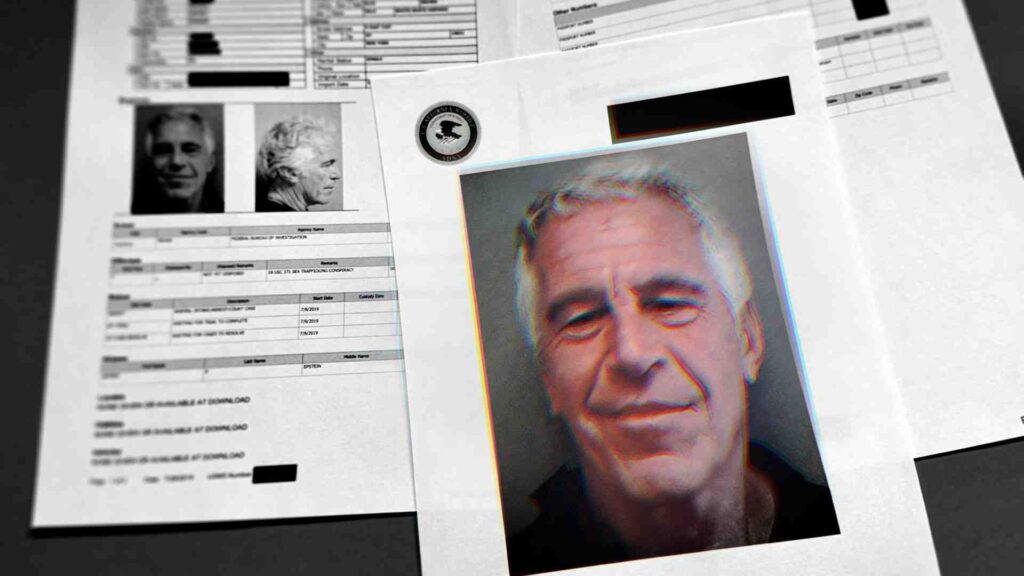

The January 30, 2026 release of more than three million pages, plus thousands of videos and images, under the Epstein Files Transparency Act put raw investigative material into public view at a scale previous disclosures never reached. The volume alone separates this dump from earlier court leaks and FOIA batches. It also lands at a moment when voters already distrust selective transparency from any administration, making the timing and the contents impossible to ignore.
Legal mandate behind the release
The Epstein Files Transparency Act, signed in November 2025, required the Department of Justice to turn over unclassified records from the original New York and Miami investigations, the Ghislaine Maxwell prosecution, and the death inquiry. The law set staged deadlines that produced an initial small batch in December 2025 and the largest tranche on January 30. Roughly half the responsive pages remain withheld, a detail critics cite whenever officials claim full compliance.
Deputy Attorney General Todd Blanche announced the January release in precise numbers: more than three million pages, two thousand videos, and one hundred eighty thousand images. The files include emails, flight logs, witness statements, and public tips, some verified and others not. The statute barred redaction of names of government officials and politically exposed persons, a rule that distinguishes these documents from earlier sealed exhibits.
DOJ officials describe the production as complete under the law’s terms. Congressional staffers and transparency advocates counter that the withheld pages and the disorganized presentation undermine the claim. Both sides agree the raw volume exceeds anything previously released in one action.
Scope of material now public
The January dump spans FBI case files, grand-jury transcripts, and internal memos dating back to the original Palm Beach investigation. It also contains photographs taken at Epstein properties and on flights, along with commercial pornography seized during raids. Victim identities appear in some documents, prompting later supplemental redactions in a small percentage of pages.
Investigators incorporated public-submitted tips that reference celebrities and politicians. Most of those tips remain uncorroborated, yet their presence in the files fuels social-media threads that treat every mention as established fact. DOJ statements note the difference between raw submissions and verified evidence, a distinction often lost in viral summaries.
The files do not contain a single “client list” that prosecutors could use for new indictments. Instead they offer context for relationships already reported in court and in prior journalism. That absence of blockbuster new charges has not slowed public appetite for the documents themselves.
High-profile names and context
Donald Trump appears in roughly four thousand five hundred documents, mostly pre-2000s flight logs and FBI summaries of public tips. Bill Clinton is referenced in photographs and travel records that overlap with earlier Maxwell trial exhibits. Mentions of Elon Musk, Bill Gates, and Commerce Secretary Howard Lutnick surface in emails and visitor logs that add texture but no new criminal allegations.
Prince Andrew and Steve Bannon also surface in communications and photographs. International figures such as former Slovak foreign minister Miroslav Lajčák and British politician Peter Mandelson resigned after their names appeared. Those departures illustrate how the release produces immediate professional consequences even without fresh prosecutions.
Jay-Z, Pusha T, and Harvey Weinstein appear only in unverified public tips, not in core investigative records. Media outlets have flagged the distinction, yet the names continue to circulate in online summaries that collapse the difference between allegation and evidence.
White House and political response
Internal Trump administration polling obtained by the New York Times shows Epstein-related questions surfacing in every recent focus group. Pollster memos describe the topic as “a real negative with some of these voters.” Staff discussions reportedly turned to damage-control messaging ahead of the 2026 midterms.
House Oversight Committee members issued subpoenas for testimony from Attorney General Pam Bondi and other officials involved in the release. State attorneys general in New Mexico filed separate suits seeking the withheld pages. These parallel tracks keep the files on the congressional calendar rather than allowing the story to fade after the initial news cycle.
White House spokespeople continue to describe the production as exhaustive under the statute. Critics inside and outside government argue that the remaining unreleased material and the disorganized presentation leave too many questions open for the issue to recede.
International and legal consequences
Resignations in Slovakia and the United Kingdom followed directly from document references. European press outlets treated the disclosures as confirmation of long-standing reporting on elite travel and social ties. Parliamentary questions in London and Brussels now reference the January release by date and page count.
Leon Black faces renewed congressional scrutiny over payments documented in the files. Civil suits in New York and Florida cite the newly public flight logs as supporting evidence. Defense attorneys note that many entries predate the conduct at issue in those cases, yet the volume of fresh exhibits extends discovery timelines.
No foreign government has requested formal extradition based on the new material. Prosecutors in the United States have also declined to open fresh criminal cases, citing statutes of limitations and the absence of corroborating evidence for most public tips.
Media and social amplification
Stephen King’s June 2026 post reading “Epstein files. Release ’em.” accumulated millions of views within hours. YouTube channels posted multi-hour breakdowns that treat the documents as a single narrative rather than a collection of investigative fragments. The volume of user-generated content keeps the story in recommendation algorithms weeks after the official release.
Traditional outlets emphasize redactions and withheld pages, while social platforms highlight every named individual regardless of context. The gap between those framings produces parallel conversations: one focused on process, the other on personalities. Both sustain search interest in the phrase epstein files released.
DOJ statements warning about possible fake submissions in the public-tip section receive less traction than the tips themselves. Platform moderation teams have labeled some viral posts as unverified, yet the underlying documents remain accessible and therefore citable.
Public expectations versus evidence
Many readers anticipated a single list that would trigger immediate arrests. The files instead provide context for relationships already known to investigators and reported in prior journalism. That mismatch between expectation and content drives ongoing demands for the remaining pages.
Victim advocates note that some documents still contain unredacted names and contact information. DOJ issued corrected versions for roughly 0.1 percent of the production after complaints. The episode underscores how large-scale releases can create secondary harms even when the intent is transparency.
Researchers and journalists continue to cross-reference the new material against existing court records. Early analyses suggest the documents add texture and confirmation rather than previously unknown criminal networks. That assessment has not reduced pressure on officials to release the balance of responsive pages.
Accountability mechanisms activated
Congressional committees have scheduled additional hearings through the summer of 2026. Staffers are comparing the released pages against prior FOIA productions to identify gaps. Those comparisons feed into draft legislation that would impose stricter deadlines and narrower redaction standards for future high-profile cases.
State attorneys general in multiple jurisdictions are reviewing the files for potential consumer-protection or fraud claims tied to Epstein’s financial dealings. Civil practitioners report an uptick in queries from individuals named in the documents who seek to correct or contextualize references.
International partners have requested digital copies for their own parliamentary inquiries. The volume of material requires new indexing tools, an unexpected downstream effect of the release that may shape how future mass disclosures are managed.
Remaining withheld material
DOJ acknowledges that roughly half the responsive pages have not yet been produced. Officials cite classification reviews and victim-privacy concerns as reasons for continued withholding. Transparency groups argue that the statute’s text leaves little room for such broad exclusions.
Supplemental releases in March 2026 addressed some formatting issues and added previously omitted metadata. Those additions did not satisfy demands for the balance of the files. Negotiations between DOJ and congressional oversight staff continue without a publicly announced deadline.
The withheld material includes additional videos and images whose release could trigger fresh privacy litigation. Both sides expect further court rulings before the end of the year, keeping the files in the news cycle beyond the initial January announcement.
Forward trajectory
The January 30 production set a new baseline for what counts as disclosure in cases involving powerful figures. Future administrations will face the same statute and the same public expectation of bulk release rather than selective excerpts. The political cost of partial transparency now registers in internal polling and legislative calendars alike.