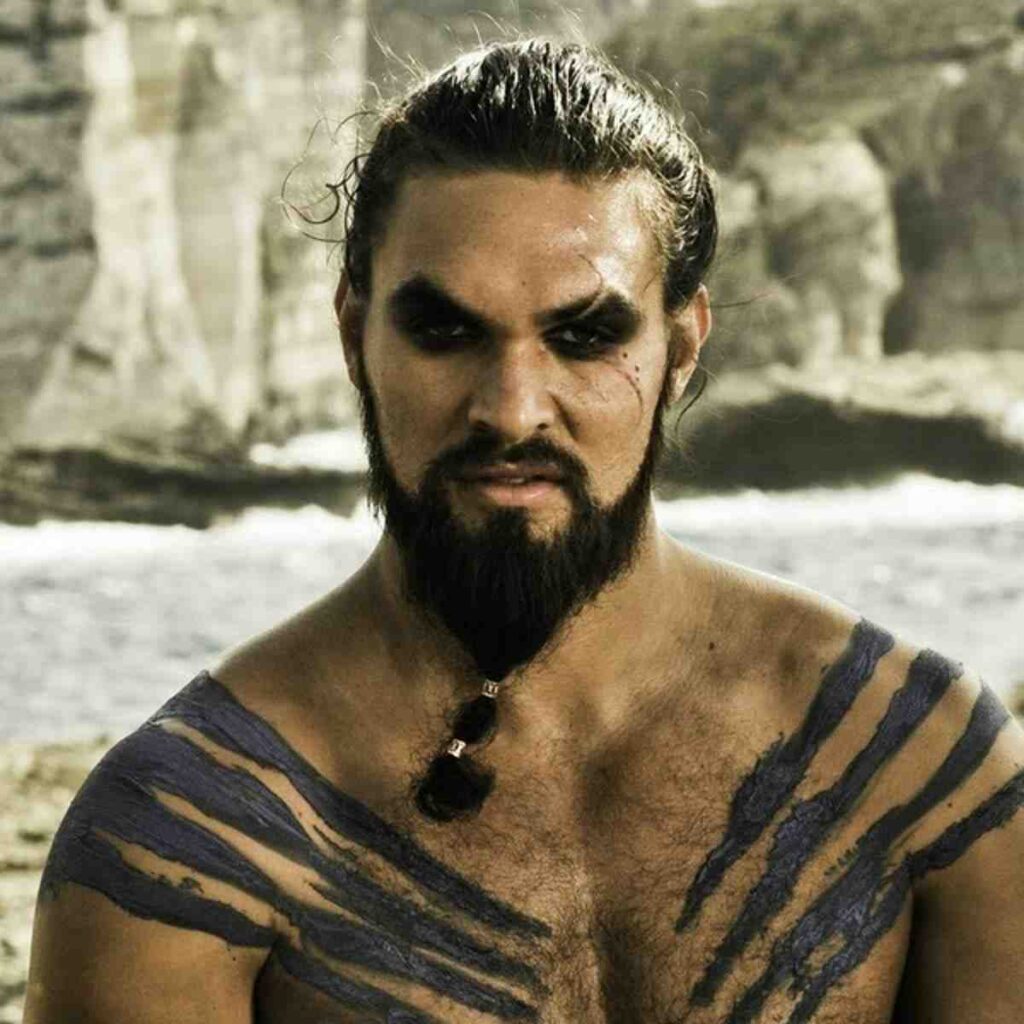

Game of Thrones’ sex scenes reshaped how prestige television treats nudity and intimacy on camera. The show’s eight-season run turned explicit content into a signature element of mainstream drama, then faced the backlash that pushed the industry toward new rules around consent and safety. That shift still guides production decisions today, including on the show’s own spin-offs.
Early seasons set the tone
The first two seasons introduced sexposition as a storytelling tool. Scenes of nudity and simulated sex often ran underneath long political dialogues, giving viewers something to watch while characters explained alliances or betrayals. Critics coined the term and audiences noticed the pattern immediately.
Showrunners David Benioff and D.B. Weiss defended the approach as a way to keep exposition visually engaging. HBO executives reportedly pushed for more full-frontal shots, telling one director they represented the “perv side of the audience.” The combination of sex, violence, and fantasy world-building quickly became the show’s calling card.
By season three, the approach had normalized graphic nudity across prestige cable. Other networks began testing similar limits, and the phrase “tits and dragons” entered the pop-culture lexicon as shorthand for the series’ signature mix.
Count and distribution of nudity
One detailed tally put the total at roughly eighty-two nude scenes across the run, with female performers appearing naked far more often than male ones. The imbalance drew attention from viewers and journalists tracking on-screen gender dynamics. The show did not employ an intimacy coordinator at any point during production.
Actors later described chaotic set conditions. Gemma Whelan recalled directors simply yelling “action” without choreography or modesty protocols. Emilia Clarke noted that some later scenes felt empowering only because she had more narrative control by then, not because safety measures existed.
The absence of formal oversight left performers navigating boundaries on the fly. Several described the process as rushed and physically demanding, with little advance discussion of choreography or emotional impact.
Controversial scenes and public reaction
Specific sequences became flashpoints. The Jaime-Cersei encounter beside their son’s corpse in season four and Ramsay’s assault on Sansa in season five prompted widespread debate about the difference between dramatic tension and gratuitous violence. Online forums and recaps questioned whether these moments served the story or simply shocked viewers.
Media coverage shifted from celebration of the show’s boldness to scrutiny of its handling of sexual violence. Some outlets argued that repeated scenes of assault had desensitized audiences rather than deepened character arcs. Ratings remained high, but the tone of conversation changed.
By season six, the frequency of explicit content began to decline. Showrunners cited story needs, yet the timing coincided with growing public attention to actor welfare and on-set consent practices across the industry.
MeToo arrives on set
The 2017–2018 reckoning reached HBO directly. Actors from Game of Thrones joined the broader conversation, describing scenes filmed without coordinators or clear consent protocols. Their accounts appeared in interviews and podcasts, adding concrete detail to the abstract debate about industry standards.
Sophie Turner later called the production environment “really crazy shit.” Lena Headey addressed fan criticism over body doubles, noting the lack of protective frameworks that later became standard. These reflections kept the show’s practices in the news years after filming wrapped.
HBO responded by mandating intimacy coordinators for all future projects. The policy began with The Deuce in 2018 and expanded network-wide, establishing a new baseline for how explicit scenes would be handled on prestige television.
House of the Dragon adopts new rules
The 2022 prequel series entered production under the revised HBO guidelines. Intimacy coordinator Miriam Lucia was hired before cameras rolled, citing Game of Thrones’ reputation and the post-MeToo climate as direct reasons for the change. Early episodes featured fewer sex scenes and more emphasis on emotional context.
Reviewers noted the difference immediately. Scenes that did appear focused on power dynamics or female pleasure rather than extended displays of nudity. The shift was framed as a deliberate correction to the original series’ approach.
Some season-three episodes drew criticism for reintroducing more gratuitous elements, showing that the new standards still require ongoing enforcement. The debate itself illustrates how Game of Thrones’ legacy continues to shape expectations around adult content on the same network.
Industry-wide adoption of coordinators
Over one hundred certified intimacy professionals now work across film and television. Their role includes choreographing movements, ensuring modesty garments, and confirming consent before each take. Major studios list the position alongside other department heads in production budgets and schedules.
Actors who worked on Game of Thrones have publicly contrasted the old and new systems. Whelan described the current process as “choreography—you move there, I move there, and permission is given before you start.” The comparison underscores how quickly the norm shifted once formal oversight became standard.
Training programs and union guidelines now treat intimacy coordination as a specialized skill rather than an afterthought. The change affects everything from call-sheet timing to post-production editing decisions about what stays on screen.
Spin-offs inherit the debate
Every new Game of Thrones project faces immediate comparison to the original’s handling of sex and violence. Showrunners for upcoming series have referenced the earlier controversies in pre-production interviews, signaling awareness that audience tolerance has changed.
Streaming metrics suggest viewers still watch the original series in large numbers, yet commentary around re-watches often focuses on which scenes feel dated or uncomfortable by current standards. The conversation has moved from celebration of boundary-pushing to questions of necessity and impact.
Production budgets for spin-offs now routinely include line items for intimacy coordinators and additional rehearsal time. The line item itself marks a measurable legacy of Game of Thrones’ sex scenes and the scrutiny they eventually produced.
Actor reflections years later
Cast members continue to discuss the experience in 2025 and 2026 interviews. Some describe individual scenes as empowering in hindsight; others emphasize the lack of support structures that would be standard today. These ongoing reflections keep the topic in circulation without requiring new episodes.
Kit Harington and Emilia Clarke have both addressed how the show’s global profile magnified every production decision. The scale of the audience meant that controversies traveled faster and lingered longer than they might have on a smaller series.
The pattern of later-career commentary suggests the show’s approach to adult content will remain part of its historical record rather than a footnote. Actors treat the subject as unfinished business rather than settled history.
Standards continue to evolve
Current productions test whether reduced nudity equals reduced impact. Some directors argue that emotional clarity matters more than explicit visuals; others maintain that carefully framed scenes can still serve story purposes without repeating earlier excesses. The range of approaches shows the debate remains active rather than resolved.
Streaming platforms track both viewership and social-media sentiment around explicit content. Data from these platforms now informs decisions about how much intimacy to include and how to present it. The feedback loop is faster and more public than it was during Game of Thrones’ original run.
Game of Thrones’ sex scenes forced the industry to confront the gap between creative ambition and performer safety. The resulting changes—coordinators, clearer protocols, and ongoing discussion—represent a durable shift rather than a temporary correction. Future series will continue to operate within the framework the original show inadvertently helped create.