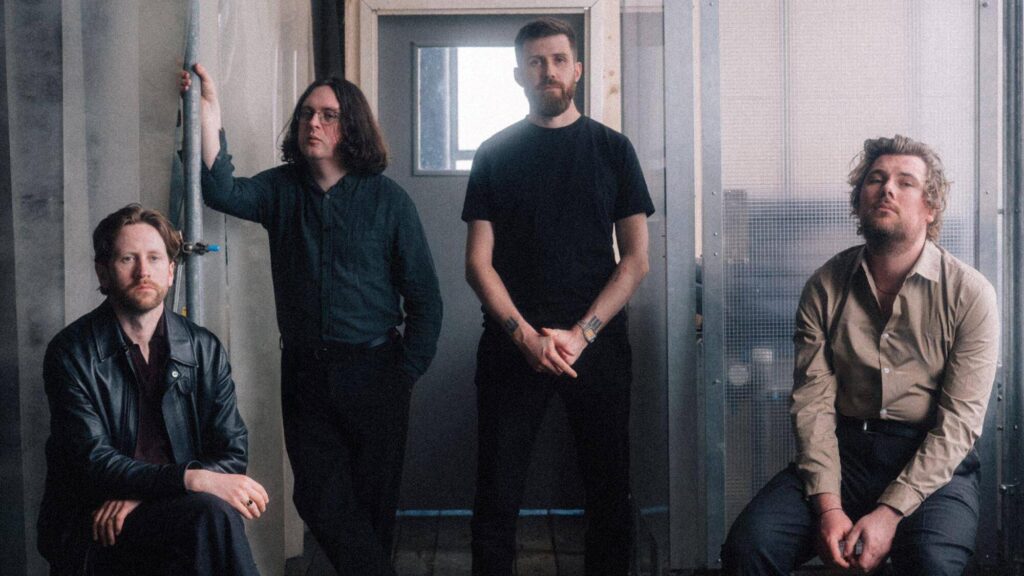

Early in their career, the experimental indie group Gilla Band took great delight in terrifying the daylights out of unsuspecting audiences around Dublin. “There were people with their fingers in our ears and people heckling us and telling us that we were shit,” bassist Daniel Fox laughs over Zoom about an era when they were known as Girl Band.
He remembers standing in the smoking area after an early gig in the Button Factory in Dublin, where they’d subjected concert-goers to 30 minutes of nerve-shreddingly loud and melody-free art-rock, and hearing a punter ranting to a friend “about how much they hated us”.
“We all got a little bit of a kick out of the fact that everyone hated us. It was like ‘great, perfect’. That’s the perfect reaction to it. We started to get a little bit of a kick out of doing extreme things,” he says as the group prepares to release their fourth album,
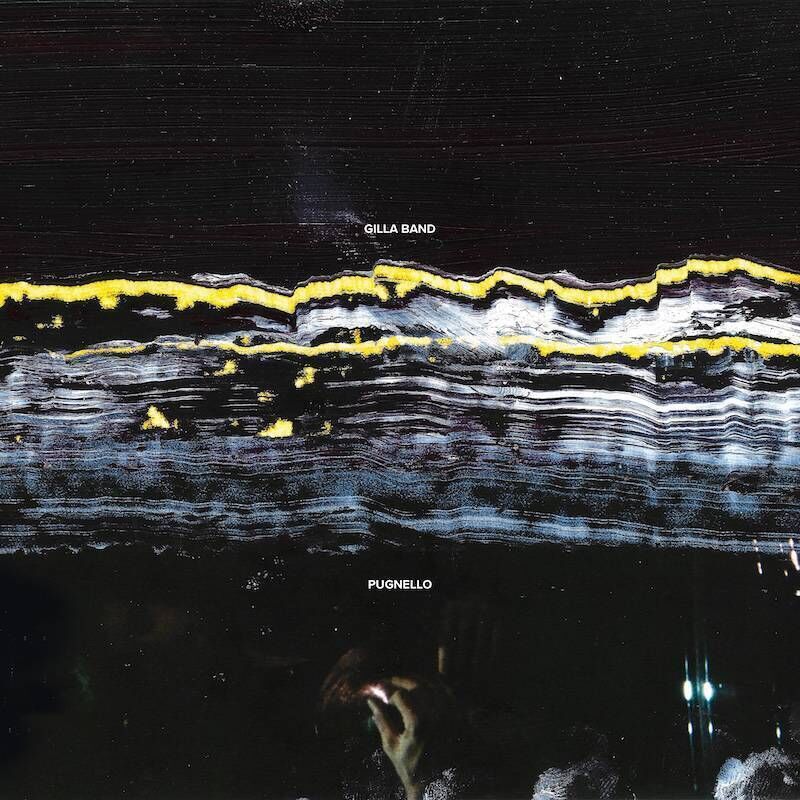
A decade and a half later, the haters have vanished, and Gilla Band are still here – and have made their name as one of the most important Irish groups of their generation. “It all starts with Gilla Band. They made something that was completely new,” Mark Bowen, the Belfast-born guitarist with Mercury Prize-nominated post-punks Idles, said in 2024.
“When you listen to the first album, I don’t think I’ve heard a band that sounds like this before. They’ve spawned that idea that you don’t need to rely on UK culture or American culture to inform our culture.”
Those sentiments are echoed by Slane-bound, Fontaines DC, who credited Gilla Band with opening their eyes to what an Irish band can do. “They presented a new Dublin and a new Ireland to us,” Fontaines singer Grian Chatten told magazine.
“The four-piece band acts like alchemists, exploiting instruments to their full potential,” agreed in a recent piece, crediting this “unhinged and uninhibited” band with “creating one of the most influential sonic palettes in indie rock”.
That “sonic palette” has acquired some fascinating new shades on – as commanding a record as they have made and also perhaps their most personal.
“I write about what’s been going on in my life. It’s four years. In that time, my dad passed away, and I got diagnosed with schizophrenia,” singer Dara Kiely explains over video link from his house in Cork. “So I was writing to cope with that stuff. I’d write loads of stuff – not about the person, the man himself [his father] or anything. More about what grief is actually like and how unique it is to people.”
Grief and mental health are heavy subjects – and the record doesn’t pull its punches. “Fantasise what it’s like to be accountants/ A steady structure, routine and purpose/That kind of life would be so perfect/ Especially cos I’m a Schizophrenic,” Kiely intones on the wonky death disco onslaught of single (Alogia being a symptom of schizophrenia in which a person speaks in monosyllabic sentences).
However, these moments of gazing-into-the-void starkness are offset by lighter interludes. Kiely may be singing about the issues he experiences around his mental health diagnosis – but he also croons about crisps, Power Rangers and the heavy burden of being a lifelong St Patrick’s Athletic fan.
His lyrics are, in places, hilarious. “I’m blaring a dangerous amount of Coldplay,” Kiely says, describing an existential crisis on a tumultuous techno number that sounds like the Teletubbies if they’d joined The Prodigy in 1997.
“There’s a lot of kind of comforts that I would go to as a kid. Power Rangers, football,” he says. “I really love silliness. If I was shouting the whole time about something very, very serious or dark – it would have a different vibe. When you add in a bit of silly… it makes it sound more human. The funniest thing is farting at a funeral.”
There are few airs and graces to Gilla Band. They are almost absurdly down to heart and it’s hard to square their unassuming personalities with their cathartic and uncompromising music – which on the new record veers from experimental rock to eardrum-shredding techno (at moments, it’s hard to work out if the band are using a drum machine or a pneumatic drill).
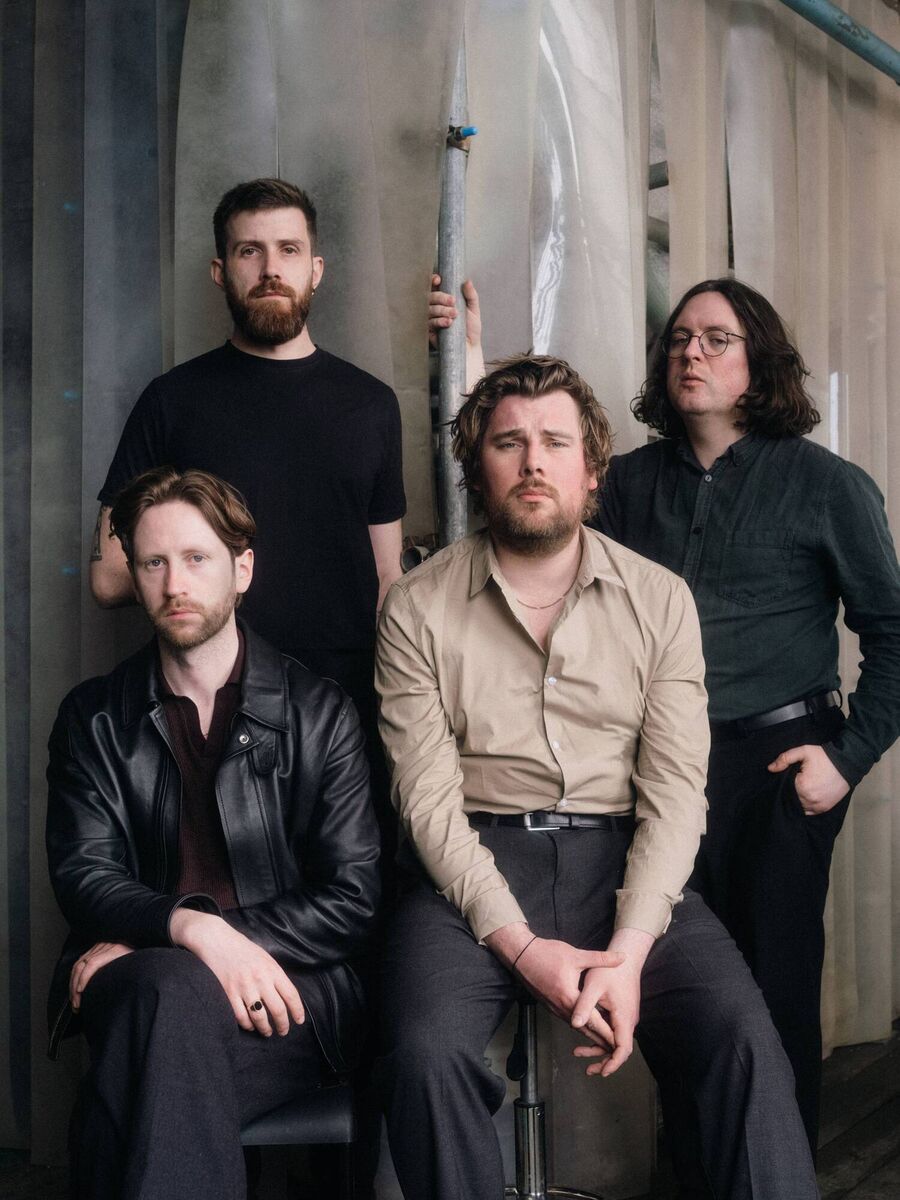
They leave it to others to make grand claims for what they do – saying only that, when they started in Dublin in 2011, they wanted to get away from the formulaic indie rock they’d played with their previous incarnation of “Harrows”.
“Basically, they were the two things. We didn’t want to be like our old band, and we didn’t want to try and rip off Radiohead,” says Fox. “When we started the band properly, we were all like 20. And you’re at that voracious, ‘I’m discovering lots of, like, more left-of-field music’ stage in our lives. We were eating everything for breakfast; it was very exciting. We were really kind of following our nose, just in our kind of like little insular taste kind of way.”
One subtle influence on the record is Kiely’s decision to move to Cork – which appealed to the singer both for its relative affordability (compared to Dublin) and its thriving art scene.
“It’s an incredible city. There’s so much on,” he says. “There’s always gigs on, always festivals. The people we know are lovely. Really good bands come through all the time, and people go to the gigs. There’s a great community for it and people look out for each other. There’s a wonderful array of people who are passionate about making music.”
Loud, angry, and obsessed with Power Rangers, isn’t for everyone. But for anyone who wants their preconceptions challenged or who believes that music should aspire to something beyond serving as aural wallpaper: that it should make you excited, angry, nervous, alive- it is an album to cherish.
Yes, it’s weird – thrillingly so. But in this regard, Gilla Bdo not see their music as an aberration but as a part of a wider tradition among Irish artists – whether that be writers, painters or poets – of challenging the status quo.
“I don’t want to make great sweeping statements, but there’s always been a tradition in Irish literature and sort of drama and film of not following the rules and of doing stuff that’s confrontational to the audience,” says Fox. “That’s always been part of wider Irish culture.”
- is released September 25. Tickets for Gilla Band’s gig next year in Vicar Street, Dublin (Saturday, February 27) go on sale this Thursday, September 24
This enigmatic, London-based Irish busker created his own instrument out of a door-frame – a 17 string mix of dulcimer and sitar that he played with chopsticks and which he christened Mó Cará. The results are every bit as singular as you might expect.
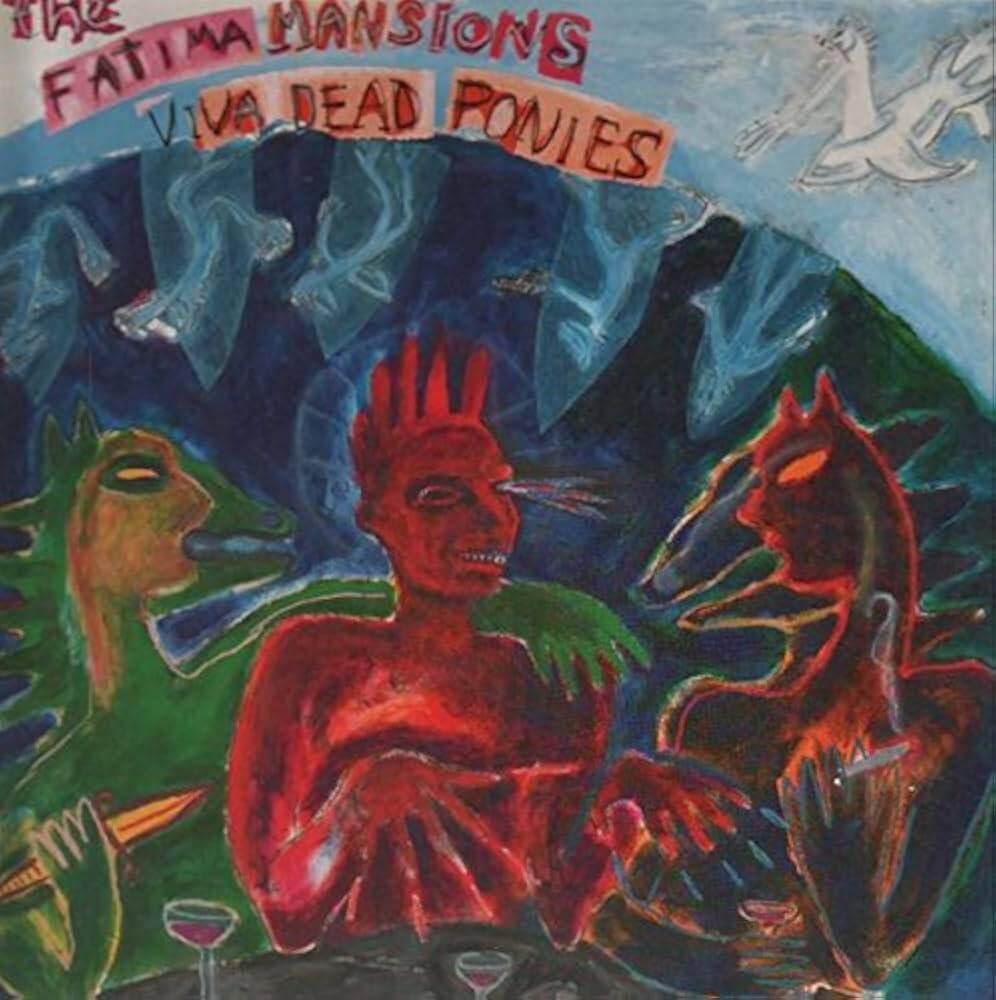
: Imagine classic crooner Scott Walker if was possessed by the uneasy spirit of Flann O’Brien and wanted to bulldoze the entrenched power structures of 20th century Ireland. That is gist, more or less, of Cathal Coughlan’s second LP at the head of Fatima Mansions.
: Okay, it’s not quite Aphex Twin or A Silver Mount Zion – but by U2’s stadium-filling standards, their 1992 mini-album was an eclectic and eccentric mix of electronica and post punk – and arguably their last truly essential release.
: Decades in the making, this 5CD, 100-track mix of avant-grade classical music and deconstructed electronica took the listener on a tour of the Biblical Tower of Babel, with each composition corresponding to a room in a citadel that climbs up and up into infinity.