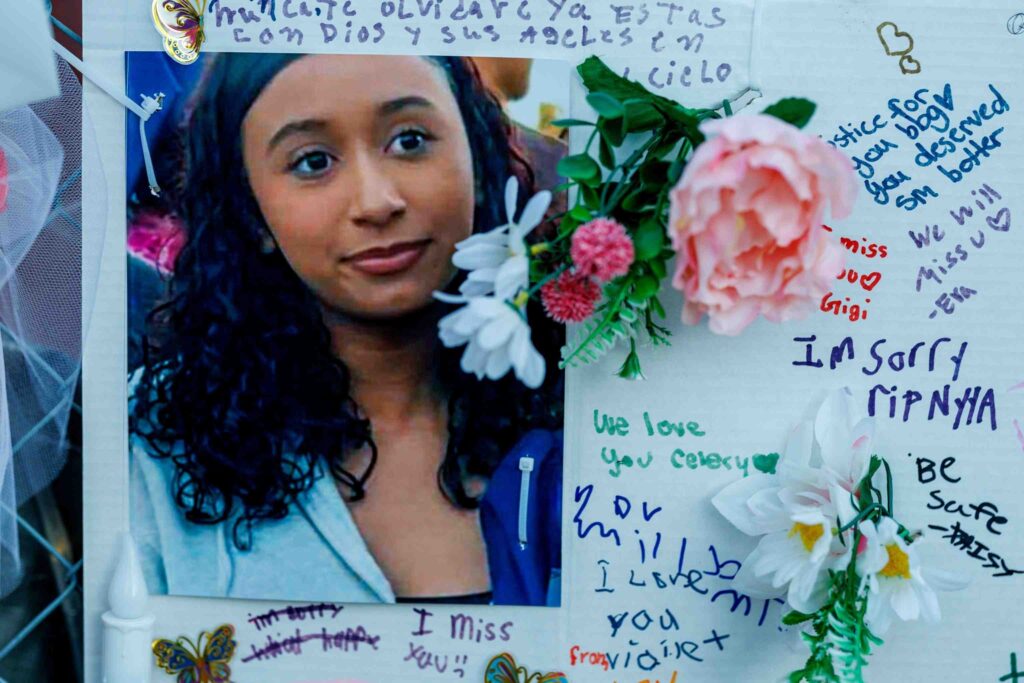

The D4vd murder case has moved past the preliminary hearing and into the pre-trial phase, yet several core questions remain unresolved even as prosecutors secured a trial date. David Anthony Burke, known professionally as D4vd, faces charges of first-degree murder with special circumstances, continuous sexual abuse of a child under 14, and unlawful mutilation of human remains in the death of 14-year-old Celeste Rivas Hernandez. While text messages, timelines, and forensic fragments have been presented, the absence of a weapon, eyewitnesses, and key physical items continues to shape how the public and legal observers track developments heading into the 2026 trial.
Timeline of relationship and death
Prosecutors allege the relationship between Burke and Hernandez began when she was 11 or 12. More than 8,000 messages were exchanged over roughly three years, including an April 2025 text from Hernandez stating she would “end ur career and ur life.” The prosecution claims this threat supplied the motive for murder.
Hernandez was reported missing multiple times, first in April 2024. Her remains were discovered on September 8, 2025, inside the front trunk of an impounded Tesla registered to Burke. The autopsy concluded death resulted from multiple penetrating injuries, with post-mortem dismemberment of limbs and two fingers.
Burke was arrested April 16, 2026, pleaded not guilty on April 20, and saw his case cleared for trial on July 27, 2026. Arraignment is scheduled for August 31, 2026, with trial expected within 90 days.
Prosecutors’ evidence presented
Investigators recovered blue plastic fragments matching items allegedly purchased under an alias. A tattoo reading “SHHH…” on Hernandez’s right index finger matched one on Burke, and a second tattoo reading “David” reportedly appeared on a missing finger.
Phone records place Hernandez near Burke’s residence on the evening of April 23, 2025. Prosecutors argue the 21-minute window between 10:10 and 10:31 p.m. marks the time of death, though no direct witness places either party at the scene.
Burke’s defense maintains that the evidence will show he neither murdered Hernandez nor caused her death. They note multiple residents lived at the property and question DNA handling and garage cleanup procedures.
Where the murder weapon is
No murder weapon has been recovered despite searches at multiple locations. Prosecutors allege a sharp instrument caused two torso wounds, yet chainsaws and tools ordered under an alias tested negative for blood or DNA.
The absence of the weapon leaves open questions about how the fatal injuries were inflicted and whether additional tools were used or disposed of after the fact. Without the weapon, the defense can challenge the sequence of events presented by the prosecution.
Investigators continue to pursue leads on possible disposal sites, but no new evidence on this point has surfaced since the preliminary hearing concluded.
Who accessed the Tesla
The Tesla sat in an impound lot for months before Hernandez’s remains were found. Questions remain over who may have accessed the vehicle during the five-month gap between the alleged murder and discovery.
Security footage from the residence during the critical April 23 window has not been produced. Without video or additional witness accounts, the prosecution relies on circumstantial placement and digital records.
Defense attorneys argue that lack of footage and access logs creates reasonable doubt about whether Burke alone handled the vehicle after the alleged crime.
Why fingers are still missing
Hernandez’s left ring and pinky fingers have not been recovered. Prosecutors allege the fingers were removed to eliminate identifying tattoos, yet the specific tools and disposal method remain unconfirmed.
Some blue plastic fragments were found in the wounds, but matching remnants from an inflatable pool and body bag have not been located. The incomplete recovery complicates attempts to reconstruct the full sequence of post-mortem actions.
Without the fingers or the tools used to remove them, investigators lack physical evidence that could link a specific person to the dismemberment.
Why phones and purse vanished
Both cell phones and Hernandez’s purse remain missing. Their absence prevents investigators from confirming the last communications or movements on the night of April 23.
Digital records already presented show extensive prior contact, but the final messages and any location data from those devices have not surfaced. The gap leaves the exact sequence of events less certain.
Defense attorneys note that without the devices, the prosecution cannot fully close the timeline or rule out third-party involvement after the alleged murder.
Why no eyewitnesses appeared
No witnesses have testified to seeing Burke or Hernandez during the 21-minute window on April 23. The lack of direct observation means the case rests entirely on circumstantial and forensic evidence.
Residents at the property have not provided statements placing anyone at the scene during the critical period. This absence limits the prosecution’s ability to place Burke at the location at the exact time of death.
Without eyewitness confirmation, the defense can continue to argue that other individuals had access and opportunity during the same timeframe.
Civil suit and death penalty push
In September 2026, Hernandez’s family filed a wrongful death lawsuit against Burke, his mother, manager, and a security guard. The family has stated support for seeking the death penalty if Burke is convicted.
The civil case adds another layer of scrutiny to the criminal proceedings, though it does not resolve the evidentiary gaps already noted at the preliminary hearing.
Both the criminal trial and civil litigation are expected to test how the missing evidence influences jury decisions and potential sentencing outcomes.
Next steps before trial
With arraignment set for August 31, 2026, both sides are preparing motions that may address the missing weapon, fingers, phones, and footage. The defense is likely to file additional discovery requests.
Prosecutors must decide whether new evidence will be introduced or whether the existing circumstantial case will be presented as is. The judge’s handling of these motions will shape the trial’s scope.
Observers continue to watch for any developments that could answer the questions left open after the preliminary hearing, particularly regarding physical evidence and access to the vehicle.
What the gaps mean going forward
The D4vd case now moves into a phase where the prosecution must prove guilt beyond reasonable doubt using the evidence already gathered. The absence of a weapon, eyewitnesses, and several key items means the trial will test how much circumstantial evidence is sufficient for conviction. Whatever the outcome, the unresolved questions will remain central to public understanding of the case and to the legal arguments presented in court.