
Anime‘s influence on other cultures is nothing new. Many studios in China, South Korea, Europe, and North America have incorporated the stylistic language of anime within their own narrative tradition. The result is a growing collection of series that feel immediately familiar to anime fans without simply copying what Japanese studios were already doing. Time has been particularly kind to some of them.
Animation styles have evolved, and viewers are now used to watching bigger productions. However, some shows still look good, tell great stories and are as easy to recommend today as the day they premiered. That longevity is more important than mere nostalgia. The greatest older non-Japanese anime achieved what newer anime are still striving for, whether through innovative action or distinctive characters. They have only become easier to appreciate with age.
Castlevania Still Has Some of Western Animation’s Best Fantasy Action
-
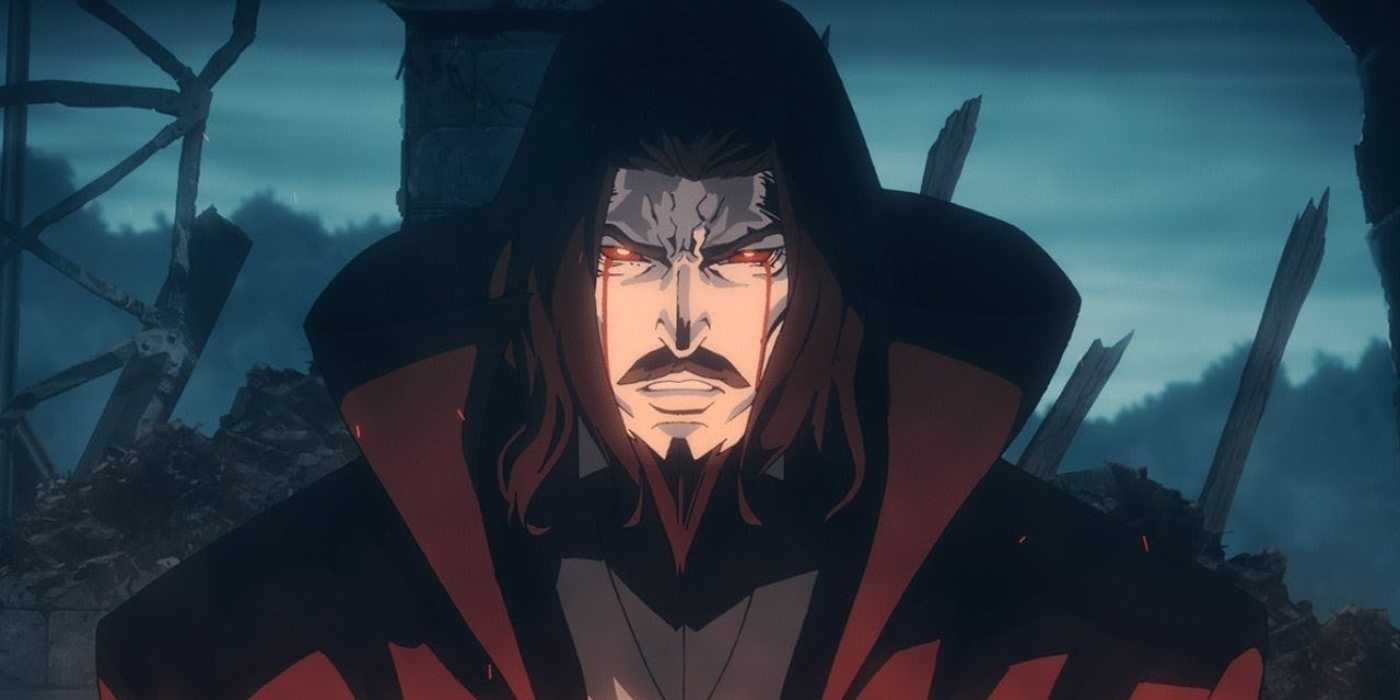 Image via Frederator Studios, Powerhouse Animation, Adi Shankar Animation
 -
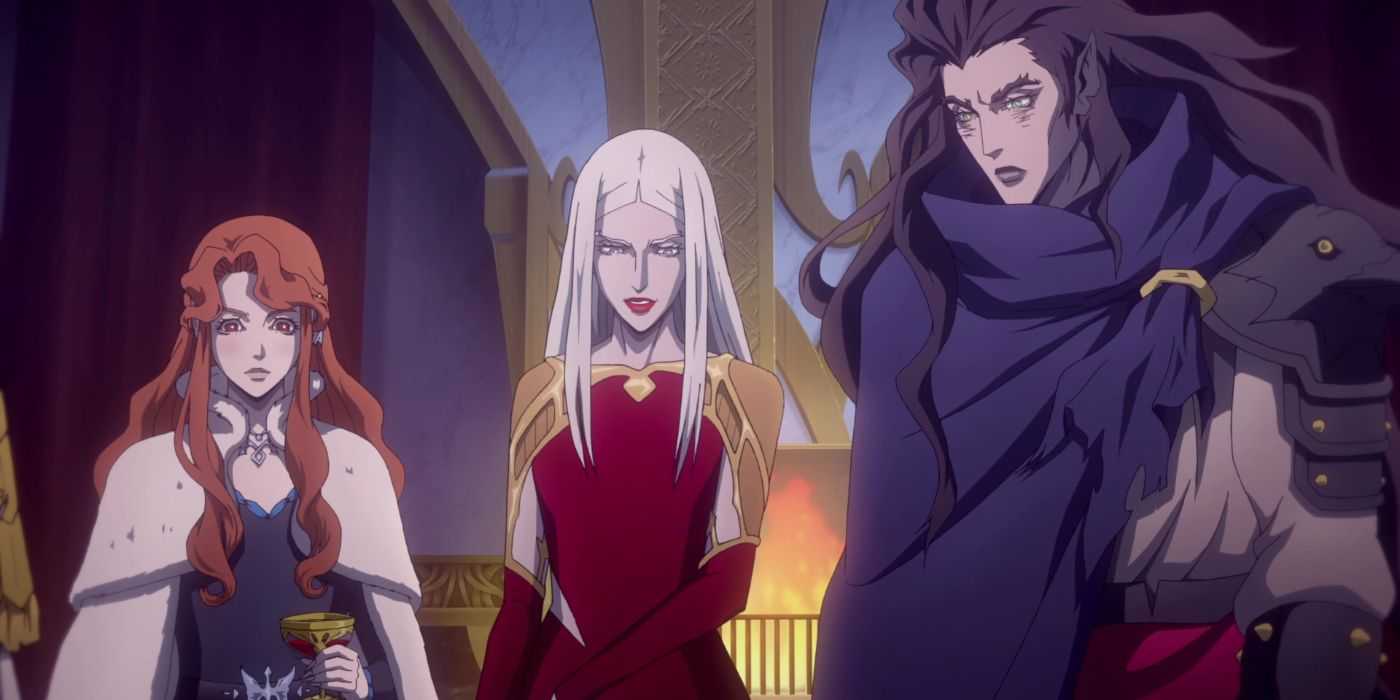 Image via Frederator Studios, Powerhouse Animation, Adi Shankar Animation
 -
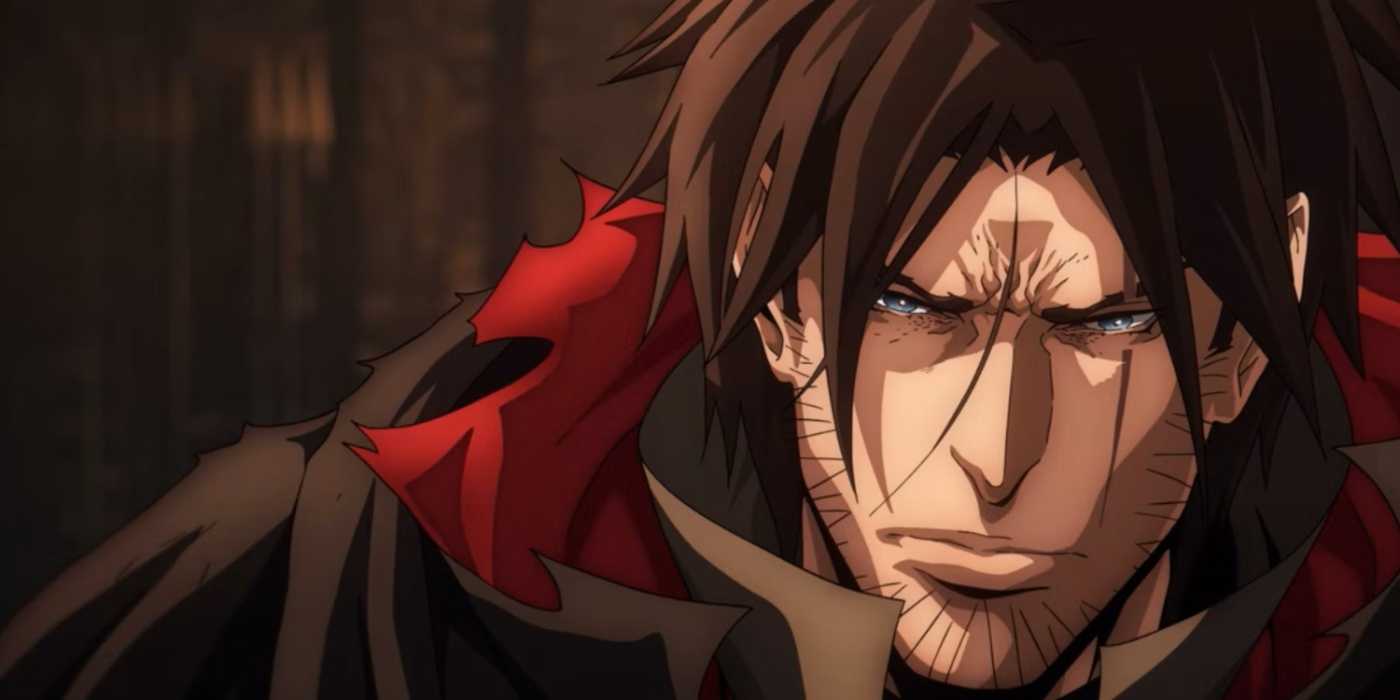 Image via Frederator Studios, Powerhouse Animation, Adi Shankar Animation
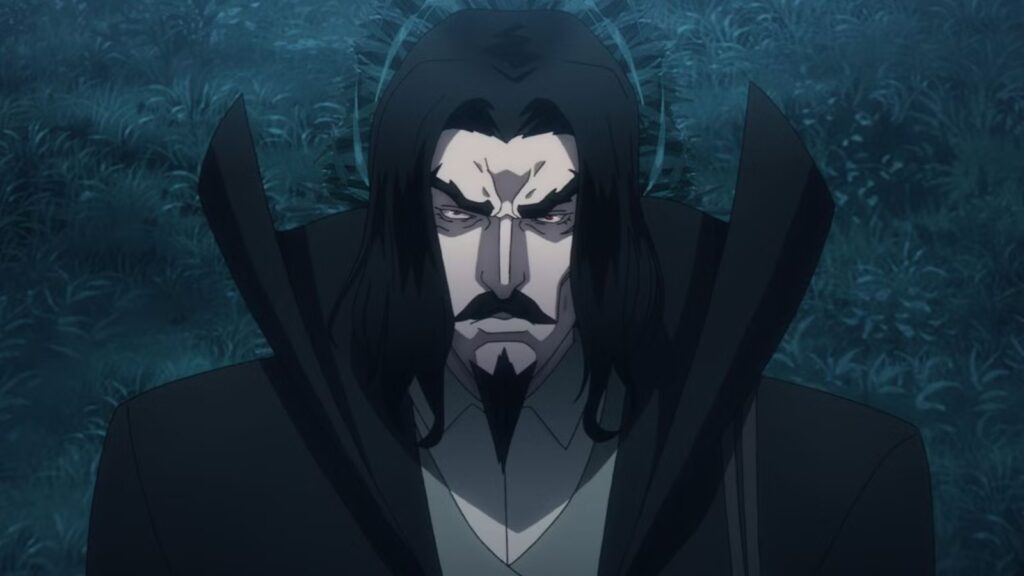
Castlevania follows the last surviving member of the Belmont clan as Dracula launches a campaign of revenge against humanity. Trevor eventually joins magician Sypha Belnades and Dracula’s son Alucard to fight for humanity. The series embraced anime influence without trying to disguise its Western roots.
Its gothic European environments, violent monster battles and dialogue-heavy character interactions give it an identity separate from the Japanese shows that inspired its action. Almost a decade after its premiere, the show’s action still holds up. Trevor’s whip combat creates wonderfully physical fights, and Sypha’s elemental magic is incredibly creative.
Alucard’s speed allows the animators to stage completely different kinds of confrontations depending on who takes the lead. The writing has aged particularly well. Dracula is not simply an evil final boss. His grief gives the central conflict emotional weight, and characters on both sides receive enough humanity to prevent the war from becoming straightforward.
The King’s Avatar Made Esports Look Like an Action Fantasy

Ye Xiu is one of the greatest players in the competitive game Glory. Then his professional career unexpectedly collapses. Forced out of his esports team, Ye Xiu takes a job at an internet café and eventually begins again on a new Glory server under the username Lord Grim. The setup remains one of The King’s Avatar‘s greatest strengths.
Ye Xiu does not need to discover some hidden talent; everyone else simply needs to discover who they are dealing with. That makes The King’s Avatar unusually satisfying. Its protagonist approaches battles with years of experience, allowing the anime to focus on tactics and game knowledge. The game itself is presented with enough fantasy spectacle that matches can resemble actual battles.
Weapons clash, abilities fill the screen, and coordinated team fights make Glory feel much larger than a computer game being played inside an internet café. Even so, the esports setting keeps everything grounded. Years after its debut, the rise of competitive gaming has only made the premise feel more natural.
Wakfu Turned a French MMORPG Into a Genuine Fantasy Epic

Wakfu follows Yugo, a young boy who gains magical powers and tries to find out more about his past. Gradually, Yugo gathers a team of weird characters and gets involved in a battle involving gods and ancient civilizations. What has aged especially well is the anime’s personality.
Wakfu mixes the high energy and exaggerated facial expressions common in anime with a very distinct European take on fantasy. Its world feels colorful without becoming lightweight. Characters can be ridiculous one moment and surprisingly tragic the next, and villains receive considerably more emotional complexity than a children’s fantasy series would necessarily require.
The animation has its own recognizable rhythm as well. Action sequences become increasingly ambitious as the series progresses, particularly when its strongest characters finally stop holding back. Modern fantasy animation has become much more visually adventurous, but Wakfu still does not look like it is chasing anyone else. That individuality has aged exceptionally well.
Scissor Seven’s Simple Art Style Has Become One of Its Biggest Strengths

Seven wants to become an assassin in Scissor Seven. Unfortunately, he is not particularly good at behaving like one. Armed with telekinetically controlled scissors and very incomplete memories of his past, he accepts assassination jobs while operating a barber shop on Chicken Island. That premise gives Scissor Seven an intentionally ridiculous beginning.
The rough, expressive visual style reinforces the comedy. Characters stretch, collapse and react with exaggerated expressions that would look completely out of place in a more polished action series. However, things drastically change when Seven decides to fight seriously. The same apparently simple animation suddenly produces rapid sword fights and battles that reveal just how dangerous Seven used to be before losing his memories.
That contrast has become one of the Chinese show’s defining qualities. Its emotional storytelling has aged just as well. Scissor Seven never abandons its weird humor to become respectable. It simply proves that ridiculous comedy, stylish action and genuine emotion never needed to be separated in the first place.
Avatar: The Last Airbender Somehow Gets Better With Age
-
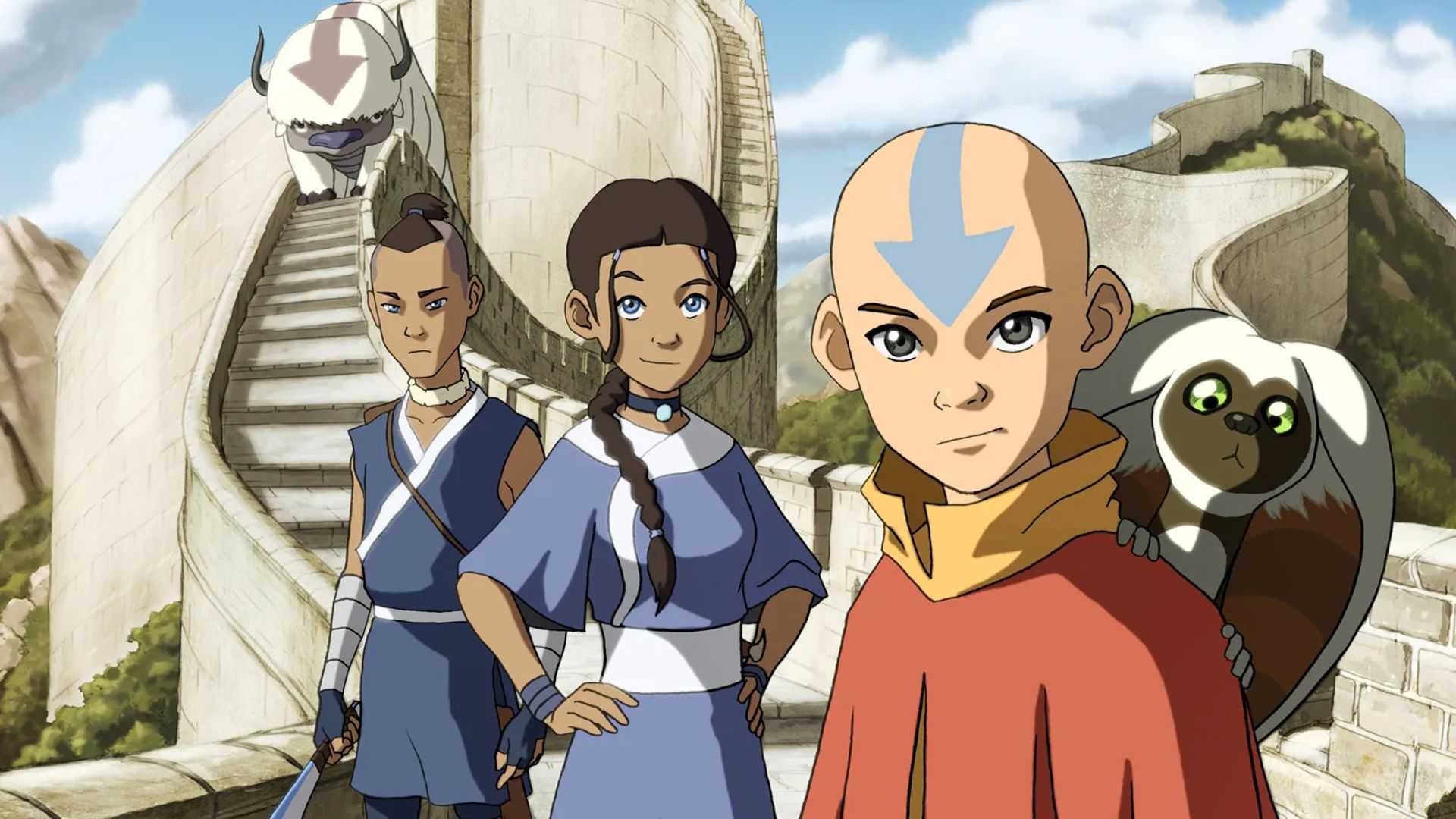 Image via Nickelodeon Animation Studio
 -
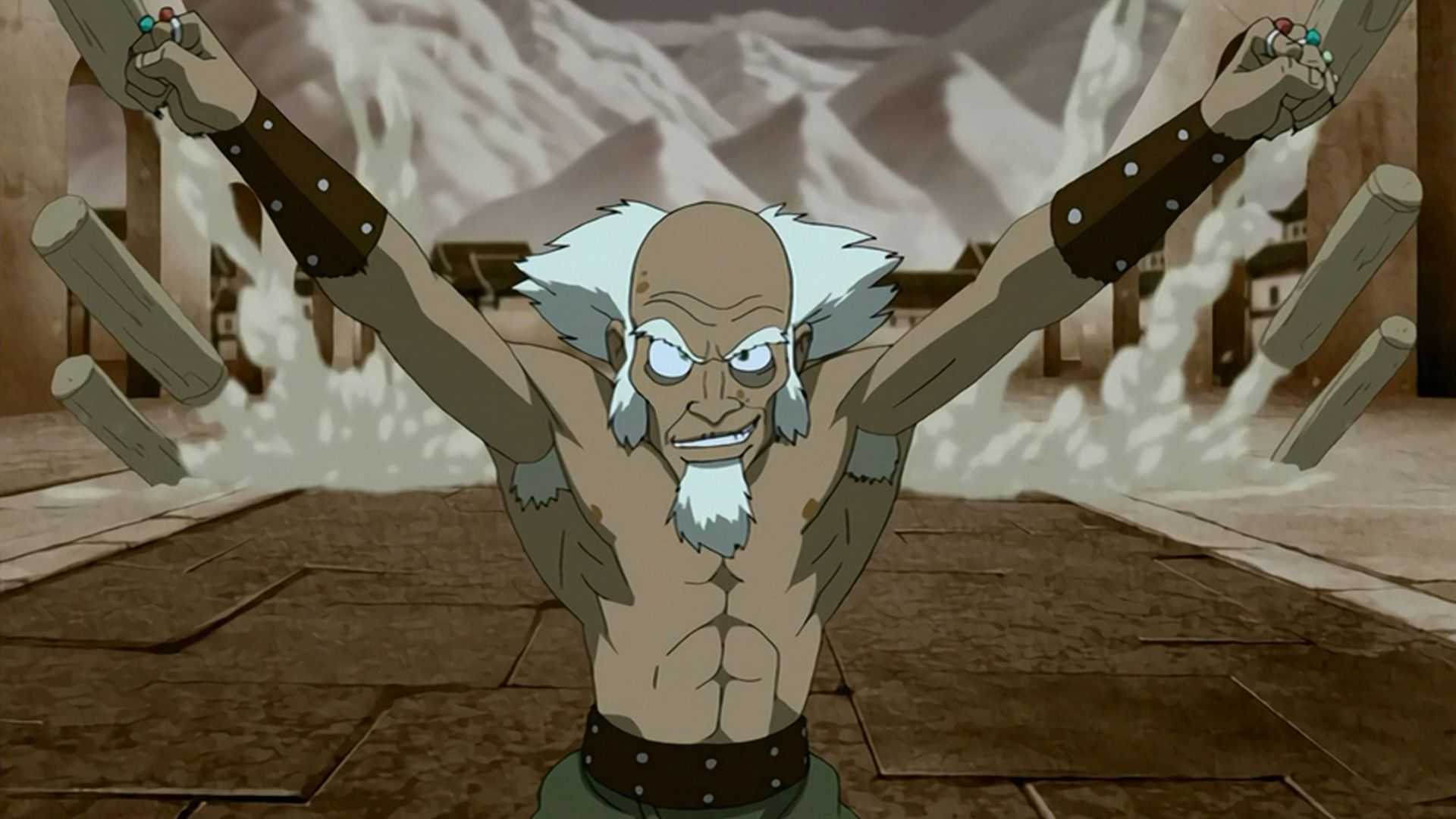 Image via Nickelodeon Animation Studio
 -
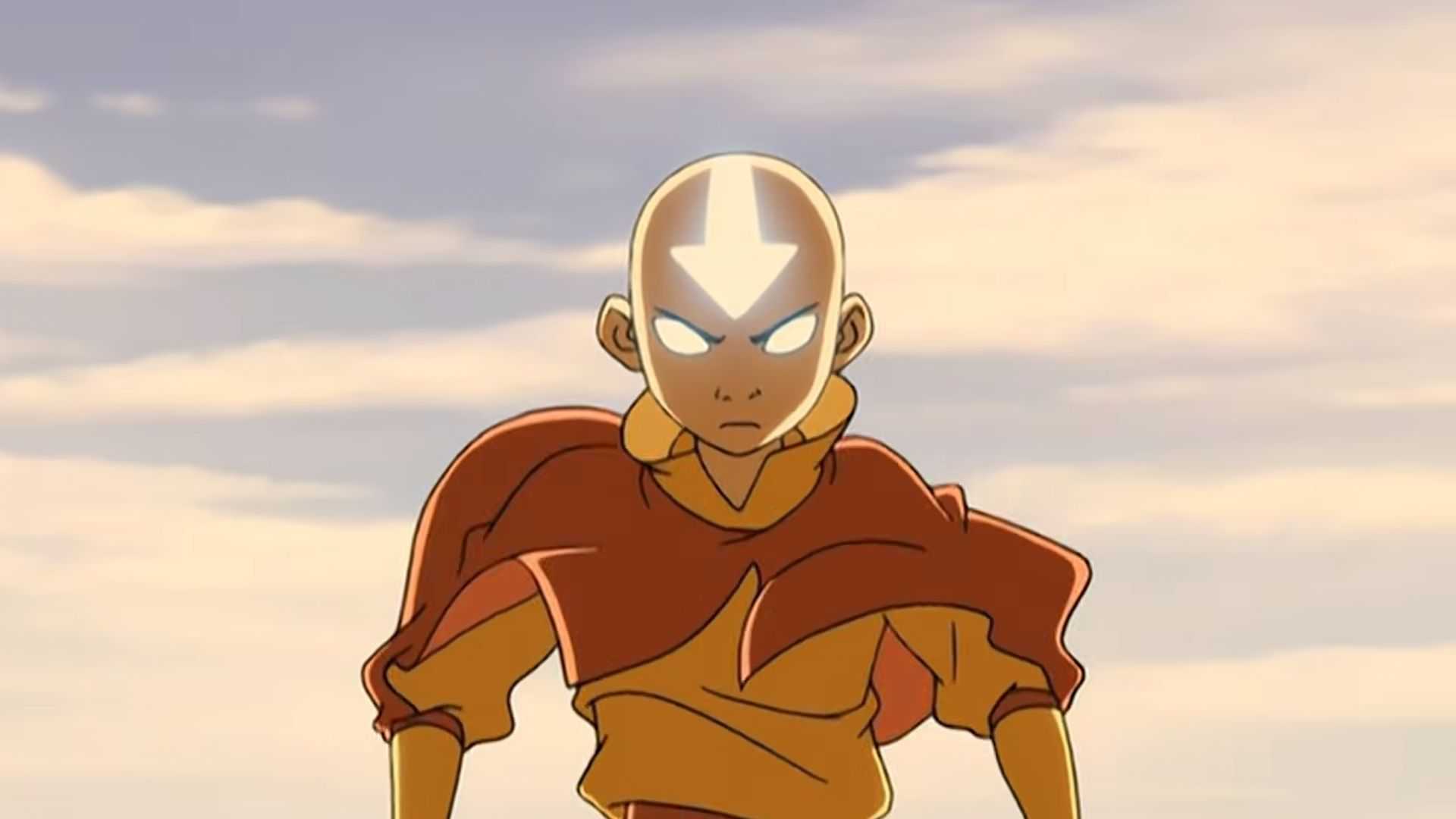 Image via Nickelodeon Animation Studio
Few animated series have benefited from time quite like Avatar: The Last Airbender. Aang is the Avatar, the only person capable of mastering all four elements, and must defeat Fire Lord Ozai before the Fire Nation completes its conquest of the world. The journey toward that confrontation is what makes the series exceptional.
It gives each stage of Aang’s adventure a natural sense of progression. The supporting cast develops just as dramatically. Katara grows into an exceptional waterbender, Sokka repeatedly demonstrates that lacking bending abilities does not make him useless, and Toph becomes one of the strongest earthbenders in the series.
Then there is Zuko. His journey alone would be enough to keep Avatar in conversations about great animated storytelling. More than two decades after its debut, its bending battles remain exciting, its characters remain beloved, and its three-season story remains remarkably complete. Avatar: The Last Airbender has become easier to appreciate with every generation that discovers it.