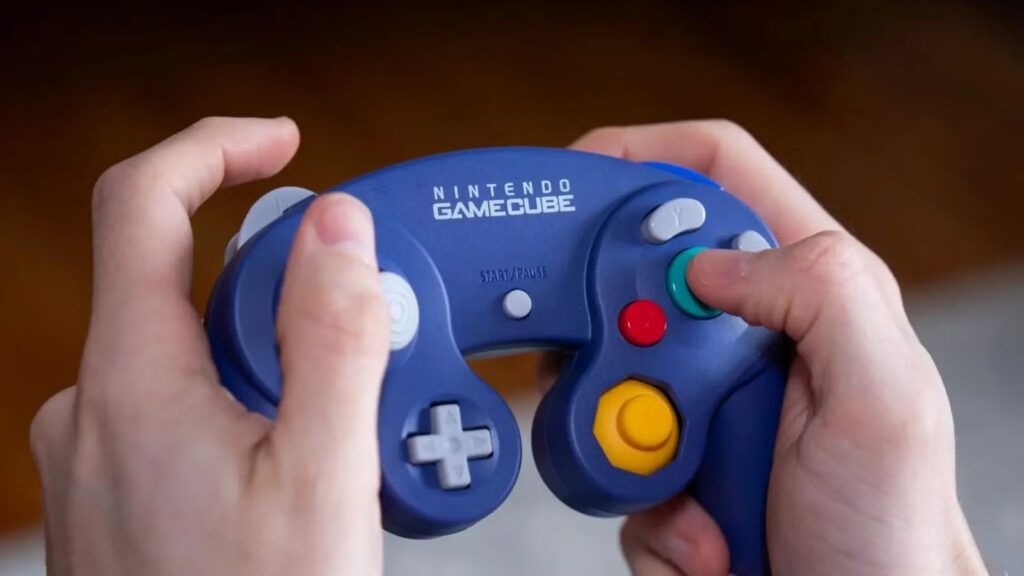

The Nintendo GameCube may not have been the best-selling console of its generation, but it built one of Nintendo’s most memorable game libraries. From massive adventures and RPGs to strange little cult classics, the GameCube was home to games that still feel distinctly tied to the console more than two decades later.
With so many great games to choose from, ranking the best is no easy task. This list is based on personal experience rather than sales, critical reception or what is generally considered the greatest GameCube game, with some beloved classics ranking lower simply because
Super Smash Bros. Melee Was the Premiere Tournament Game

If anyone plays Super Smash Bros. Ultimate, they should thank Super Smash Bros. Melee for helping grow the tournament scene as much as it did. A massively expanded roster of characters, new modes to play and, for its time, some of the most exciting new characters to drop in any fighting game made Melee something special.
Super Smash Bros. Melee wasn’t only a fighting game for some people. It became a way to play, and some fans still run Melee tournaments to this day.
F-Zero GX Put Captain Falcon in the Fast Lane

F-Zero GX is a 2003 high-speed racing game starring everyone’s favorite racing character, Captain Falcon. Alongside its arcade version, F-Zero AX, F-Zero GX was the peak of racing games on the Nintendo GameCube, which was already stacked with the likes of Mario Kart and Kirby Air Ride. There are 30 possible racers, and the player has to race against the 29 unchosen players in every race.
Each machine handles differently, and F-Zero GX is much stricter about its overall stats being relevant to gameplay than other racing games of the same kind. The game uses roller-coaster-like paths and puts a massive emphasis on a player’s reflexes and memorizing each track. It is a challenging and more difficult racer than other console staples, but F-Zero GX speeds past the competition by finally giving Captain Falcon a fully 3D console release.
Fire Emblem: Path of Radiance Was a Tactical RPG Gem

Fire Emblem: Path of Radiance brought the long-running tactical RPG series to the Nintendo GameCube. It has since become one of the most beloved games in the series, especially among those who liked its difficulty and diverse cast of characters. The story follows Ike and the Greil Mercenaries as they become caught up in a conflict between the nations of Tellius.
Along the way, Ike grows from a young mercenary into a leader capable of standing alongside some of the continent’s strongest warriors. Players must carefully position their units and take advantage of each character’s strengths to survive increasingly difficult battles. While many Fire Emblem games have surpassed it in sales and popularity for their life-sim elements, Fire Emblem: Path of Radiance still has its place in the hearts of Fire Emblem fans everywhere.
Metroid Prime Gave Metroid a Successful Transition to First Person

Metroid Prime was Metroid’s transition to the 3D era of gaming, and it did not disappoint. Rather than the side-scrolling, 2D style the series was known for at the time, Metroid Prime transitioned into a first-person shooter to rousing success. Even winning a BAFTA Games Award for the Nintendo GameCube, Metroid Prime proved that Metroid could successfully make the jump into 3D without losing what made the series special.
The game kept many of the elements that made the original games so popular, including exploration, upgrades, and challenging enemies. Players once again took control of Samus Aran as she explored the mysterious planet of Tallon IV and uncovered the secrets left behind by the Chozo.
Custom Robo Brought Fast-Paced Robot Battles to the GameCube

Custom Robo is a mostly Japan-exclusive franchise, but in 2004, Custom Robo, or Custom Robo: Battle Revolution in Japan, was released in North America. Custom Robo was one of the GameCube’s more unique action games, combining robot customization with fast-paced arena battles. Players could customize their robots with different guns, bombs, pods, and legs, allowing each battle to be approached in a different way.
The arena battles are fast-paced and chaotic, requiring players to keep track of their opponents’ movements so they can counter anything that’s thrown at them. Different parts could completely change how a robot handled, making customization an important part of winning battles. Players have to actively adapt to different play styles every match in order to figure out how to defeat every opponent they come up against.
Luigi’s Mansion Gave Luigi His Own Horror Adventure

In 2001, Luigi’s Mansion launched alongside the Nintendo GameCube and was the first Mario game to launch on the console. Luigi’s Mansion focuses on Luigi exploring four areas of the mansion that he “won” in a contest. Said mansion contains a variety of ghosts that all have their own unique stories. His job is to suck up all of the ghosts with the Poltergust 3000 and save Mario from King Boo.
The gameplay is a standout from most Mario games because there’s no actual platforming, only the action-adventure of Luigi exploring the mansion, solving puzzles, capturing all the ghosts, and gathering reasure to get a better ranking at the end and a better mansion for Luigi. An immersive horror house experience that gives the green Mario brother a more developed personality with the silly Mario Bros. tone, Luigi’s Mansion is an excellent game for anyone who wants something a little different from their Super Mario games.
Pokémon Colosseum Was Pokémon’s First 3D Adventure

It’s hard to believe that there was a time when Pokémon didn’t have any of its more Pokémon adventure-based titles in 3D, but there wasn’t one until 2003, when Pokémon Colosseum was released. Up until that point, all of the 3D titles in the Pokémon franchise were Pokémon Stadium games and Pokémon Snap, so this was a big event. It also changed the formula with the addition of Shadow Pokémon, corrupted Pokémon that need to be purified by the main hero.
|
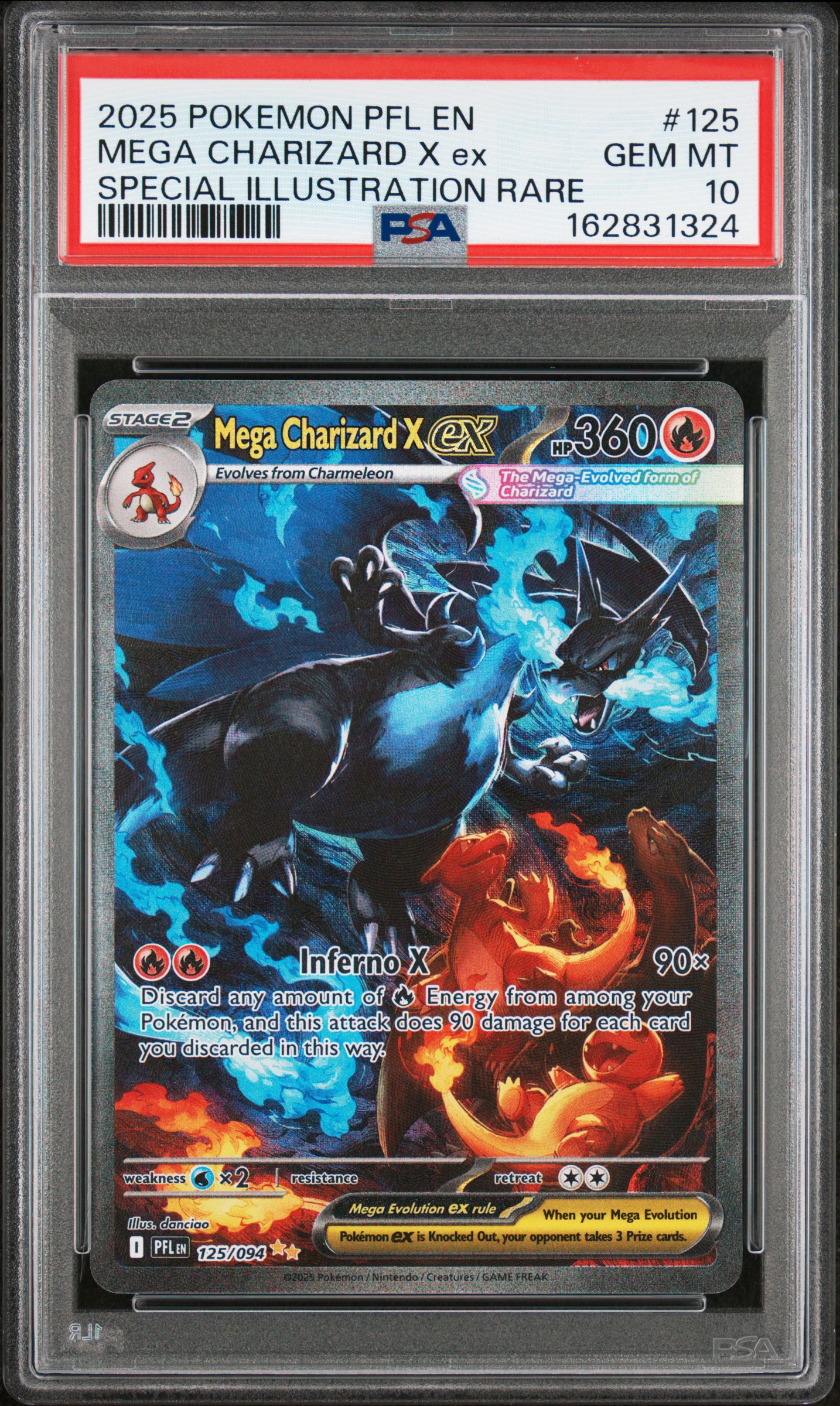
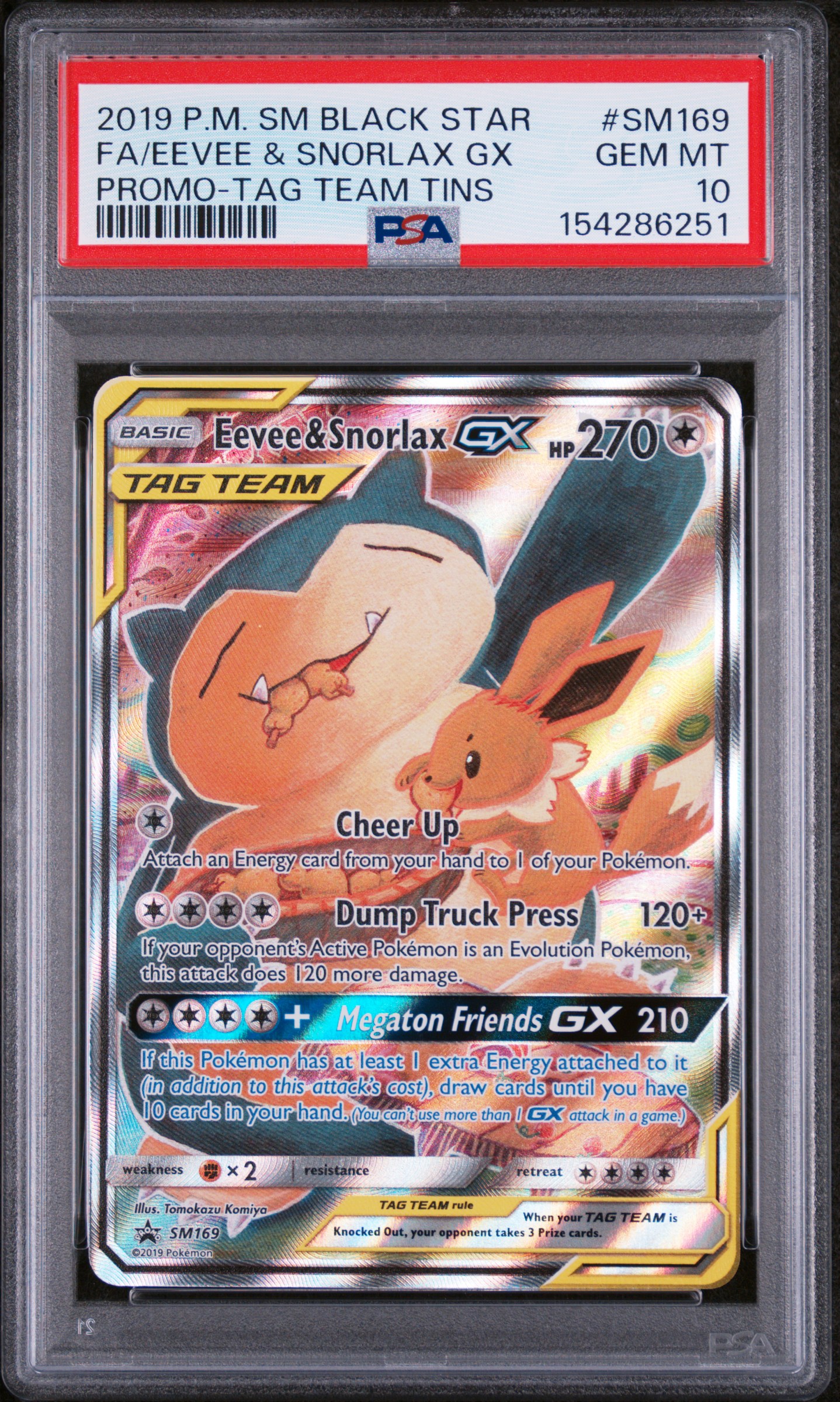
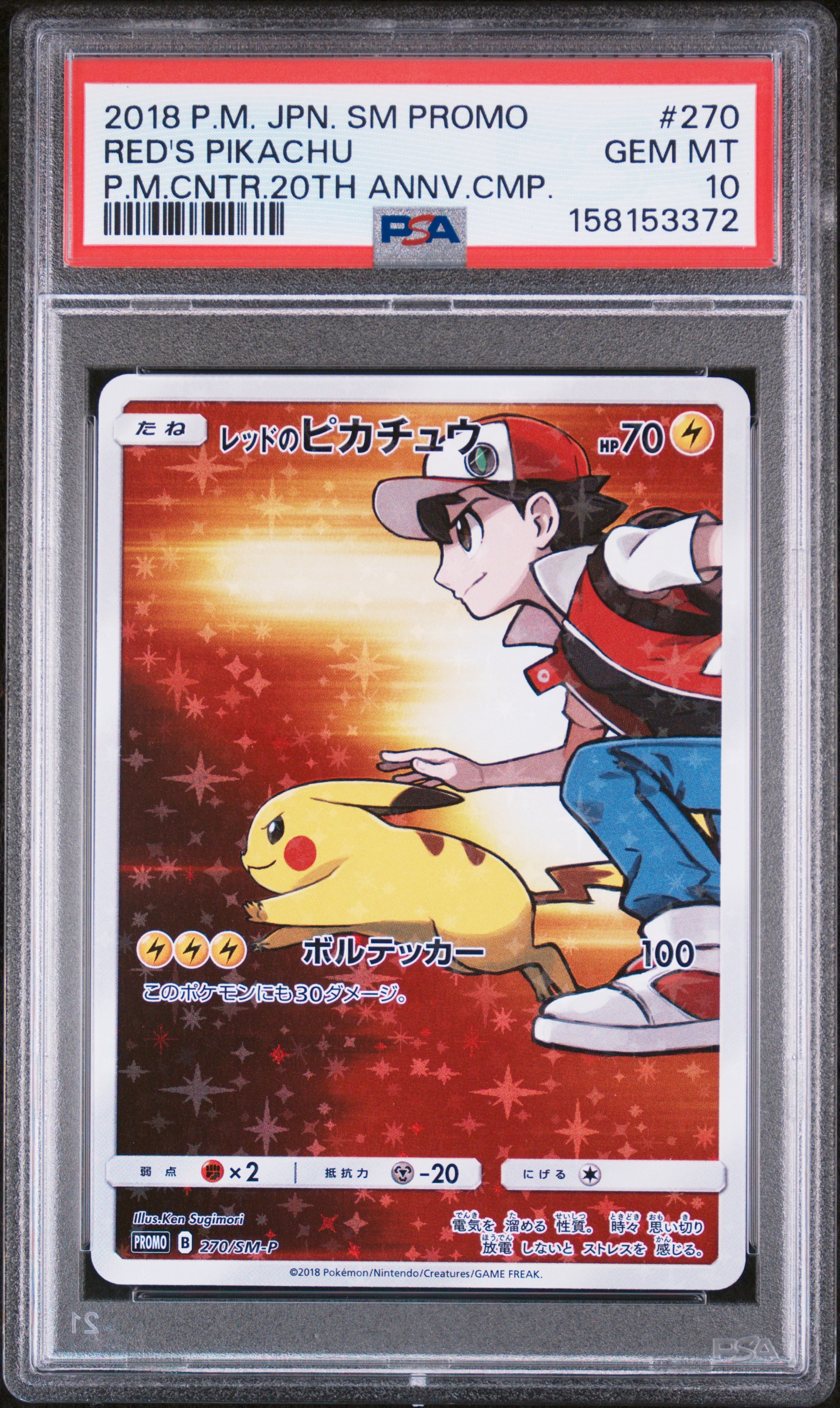
NEW Latias & Latios GX Full Art Team Up · PSA 9 Card value $5,319 Gardevoir & Sylveon GX Full Art Unbroken Bonds · PSA 10 Card value $4,870 Mew ex Special Illustration Rare Paldean Fates · PSA 10 Card value $2,365 Mega Charizard X ex Special Illustration Rare Phantasmal Flames · PSA 10 Card value $1,960 Eevee & Snorlax GX Full Art SM Black Star Promo · PSA 10 Card value $2,382 Pikachu ex Special Illustration Rare Ascended Heroes · PSA 10 Card value $2,258 Red’s Pikachu Japanese Pokémon Center 20th Anniversary Promo · PSA 10 Card value $1,392 |
Pokémon Colosseum is a story from the region of Orre, with Wes, a former member of Team Snagem, who is out to help stop Team Cipher, who is darkening the hearts of Pokémon everywhere. Unlike in other Pokémon games, there are no random encounters, and the only way a player can obtain other Pokémon is by capturing the corrupted Shadow Pokémon from other trainers.
Players then have to bond and train with them in order to purify them at Celebi’s Shrine. This actually restricts the amount of Pokémon a player can get and forces players to deeply strategize what team members they’re going to have.
Pikmin 2 Expanded on the Original in Every Way

Pikmin 2 is a fantastic expansion upon the original game, which is what a sequel needs to do in order to be successful. There are new Pikmin to play with, and it doesn’t take away from the previous Pikmin’s strengths and weaknesses. It also gives players a wider variety of things to do because the player not only controls Olimar, but Louie as well.
Rather than being a survival mission, Pikmin 2 is a scavenging mission, having Olimar and Louie scavenge the area for treasures from a “distant planet,” which is human waste and broken toys, while adapting to the new environment. The game is harder than the first, but with the additional Pikmin and the ability to strategize more cleanly with the two usable characters, it’s everything a real-time strategy puzzle game should be.
Lost Kingdoms II Was a Hidden GameCube Gem

Lost Kingdoms II is one of the many niche card-based battle RPGs that came out for the Nintendo GameCube. It was also one of the few games with a female lead in RPGs for the GameCube. Female-led RPGs aren’t as much of a rarity now, but for the time, this and its predecessor did stand out on a console that didn’t have a lot of RPGs in the first place.
The action, card-based battle system is improved upon immensely in Lost Kingdoms II. While positioning is still important, the expanded card roster, types, and transformation cards make it a much more dynamic and fluid system of combat. The gameplay flow is easily one of the best for action-based card combat RPGs and is less cumbersome than Kingdom Hearts Re:Chain of Memories on PlayStation 2, making Lost Kingdoms II a perfect addition to any RPG fan’s library.
Baten Kaitos Gave the GameCube a Unique RPG

Baten Kaitos: Eternal Wings and the Lost Ocean was released in 2003 and is consistently one of the GameCube’s best-received exclusive RPGs. It was so beloved that it and its prequel had an HD remaster for the Nintendo Switch in a collection in 2023, a solid 20 years after the game was released.
It uses a card-based battle system where players use Magnus cards to attack, defend, and use different abilities during battles. Rather than simply choosing commands from a menu, players are able to build multiple decks to adapt to every style of battle they may face. The story follows Kalas, a young man seeking revenge after his family is murdered, as he becomes involved in a much larger conflict surrounding the world. Baten Kaitos features a massive world to explore, a memorable cast of characters, and a colorful art style that makes it feel like the world has come to life from the pages of a book.