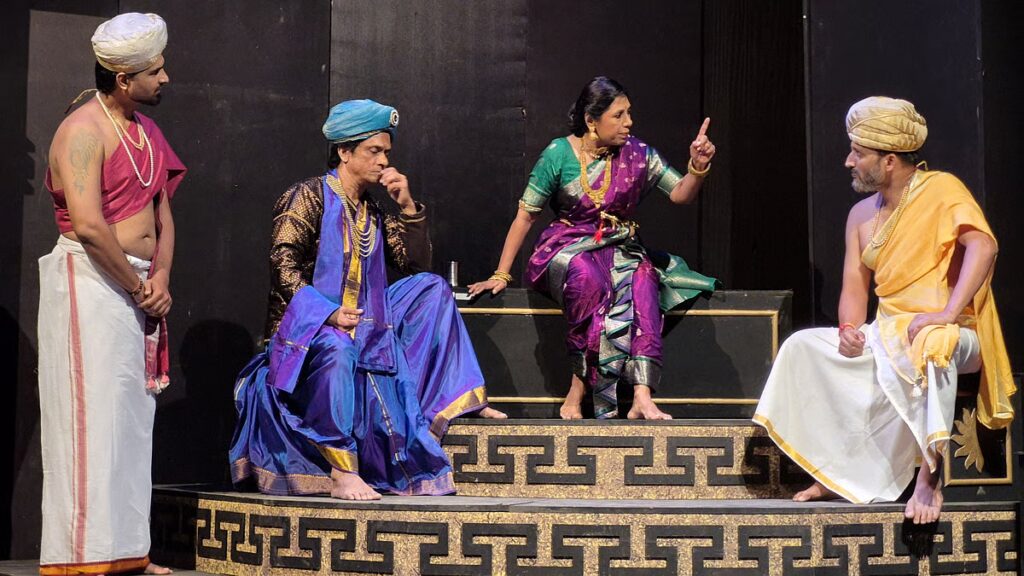

Appropriately, it all started with a play. Basu Bhattacharya saw the Om Shivpuri-directed play, Aadhe Adhoore, which premiered in Delhi in 1969, and impressed with Dinesh Thakur’s performance, offered him the parallel lead in Anubhav. The actor-playwright-director subsequently bagged other films like Mere Apne, Rajnigandha and Zaroorat and moved to Mumbai. In 1976, missing the stage, he founded his own theatre group, Ank.
“Our first production was at a Durga puja pandal in Bandra,” reminisces his wife, Preeta Mathur Thakur, admitting the early years were difficult for Ank, but they were backed by Indian National Theatre, along with Shashi Kapoor and Jennifer Kendal, who founded Prithvi Theatre in 1978, supported by Ank, IPTA, Nadira Babbar’s Ekjute and Om Katare’s Yatri. “Jenniferji made it clear that Prithvi Theatre was for Hindi theatre as Marathi, Gujarati and even English plays had their space and audience, encouraging Dineshji even when there was just eight people in the audience and 15 on stage.”
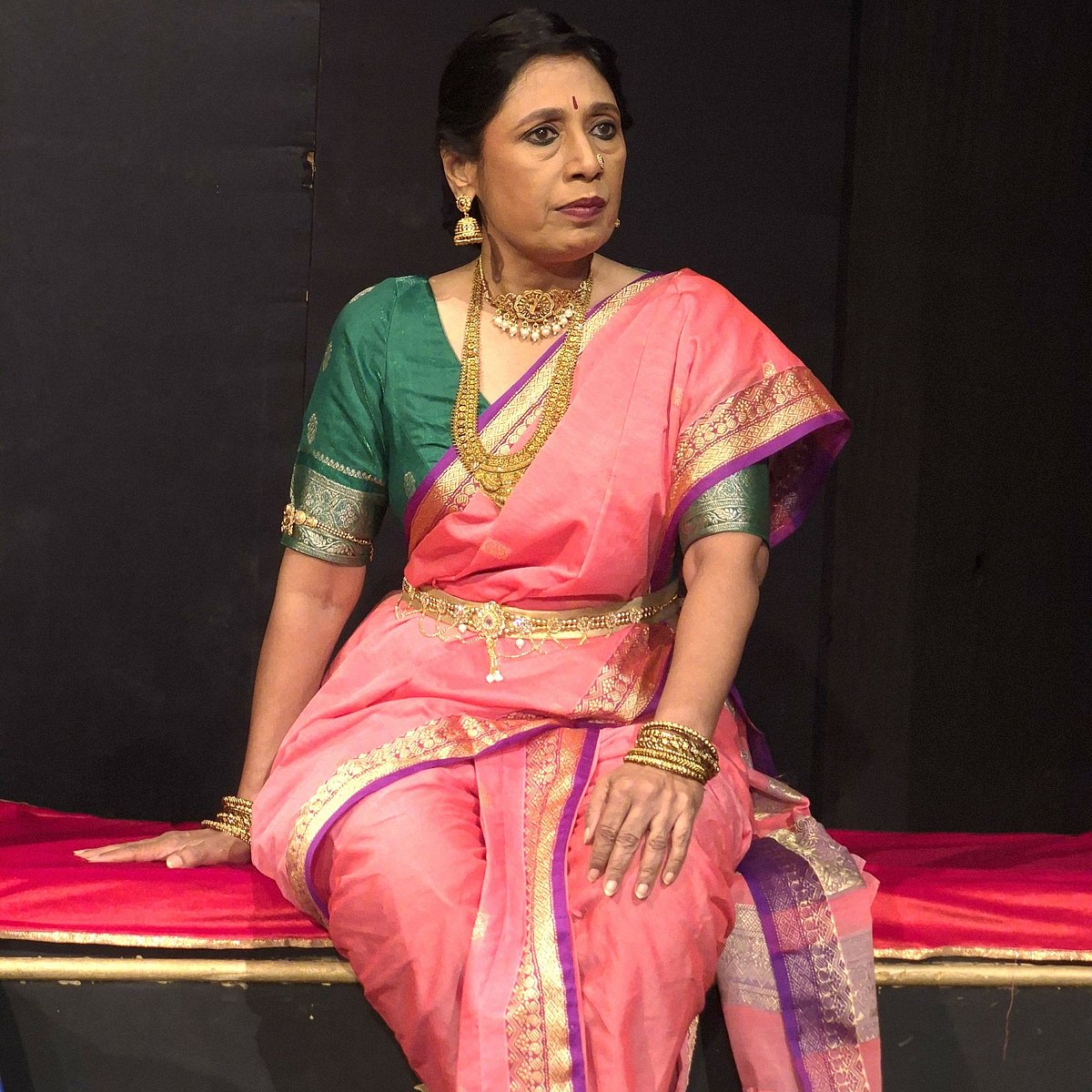
Ank quickly made its mark with laugh riots like Hum Dono, Tum Kya Jaano Preet—an adaptation of Bernard Shaw’s Pygmalion—Hai Mera Dil—the longest-running Hindi comedy—and Dinesh Thakur’s own favourite, Beewiyon Ka Madarasa. There were also intense dramas like Khamosh! Adalat Jari Hai, Atmakatha, Kanyadaan, Jaat Hi Poochho Sadhu Ki and Anji. Preeta, who debuted as a small-town girl in Vijay Tendukar’s Anji, recalls it had just six shows in Marathi, but over 700 shows in Hindi.
Ank hit a roadblock when its founder fell ill in 2008. “Dineshji continued directing even when he could no longer perform, but eventually, despite my reluctance, I was forced to pick up the reins. Before he passed in 2012, Dineshji made me promise I would keep Ank alive till it was 50,” says Preeta, who’s celebrating the golden jubilee run with a new play, Veera Rani Abbakka.
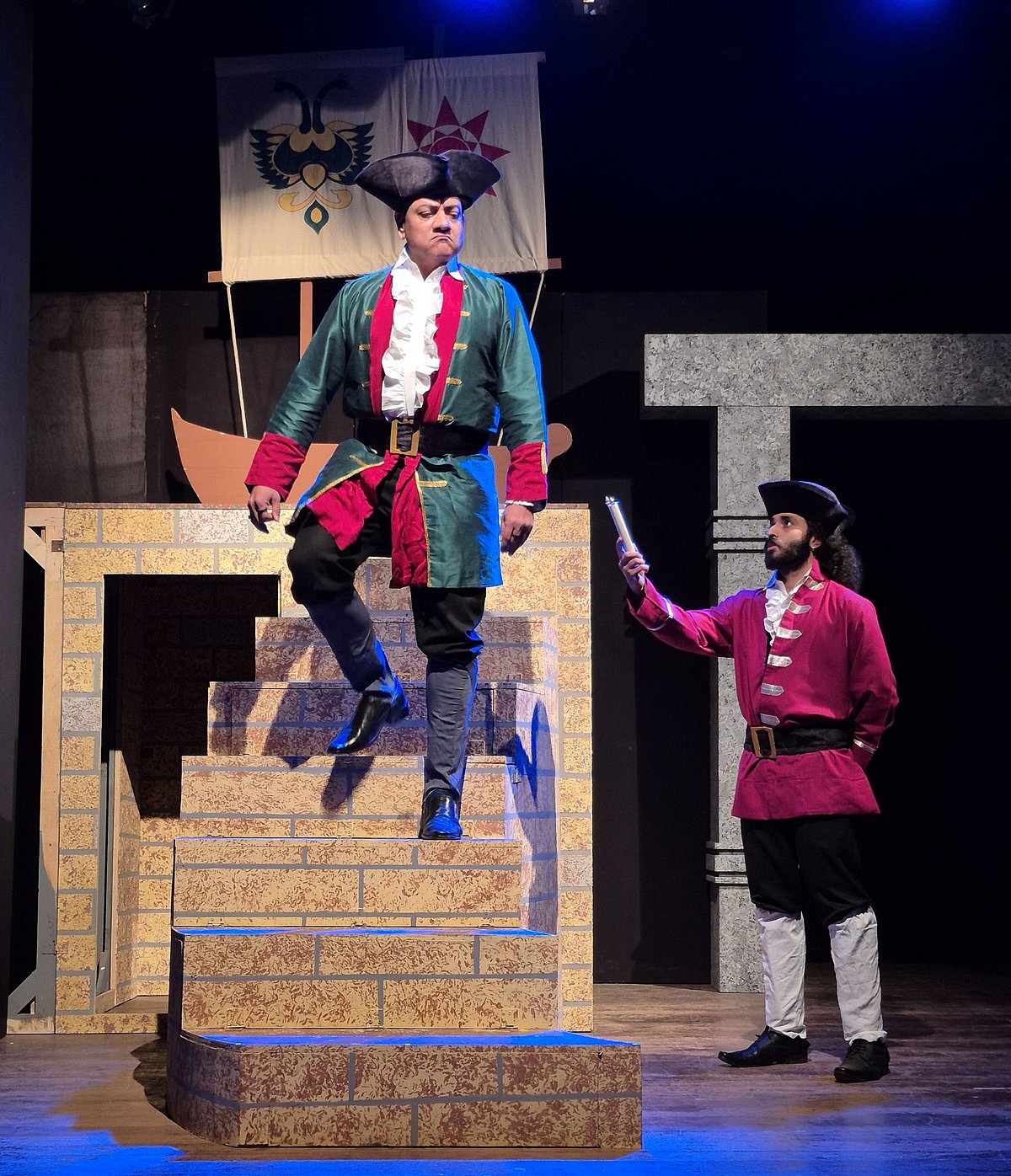
It’s been a long journey, but she can look back and smile when she remembers all that they have overcome, from juggling the huge cast of Jaane Na Doongi and two giant staircases converging on the set in Azhar Ka Khwab to Jis Lahore Nahi Dekhyan’s histrionic and production challenges. The latter was recently adapted on screen by Aamir Khan as Batwara 1947. Preeta found the film touching, but believes it failed commercially because it strayed from its original plot. “They added distracting sub-plots, gave Sunny Deol’s Sikander Mirza, an ordinary man, He-Man qualities, and Shabana Azmi’s frail Durgavati Mai not enough spirit to initially stand up to the family trying to move into her home. Also, to be politically correct, they did away with the mauvi-poet who makes politically charged statements, but also explains the true meaning of Islam thereby diluting the impact of Asghar Wajahat’s writing,” she reasons.
Meanwhile, technical rehearsals are on for their 88th production, Veera Rani Abbakka, which Preeta has co-written—with dialogue writer Richa Sharad—designed, directed and plays the lead. “We had thought of launching it towards the end of last year, but Sita Banvas came along just before and needed more shows, so we decided to celebrate 50 years of Ank with this patriotic, period drama,” says the group’s charismatic leader who has taken the its plays across the country, to Bhopal, Jabalpur, Ujjain, Bikaner, Jodhpur, Jaipur, Ajmer, Bengaluru, Amritsar and Lucknow. “In 2027, we plan to go back in a bigger way with the Dinesh Thakur Legacy Festival while also performing in Mumbai, and towards the year end, we will be releasing a book on Dineshji and will felicitate other theatre groups and stalwarts as part of Ank’s golden jubilee celebrations.”
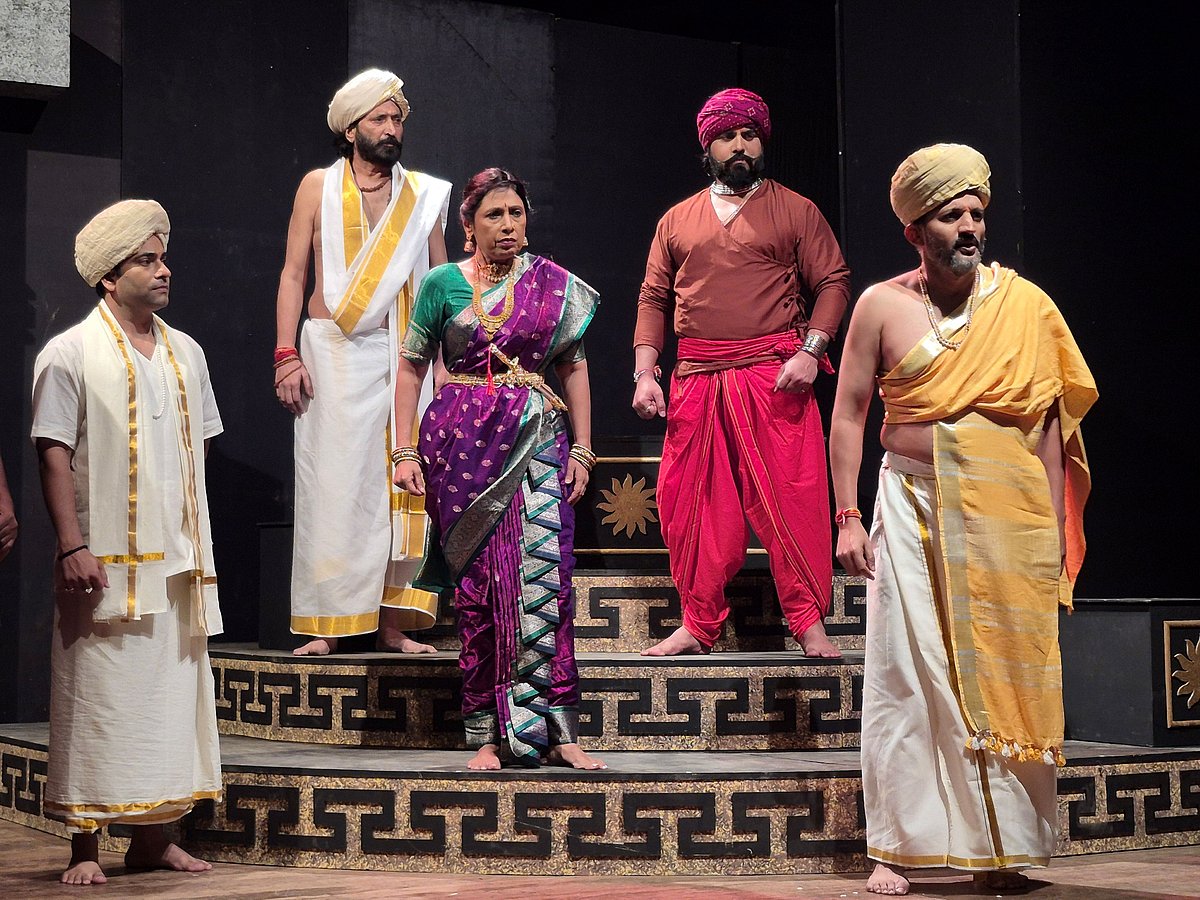
Veera Rani Abbakka
Ank’s 50th year production celebrates one of our country’s earliest warriors against colonialism, Queen Veera Abbakka of Ullala, also known as Abhaya Rani. In the 15th century, she stood up to the mighty Portuguese who came to India as traders with Vasco da Gama, and slowly wooing, insisting and eventually dictating the locals, sought to rule the West coast.
Refusing to submit to political pressure, Abbakka builds a powerful navy and allies with the Zamorin of Calicut to break the trade monopoly of the Portuguese. She is eventually betrayed by her estranged husband, but was successful in preventing the Portuguese from moving beyond Goa.
“Starting after the pandemic in 2021-2022, it took Richa and me over two years to write this play as our history books don’t salute this brave revolutionary. I also discovered that there were three-four Abbakkas who inherited lineage from their mothers and took over as administrators so we had to decide which Queen’s story we wanted to tell,” shares Preeta who commands an army of 25 actors on an Atul Tiwari designed set in this ambitious production.
(It premieres on September 18, Mumbai’s Fine Arts Theatre, Chembur, 6.45 pm. There are other shows happening later in the city as well)