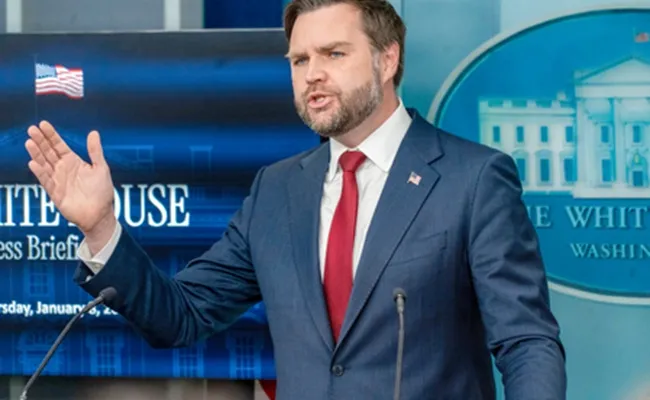

US Vice President JD Vance has called for tighter use of the H-1B visa programme, arguing that it should be used to bring highly skilled talent into the United States rather than allow companies to replace American workers with lower-paid foreign employees.
Speaking at the All-In Summit, Vance said the administration had examined what it viewed as abuse and fraud within the H-1B system and concluded that major legislative changes were unlikely to pass Congress. As a result, he said the administration was focusing on changes it could pursue through executive and regulatory authority.
Vance said the aim was to ensure that companies use H-1B visas for workers who can make a significant contribution to the US technology sector and broader economy, rather than simply using the programme as a lower-cost labour channel.
He argued that the programme should not be used to replace a US worker earning a higher salary with a foreign worker willing to work for less.
That view closely overlaps with arguments previously made by Elon Musk, who has also said the H-1B system should focus on attracting exceptional talent while reducing incentives for companies to use it primarily for cheaper labour.
The Trump administration has already moved aggressively in that direction.
A 2025 presidential proclamation imposed a $100,000 payment requirement on certain new H-1B petitions for workers outside the United States. The administration said the measure was intended to curb abuse and protect US workers. The policy has faced legal challenges, and in August 2026 the administration proposed a permanent H-1B fee of $103,265.
Vance also focused on companies that seek H-1B workers while carrying out large layoffs.
He questioned why employers should be allowed to claim that they cannot find workers while simultaneously cutting thousands of US jobs. The administration has made similar arguments in official policy documents, citing examples of large employers that received significant numbers of H-1B approvals while also announcing layoffs.
Vance said the administration was exploring additional ways to scrutinise companies that lay off American workers while continuing to hire through the H-1B programme.
His comments suggest that future H-1B enforcement may focus not only on visa applicants, but also more heavily on employer behaviour, including layoffs, wage levels and whether foreign hiring is being used to replace domestic workers.
For Indian professionals, the issue is particularly significant because Indians make up the largest share of the H-1B workforce. Any changes involving higher fees, wage requirements, employer scrutiny or tighter proof of specialised need could directly affect hiring patterns in the technology sector.
At the same time, industry groups argue that the H-1B programme remains important for filling specialised skill shortages in the US. Nasscom has said the visa is still useful for addressing short-term talent gaps and has urged policymakers to consider the economic benefits of skilled immigration while designing reforms.
Vance’s remarks therefore reinforce the administration’s stated H-1B position: the programme should be aimed at specialised, high-value talent, while employers using it as a lower-cost substitute for American workers should face greater scrutiny.