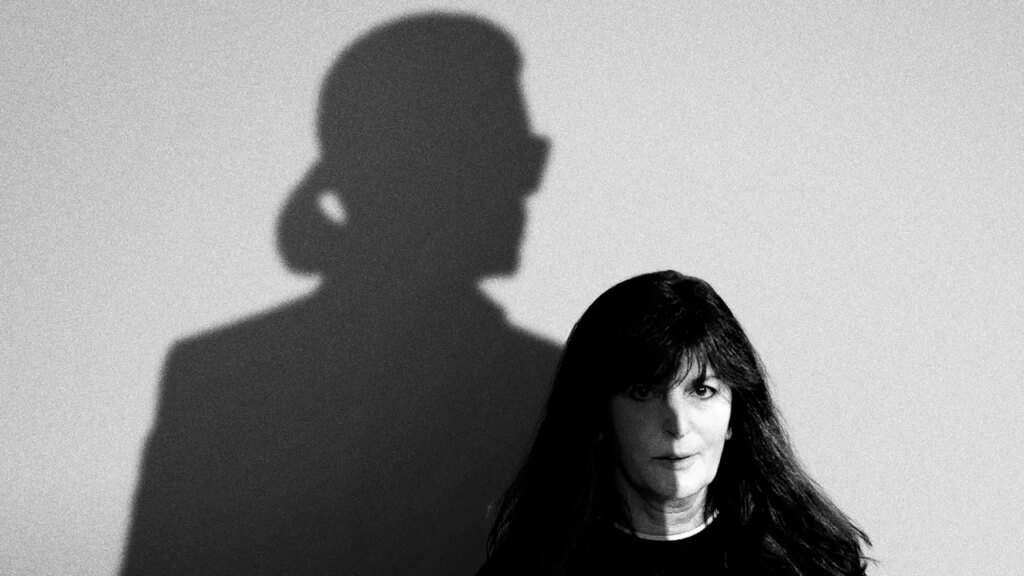

Viard begins her story on June 5, 2024. The day of her departure and a month after her presentation of a cruise collection in Marseille underperformed. She is scheduled to have lunch with one of Chanel’s owners, whom she is very careful not to name. She’s in good spirits when she meets him. “It’s not going to be easy,” he says. At the table, he speaks in a soft, almost apologetic voice: “I wanted to be the one to tell you…” Just like that it’s over. The following day, she writes, her belongings are promptly boxed up and sent back to her. Three weeks later, Chanel’s haute couture collection is shown at the Palais Garnier. Her name has disappeared from everything, like she was never even there. The collection is simply credited to the “Fashion Creation Studio,” and to make matters more painful, she reads about all of this in the press.
The scene of her eviction is brutal, but, frustratingly, Viard never alludes to what could have triggered it. Not a word about the criticisms of her collections, nor about the financial conditions or her departure. It’s possible that it’s because of the confidentiality agreements she may have had to sign, suggested by her infinite caution around mentioning the Wertheimer family, which owns Chanel. Or how Bruno Pavlovsky, the head of Chanel’s fashion activities, appears only once. Regardless, it becomes a throughline in the book: Anytime Viard gets close to questioning power, the text closes in.
The book becomes more interesting when she reveals much more, as she does when she talks about her relationship with Lagerfeld. Thirty years of collaboration seems to have freed her from some precautions. With a kind of indiscretion very far from the good manners of Rue Cambon, she describes the designer’s final months, his ailing body, the hospital visits, but also the eccentricities of a genius. Details like how she prepared his little protein portions during his extreme diet, when he lost more than 40 kilos in a year, are particularly intriguing. Or how he ordered white wine to accompany his Frankfurt sausages, even if he only drank “three drops,” as she recalls.
The details of their daily work life together are unfortunately less precise. Viard presents herself as indispensable to Lagerfeld, his “right-hand man” and his “left arm.” He had the drawings, the references, the ideas; she was the one to translate the master’s thoughts for the ateliers. She describes an “awesome creative couple,” based on a “mutual admiration” and a form of “unacknowledged dependence.” But Lagerfeld’s death in 2019 leaves her undeniably alone and unprepared. “I probably should have found a partner, someone to talk to,” she writes. “But I didn’t have anyone, whereas Karl had me.”