
For a generation of American anime fans, Kids’ WB was one of the easiest places to encounter Japanese animation, and most didn’t even realize that was what they were watching. Saturday mornings brought monsters, card games, and transforming robots into homes long before streaming made entire anime catalogs available on demand. Nostalgia can be generous, though. Several shows that were enormously entertaining on Kids’ WB are much harder to revisit today.
Some were hurt by aggressive localization, while others suffered from repetitive storytelling, awkward pacing or formulas designed primarily to keep their respective franchises moving. A great childhood memory does not always translate into a great modern binge. That does not erase the importance of these series. Several helped introduce huge audiences to anime, and remain beloved for good reason. Watching them decades later simply reveals flaws that were much easier to ignore back then.
Pokémon Was Built for Saturday Mornings, Not Modern Binge-Watching
-
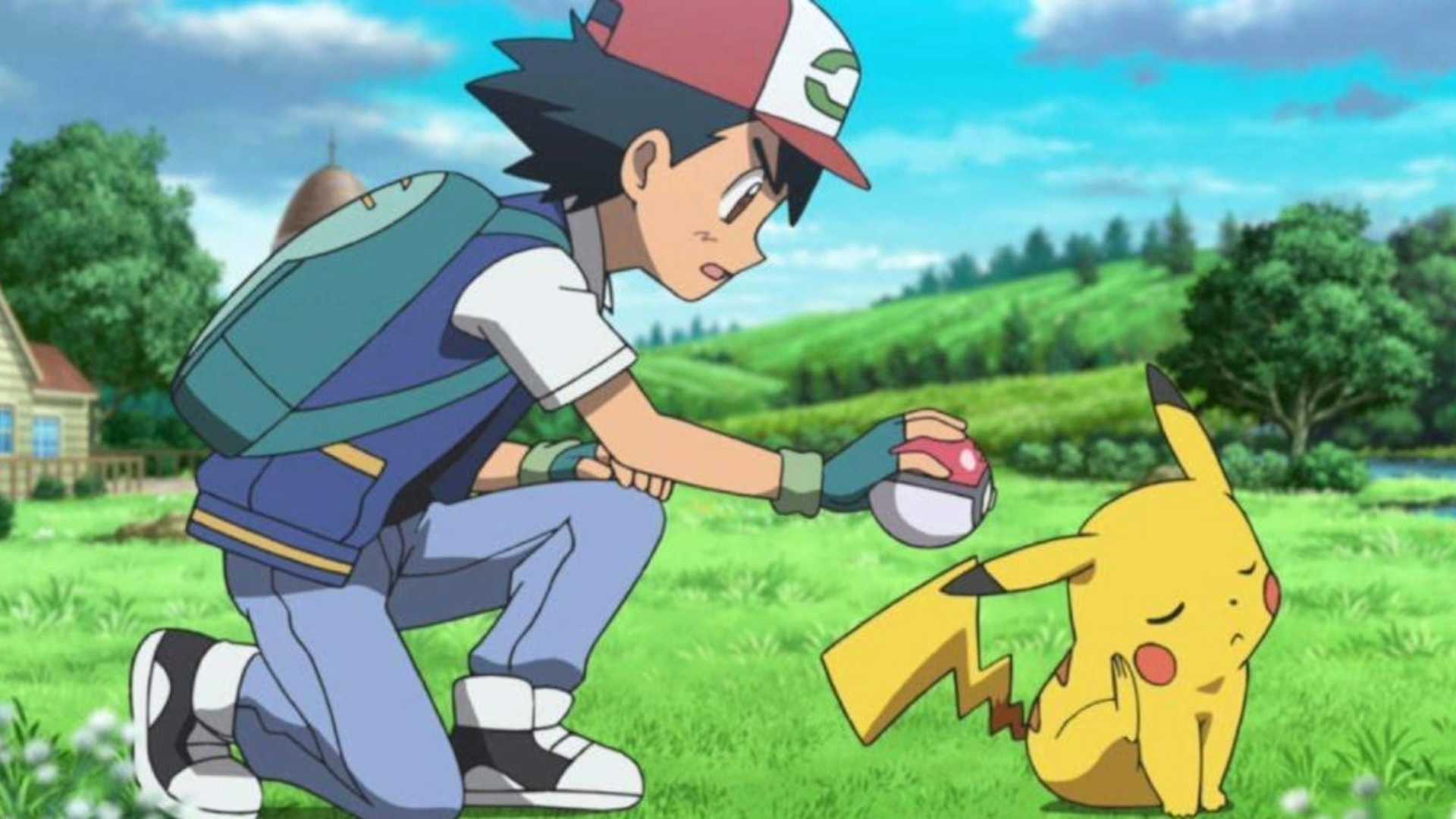 Image via OLM
 -
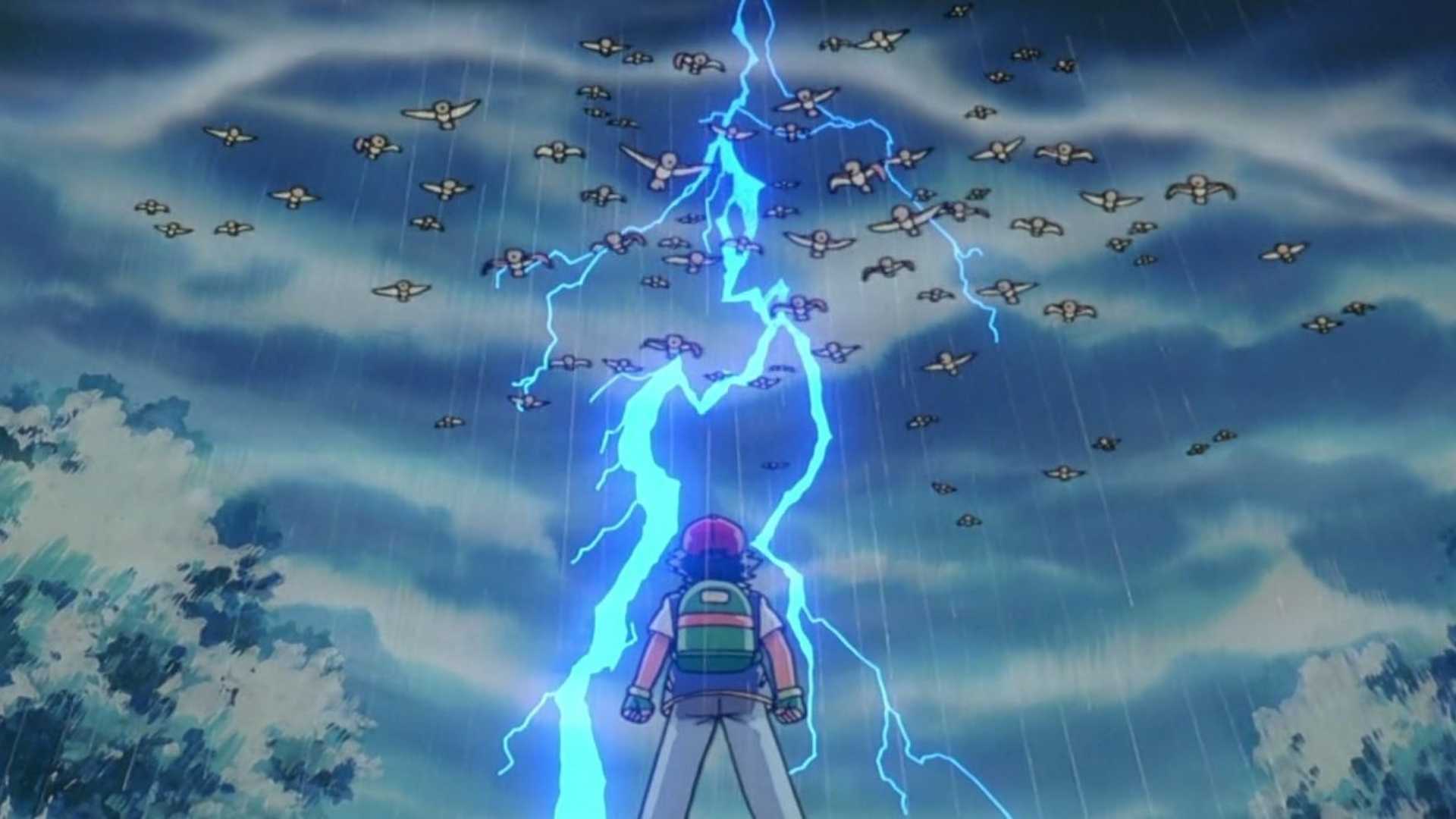 Image via OLM
 -
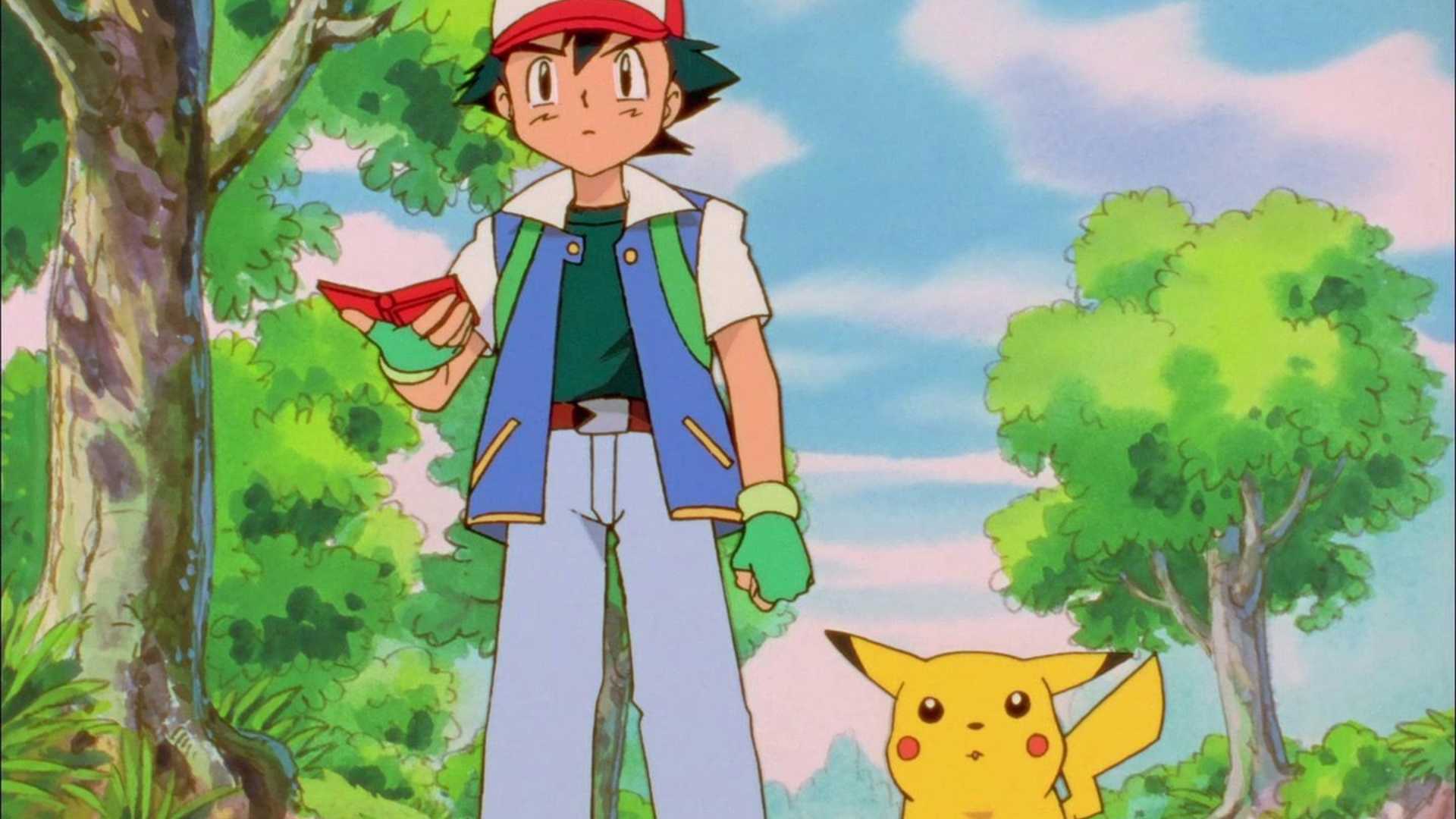 Image via OLM
Ash Ketchum’s journey became a cultural phenomenon, and the earliest seasons of Pokémon contain moments that remain instantly recognizable decades later. Pikachu refusing to cooperate with Ash, the constantly incompetent Team Rocket, and the original group traveling through Kanto helped define an entire generation’s relationship with the franchise. Individual episodes can still be enormously charming. However, watching the original run continuously is not as rewarding.
Early Pokémon relies heavily on an adventure-of-the-week formula. The formula was ideal for syndicated children’s television because missing an episode rarely mattered. It becomes much more repetitive when viewers have immediate access to the next ten. The English dub adds another layer of age. Its jokes, altered dialogue and localization choices make the earliest episodes feel unmistakably like imported children’s television from the late 1990s.
MÄR Has a Fantasy World That Cannot Escape Familiar Shonen Habits

MÄR should be incredibly easy to recommend. Ginta Toramizu is transported from his ordinary life into the fantasy world of MÄR-Heaven, where magical objects known as ÄRMs give their users a huge variety of abilities. Ginta eventually becomes involved in the fight against the Chess Pieces, turning his fantasy adventure into an increasingly serious battle for the world. There are good ideas everywhere.
The problem is how long everything takes. MÄR runs for more than 100 episodes, and its tournament-heavy storytelling eventually exposes just how dependent it is on familiar shonen structures. Battles accumulate, and characters repeatedly need new ways to overcome the next obstacle. That was easier to accept when viewers caught isolated episodes on television. Streaming immediately changes the experience.
Viewtiful Joe Loses Some of the Energy That Made the Games Special

The original Viewtiful Joe video game is practically built like a cartoon already. Joe is obsessed with superheroes and movies before being pulled into Movieland, where he becomes the transforming hero Viewtiful Joe, and fights villains using cinematic powers. Turning that into an anime seems like a good move. Joe’s exaggerated personality fits Saturday morning television perfectly, and the anime preserves the colorful superhero aesthetic of the games.
Unfortunately, the expansion of this franchise through anime was not very successful. A relatively focused video game premise had to support a much longer television series. Added adventures did not always possess the same momentum as the source material, and Joe’s personality also became exhausting. His exaggerated reactions and constant enthusiasm are considerably more intense during a prolonged binge. Watching the entire series today exposes how thin the central concept can become when stretched too far.
MegaMan NT Warrior Becomes Repetitive Much Faster When Binged

MegaMan NT Warrior was a colorful action series that centered on Lan Hikari and his digital partner, MegaMan.EXE. In this world, people carry personal digital assistants called PETs containing NetNavis that navigate the internet on their behalf. Lan and MegaMan inevitably find themselves battling hostile Navis and stopping threats that move between cyberspace and the real world. As a Saturday morning show in the early 2000s, it worked beautifully.
Its issues become clearer when episodes are watched consecutively. Many conflicts follow similar patterns. A digital problem emerges, MegaMan enters the network, a villainous Navi appears, and another battle begins. Individual adventures can still be entertaining, but the structure is considerably more noticeable without a week separating episodes. The English dub creates additional problems. Names, dialogue and other details were changed, leaving the Kids’ WB version feeling unmistakably tied to early-2000s localization practices.
Cardcaptors Is a Painful Way to Experience an Excellent Anime

Cardcaptor Sakura is absolutely still worth watching. Cardcaptors, the heavily localized version broadcast in North America, is another story. The original anime follows Sakura Kinomoto after she accidentally releases the magical Clow Cards and becomes responsible for capturing them. Sakura’s family, friendships, emotions and gradual growth give the series much of its identity, but the localization attempted to reshape that material.
Episodes were reordered and omitted for the American broadcast, dialogue was rewritten, and the presentation placed greater emphasis on action. This helped market the series as something closer to an action show with broader appeal, but it also disrupted the character-focused storytelling that makes the original version work so well. One of the best magical-girl anime of its era is hiding underneath Cardcaptors. Modern viewers are much better off watching Cardcaptor Sakura instead.
Yu-Gi-Oh! Is Almost Impossible to Separate From Its Infamous Localization
-
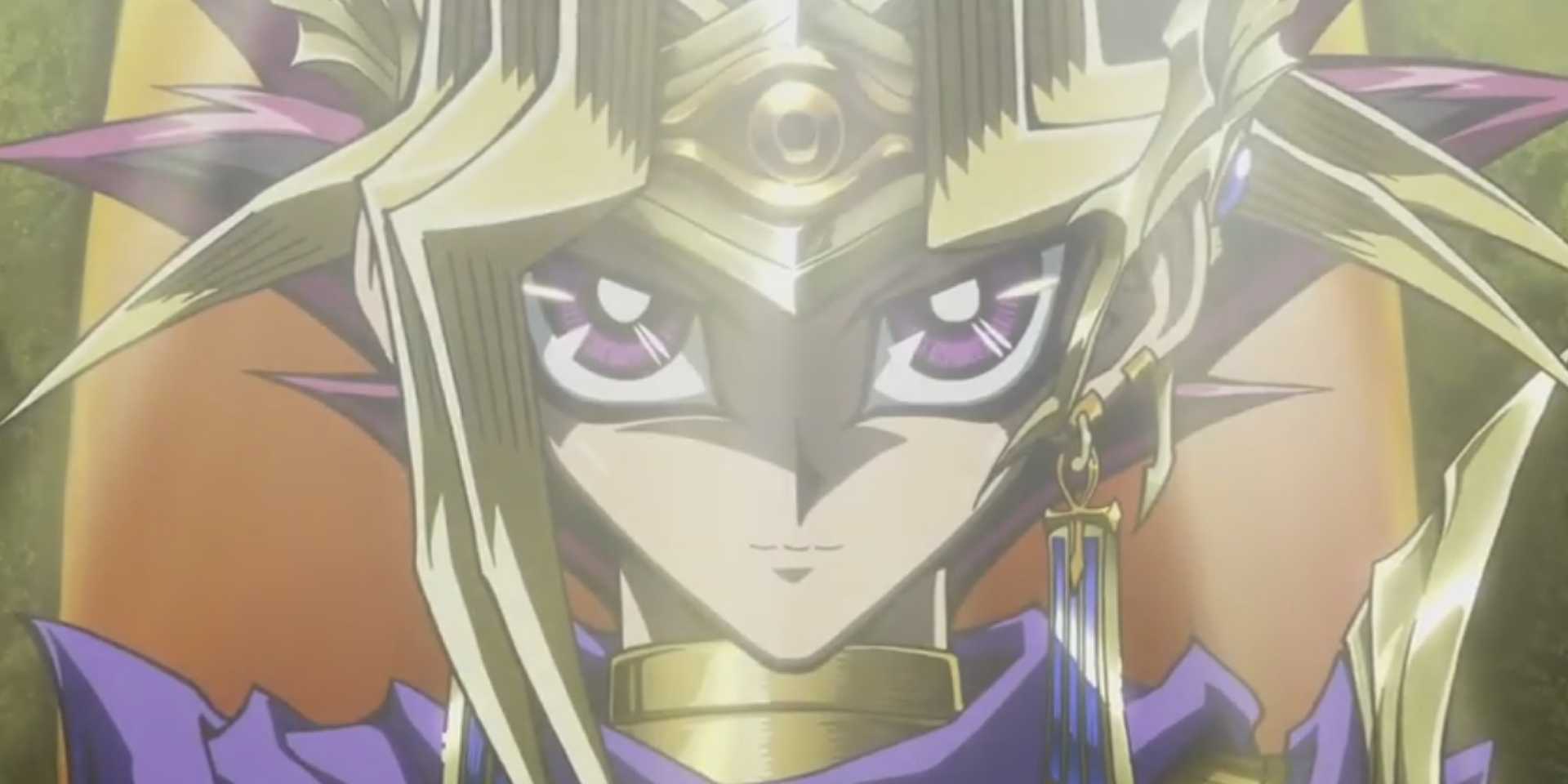 Image via Studio Gallop
 -
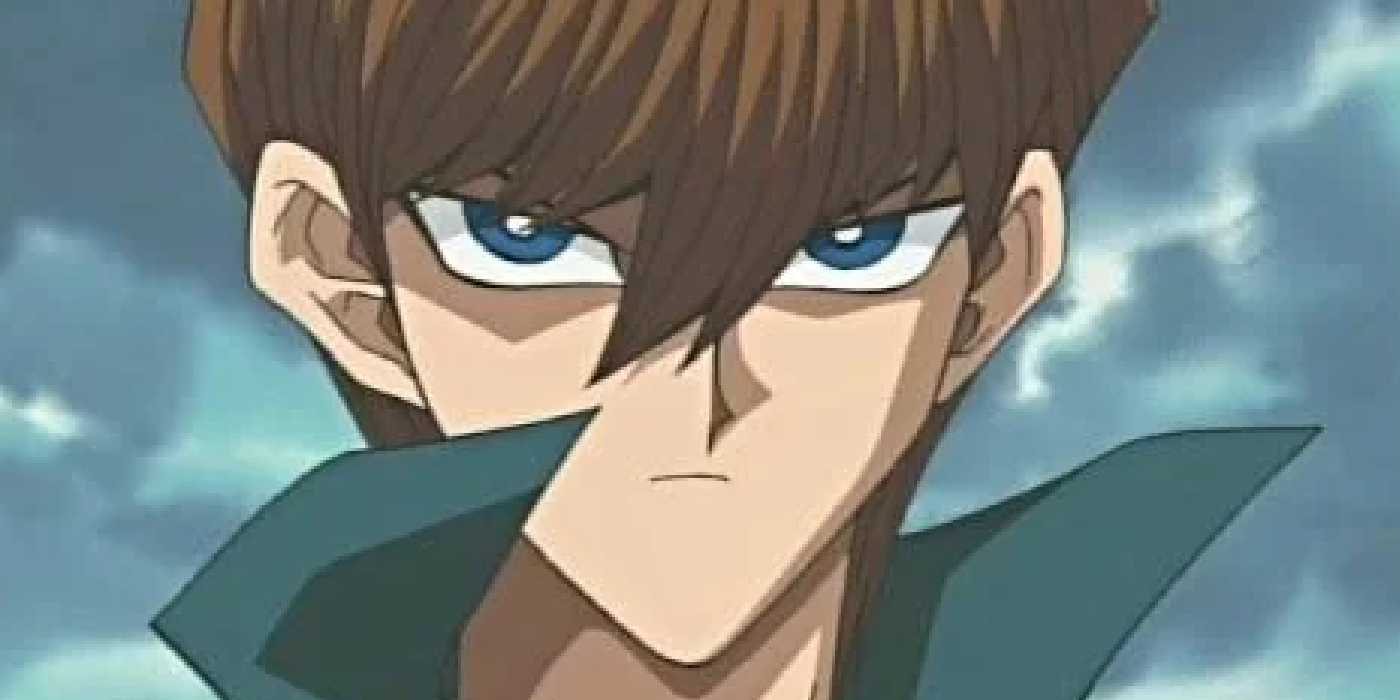 Image via Studio Gallop
 -
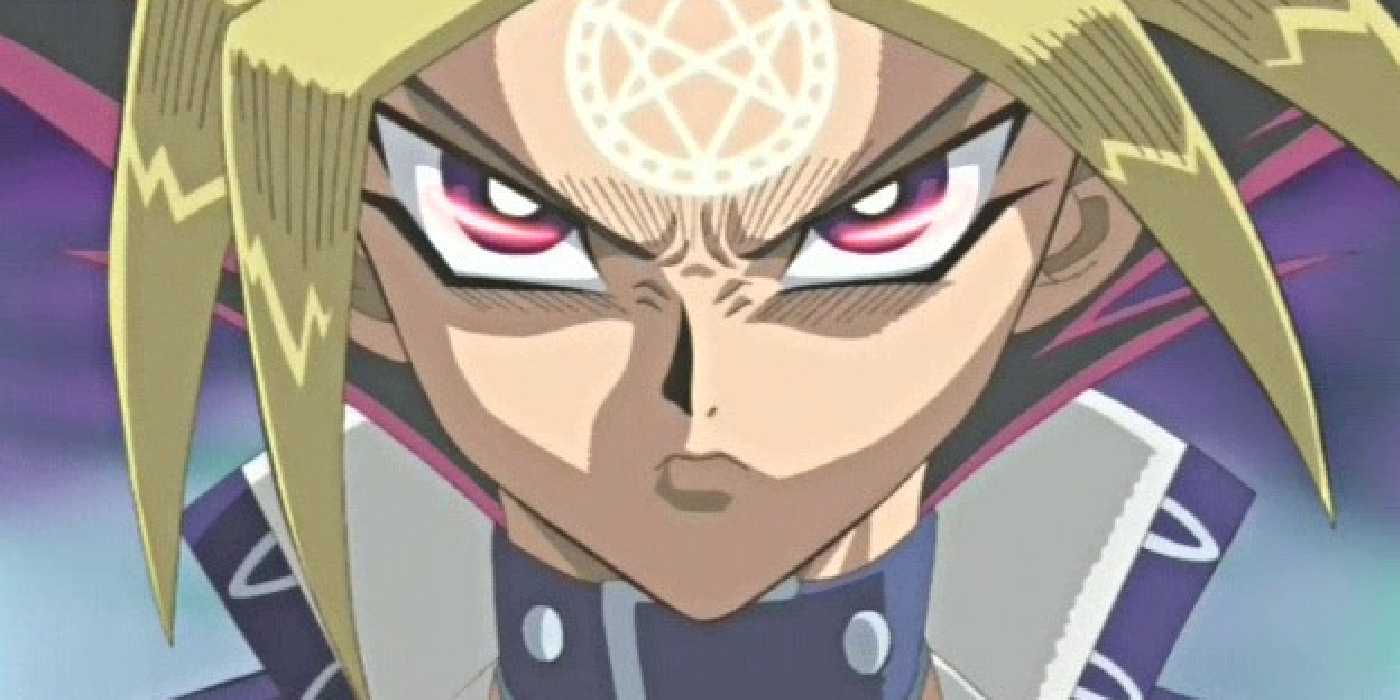 Image via Gallop
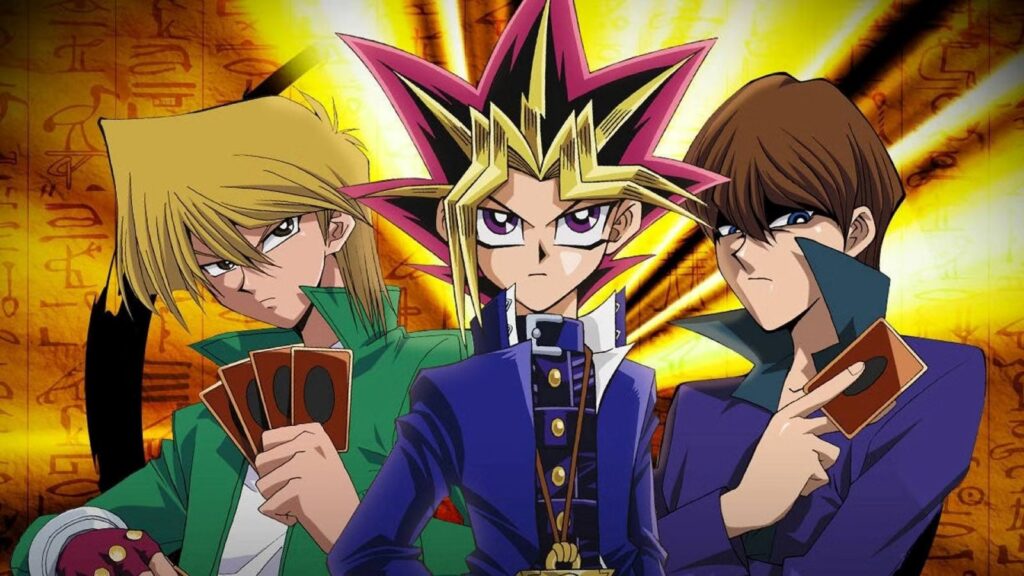
Yu-Gi-Oh! might be the definitive Kids’ WB anime. Yugi Mutou and the mysterious spirit inhabiting the Millennium Puzzle became Saturday morning icons, and Duel Monsters became one of the world’s biggest card-game franchises. The central concept remains fantastic. Characters settle rivalries and the fate of the world through a trading card game. The anime commits to that premise with such complete sincerity that even the most ridiculous duel can become compelling.
However, those duels can take forever. Turns that would take moments in an actual card game become unnecessarily extended. Early episodes also famously play fast and loose with the rules. Then there is the issue of the 4Kids version. Violence was softened, dialogue was extensively rewritten, and death was frequently replaced with the concept of the Shadow Realm. Some of those changes became beloved pieces of Yu-Gi-Oh! Culture, but they are also impossible not to notice as an adult.