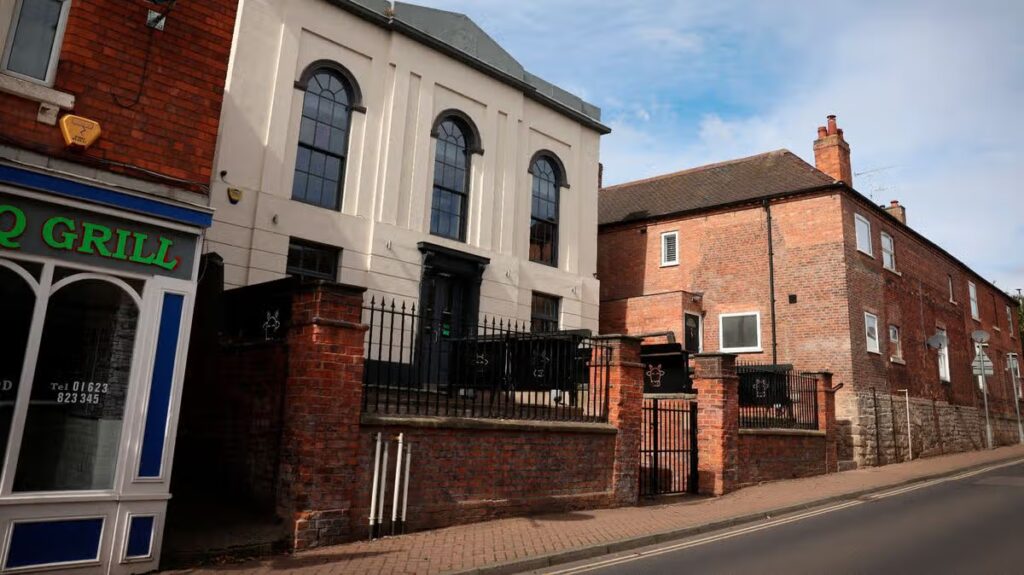

The village is full of history linked to Robin Hood, including one key location in his life, and it’s especially beautiful in autumn when you can enjoy the leafy landscapes

The village has a unique history tied to local legends(Image: Joseph Raynor/ Reach PLC)
Whether you’re a history buff, or just looking for an interesting day out this autumn, a leafy village in Nottinghamshire might be one to put on the list.
Edwinstowe is sometimes nicknamed the ‘Robin Hood village’ due to its strong links to the legendary outlaw. Set on the edge of Sherwood Forest, where so many of the stories are set, it’s the perfect location to learn more about Robin Hood and the legend that has endured since medieval times.
While modern historical thinking is that Robin Hood wasn’t a singular real person, in this village, the legend is treated with the same reverence as historical figures. St Mary’s Church in Edwinstowe is said to be where Robin Hood married Maid Marian, and a statue stands on the high street commemorating the couple.
A church has stood on the site since 633 AD, and it’s where Anglo-Saxon King Edwin of Northumbria was buried after dying in battle, his name given to the village. In the 12th century, the small wooden chapel became the pretty stone church that still stands today.
Edwinstowe’s position on the edge of the forest means it has a quaint, leafy vibe, but there’s one tree in particular that many tourists are interested in. Just a short walk away is the Major Oak, which was said to be Robin Hood’s hideout and the spot where he and his men would camp.
One of the country’s largest oak trees, it has a trunk circumference of 11 metres and a sprawling canopy, but sadly, the ancient tree has been in poor health. In 2026, it was announced that the tree, which is around 800-1,000 years old, had come to the end of its lifespan.
From the village, you can enjoy walks such as the Sherwood Forest and Major Oak Circular, which takes about an hour through some of the most beautiful parks of this ancient woodland. Or you could enjoy a longer Edwinstowe – Sherwood Forest Circular of just under six miles, which takes in Thynghowe, an ancient Viking meeting place.
The longer route also takes you past a unique Russian log cabin, or dacha, which was built in 1884 as a shooting box for a local duke. Its beautifully carved wooden façade was unlike anything in Britain at the time, and it soon became a tourist attraction thanks to its unique style.
Close to the village, you’ll also find Rufford Abbey, an English Heritage site that holds the remains of a 12th-century abbey, as well as a stunning 17th-century country estate, and sprawling country park. Autumn is an excellent time to visit, with the turning leaves providing the perfect atmosphere, plus seasonal events for half-term and Halloween.
Have a story you want to share? Email us at webtravel@reachplc.com