Isekai anime has no shortage of long adventures, elaborate power systems and protagonists starting life over in another world. The downside of the genre, however, is that some series can become bloated once extended detours and anime-original material begin interrupting the main story. The best isekai stories rarely have that problem. Every episode either develops the characters, expands the new world or moves the central conflict forward.
Even quieter moments matter because they establish relationships or information that eventually becomes important. That kind of focus makes these shows especially easy to binge, since viewers rarely feel the need to skip ahead. For viewers who want another-world fantasy without unnecessary padding, these anime keep their stories focused from beginning to end.
Jobless Reincarnation Makes Even Its Quietest Episodes Part of Rudeus’ Growth
-
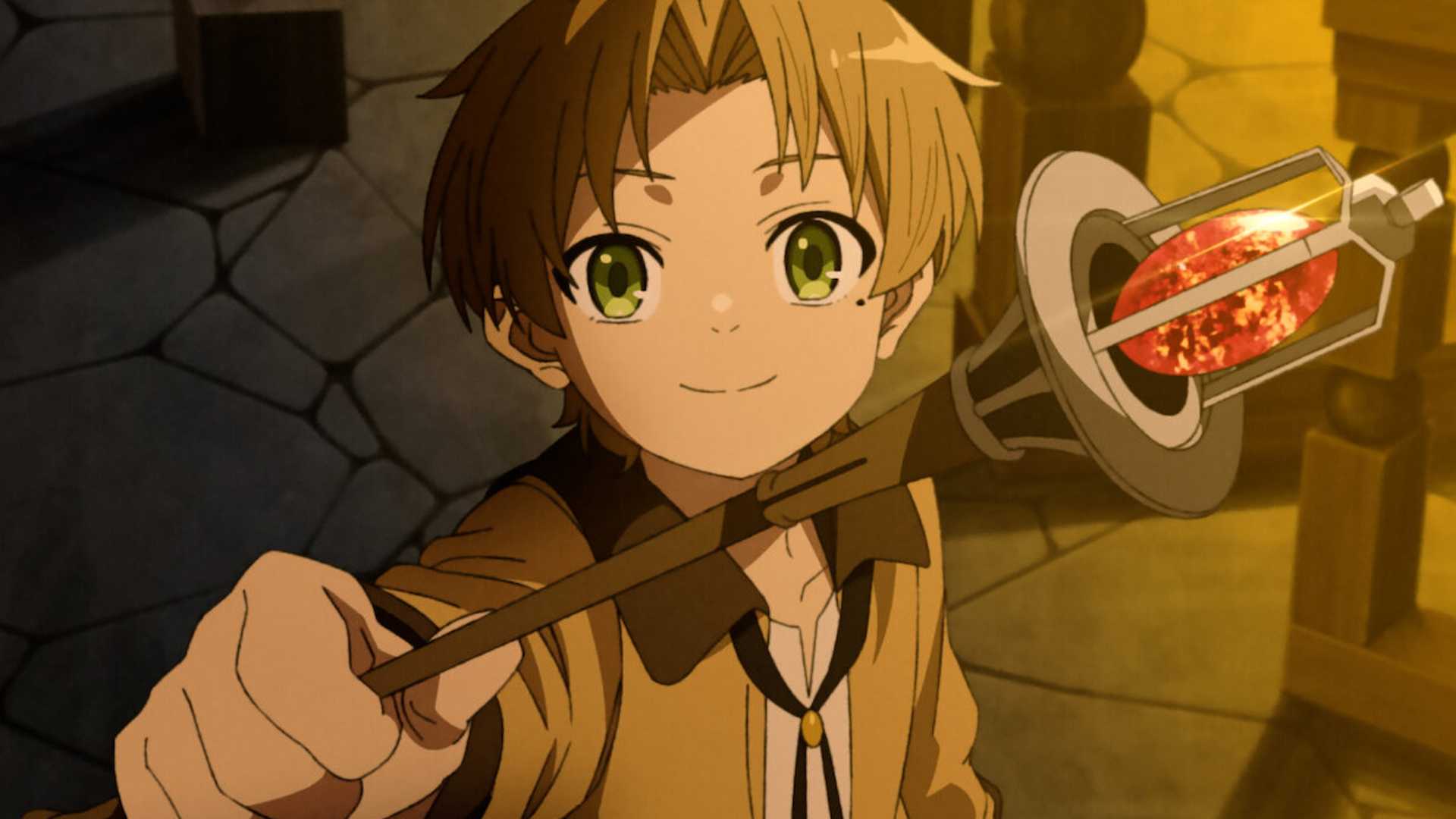 Image via Studio Bind
 -
 Image via Studio Bind
 -
 Image via Studio Bind
Rudeus Greyrat is reincarnated into a fantasy world after spending much of his previous life isolated from society. Instead of immediately rushing toward one enormous objective, Mushoku Tensei: Jobless Reincarnation follows him through childhood, education, travel, relationships and increasingly dangerous adventures. That broader structure means the small moments are important. Rudeus struggling with the emotional damage carried over from his previous life matters just as much as defeating monsters.
The anime treats reincarnation literally. Rudeus has not simply been transported somewhere exciting. He has been given an entire second life and he tries to do better this time. This allows the anime to spend time on things other isekai might treat as interruptions while still keeping them connected to his development. Jobless Reincarnation is one of the genre’s most immersive adaptations. Its story is large enough to wander geographically without ever feeling narratively lost.
Every Ridiculous Preparation Matters in Cautious Hero

In Cautious Hero, Seiya Ryuuguuin is absurdly powerful. He is also unwilling to take even the smallest risk. After being transported into a different world, he will not fight until he has trained far beyond what any hero would consider necessary. He buys excessive amounts of equipment, attacks weak monsters with overwhelming force and treats practically every stranger as a potential threat.
The joke works because the series keeps finding new ways to justify his paranoia. Enemies become stronger, and apparently safe situations turn dangerous. Seiya’s insistence on preparing for impossible scenarios repeatedly saves everyone around him. That means even the comedy contributes to the larger story. His obsessive training is not a distraction from the plot. With only 12 episodes, Cautious Hero has no room to waste.
No Game No Life Turns an Entire Fantasy World Into a Strategy Puzzle

Sora and Shiro arrive in another world simply because they are extremely good at games. The siblings are transported to Disboard, a world where violence has been replaced by games governed by ten absolute pledges. Political power, territory and even personal freedom can be wagered if both sides agree to the rules. That immediately gives No Game No Life an unusually focused structure.
Every major conflict turns into another game. Sora and Shiro might be playing chess or cards, but each challenge brings them closer to their larger objective of eventually challenging the god Tet. The siblings exploit wording, psychology and hidden assumptions in the rules until games that initially seem impossible suddenly become winnable. The series is famously short, but those 12 episodes remain tightly connected.
Even the Side Quests Feel Essential in KonoSuba

KonoSuba: God’s Blessing on This Wonderful World! frequently looks like an isekai anime where nothing important is happening, and that is exactly why it works so well. Kazuma Satou dies embarrassingly and receives the opportunity to begin again in a fantasy world. He chooses to bring the goddess Aqua with him, expecting an enormous advantage. Instead, he acquires the most dysfunctional adventuring party imaginable.
Many episodes revolve around debts, terrible jobs and minor adventures that appear disconnected from the typical goal of defeating a Demon King. KonoSuba does progress toward larger threats, but it does not pretend that every adventure needs world-ending stakes. That makes its lack of traditional filler especially impressive. Even the smallest quest contributes to the relationships that make the series worth watching.
The Saga of Tanya the Evil Keeps Its War Moving Constantly

In The Saga of Tanya the Evil, Tanya just wants a comfortable life far away from danger. Unfortunately, she is extremely competent. After being reincarnated into the body of a young girl, Tanya joins the military because it appears to offer the most reliable route toward security and advancement. Her success and skills, however, convince her superiors that she belongs somewhere more dangerous.
Tanya’s attempts to manipulate the system for personal benefit repeatedly pull her deeper into an expanding war. There is also Being X. Tanya’s conflict with the mysterious divine entity responsible for her reincarnation gives even ordinary military decisions another layer of meaning. The anime combines military strategy and isekai fantasy without needing unrelated side stories to fill space.
Every Detour in Re: Zero Is Part of Subaru’s Survival
-
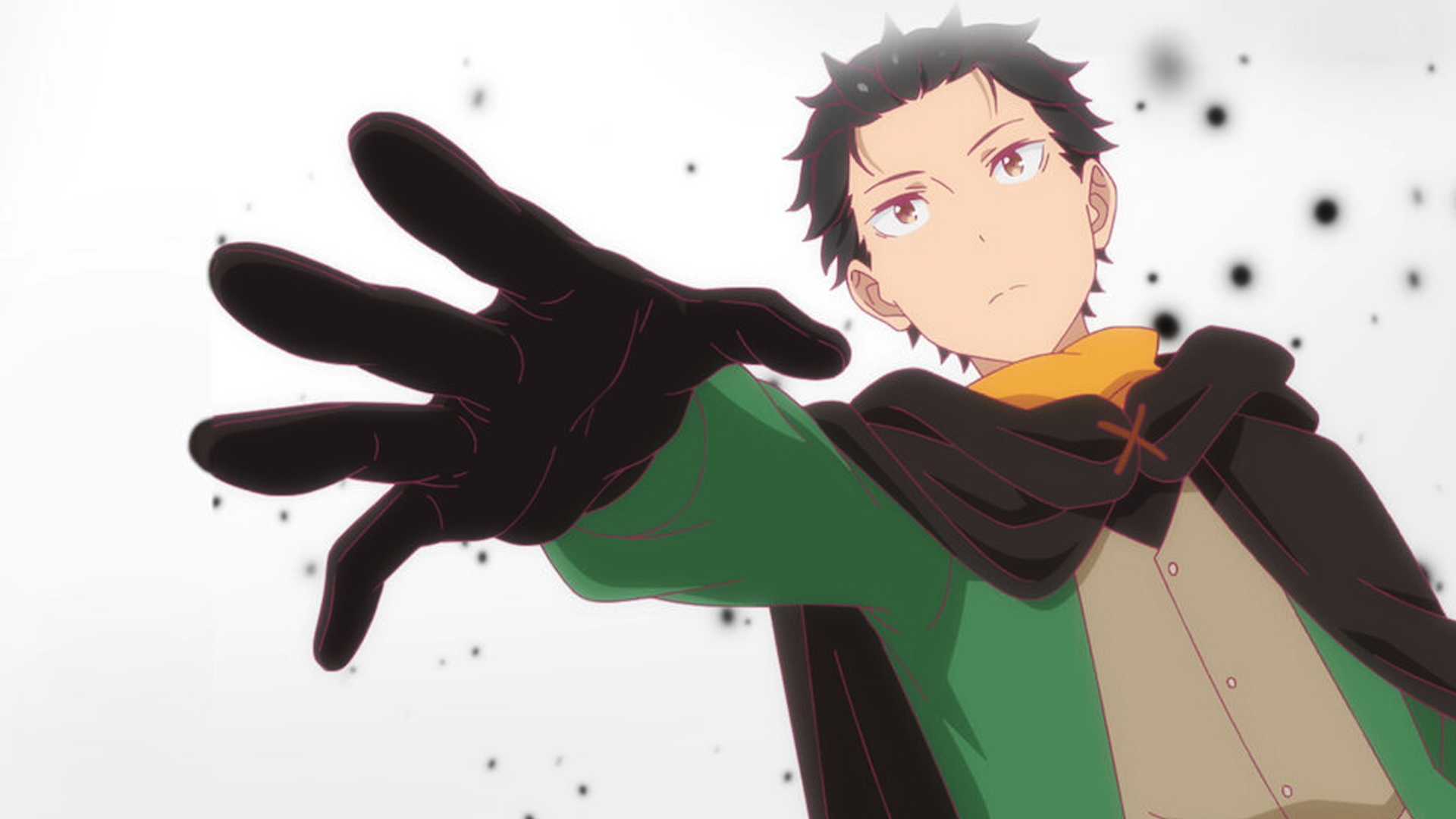 Image via Studio White Fox
 -
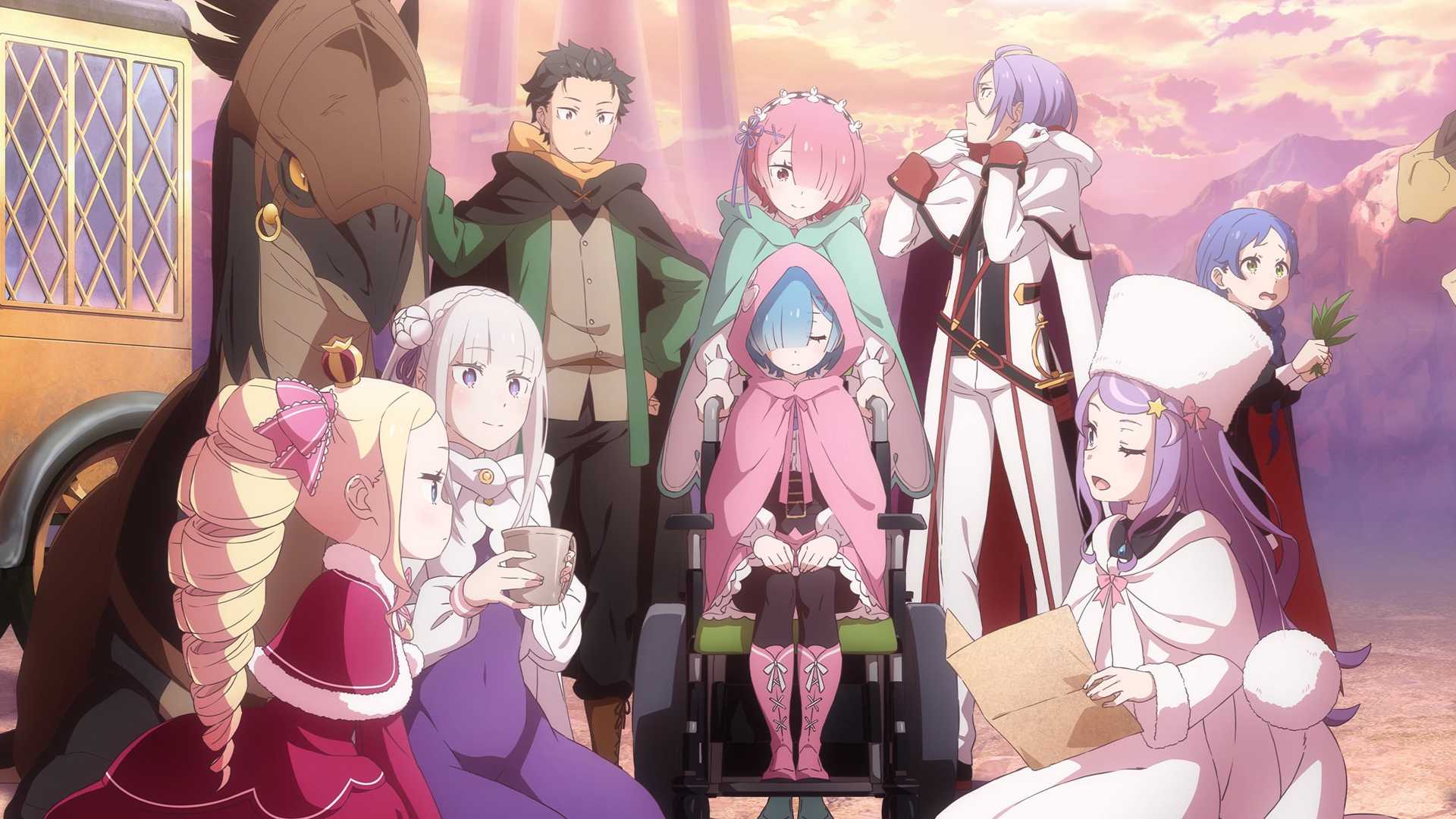 Image via Studio White Fox
 -
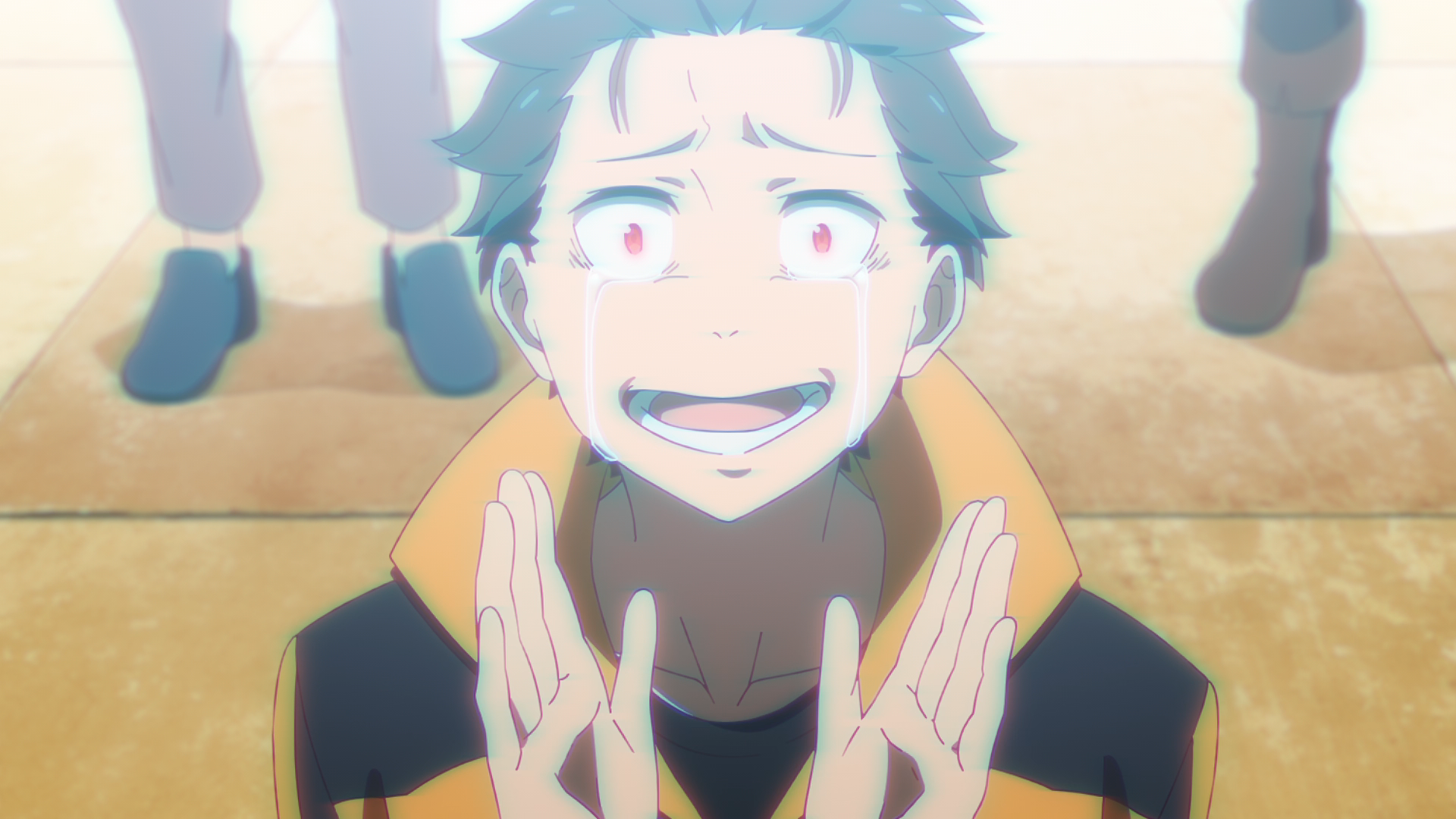 Image via Studio White Fox
Re: Zero gives Subaru Natsuki one of isekai’s most powerful abilities, but also makes that ability horrifying. Whenever Subaru dies, Return by Death sends him back to an earlier point in time. That sounds like an unlimited opportunity to correct mistakes. In practice, it means Subaru dies often and has to experience failure repeatedly before he even understands what went wrong. This structure makes filler almost impossible.
A failed timeline may technically be erased for everyone except Subaru, but what happens inside it still matters because he remembers everything. This makes repetition part of the progression rather than an excuse to delay it. A detail that appears insignificant in one loop can determine whether everyone survives several episodes later. Re: Zero may take its time, but it almost never wastes it.