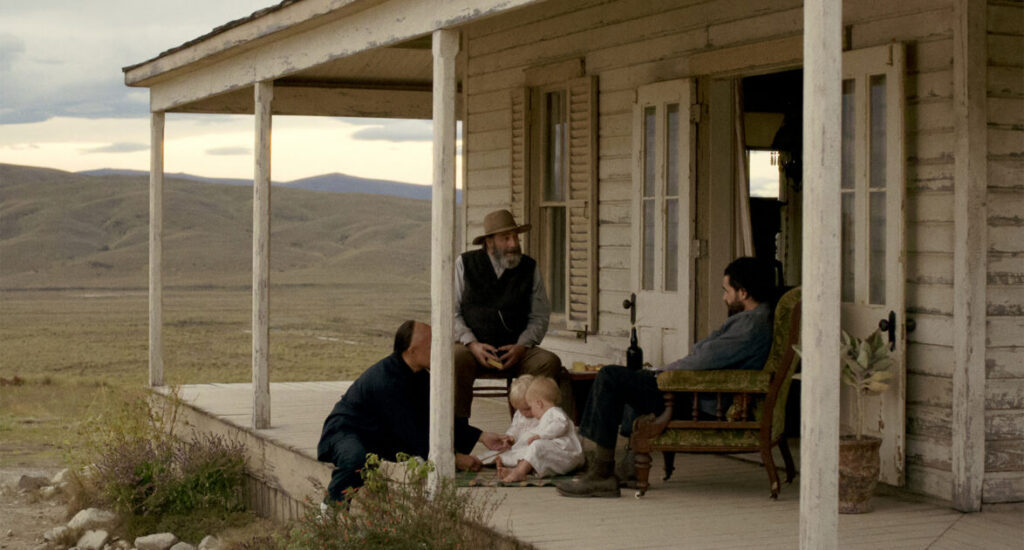

I’ve been eagerly awaiting Netflix’s adaptation of East of Eden ever since I heard it was coming out earlier this year. It’s special, in particular, because the granddaughter of Elia Kazan, who spearheaded the 1955 adaptation starring James Dean, is the writer on this project. My book club spent late summer/early fall diving into John Steinbeck’s 600-page magnum opus, and as soon as all seven episodes hit the streamer, I dove in. I think it more than merits its positive Rotten Tomatoes score, but this one detail has me extremely puzzled.
Writer Zoe Kazan deserves major kudos for the way she has deftly condensed Steinbeck’s epic into a cohesive narrative for the small screen. Even more impressively, she sought to encapsulate the whole novel and the multiple familial generations ensconced within it, as opposed to her grandfather’s film, which focused on the third generation of the Trask family.
For those who have yet to read the novel, the plot (and the series), revolves primarily around the Trask family: Brothers Adam (Christopher Abbott) and Charles (Mike Faist), competing for their father’s affection to disastrous results, and Cal (Joseph Zada) and Aaron (Joe Anders), Adam’s sons who are doomed to repeat their family history. Wedged between these warring men is Cathy Ames, played by the formidable Florence Pugh, a woman with a dark past and a wrecking ball will.
Netflix
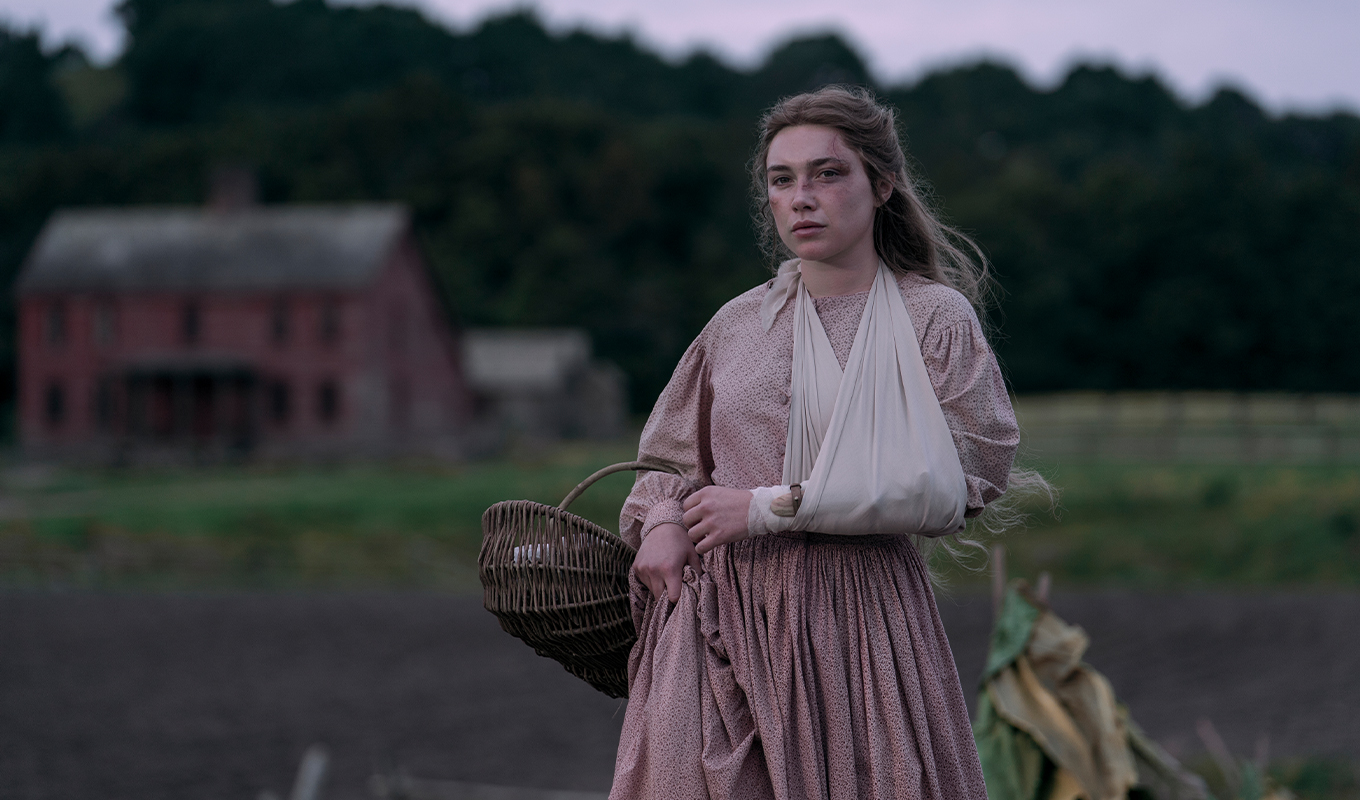
For such a sprawling narrative, East of Eden is efficiently condensed, while Kazan preserves key plot points that effectively move the story along without dragging the viewers through more of Steinbeck’s more philosophical details. The characters are well-cut, and Pugh is absolutely phenomenal as Cathy. With just a turn of the shade in her eyes, Pugh conveys the intricacies and nuances of this complex female character that keeps the viewer on their toes. Is Cathy being sincere or manipulative? Is she being sincere in order to manipulate? I was constantly guessing.
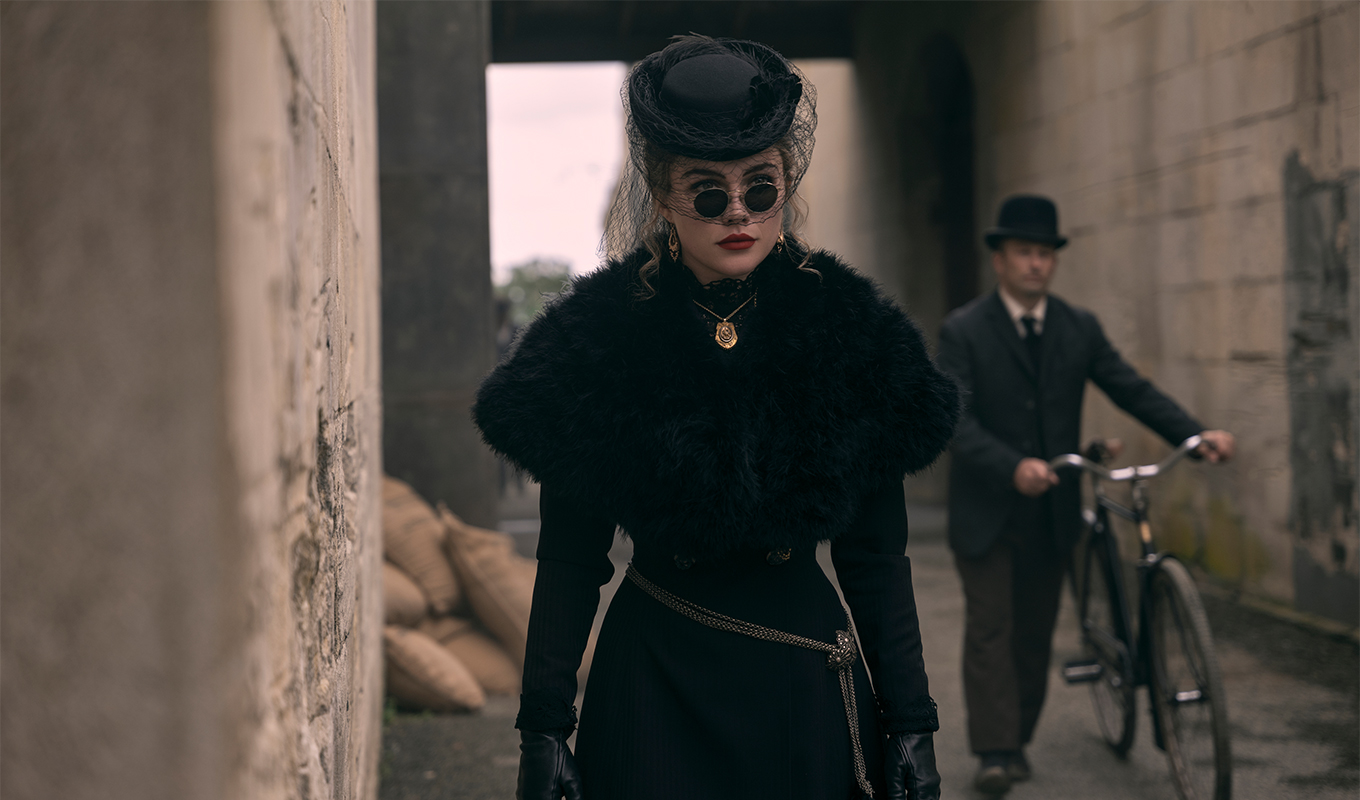
However, the one thing that puzzled me was the way in which Kazan casts Cathy so sympathetically. Very early on in the novel (and the series), Steinbeck describes Cathy by opening the chapter in which the reader meets her with “I believe there are monsters born in the world to human parents.” Said to be modeled after his ex-wife, Cathy, in Steinbeck’s very Biblical allegory, is supposedly a stand in for pure evil.
Netflix
I haven’t personally made a conclusion about how I feel (I’m more perplexed at this stage), but it’s been incredibly interesting to see the discourse around one of literature’s most infamous villains. (According to The New Yorker, which argued that we should “Let Cathy Ames Be a Monster,” the term “sociopath” appeared in the DSM-I in 1952, the same year Steinbeck published the book.) Kazan has specifically gone on the record with a more sympathetic understanding of this character, telling W, “I think we all have a little monster blood in us, and maybe I am a monster too.”
Granted, in the novel there are small details used to shade in Cathy’s character, but my book club and I agreed that for the most part, she felt a bit one-dimensional, since the story is being recounted through the lens of a male descendant telling the saga of his family. One of our questions was, “How reliable is he as a narrator?” We also wondered if we would have gotten a different perspective if the narrator had been female, or Cathy had, herself, narrated. In this way, Kazan’s adaptation hits on the cultural moment we’re in, where we need to sympathize with the villain in order to understand why they make despicable choices. (Other examples: Maleficient, Joker and Cruella.) On the flip side, I think it does pose an interesting question of why we need to, and if we should. Sometimes, evil is just evil, in whatever shape and form. I think that it’s one reason why, in the book, Cathy is such a compelling character. She goes against the archetype of femininity with an iron will, and that makes us uncomfortable. Is she unethical? Absolutely. But is she ruthlessly advocating for herself? Big yes. And in today’s climate, that’s a battle cry for women everywhere.