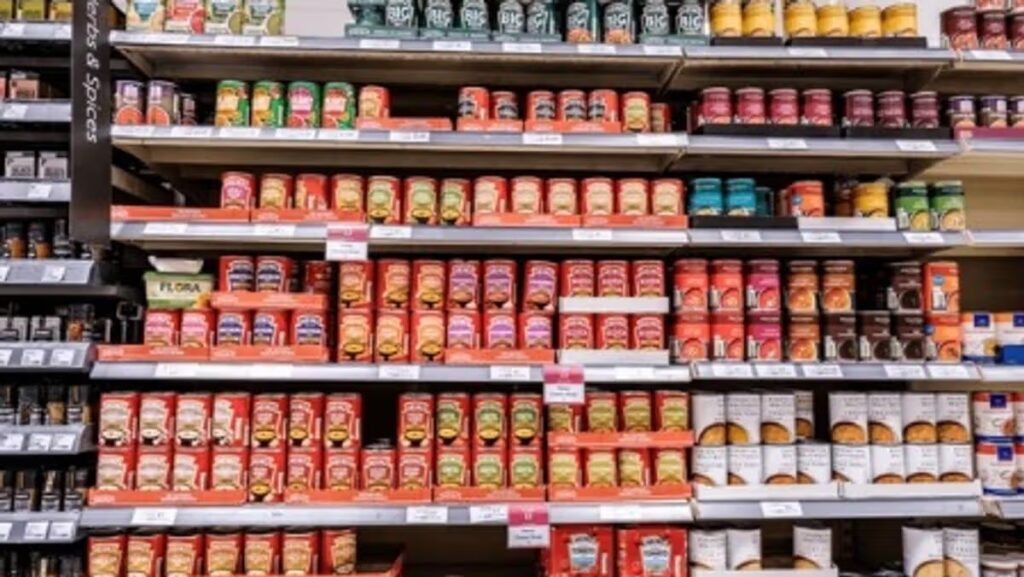

Government’s updated Price Marking Order 2004 came into force on 6 April 2026 following amendments from 2024 and 2025.

New UK supermarket shelf law now in force after being rolled out in April
A supermarket shelf rule change is now in force across UK stores – and customers will benefit as a result. The Labour Party government’s updated Price Marking Order 2004 came into force on 6 April 2026 following amendments from 2024 and 2025.
It means unit pricing (price per kilo, litre, or metre) is now required for more products, including cereals, pasta, dried fruit, detergents, cleaning products, and cosmetics.
The government has said: “When shopping, consumers should be able to make informed choices. Their ability to do this rests on them being provided with clear and transparent information – especially in relation to pricing. “When faced with a variety of prices, promotions, loyalty discount offers, and reductions, it can be difficult to make like-for-like comparisons between products.”
READ MORE State pensioners could face £98 HMRC bill with Andy Burnham rule unclear
The PMO covers goods, not services, and is limited to sales between traders and consumers – which includes online sales as well as physical shops.
It requires traders to display the ‘selling price’ which is the price that a consumer will pay for the actual weight or volume purchased. The selling price should include any taxes.
The PMO also requires traders, where applicable, to display the ‘unit price’ – which is the price which would be charged for the relevant unit of the goods, depending upon how the goods are sold. Unit pricing can be a useful tool for consumers. It allows consumers to compare the price and value of similar products.
Gordon Slip solicitors explained: “Where a product is offered at more than one price (for example, a standard price and a loyalty scheme price), the selling price and the unit price must be displayed separately and clearly for each price point. This is of particular relevance to retailers operating loyalty or membership discount schemes.”
It added: “Goods sold by weight must be priced per kilogram, and goods sold by volume must be priced per litre, ensuring consistency and comparability for consumers.
“Where a general price reduction is applied, both the reduced selling price and the corresponding reduced unit price must be displayed.
“All price information, including selling price, unit price, any applicable commission or conversion rate, and any VAT changes, must be presented in a clear, legible font of reasonable size.”