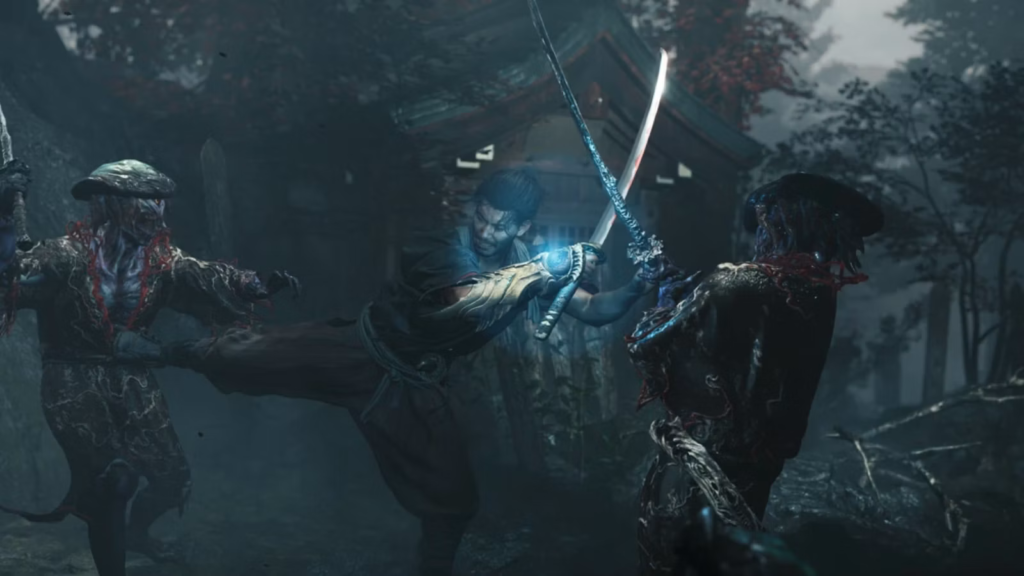

Platforms: PS5, Xbox Series X|S, Nintendo Switch 2, PC
It’s been a long, long time since we saw a new Onimusha game. Capcom’s samurai-themed action-horror series flared into life back on the PS2 a full quarter century ago, debuting with Onimusha: Warlords in 2001. It enjoyed enough popularity to fuel a half-dozen sequels and spinoffs by 2006, but then… nothing. With the exception of a terrible browser game and a couple of more modern remakes, the franchise remained buried for two decades. Now it rises from its grave like one of its signature demons, and it’s a resurrection worth shouting about.
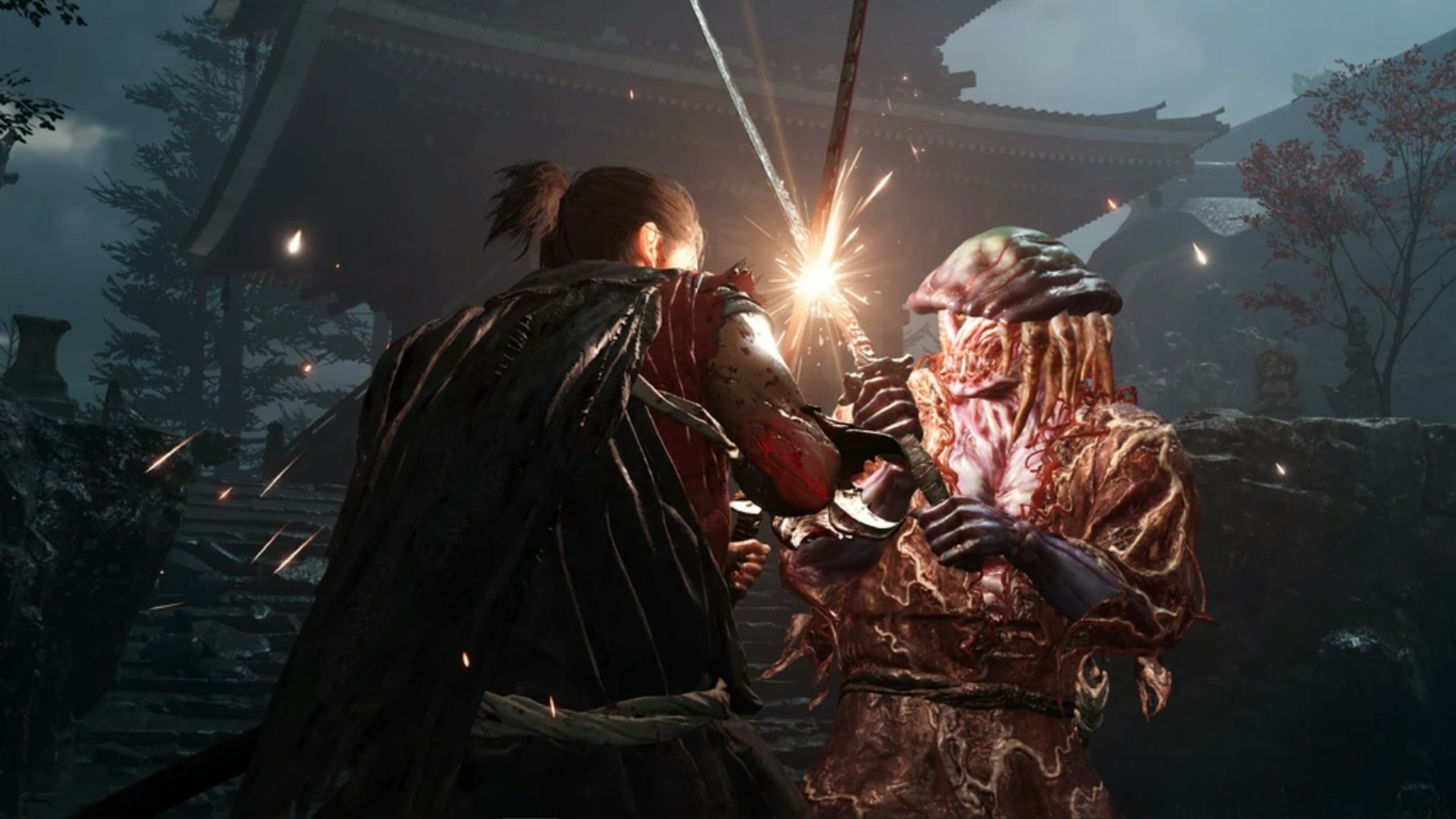
While many of the earlier Onimusha games were essentially Resident Evil set in feudal Japan, Way of the Sword fully embraces its action credentials, delivering smooth, precise combat that balances pure swordplay with supernatural abilities for added flair. What’s particularly exciting about the new Onimusha is how it rejects the new paradigm that “action RPG” has to equal “let’s do a Soulslike!” in a desperate bid to skim some residual Elden Ring glory. Director Satoru Nihei has even repeatedly refuted any attempts at comparison, emphasising that this is a game focused on character and story as much as it is demanding combat, and both aspects shine in the finished product.
Unlike most Soulslikes, where any attempt at narrative is threadbare, context delivered through lore notes, and player characters are blank templates, Way of the Sword weaves a considered tale of samurai horror that draws on Japanese mythology and history in equal measure, and is crammed with characters that absolutely fizz with personality. You play as Miyamoto Musashi (a real figure, here modelled on Yojimbo leading man Toshiro Mifune, who played Musashi multiple times in his decades-long career), a samurai wandering Edo-period Kyoto in search of worthy opponents. This take on Musashi is no stern, taciturn warrior, though – he often gets in over his head, smartly evades or outwits opponents, and his presence balances intimidating toughness with some brilliant physical comedy when the moment calls for it. He’s most often rucking with Sasaki Ganryu (another real-world figure), his long-term rival.
Delivering smooth, precise combat that balances pure swordplay with supernatural abilities
The chemistry between these two rivals elevates everything about Way of the Sword, constantly pushing and pulling on each other, with a begrudging respect clear even behind the enmity. From their initial clash where both are slain after crossing paths with demons, through their revival where both are blessed – or cursed – with powerful Oni gauntlets, and how each reacts to the new powers awakened within them as a result, it’s the relationship between Musashi and Ganryu that forms the real crux of the game.
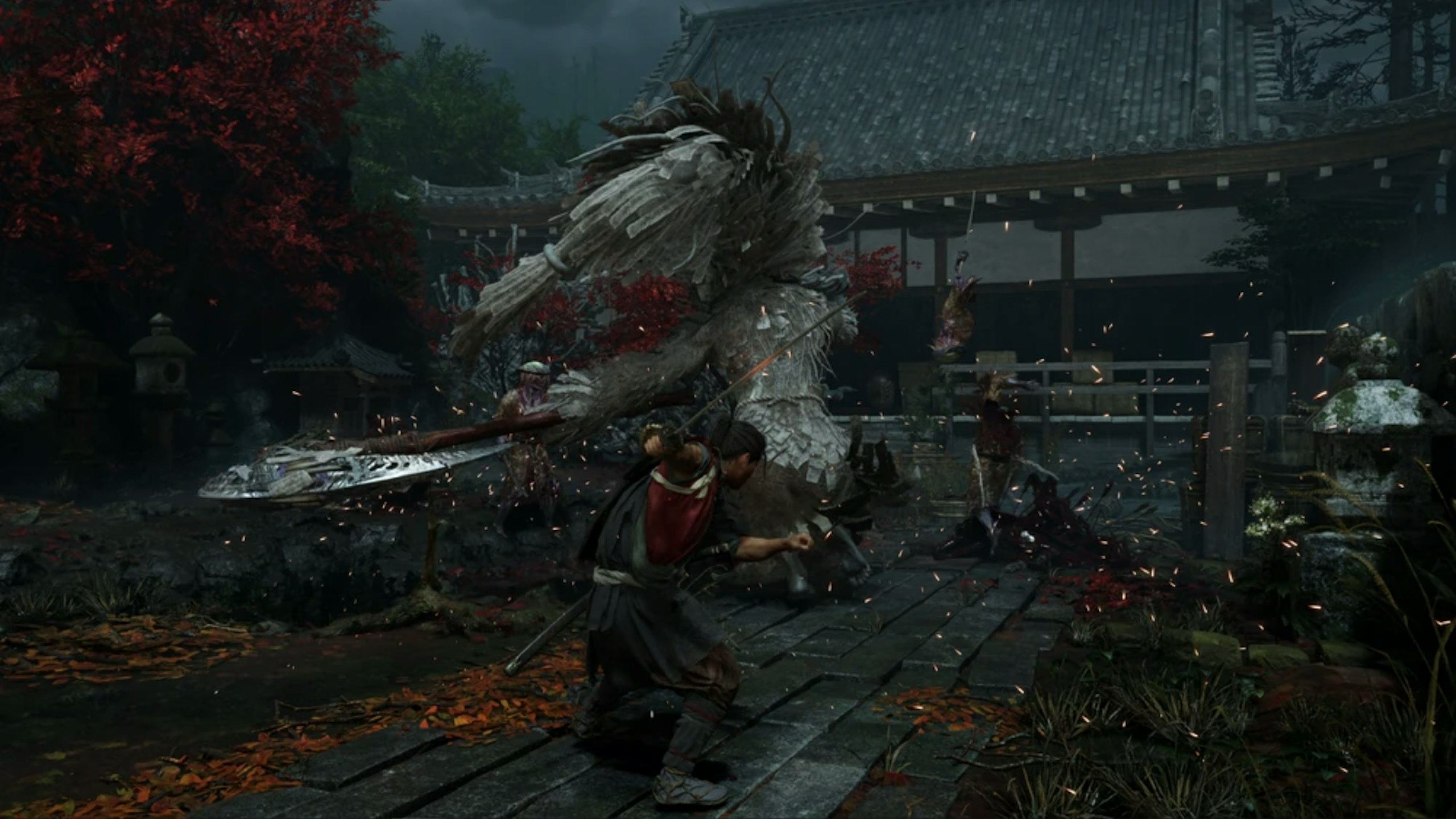
There is a more urgent threat, though – the gates of hell are being forced open, Earth risks being overrun by demons, the usual – which is where Musashi’s new skills come into play. His mortal swordsmanship remains pivotal throughout, a blur of one-handed or two-handed strikes mixed with tightly-timed parries, dodges, deflections, and powerful “Break Issen” executions to be delivered once you’ve worn down an enemy’s stamina. That Oni gauntlet allows him to absorb the soul energy dropped by downed Genma demons though, which either restore health, serve as currency to buy upgrades, or charge “Oni Armaments”, spiritual weapons that can deal massive damage.
The real genius of Onimusha is that, at its best, it makes you feel like you really are following the way of the sword. Musashi can’t just wade in and start slashing – even grunts can get lucky if you try that. You have to observe your enemies carefully, read their intentions, learn when to block, evade, or counter, or how to break through the brilliantly cinematic sword clashes peppered into each battle. Boss fights ratchet this all up to an even more impressive level, delivering desperate encounters with often titanic foes.
If there’s anywhere Way of the Sword has taken inspiration from the likes of Dark Souls, it’s in its difficulty. Despite some colour cues for when and how to react to an inbound attack, that mandatory precision still makes it incredibly tough going at times, especially when you’ll often need to interrupt your own flow of combat to absorb the souls floating around for a necessary health bump or power boost. While that’s great for fans who embrace the notoriously brutal challenge of Soulslikes, thankfully Capcom opts for a ‘best of both worlds’ approach with lower difficulty settings for those who want to focus on the story.
It falters somewhat outside of combat, but only slightly. Exploration feels rudimentary, mixing mostly-linear runs towards story objectives or major battles with quasi-open world elements in a central hub. The tightly designed spaces of the former work rather well, but the latter can feel like padding, filling up between missions with busywork and side quests. There’s also a bit too much grinding, always scouring for resources, such as healing materials or charms that deliver attack or defence buffs, or feeling like there’s something to upgrade – mostly Musashi’s sword or gauntlet, sometimes out of necessity to gain an edge for tougher fights, but often feeling to granular a boost for the effort taken to get them. A few recurrent bosses also feel like more padding, too.
While that dulls Onimusha’s edge slightly, it’s still a cut above when it comes to action RPGs – a thrilling samurai simulator with an engaging story and fantastic characters. Just make sure to play it with the original Japanese dialogue for the best, most authentic experience.